
Anyone who has ever tried installing a #6 screw into metal without a proper pilot hole knows how quickly the task becomes frustrating.
The screw refuses to grab, the threads grind away or the metal surface starts to deform under pressure. These problems happen mainly because the pilot hole is the wrong size.
Many people guess the drill bit size based on what looks close enough. They hold the screw next to a drill bit, compare the width and hope for the best, but metal does not forgive mistakes the way wood does. Even a small mismatch in hole size can ruin the threads instantly.
Understanding the correct bit size removes the guesswork from the entire job. A pilot hole sized perfectly to the screw’s core diameter allows smooth threading and maximum grip. This makes installation smoother, safer and more predictable.
Metal requires precision, and using the right bit for a #6 screw ensures clean entry. It prevents broken screws, stripped holes and wasted materials. Once you know the proper size, working with metal becomes far less stressful.
This guide explains exactly what drill bit size you need for a #6 screw going into metal. You will learn how pilot holes work, how metal thickness affects sizing and how to test the bit before committing. By the end, you will be able to pick the perfect bit confidently for any #6 screw project.
Understanding Pilot Holes for #6 Screws
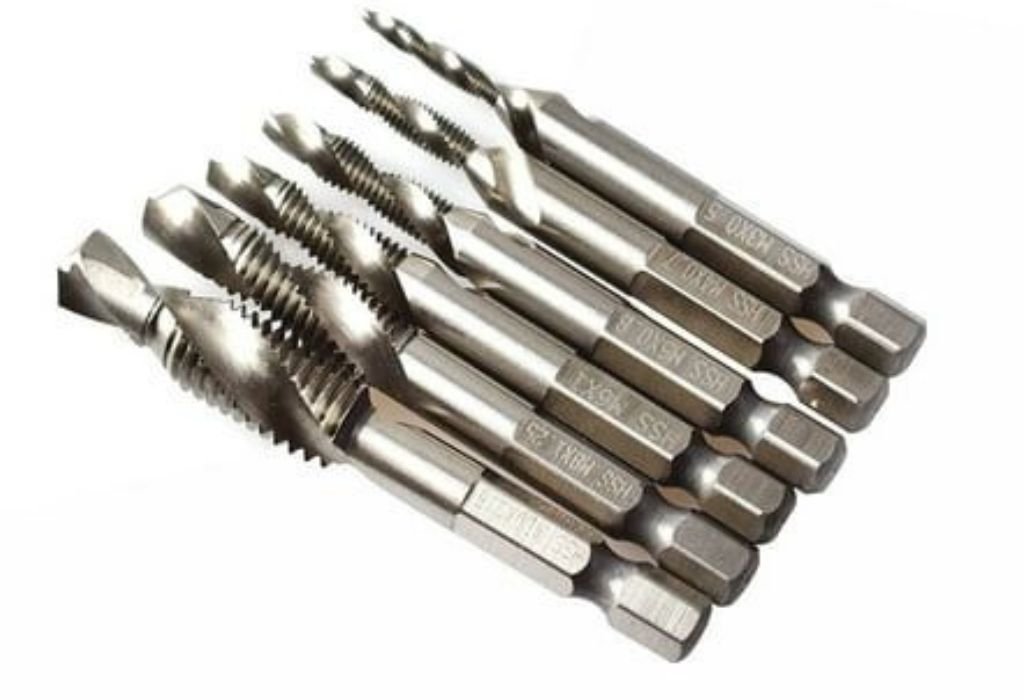
A #6 screw refers to the gauge size, which controls the screw’s thickness and core diameter. This small difference determines how well the screw grips metal during installation. Understanding the gauge helps you pick the right bit.
Pilot holes relieve pressure on hard materials. Without a proper hole, the screw threads grind against metal with too much force. This causes stripping or breakage.
Metal does not compress like wood. Instead, it resists the screw and fights back against pressure. Drilling a pilot hole prevents unnecessary friction.
A proper pilot hole gives the screw threads something to bite into cleanly. Too small of a hole makes the screw jam and twist. Too large of a hole prevents proper gripping.
Pilot hole size can change slightly depending on the metal thickness. Thin metals need tighter holes while thicker metals need slightly larger ones. This variation improves accuracy.
Understanding why pilot holes matter is essential before choosing your bit. It lays the groundwork for correct sizing. The next section reveals the exact size needed.
The Correct Drill Bit Size for a #6 Screw in Metal
The standard recommended drill bit size for a #6 screw going into metal is 7/64 inch. This size matches the core diameter of the screw and allows the threads to cut cleanly into the metal. Using this size ensures the screw holds securely without stripping.
For thin sheet metal, some installers prefer using a 3/32 inch bit for a tighter fit. This allows the threads to grab with more strength. However, beginners should stick to the standard sizing for safe results.
Using a larger size such as 1/8 inch is not recommended. This removes too much metal and weakens the connection. Smaller holes always provide better grip for #6 screws.
Most #6 screws used in metal are fine threaded. Fine threads require precise pilot holes to avoid slippage. The 7/64 inch size works best for these situations.
Always check the screw packaging for thread type. Some specialty screws may require slightly different holes. Matching the hole to the thread improves performance.
Testing on scrap metal can confirm the fit. This simple step avoids problems on the final project. It ensures the screw turns smoothly and tightens correctly.
What is the standard drill bit size for a #6 screw in metal?
The standard recommended size is 7/64 inch.
Can I use 3/32 inch for thin sheet metal?
Yes, it provides a tighter grip for thinner surfaces.
Is 1/8 inch too big for a #6 screw?
Yes, it creates a loose connection and reduces strength.
Do metal screws require exact sizing?
Yes, metal is hard and needs precise pilot holes.
Should I test the bit first?
Testing prevents mistakes and confirms proper grip.
Why Using the Wrong Size Bit Causes Problems
Using a bit that is too small creates excessive resistance during installation. This forces the screw to push metal aside instead of cutting threads. The pressure can snap the screw or strip the threads entirely.
A bit that is too large removes too much metal. Instead of gripping, the screw floats loosely inside the hole. This leads to wobbling and weak connections.
Metal does not compress like wood, so size errors matter more. Metal requires clean cuts for threads to hold securely. Any mismatch reduces the screw’s holding power.
Wrong sizing also causes over tightening issues. When the screw meets too much resistance, it heats up. This heat weakens the metal and causes thread damage.
Bit size mistakes also create misalignment. If the pilot hole wanders or expands unevenly, the screw enters at an angle. This causes stress and reduces the longevity of the connection.
Repairing oversize holes requires fillers or switching to bigger screws. This adds time and cost to the job. Correct sizing avoids all these problems.
Precision is the key to metal fastener work. Even small errors cause big consequences. The next sections explain how to avoid these issues.
How Metal Thickness Affects Drill Bit Size
Thin sheet metal behaves differently from thick steel. Thin metals allow a smaller pilot hole because the material flexes slightly during installation. This flexibility lets the screw threads cut deeper.
For thin sheet metal, a 3/32 inch bit may be better than 7/64 inch. This ensures strong engagement. Tighter holes prevent wobbling.
Thicker metals resist screw penetration more strongly. They require slightly larger holes to avoid excessive force. The standard 7/64 inch size works well for these cases.
Soft metals like aluminum require smaller pilot holes. Aluminum compresses and grips more easily. Using 3/32 inch can give better results.
Hard metals like stainless steel require the standard size. Harder surfaces need more space for the threads to cut. Using too small of a hole causes the screw to bind.
Layered or stacked metals need more attention. Each layer adds friction and resistance. Increasing hole size by one fractional step may help.
Knowing how thickness affects sizing ensures smoother threading. It prevents unnecessary force and increases accuracy. This helps produce clean and long lasting results.
Do thin metals need smaller holes?
Yes, thin sheets grip better with slightly tighter holes.
Does metal hardness matter?
Yes, harder metals need more precise sizing.
Is aluminum easier to drill for #6 screws?
Yes, aluminum accepts slightly smaller pilot holes.
What about thick steel?
The standard 7/64 inch size works best for thick steel.
Do stacked metals need special sizing?
Yes, increase one fractional step for better threading.
How Screw Thread Type Affects Pilot Hole Size
#6 screws come in both coarse and fine threads. Fine threads are ideal for metal because they make cleaner, shallower cuts. This requires precise pilot holes for proper engagement.
Coarse threads need slightly smaller pilot holes. Their deeper threads cut aggressively into the metal. This provides a stronger grip for soft metals.
Fine thread screws require the exact recommended pilot size. These screws are common in sheet metal and automotive applications. Precision helps avoid stripping.
Thread type influences how easily the screw enters metal. Fine threads move smoothly and steadily. Coarse threads grab quickly but require more force.
Always check the screw packaging for thread style. Manufacturers include thread labels for guidance. This helps you choose the correct pilot hole.
Matching thread type to the right bit ensures better installation results. It prevents thread damage and ensures cleaner entry. Thread compatibility improves overall strength.
Understanding thread differences improves accuracy. It separates good metalwork from guesswork. This knowledge helps prevent avoidable mistakes.
How to Test the Drill Bit Size Before Drilling the Final Hole
A quick test on scrap metal can save a lot of trouble. Testing the pilot hole ensures the screw threads bite properly. It helps confirm that the selected bit size is correct.
Drill a small hole using the bit you plan to use. Gently insert the #6 screw and check the grip. If it turns too loosely or too tightly, adjust the bit size.
Scrap testing prevents ruining your project surface. Mistakes during the test are easy to fix. This gives confidence before moving to the final piece.
Testing also helps identify whether the metal is harder or softer than expected. This affects how the threads behave. Adjustments improve threading quality.
Many professionals test every bit before actual installation. This ensures consistent results across multiple screws. It also reduces tool wear.
This step is especially useful for beginners. It builds accuracy and skill with practice. Testing reduces stress and prevents costly errors.
Testing can be done in less than a minute. This small investment saves time overall. Proper testing leads to perfect pilot holes.
Should I always test on scrap metal?
Yes, it confirms the hole size before drilling your project.
What if the hole feels too tight?
Move up one fractional bit size.
What if the hole is too loose?
Use the next smaller bit to increase grip.
Does hardness affect screw fit?
Yes, harder metals may need slightly larger holes.
Can beginners skip testing?
Testing is recommended for everyone.
Why Lubrication Helps When Installing #6 Screws Into Metal
Lubrication helps reduce friction between the screw and the metal. This makes insertion smoother and reduces the risk of thread stripping. Even a tiny drop of oil makes a noticeable difference.
Metal surfaces generate heat quickly during threading. Heat weakens the screw and reduces grip. Lubrication prevents overheating.
Using lubrication protects the screw head and driver bit. The reduced resistance lowers tool strain. This improves the lifespan of your tools.
Common lubricants include light oil, WD-40 or machine oil. Even household soap can help. These options reduce friction effectively.
Lubrication is especially useful for harder metals. Screws can bind more easily in dense materials. Oil helps them move smoother.
Using lubrication helps prevent broken screws. It keeps threads cool and strong during installation. This reduces frustration and maintains quality.
Beginners often underestimate lubrication. Adding this simple step boosts performance greatly. It makes your work cleaner and safer.
How Metal Hardness Changes the Drill Bit Size You Should Use
Hard metals react differently when a screw enters the pilot hole. They resist thread cutting more strongly, and this resistance affects how the screw grabs the metal. Choosing the correct hole size depends greatly on how hard the metal surface is.
For example, stainless steel is much harder than aluminum. Stainless steel needs slightly larger pilot holes so the screw can cut without breaking. Aluminum accepts smaller holes because its surface flexes easily.
A #6 screw going into hard steel often performs better with a pilot hole close to 7/64 inch. This size reduces pressure on the screw threads and prevents snapping. Thin stainless sheet metal may allow a smaller bit, but thicker surfaces require precision.
Soft metals like aluminum or mild steel behave more predictably. Smaller holes give better thread grip and prevent wobbling during installation. This makes the screw sit tighter and more secure.
Hardness also affects drilling speed and lubrication. Hard surfaces require slower drilling and more oil to reduce friction. Soft metals can be processed quicker with less lubrication.
Understanding hardness helps avoid guesswork. It ensures the screw enters smoothly without stripping or bending. Proper sizing improves longevity of both the screw and the metal.
How to Ensure Straight and Accurate Pilot Holes in Metal
Accurate holes begin with a proper punch mark on the metal. This small dent guides the drill bit and prevents sliding. Without it, the bit may wander on the smooth surface.
Holding the drill perpendicular ensures a straight entry. Tilting creates uneven holes and weak connections. A straight angle produces cleaner threads.
Clamping the metal helps keep everything steady. Movement causes vibrations that ruin accuracy. A stable piece makes drilling easier.
Using slow drill speeds gives better control. Metal drilling should always be done at slower speeds. This reduces heat and improves precision.
After drilling, inspect the hole for clean edges. Rough edges can damage the screw threads. A quick file pass can help.
Drill bit sharpness also affects accuracy. A dull bit wanders easily. Sharp bits produce clean and straight holes.
Accurate pilot holes increase screw strength. They ensure proper thread engagement. Clean holes make installation easier and safer.
How do I stop the drill from sliding on metal?
Use a punch dent to guide the bit.
Do I need clamps for accuracy?
Yes, they prevent movement and vibration.
Should I drill fast or slow?
Slow speeds are best for metal.
Do I need to file rough holes?
Yes, filing helps protect the screw threads.
Does drill bit sharpness matter?
Sharp bits create cleaner, more accurate holes.
How Screw Length Affects the Drill Bit Size for Metal
Screw length affects how much threading will engage with the metal. Longer screws need smoother thread entry because friction increases with depth. Proper hole size ensures the screw seats fully without excessive force.
Short #6 screws are easier to install. They produce less friction and require minimal adjustment to pilot hole size. A 7/64 inch bit is usually enough for most short screws in metal.
Longer screws create more resistance during driving. Using a slightly larger bit can ease insertion while preserving thread grip. This prevents fatigue in both the screw and the installer.
Screw length also affects stability. The deeper the screw goes, the more evenly the threads must cut through the metal. A precise pilot hole reduces wobbling and misalignment.
In thin sheet metal, long screws can cause distortion. A correct pilot hole reduces this risk and prevents the metal from bending. This maintains the project’s structural integrity.
Always check the screw length before selecting a pilot hole. This habit ensures clean installation every time. Proper depth engagement improves overall durability.
Common Mistakes to Avoid When Drilling for #6 Screws
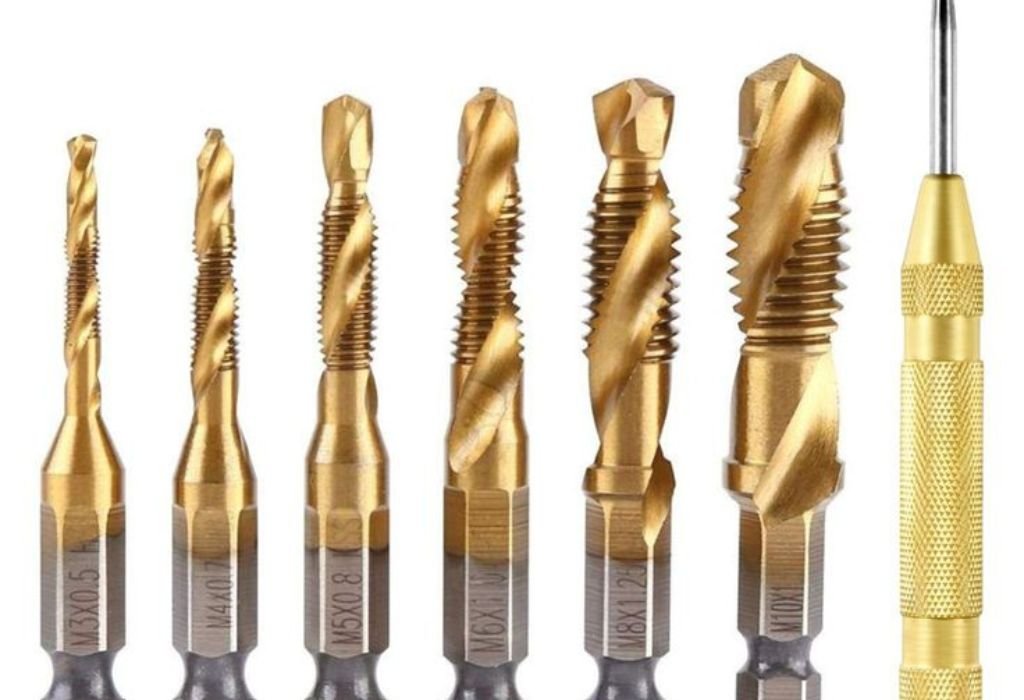
One common mistake is drilling without marking the spot. This causes the bit to wander. Marking ensures clean and accurate holes.
Another mistake is choosing the wrong drill bit size. Guessing leads to stripped threads or loose connections. Precision is essential for metal work.
Drilling too fast creates overheating. Heat weakens the screw’s structure. This leads to premature failure.
Skipping lubrication is also a frequent problem. Metal creates friction that damages threads. Oil prevents this wear.
Some people force the screw into a tight hole. Forcing causes stripped threads and broken screws. Smooth threading is always the goal.
Working with unstable metal is risky. Metal must be secured before drilling. Movement disrupts accuracy.
Avoiding these mistakes improves overall results. It protects both your materials and your tools. Simple precautions lead to professional outcomes.
Choosing the Right Drill Bit Type for Making Pilot Holes in Metal
Different drill bit types behave differently when drilling metal. High speed steel bits are the most common and work for nearly all #6 screw applications. They create smooth, accurate holes with minimal resistance.
Cobalt bits perform better on hard metals. They handle heat well and do not dull easily. Their strength makes them ideal for stainless steel and thick structural metal.
Titanium coated bits help reduce friction significantly. This makes drilling easier and keeps the screw threads cleaner. Their smooth finish creates more precise pilot holes.
Black oxide bits work well for general metal tasks. They offer corrosion resistance and improved lubrication. These benefits help beginners achieve better results.
Choosing the right bit reduces heat and protects the screw. It ensures smoother cutting and cleaner holes. This makes metalworking more predictable.
Bit type selection becomes easier with experience. Each type has advantages depending on the situation. Matching the bit to the metal improves accuracy and screw performance.
Conclusion
Picking the correct drill bit size for a #6 screw in metal ensures strong, reliable and clean installations every time. The recommended 7/64 inch bit provides the perfect balance between screw grip and ease of entry, making it ideal for most metalworking situations.
This sizing reduces stripping, overheating and broken screws, which are common problems when using the wrong bit.
Metal requires precision, and even a small mistake in hole size can weaken the entire connection. Adjusting slightly for thin or thick metals, understanding thread types and testing on scrap material all help guarantee clean results.
Adding simple steps like marking the hole, drilling slowly and using lubrication further improves performance.
With the right drill bit size and proper technique, installing #6 screws into metal becomes predictable and stress free.
These best practices give you confidence in every project and ensure long lasting strength. Once you understand the principles, choosing the perfect pilot hole becomes second nature.

I’m John F. Nicholas, the founder, lead writer, and drill enthusiast behind 101drill.com. With years of hands-on experience in power tools and DIY projects, I created this platform to share practical knowledge, expert tips, and real-world insights to help others master the art of drilling.