
You pick up your shiny new titanium drill bit set, eager to start a woodworking project, and wonder if those gold-colored bits are actually meant for metal only.
Many beginners assume titanium bits are exclusive to metalwork, but that’s not entirely true. These high-performance tools can handle wood beautifully, if you know how to use them.
Titanium drill bits offer better wear resistance and smoother drilling compared to ordinary steel bits. When used properly, they glide through softwood, hardwood, and plywood without burning or splintering.
However, they require specific handling and maintenance to deliver those results consistently.
In this complete guide, you’ll learn what titanium bits are made of, how they differ from other drill bits, and the best way to use them on wood.
Whether you’re drilling holes for dowels, furniture, or cabinetry, these tips will help you make every cut clean and precise. Let’s start by understanding what titanium drill bits really are and why they work so efficiently.
Understanding Titanium Drill Bits
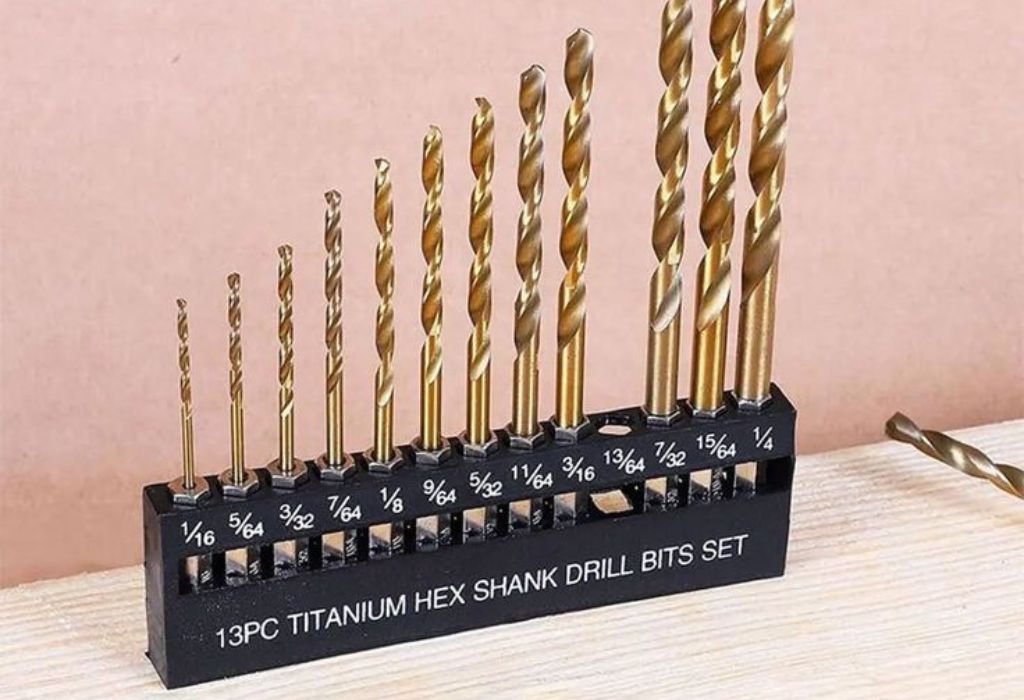
Titanium drill bits aren’t made entirely of titanium — they’re typically high-speed steel (HSS) bits coated with a thin layer of titanium nitride (TiN) or titanium aluminum nitride (TiAlN).
The coating hardens the surface, reducing friction and heat buildup. This makes the bit last several times longer than uncoated steel.
The signature gold color comes from the titanium nitride layer, which adds surface hardness and corrosion resistance. It also helps chips slide out more easily, keeping the bit cooler during long drilling sessions.
These bits excel at cutting through materials like wood, plastic, aluminum, and mild steel. However, they’re not ideal for hardened steel or masonry, which require specialized carbide or cobalt bits.
Because the coating is only on the surface, sharpening titanium bits removes some of that protective layer. Once it’s gone, the bit reverts to regular HSS performance levels.
For woodworking, this coating is particularly helpful in reducing heat, especially when drilling multiple holes in thick lumber. The smoother action means less tear-out and cleaner edges.
When combined with proper speed control, titanium bits offer a great balance of precision and durability for almost any wood type.
Can Titanium Drill Bits Be Used for Wood?
Yes — titanium drill bits are perfectly suitable for wood. Their sharp cutting edges and heat-resistant coating make them ideal for clean, fast drilling through softwood and hardwood alike. The key lies in technique, not just material.
Wood drilling generates less heat than metal, which means titanium’s advantages shine even more. The coating reduces drag, letting the bit cut smoothly without binding or scorching the surface.
For general woodworking tasks such as building furniture or shelving, titanium bits provide clean entry points and consistent holes. They’re also less likely to dull quickly compared to black oxide or carbon-steel bits.
However, they’re not designed for rough, resinous lumber or knots that can grab the bit. In those cases, use moderate speed and clear chips often. Excess pressure can still overheat the bit despite its coating.
When drilling deep holes, back the bit out every few seconds to remove sawdust. The reduced friction keeps the hole cool and prevents burning.
In short, titanium bits handle wood exceptionally well when used properly — but treating them gently ensures they last far longer.
How Titanium Bits Compare to Other Drill Bits
Different coatings and compositions affect how a bit behaves in wood. Understanding these differences helps you choose wisely for each project.
Black oxide bits are affordable and corrosion-resistant, but they dull quickly in hardwood. Titanium bits outperform them in both sharpness and heat tolerance.
Cobalt bits are extremely hard and ideal for metal but often too aggressive for softwood. They tend to splinter thin boards or tear veneer.
Carbide-tipped bits maintain sharpness longer than any coating, yet their brittle edges make them risky for handheld drills. Titanium bits strike a balance — durable yet smooth enough for general wood use.
Forstner and spade bits remain the go-to tools for large holes, but when you need precision in small-to-medium diameters, titanium twist bits are unbeatable.
The gold coating also provides better visibility while drilling, letting you see cutting progress more easily. That may sound minor, but for fine joinery, it saves time and frustration.
Ultimately, titanium bits are the most versatile option for hobbyists and professionals seeking one set that performs across wood, plastic, and light metal.
Are titanium drill bits only for metal?
No, they’re multi-purpose and perform excellently in wood when used at the right speed and pressure.
Do titanium bits last longer in wood than standard bits?
Yes. Their coating reduces friction, which keeps them sharp for more holes before dulling.
Can I use titanium bits for hardwood?
Absolutely. Just drill at a slower speed and clear chips often to avoid burning.
Will titanium bits splinter plywood?
Not if you start with a pilot hole and use masking tape over the surface to reduce tear-out.
Can titanium bits drill through pressure-treated wood?
Yes, but clean the bit afterward. Chemicals in treated lumber can corrode the coating over time.
Preparing to Drill with Titanium Bits
Preparation ensures both safety and precision. Begin by marking your hole locations clearly with a pencil and punch to guide the bit. This prevents it from slipping when you start drilling.
Clamp your wood securely to a stable surface. Even slight movement can cause chatter, widening the hole unevenly. Stability allows for smoother drilling and prevents accidents.
If you’re drilling into finished wood, apply painter’s tape over the mark to protect the surface fibers. The tape supports the grain and helps reduce splintering on exit.
Select the correct bit size for your project. Titanium twist bits are typically available in 1/16-inch increments, allowing precise hole sizing.
Check the bit for dirt or resin buildup. Even with titanium’s low friction, buildup increases heat and dulls the edge prematurely. A quick wipe with mineral spirits restores performance.
Lastly, ensure your drill speed matches the wood type. Use lower RPMs for hardwoods like oak and maple, and faster speeds for pine or cedar. Balanced speed keeps the bit cutting efficiently.
Proper Drilling Technique for Titanium Bits
Drilling wood with titanium bits requires control rather than force. Start by positioning the bit perpendicular to the surface, aligning with your mark. Hold the drill firmly but don’t press too hard.
Begin drilling at low speed to let the tip bite into the grain. Once it starts cutting cleanly, increase speed slightly for smoother progress. Maintain steady, even pressure throughout.
For deeper holes, withdraw the bit periodically to clear sawdust. This prevents clogging, overheating, and burning. Proper chip evacuation is essential for a smooth finish.
Avoid wobbling the drill or angling mid-cut, which can enlarge the hole unintentionally. Keep your hand and wrist steady along the drilling axis.
When approaching the exit side, reduce pressure to prevent blow-out. Supporting the backside with scrap wood ensures a cleaner breakthrough.
After finishing, run the bit slowly as you withdraw it. This clears remaining chips and leaves a neat edge around the hole.
Cleaning and controlling every step guarantees perfect holes, free from char marks or roughness.
Preventing Overheating and Dulling
Even titanium bits can wear out if overheated. Heat buildup dulls the cutting edge and weakens the coating over time. Fortunately, you can prevent it easily.
Use moderate drill speeds and avoid excessive pressure. Let the bit’s sharpness do the work instead of forcing it through. For large holes, pause briefly between cuts to allow cooling.
If drilling multiple holes in hardwood, consider lubricating the bit with a small drop of light oil or beeswax. It minimizes friction and keeps cutting edges smooth.
Regularly remove sawdust buildup from the flutes. Compact chips act like insulation, trapping heat inside the hole. A quick air blow or brush keeps them clear.
When drilling very deep or wide holes, back out completely halfway through. This cools the bit and clears the path for fresh cutting.
If you see smoke or smell burning, stop immediately. Allow the bit to cool and inspect for dullness before continuing.
Proper cooling extends the life of your titanium bits dramatically, ensuring long-term performance.
Why do my titanium bits smoke when drilling?
You’re likely using too much speed or pressure; slow down and clear chips more frequently.
Do I need to lubricate titanium bits for wood?
Not usually, but a light coat of beeswax helps when drilling many holes in dense hardwood.
How can I tell if my bit is overheating?
If it turns dark blue or emits smoke, it’s too hot — pause and let it cool naturally.
Can I resharpen titanium bits?
Yes, but you’ll remove the coating. After sharpening, they’ll perform like standard HSS bits.
Does resin from pine affect the coating?
Yes, it can stick to flutes. Clean immediately after use with solvent or warm soapy water.
When to Choose Titanium Bits Over Others
Knowing when titanium bits outperform alternatives helps you plan smarter. Use them for precise work where speed and cleanliness matter most.
They’re perfect for cabinetry, shelving, furniture joints, and general carpentry. Titanium bits produce consistent holes without fuzzing the edges, even on thin plywood veneers.
If you switch frequently between materials like wood and aluminum, titanium bits save time because you don’t need constant bit changes. Their hardness handles both seamlessly.
For drilling pocket holes or pilot holes for screws, their sharp tips reduce splitting and guarantee straight alignment. You’ll notice less chipping compared to low-grade steel bits.
However, they’re not the best option for extra-large holes or heavy structural lumber. Spade or auger bits handle those faster and evacuate chips more efficiently.
Titanium bits are your all-around solution for clean, controlled woodworking tasks that demand accuracy and versatility.
Maintaining and Storing Titanium Drill Bits
Proper maintenance protects your investment. After every project, wipe the bits with a dry cloth to remove resin or sawdust. Keeping them clean prevents buildup that increases friction.
Avoid using wire brushes or abrasives that scratch the coating. Scratches expose the steel beneath, reducing corrosion resistance and cutting efficiency.
If bits get sticky, soak them in a mild degreaser or mineral spirits for a few minutes. Rinse, dry, and lightly oil the surface to prevent rusting.
Store bits upright in a wooden holder or labeled case. Avoid letting them knock together, which chips the edges.
Keep sets organized by size to save time during future projects. Returning each bit to its slot maintains sharpness and prevents accidental mixing with dull ones.
When you notice performance dropping, sharpen lightly with a fine grinding wheel. Even without the coating, they’ll still outperform cheap bits if kept sharp.
Care and proper storage ensure your titanium bits stay reliable for countless woodworking sessions.
Safety Tips When Drilling with Titanium Bits
Safety is critical, even with seemingly simple wood drilling. Fast-spinning titanium bits can catch clothing or send chips flying unexpectedly.
Always wear safety goggles to shield your eyes from sawdust. Wood particles can eject at high speed during cutting.
Secure your workpiece with clamps before starting. A moving board causes uneven holes and increases the risk of bit breakage.
Keep both hands steady on the drill. If using a corded model, mind the power cable’s position to avoid tangles.
Do not touch the bit immediately after drilling. Titanium coating disperses heat slowly, and surfaces can stay hot for several seconds.
Work in a well-lit area so you can see depth markings clearly. Dim lighting often leads to misaligned holes or uneven depths.
Following these small habits guarantees smooth, safe drilling for all your woodworking projects.
Conclusion
So, can you use titanium drill bits for wood? Absolutely — and they perform better than most standard options when handled correctly. Their heat-resistant coating, sharp tips, and smooth cutting action make them perfect for drilling softwoods, hardwoods, and plywood alike.
Start each hole slowly, maintain moderate speed, and clear chips regularly. Avoid forcing the bit or using high-heat settings that wear out the coating. With simple maintenance and mindful technique, titanium bits will give you years of precise, splinter-free results.
Whether you’re crafting furniture or completing home repairs, titanium bits deliver professional performance in every cut. Treat them well, and they’ll turn every woodworking project into a cleaner, smoother success.

I’m John F. Nicholas, the founder, lead writer, and drill enthusiast behind 101drill.com. With years of hands-on experience in power tools and DIY projects, I created this platform to share practical knowledge, expert tips, and real-world insights to help others master the art of drilling.