
You’re halfway through a project, ready to drill a hole in a piece of wood, when you realize something — the only bits you have are meant for metal. You ask yourself, “Can I use these on wood?” The answer isn’t a simple yes or no; it depends on your expectations, technique, and the kind of finish you want.
At first glance, metal and wood bits look similar. Both spiral in design and fit standard drills, but they’re engineered for different purposes. Using a metal bit on wood might seem harmless, yet small differences in tip shape, flute design, and cutting angle can dramatically affect the result.
In an emergency, a metal bit can cut through wood, but the quality of the hole, heat buildup, and tool wear can become major concerns. Understanding how these bits interact with wood fibers helps you decide when it’s acceptable and when to reach for the right tool instead.
This guide explains how metal bits behave on wood, their advantages and limitations, and the best ways to minimize damage if you ever need to use them.
Understanding the Design of Metal Drill Bits
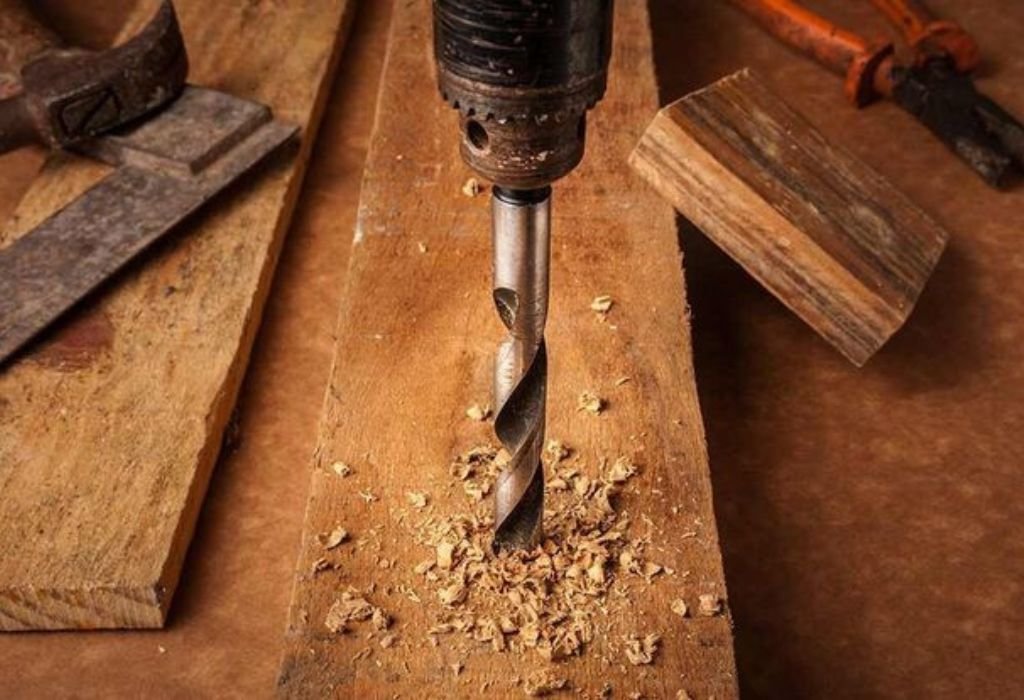
Metal drill bits are designed to grind through dense, rigid materials like steel, iron, or aluminum. Their cutting edges are less aggressive than wood bits because metals require controlled friction rather than slicing motion.
Most metal bits have a 118° or 135° tip angle that allows gradual penetration. They’re made of high-speed steel (HSS), cobalt, or titanium-coated steel, offering durability and heat resistance. Their flutes are shallow, intended to remove small metal chips instead of large wood shavings.
In contrast, wood drill bits feature a sharp brad-point tip that centers the hole and spurs that slice the wood fibers cleanly. This difference in geometry determines how cleanly the material is cut.
When you use a metal bit on wood, it grinds rather than slices, producing friction, heat, and sometimes burn marks. Still, with careful technique, it can work for temporary or non-visible projects.
Can a Metal Drill Bit Be Used on Wood?
Yes, a metal drill bit can be used on wood — but it’s not ideal. The bit will penetrate the wood, but the cut won’t be as clean or precise as with a proper wood bit. The biggest issue is heat and splintering caused by the grinding action of the metal bit’s flatter tip.
If you must use a metal bit, reduce your drill speed and apply light pressure. This minimizes heat buildup and prevents the wood from burning. You can also place masking tape over the drilling area to reduce chipping, especially on plywood or laminate.
The best practice is to use metal bits only when you have no alternative or when hole precision isn’t critical.
Can metal bits damage wood?
Yes, friction can burn or tear the fibers.
Can they drill hardwood?
Yes, but slower and with rougher edges.
Can I use them for screws?
Yes, if you pre-drill gently with a smaller bit.
Are they safe on plywood?
Yes, with low speed and masking tape.
Will they dull faster on wood?
Slightly, since heat affects their coating.
Differences Between Metal and Wood Drill Bits
The core difference lies in tip design, cutting method, and chip removal. Wood bits have a sharp point that guides the bit and outer spurs that slice cleanly. Metal bits lack this point, so they tend to skid on the surface unless you pre-mark the spot.
Wood bits eject large shavings through deep flutes. Metal bits, with shallow flutes, can clog easily when used on soft materials like wood. That’s why clearing the hole frequently is crucial to avoid overheating.
Additionally, the material composition differs. Metal bits use hardened steel or coatings for durability, while wood bits remain uncoated for sharper cutting.
Understanding these differences helps you adapt your speed and pressure when substituting bits.
How to Use a Metal Drill Bit on Wood Safely
If you must use a metal drill bit on wood, follow a few key steps for safety and better results.
Start by marking your hole with a nail or punch so the bit doesn’t wander. Place masking tape over the area to prevent splintering. Use low-to-medium speed and apply steady, light pressure.
As you drill, withdraw the bit every few seconds to clear sawdust. This prevents clogging and overheating. Avoid forcing the drill; let the bit cut gradually.
When working on thick boards, pause halfway to cool both the bit and the wood. Wipe the bit occasionally to remove resin buildup.
Can metal bits burn wood?
Yes, if speed is too high or pressure too strong.
Can I use oil while drilling wood?
Not necessary; it may stain the surface.
Should I drill from both sides?
Yes, for cleaner edges and less tear-out.
Can I reuse the same bit for metal later?
Yes, but clean it thoroughly after use.
Do I need to sand after drilling?
Yes, lightly smooth burned or rough edges.
Best Scenarios for Using Metal Bits on Wood
There are cases where using metal bits on wood makes sense. If you’re drilling pilot holes for screws or temporary holes for brackets, the difference in finish may not matter.
Metal bits are useful when drilling through wood-and-metal combinations, such as wooden studs with metal brackets or thin metal plates. They maintain performance in mixed materials, saving time on bit changes.
For rough carpentry, repairs, or workshop projects where speed matters more than perfect edges, metal bits get the job done.
However, for precision tasks like cabinetry or furniture making, always use brad-point or spade bits designed for wood.
Common Mistakes When Using Metal Bits on Wood
One of the biggest mistakes is drilling too fast. Metal bits are meant for slower, controlled speed; using high RPMs causes friction and burn marks on wood.
Another error is pressing too hard. This overheats the bit, dulls the cutting edges, and may even cause smoke. Always maintain gentle pressure and let the drill do the work.
Failure to clean sawdust from the hole also leads to overheating and uneven drilling. Finally, not supporting the backside of the wood can cause breakout when the bit exits.
Why does my bit get stuck in wood?
The flutes are clogged; clear sawdust frequently.
Why is the hole blackened?
You drilled too fast or used dull bits.
Can I drill multiple boards?
Yes, if you clamp them tightly together.
Can I drill vertically with metal bits?
Yes, but maintain alignment to prevent bending.
Why is my bit smoking?
Excessive friction from high speed or blunt edges.
Selecting the Right Drill Speed for Wood
Drill speed directly affects the quality of the hole. Metal bits require slower RPMs to prevent overheating, but on wood, slower speeds can cause chipping if the bit grinds instead of slices.
For best results, start at medium speed and adjust based on resistance. Hardwoods need slower drilling to avoid heat, while softwoods allow faster rotation. The ideal speed range is between 1,000–1,500 RPM for softwoods and 700–900 RPM for hardwoods.
Use the drill’s clutch setting to control torque and prevent bit binding. Keep steady pressure, and never start at full throttle. Gradual engagement ensures cleaner results even with non-wood bits.
Speed control transforms a metal bit from a rough tool into a workable substitute.
Safety Tips When Using Metal Bits on Wood
Safety should always come first. Wear safety goggles to protect against flying wood chips or dust. Secure your workpiece firmly using clamps to prevent movement during drilling.
Use gloves for better grip but ensure they fit snugly. Avoid loose clothing or jewelry that could catch in the bit. Always hold the drill with both hands for better control.
Stop immediately if you notice smoke or smell burning — let the bit cool before continuing. Keep a small brush handy to clear debris between holes.
Lastly, unplug or remove the battery before changing bits. Simple precautions ensure safer, cleaner drilling and extend your tool’s lifespan.
Maintaining Your Metal Drill Bits After Wood Use
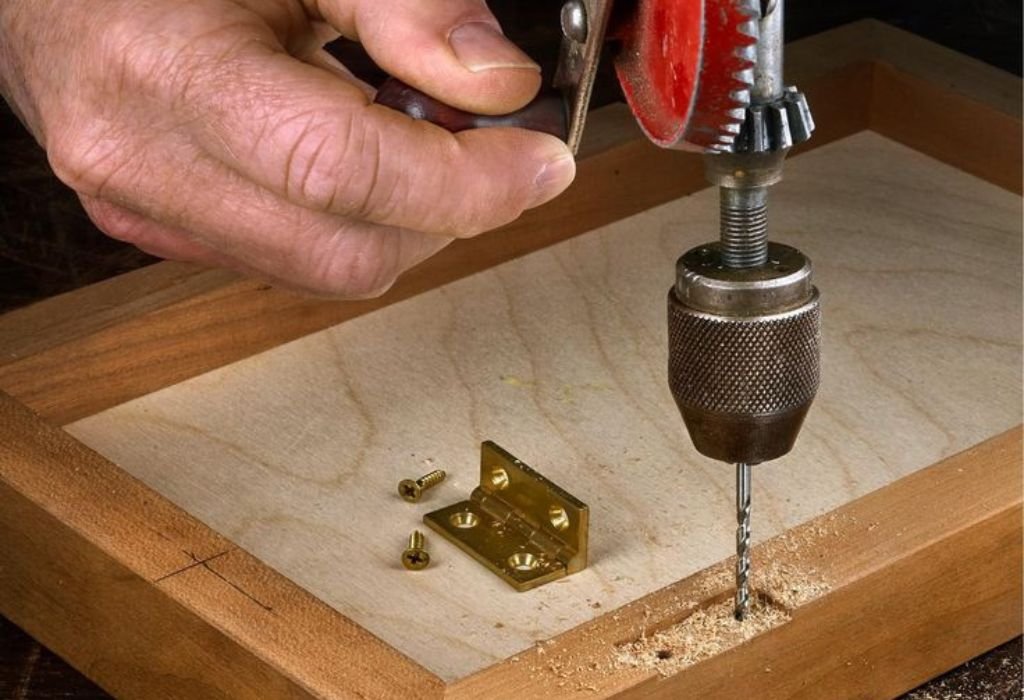
After drilling wood, clean your metal bits thoroughly. Wood resins and sawdust can stick to the flutes, reducing future performance. Wipe bits with a soft cloth and, if needed, a bit of rubbing alcohol to dissolve residue.
Inspect the tips for dullness or discoloration. Blue-tinted metal means overheating occurred, which weakens the steel. If dull, sharpen the bit using a fine grinder or replace it if worn beyond repair.
Store bits in a dry, labeled case to prevent rust. Avoid mixing them with wood bits to keep edges intact. Regular maintenance keeps your bits versatile for both wood and metal.
Can I sharpen HSS bits myself?
Yes, with a fine-grit wheel or bit sharpener.
Do I need to oil them after cleaning?
Lightly, to prevent corrosion.
Will wood resin damage coatings?
Over time, yes — clean immediately after use.
Can dull bits be reused?
Only for soft materials; not ideal for precision work.
Should I polish them before storing?
Optional, but it helps resist moisture.
Conclusion
So, can a metal drill bit be used on wood? Yes — but with care, patience, and the right expectations. While it’s not the best choice for smooth or decorative finishes, it works well for general drilling, pilot holes, or temporary projects.
Metal bits grind through fibers instead of slicing them, which can leave rough edges and heat marks. Still, by reducing speed, applying light pressure, and clearing sawdust often, you can get functional results without harming your tools.
The key takeaway is to always match your bit to your material whenever possible. But in a pinch, your metal drill bit can serve you well for wood tasks if handled wisely. With steady hands, sharp bits, and a little knowledge, even mismatched tools can deliver strong, clean results. Skill, not equipment, defines good craftsmanship.

I’m John F. Nicholas, the founder, lead writer, and drill enthusiast behind 101drill.com. With years of hands-on experience in power tools and DIY projects, I created this platform to share practical knowledge, expert tips, and real-world insights to help others master the art of drilling.