
You grab your drill, line up the board, and reach for a handful of screws — only to realize they’re self drilling screws meant for metal. You pause for a second and ask yourself, can these really work for wood too?
At first glance, self drilling screws look convenient. They cut through material without needing a pilot hole, saving time on projects. But when it comes to wood, using the wrong screw can cause splitting, poor grip, or even damage to your workpiece.
Many DIYers and carpenters face the same question. Some say self drilling screws make life easier, while others warn they’re not ideal for timber. The truth lies somewhere in between.
This guide explains how self drilling screws work, when they’re suitable for wood, and what types give the strongest, cleanest results for your carpentry projects.
What Are Self Drilling Screws and How They Work
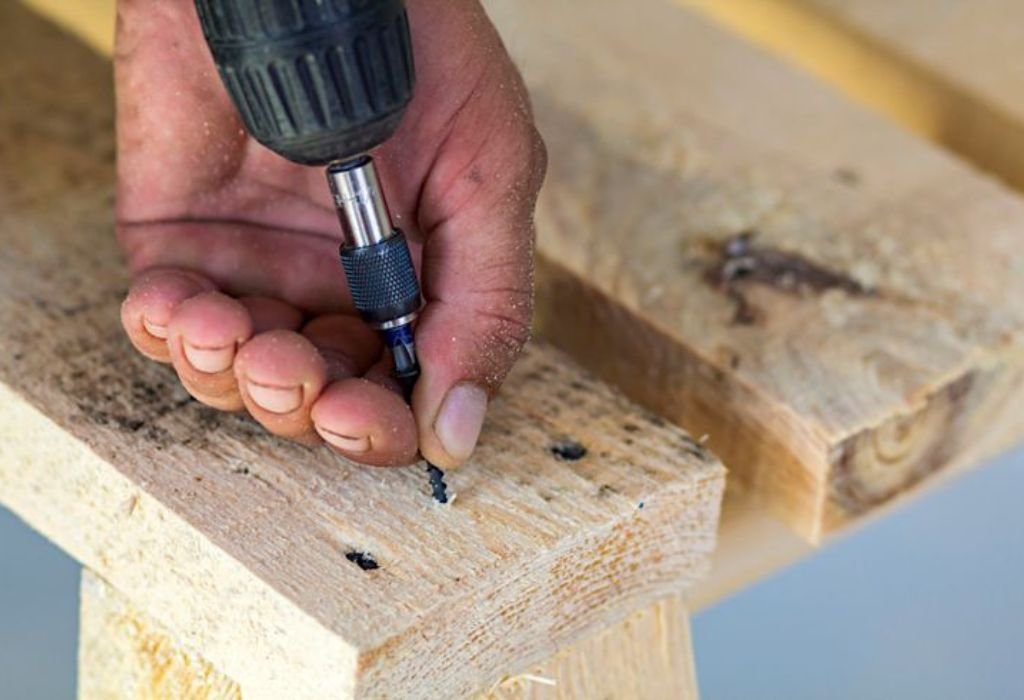
Self drilling screws are designed with a sharp drill-bit-style tip that cuts its own hole as it enters the material. This eliminates the need for a separate drill bit or pilot hole.
The front end of the screw acts like a miniature drill, while the threads immediately follow to secure the material. This design makes them especially useful for metal sheets, steel studs, and composite boards.
They save time by combining drilling and fastening in one step. Contractors use them widely in roofing, steel framing, and manufacturing for this reason.
Self drilling screws are usually made of hardened steel and often coated with zinc or ceramic for corrosion resistance. Some feature wings or flutes that help clear debris as they drive in.
However, wood behaves differently than metal. Its fibers compress and expand around threads, requiring screws designed to grip tightly without splitting.
That’s why not every self drilling screw suits wooden projects — but certain types can perform surprisingly well when used correctly.
Can You Use Self Drilling Screws in Wood
Yes, you can use self drilling screws in wood, but only under specific conditions. The key is matching the screw’s design to the density and grain of the wood.
For softwoods like pine, cedar, or spruce, self drilling screws can work fine because the fibers are easy to cut and compress. They drill smoothly without splitting the wood if inserted properly.
For hardwoods like oak, maple, or walnut, these screws may struggle. The dense fibers resist the drilling tip, causing heat buildup and possible snapping. Pre-drilling a small guide hole often helps in such cases.
The screw’s thread spacing also matters. Wide threads grip wood fibers better, while tight metal-style threads may strip out under pressure.
Choosing self drilling screws labeled specifically for wood ensures better results. These often feature deeper threads, sharper tips, and anti-split heads.
So yes — self drilling screws can be good for wood, as long as you select the right kind and use the correct driving technique.
Benefits of Using Self Drilling Screws in Wood Projects
One major advantage is speed. You don’t need a pilot hole, so installation time drops dramatically, especially when working with large batches.
They provide consistent results, which is useful in repetitive assembly work such as fencing, decking, or cabinetry.
Modern self drilling screws for wood include anti-split points that reduce cracking near the ends or edges of boards.
Another benefit is reduced tool switching. You can use a single drill driver bit for both drilling and fastening, saving time on setup.
When combined with the correct torque setting, these screws hold firmly without over-tightening or damaging the material.
Some types even include corrosion-resistant coatings that make them ideal for outdoor woodwork exposed to moisture.
In short, they offer efficiency, strength, and convenience — when matched to the right application.
Downsides of Using the Wrong Self Drilling Screws for Wood
The biggest risk is wood splitting. Screws designed for metal have narrow, fine threads that act like wedges, forcing wood fibers apart instead of gripping them.
Using metal-type self drilling screws can also result in poor holding strength. Since the threads don’t bite properly, joints can loosen over time.
In dense hardwoods, the drilling tip might overheat or break off entirely, especially with fast torque settings.
Self drilling screws also create larger entry holes in wood than standard wood screws. This can weaken thin boards or reduce clamping force.
If you’re using coated metal screws, their hard exterior can strip easily against wood’s softer grain, leading to shallow or misaligned fastening.
Aesthetically, their bulky heads sometimes sit unevenly on wood surfaces unless you countersink carefully.
Knowing these downsides helps you avoid common mistakes and ensures that self drilling screws perform as intended.
Best Types of Self Drilling Screws for Wood
When working with wood, choose self drilling screws made specifically for timber applications. These usually have wider, deeper threads to bite into wood fibers.
Type 17 point screws are among the best options. Their sharp cutting tips reduce splitting and eliminate the need for pre-drilling in most cases.
Self drilling deck screws are ideal for outdoor use. They’re coated to resist corrosion and designed to handle movement from moisture and temperature changes.
For interior carpentry, countersunk head screws create a flush surface for a neat finish. They’re perfect for furniture, cabinetry, and trim.
If you work with treated lumber, go for ceramic-coated or stainless steel screws to prevent rust.
In structural applications, washer head screws provide extra surface grip and distribute pressure evenly, reducing cracking.
Selecting the right type ensures your projects last longer, look cleaner, and remain sturdy under load.
Tips for Using Self Drilling Screws on Wood
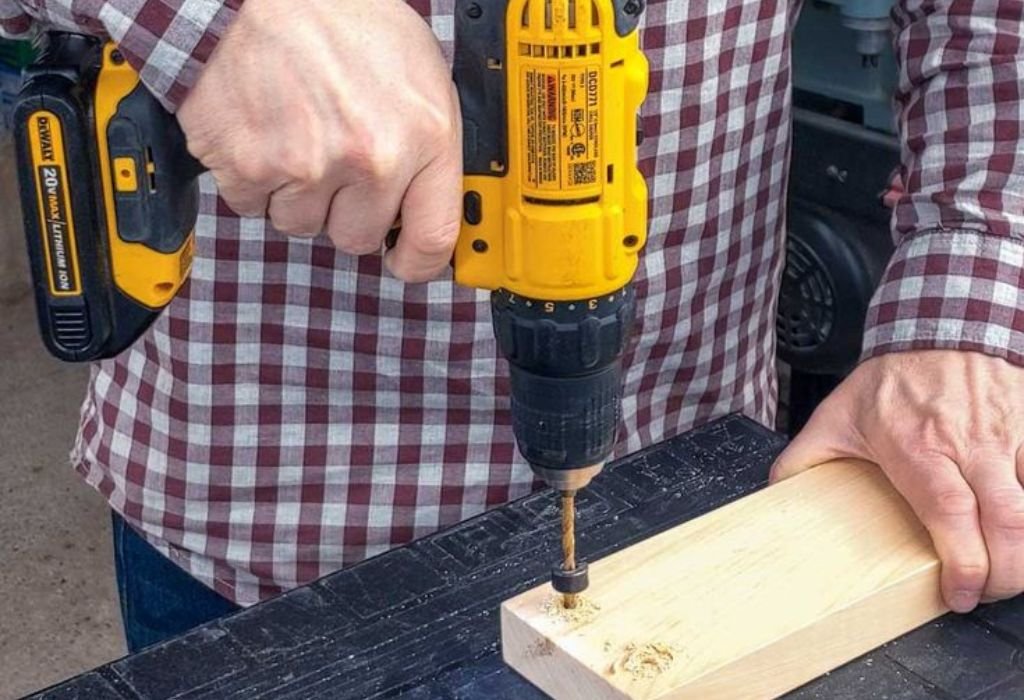
Start by using the correct driver bit that matches your screw head type. Stripped heads are a common frustration caused by mismatched bits.
Keep your drill speed moderate. High speed generates friction and heat, which can damage both screw and wood.
When working near the edge of a board, drill slowly to prevent splitting. If possible, drill a small pilot hole first, especially with hardwoods.
Always align screws perpendicular to the surface for maximum grip. Angled driving weakens holding strength and increases risk of surface cracking.
Use screws long enough to penetrate at least half the thickness of the second board for strong joints.
For outdoor projects, always use rust-resistant screws to prevent staining and corrosion.
These small adjustments make self drilling screws reliable and long-lasting, even in tough wooden materials.
Woodworking FAQs – Are Self Drilling Screws Really Good for Wood?
Are self drilling screws good for wood?
Yes, if they are designed for wood. Choose ones with wide threads and Type 17 points for best results.
Can self drilling screws split wood?
Yes. Metal-type screws can split wood fibers, especially near edges or ends of boards.
Do I need to pre-drill holes when using self drilling screws in wood?
Usually no, but for hardwoods, a small pilot hole prevents stress and improves accuracy.
What is the difference between self drilling and self tapping screws?
Self drilling screws create their own hole, while self tapping screws need a pilot hole first.
Can I use self drilling screws for hardwoods like oak or maple?
Yes, but go slowly and consider pre-drilling to prevent heat buildup and cracking.
Are self drilling screws stronger than regular wood screws?
Not necessarily. Strength depends on thread design, material, and application.
Do self drilling screws rust easily?
Cheap steel versions can. Always use coated or stainless screws for outdoor woodwork.
Why are my self drilling screws stripping in wood?
You may be using metal-type threads or driving at too high a speed.
Can I use self drilling screws for plywood or MDF?
Yes, but use fine-thread versions to prevent delamination or surface damage.
Should I use washers with self drilling screws in wood?
For structural or load-bearing connections, washers help distribute pressure evenly.
Are self drilling screws reusable?
Not usually. Reusing them weakens the threads and reduces holding power.
Do self drilling screws need countersinking in wood?
Sometimes. Countersinking gives a cleaner finish, especially for visible surfaces.
Why are my screws squeaking when driving into wood?
That’s friction from dry fibers. Slower speed or light lubrication solves it.
Can self drilling screws be painted or stained over?
Yes, but choose corrosion-resistant coatings to prevent bleed-through.
Are self drilling screws safe for treated wood?
Yes, as long as they’re stainless or ceramic-coated to resist chemical corrosion.
Conclusion
Self drilling screws can be excellent for wood when you use the right type and technique. They save time, reduce tool changes, and deliver clean results in softwoods and many general carpentry projects.
However, not all self drilling screws are equal. Using ones designed for metal can split wood, weaken joints, and damage your project.
Choosing high-quality screws with deep threads, sharp Type 17 points, and rust-resistant coatings ensures strength and longevity.
Regular maintenance, correct drill speed, and careful alignment also play key roles in achieving professional-grade results.
Whether you’re building furniture, decking, or simple home repairs, understanding how self drilling screws interact with wood will save time and deliver lasting quality.
Use them wisely — and your woodworking projects will stay solid, seamless, and secure for years.

I’m John F. Nicholas, the founder, lead writer, and drill enthusiast behind 101drill.com. With years of hands-on experience in power tools and DIY projects, I created this platform to share practical knowledge, expert tips, and real-world insights to help others master the art of drilling.