
You grab your drill, pick a bit from the box, and start working — only to see smoke rising or the hole turning rough and uneven. It’s one of those moments when you realize that not all drill bits are created equal.
Metal and wood drill bits might look similar at first glance, but they perform very differently once they meet the material.
Using a metal bit on wood can burn fibers, while a wood bit on metal can dull instantly. The secret lies in how each is designed to cut, cool, and remove debris. Choosing the correct type doesn’t just make holes cleaner — it protects your tools and materials from damage.
Whether you’re a DIY builder or a weekend craftsman, understanding these differences saves time, effort, and frustration. This guide breaks down how each bit works, how to tell them apart, and when you can safely interchange them.
By the end, you’ll never have to guess again which drill bit fits the job — your projects will look cleaner, cut faster, and last longer.
Understanding the Purpose of Drill Bit Types
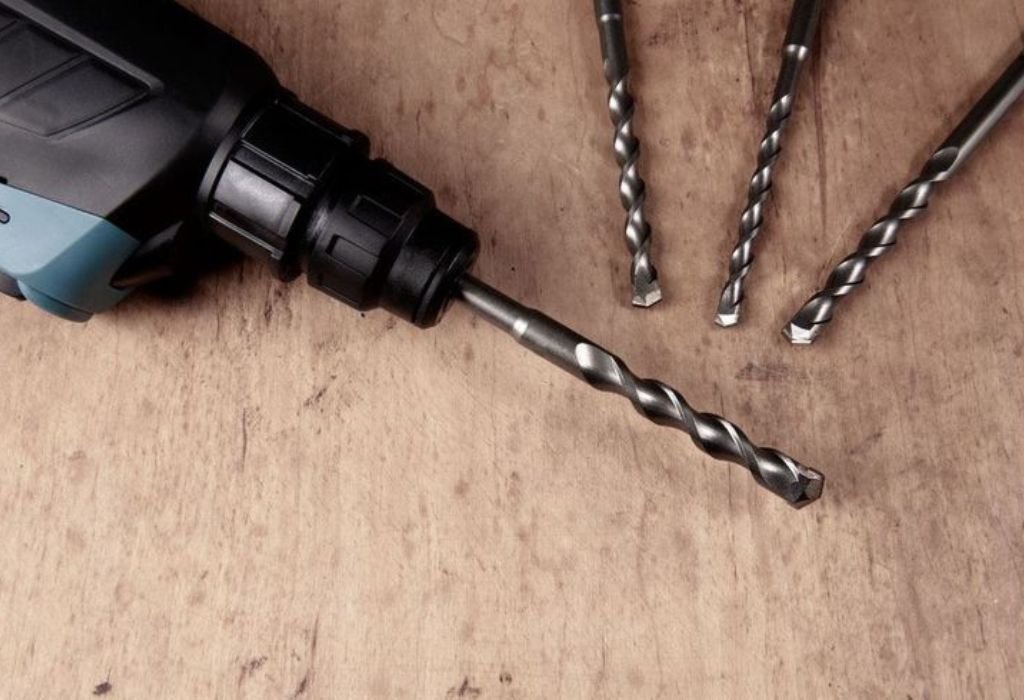
Drill bits are designed with specific materials in mind. A wood bit is built to cut through soft, fibrous material, while a metal bit must grind through dense, hard surfaces. Each type has unique geometry that optimizes speed and control.
Wood drill bits usually feature a sharp center point, called a brad, which anchors the bit in place and prevents slipping. Their outer spurs slice wood fibers cleanly before the main edge removes the core, leaving smooth holes.
Metal drill bits, typically made from high-speed steel (HSS) or cobalt, rely on a chisel edge that grinds through metal layers. They don’t have brad points because precision comes from gradual cutting rather than piercing.
Using the wrong bit type can cause poor results or permanent damage to your drill and workpiece. Always match the bit to the material before starting.
Key Differences Between Metal and Wood Drill Bits
The main difference lies in tip design, material composition, and cutting angle. Wood bits use sharp points for accuracy and cleaner edges, while metal bits use flat tips that handle friction and heat.
Wood bits are generally longer, with wide flutes that eject wood chips quickly. Metal bits have tighter flutes, designed for slow removal of metal shavings to maintain temperature control.
Metal bits are harder and often coated with titanium or black oxide for heat resistance. Wood bits are usually uncoated since wood produces little heat when drilled properly.
Can I use a wood bit on metal?
No, the tip dulls immediately and may bend.
Can a metal bit drill wood?
Yes, but it will leave rough edges and burn marks.
Why are wood bits longer?
To reach through thick boards and keep alignment stable.
Do both bits fit standard drills?
Yes, as long as the shank matches your drill chuck.
Are coatings important?
Yes, they reduce friction and extend metal bit lifespan.
When to Use Metal Drill Bits
Metal drill bits are built for strength and endurance. They work best on steel, aluminum, brass, iron, and other hard materials that resist cutting. Their cutting edges are ground to withstand high friction without losing sharpness.
If you frequently drill through metal or mixed materials, invest in cobalt or titanium-coated bits. Cobalt bits handle stainless steel and cast iron exceptionally well, while titanium bits are lighter and resist wear.
Always use lubricating oil when drilling metal. It cools the bit, prevents overheating, and produces smoother holes.
Set your drill to a low speed with steady pressure, allowing the bit to bite gradually rather than forcefully. Over-speeding can create sparks or warp the tip.
Metal drill bits are essential in any workshop — they bring precision and durability to jobs that wood bits simply can’t handle.
When to Use Wood Drill Bits
Wood drill bits are optimized for clean, fast holes with minimal tear-out. The brad point at the tip ensures precise positioning, while sharp outer spurs cut fibers before the center clears waste.
These bits excel in softwoods, hardwoods, and composite boards. For deep holes, long flutes quickly remove sawdust to prevent clogging.
For furniture, cabinetry, or framing projects, wood bits deliver superior results compared to general-purpose or metal bits. They’re also easier to control at higher drill speeds.
When working on plywood or veneer, always drill from the finished side to avoid splintering.
Wood bits are simple, affordable, and designed for the cleanest cuts — perfect for carpentry and decorative projects alike.
Can You Use One Bit for Both Wood and Metal?
Technically, yes — but it’s not ideal. While a metal bit can cut through wood, it doesn’t produce clean edges. It grinds rather than slices, leaving burn marks and rough surfaces.
Wood bits, on the other hand, can’t handle metal. Their sharp tips dull instantly against hard surfaces, making them unusable afterward.
If you often work with both materials, multi-purpose bits are a better choice. These are hybrids with modified flutes and coatings that allow moderate drilling in both wood and light metal.
Still, specialized bits always perform better. For professional-quality holes, match the bit to the material every time.
Can I drill through metal then wood?
Yes, start slow and use a lubricant when hitting metal.
Will a combo bit damage softwood?
No, but results won’t be as clean as with a brad point.
Is it okay to use impact drivers?
Yes, if bits are impact-rated.
Do I need oil for wood?
No, but oil is mandatory for drilling metal.
How can I tell if a bit is dull?
Slipping, smoke, or uneven holes mean it’s time to replace it.
How to Identify Drill Bits at a Glance
Telling metal and wood bits apart becomes easy with practice. Wood bits have a pointed brad tip and sharp outer edges. Metal bits have a flatter tip and are often shorter, with thicker shafts for durability.
Check color as well — titanium or black oxide coatings usually mean metal bits. Wood bits tend to be silver or uncoated.
You can also inspect the flutes. Wood bits have deep, wide spirals for sawdust removal, while metal bits have narrow flutes designed to eject small shavings slowly.
Keep bits labeled or stored in separate boxes to avoid confusion. Misusing one even once can ruin its sharpness permanently.
Maintenance Tips for Long-Lasting Drill Bits
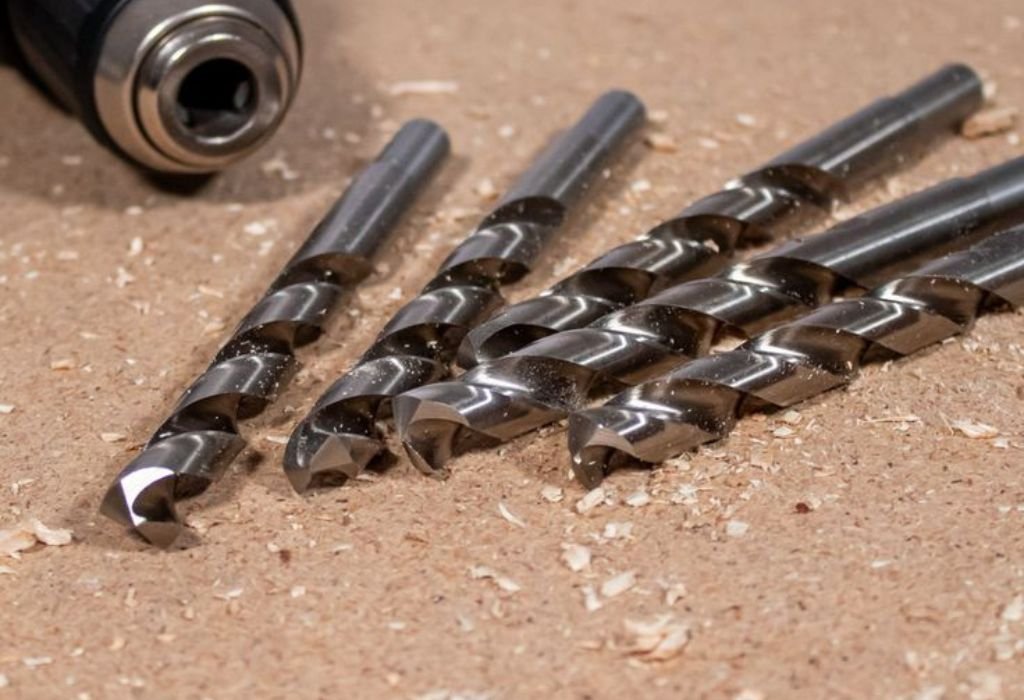
Proper care keeps your bits sharp and reliable. Always clean bits after each use, removing dust or oil residue. For metal bits, wipe them with a light layer of machine oil to prevent rust.
Sharpen dull bits using a bench grinder or bit sharpener. A sharp edge reduces friction and drilling time while improving accuracy.
Avoid dropping bits or mixing them with nails and screws — even small chips affect performance. Store them in a protective case or magnetic rack.
When bits show blue discoloration or excessive wear, it means they’ve overheated and should be replaced. A well-maintained set can last years with the right habits.
Can I sharpen wood bits too?
Yes, lightly file the edges with a fine tool.
Do metal bits lose coating over time?
Yes, especially if overheated or used dry.
Should I oil wood bits?
Not necessary — just keep them clean and dry.
How often should bits be replaced?
When they smoke, skip, or dull — typically after heavy use.
Do all bits rust?
Only carbon-steel types; coated bits resist corrosion better.
Conclusion
Metal and wood drill bits may look similar, but their design tells a different story. Each serves a unique purpose, using tip shape, cutting angle, and material hardness to perform its job efficiently.
Knowing which one to use prevents frustration, saves time, and keeps your tools in top shape.
A metal bit cuts through steel with grinding precision, while a wood bit slices cleanly through fibers for smooth, tear-free holes. Mixing them might work temporarily, but results will always fall short.
Treat your drill bits like specialty tools — select wisely, maintain them well, and store them properly. The result is cleaner holes, longer tool life, and a better finish on every project.
With the right bit in hand, your drill becomes a precision instrument that turns effort into craftsmanship.

I’m John F. Nicholas, the founder, lead writer, and drill enthusiast behind 101drill.com. With years of hands-on experience in power tools and DIY projects, I created this platform to share practical knowledge, expert tips, and real-world insights to help others master the art of drilling.