
You reach for your drill and spot a set of shiny cobalt bits — durable, heavy, and perfect for metal. But then you hesitate before drilling into a wooden board. The question pops up instantly: are cobalt drill bits actually good for wood?
Cobalt bits are famous for cutting through stainless steel, cast iron, and other tough materials. They’re built for heat resistance and long life under heavy pressure. But wood behaves very differently — it’s softer, fibrous, and sensitive to friction and speed.
Using the wrong bit can burn the surface, cause splintering, or leave oversized holes. That’s why knowing when and how to use cobalt bits on wood makes a big difference.
This guide explores whether cobalt bits are suitable for wood, their pros and cons, and how to get clean, precise holes without damaging your material.
What Are Cobalt Drill Bits and How They Work
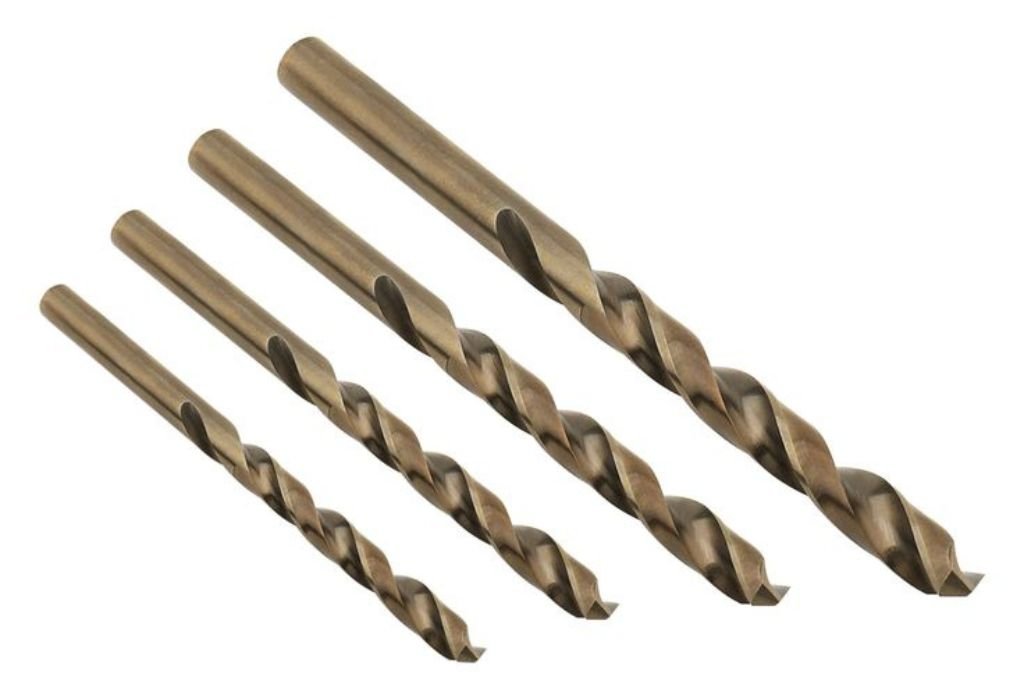
Cobalt drill bits are made from high-speed steel infused with cobalt alloy, usually between 5% and 8%. This combination increases hardness and allows the bit to withstand high heat without losing its edge.
They’re designed for drilling through hard metals — stainless steel, titanium, and cast iron. The cobalt keeps the cutting edge sharp even under friction.
These bits often have a split-point tip that starts cutting immediately without wandering, perfect for tough surfaces.
Their gold or bronze color isn’t paint — it’s the natural result of the heat-treating process that improves durability.
Because cobalt bits hold up under stress, they last much longer than standard steel bits when used on hard materials.
However, when drilling into wood, the same hardness that makes them strong can also make them overly aggressive. Wood doesn’t need that level of toughness, and excessive speed can lead to overheating.
So while cobalt bits are powerful, using them on wood requires extra care and control.
Can You Use Cobalt Drill Bits for Wood
Yes, you can use cobalt drill bits for wood, but it’s not always ideal. Cobalt bits are designed to handle dense materials, while wood requires precision and minimal friction.
In softwoods like pine or cedar, cobalt bits can work fine if you keep the drill speed low and pressure gentle. They’ll produce clean holes and resist wear over time.
In hardwoods, though, problems arise. The high hardness of cobalt bits can cause burn marks around the hole due to heat buildup. Wood fibers may also tear instead of cutting smoothly.
Because cobalt bits are more brittle than regular wood bits, forcing them through knots or thick grains increases the risk of breakage.
The key is to use the right speed and keep the bit cool. Short bursts of drilling, followed by clearing chips, prevent heat damage.
So yes — cobalt bits can drill wood, but they’re not your first choice for woodworking projects where smooth finishes matter most.
Differences Between Cobalt and Regular Wood Drill Bits
The biggest difference lies in design and purpose. Wood drill bits usually have a sharp point and wide flutes to pull out chips quickly, preventing burning and clogging.
Cobalt bits, on the other hand, have shorter cutting edges and are built to grind through metal, not slice through fibers.
Wood bits often include a brad point that centers the bit and keeps it steady while entering the surface. Cobalt bits lack this, so they can wander when starting on smooth wood.
Cobalt bits also feature a shallower flute angle, meaning they don’t clear sawdust efficiently. This leads to friction and potential scorching.
However, cobalt bits outperform regular bits in durability. If you frequently switch between wood and metal, they’re an all-purpose solution for quick jobs.
In short, cobalt bits are more heat-resistant and durable, but wood bits give cleaner, smoother, and safer results in lumber.
When It Makes Sense to Use Cobalt Bits on Wood
If you’re working on a mixed-material project, cobalt bits make perfect sense. For example, drilling through wood that’s attached to a metal frame or bracket requires a strong, versatile bit.
They’re also handy when working with treated lumber that contains chemicals or minerals. The toughness of cobalt prevents dulling or corrosion.
Cobalt bits work well for pilot holes in dense hardwoods if you drill slowly. They maintain sharpness longer than standard high-speed steel bits.
If your regular wood bits are worn out, cobalt ones can temporarily step in without issue — just remember to lower your RPMs.
For outdoor or construction work where precision finish isn’t critical, cobalt bits provide durability and consistency.
Essentially, cobalt bits are great for utility drilling, not fine woodworking. Use them when practicality matters more than aesthetics.
Tips for Using Cobalt Drill Bits on Wood Safely
Start by setting your drill to a low-to-medium speed. Too much speed generates heat and burns the wood surface.
Use light, steady pressure. Let the bit do the work — forcing it only increases friction and dulls the edge faster.
Clear sawdust often. Stop every few seconds to pull out the bit and remove debris from the hole.
If possible, mark the spot with an awl or small pilot hole before drilling. This prevents wandering since cobalt bits lack a brad point.
For large holes, step up gradually using smaller bits first. This reduces stress and helps you maintain control.
If the bit feels hot, let it cool before continuing. Overheating can discolor both the bit and the wood.
Finally, avoid drilling near edges or knots at high speed. The hardness of cobalt bits may cause splitting or chipping in delicate areas.
Best Drill Bit Types for Wood Instead of Cobalt
For cleaner and smoother holes, specialized wood bits are better options. Brad point bits are ideal for accuracy and clean entry points.
Spade bits work well for larger holes and are excellent for framing or rough carpentry.
For fine woodworking, Forstner bits create flat-bottomed holes without splintering.
If you frequently work with softwood, auger bits offer great chip removal and depth control.
When drilling both metal and wood occasionally, use combination bits marked for “multi-material.” They handle both without overheating.
Cobalt bits remain valuable for heavy duty and long life, but when your goal is a flawless finish, wood-specific bits always win.
Choosing the right type of bit ensures your drill lasts longer and your projects look professional every time.
Common Questions About Using Cobalt Drill Bits on Wood
Are cobalt drill bits good for wood?
They can be used on wood, but they’re designed for metal and can burn soft materials if used too fast.
Can cobalt drill bits damage wood?
Yes. High speed and friction can cause burn marks or splintering on softwood surfaces.
What’s the difference between cobalt and wood drill bits?
Cobalt bits are made for metal, while wood bits have sharp brad points and wider flutes for chip removal.
Can I use cobalt bits for hardwoods?
Yes, but drill slowly and clear debris often to prevent overheating.
Why does my wood smoke when drilling with cobalt bits?
You’re likely drilling too fast. Lower speed and pull the bit out occasionally to cool it.
Do cobalt drill bits stay sharp longer?
Yes. They maintain sharpness even under high heat and heavy use.
Should I pre-drill before using cobalt bits on wood?
For clean results, yes — a small pilot hole helps prevent wandering.
Are cobalt drill bits stronger than wood bits?
They’re harder and more heat-resistant, but not necessarily better for wood.
Can I use cobalt bits for plywood?
Yes, but go slow to avoid tearing the thin layers.
Do cobalt bits rust easily?
No. Their alloy composition resists corrosion better than standard steel.
Are cobalt drill bits worth buying for general projects?
If you often work with metal and occasional wood, absolutely — they’re a durable all-rounder.
Can I sharpen cobalt drill bits?
Yes, using a bench grinder or bit sharpener. Cobalt bits handle multiple sharpenings well.
Why do cobalt bits have a bronze color?
That’s from heat-treating, not paint — it increases strength and heat resistance.
Can I use lubricant when drilling wood?
Not needed. Just clear sawdust to prevent friction. Lubricant is only for metal work.
When should I avoid using cobalt bits?
Avoid them for precision joinery or softwoods where finish quality is critical.
Conclusion
Cobalt drill bits are incredibly tough and durable, but they’re not the perfect match for wood. Their hardness and heat resistance make them great for metal, yet overkill for softer materials.
If used with low speed and light pressure, they can perform well for small projects or when drilling through both wood and metal.
However, for clean, precise, and splinter-free holes, dedicated wood bits are still the best option. The right bit type always depends on your project’s material and finish requirements.
When in doubt, keep cobalt bits for the heavy work and use wood bits for finesse. By understanding their strengths and limits, you’ll drill smarter, cleaner, and more efficiently every time.
Use cobalt bits carefully — and they’ll serve you for years without dulling or breaking, even across multiple materials.

I’m John F. Nicholas, the founder, lead writer, and drill enthusiast behind 101drill.com. With years of hands-on experience in power tools and DIY projects, I created this platform to share practical knowledge, expert tips, and real-world insights to help others master the art of drilling.