
You pick up a pack of self-drilling screws, look at your wooden project, and wonder — will these work here? They promise “no pre-drilling required,” which sounds perfect when time is short. You’ve seen them used in metal and composite materials, but wood seems different.
Many builders, carpenters, and DIYers face the same question. Self-drilling screws look strong and convenient, but not all types are made for wood fibers. Using the wrong kind can cause stripping, cracking, or weak joints. The key is understanding how these screws work and how they interact with wood grain and density.
Self-drilling screws combine a drill bit tip and screw thread into one tool. They cut their own pilot hole while threading, saving you a separate drilling step. When used correctly in the right kind of wood, they can be efficient and reliable.
This guide explains exactly how self-drilling screws work, whether they’re safe for wood, what types perform best, and when pre-drilling is still worth doing. By the end, you’ll know how to use them properly for solid, lasting results.
Understanding Self-Drilling Screws
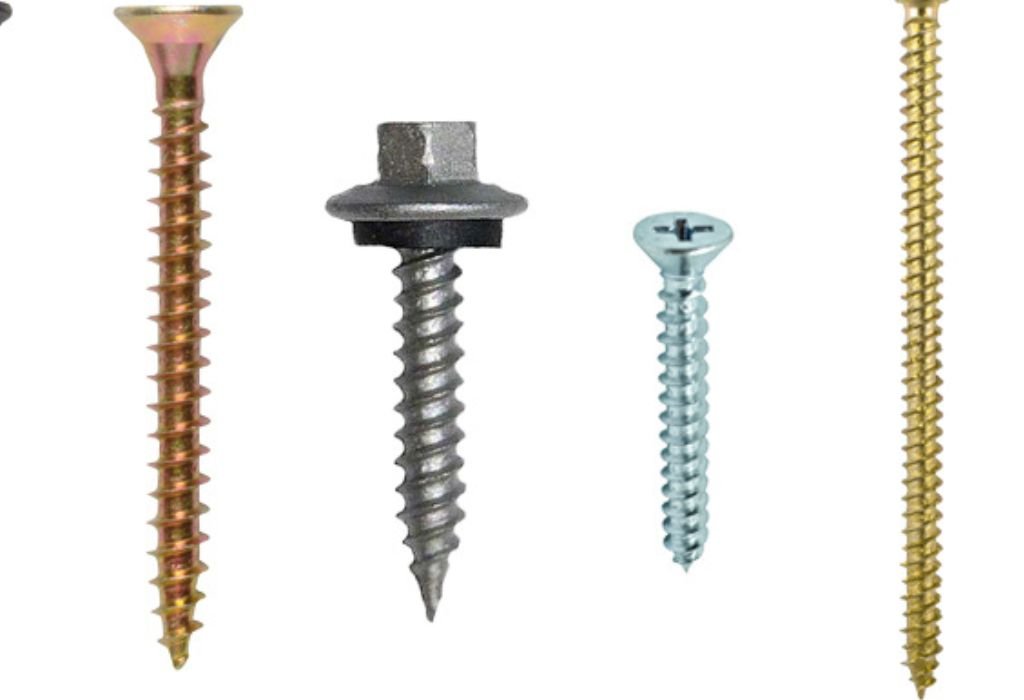
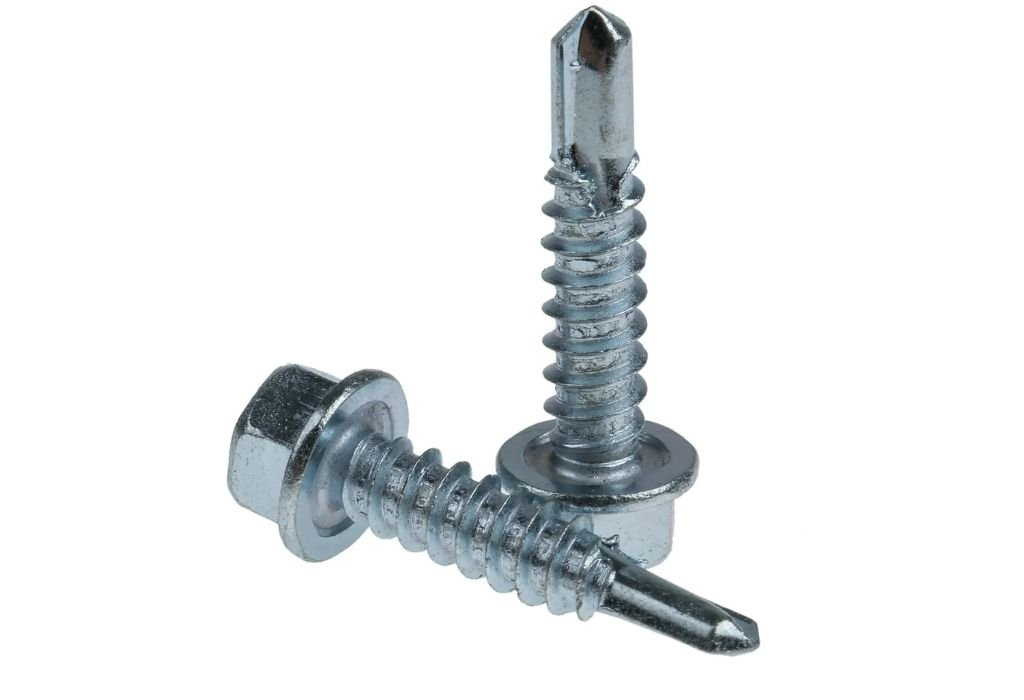
Self-drilling screws, often called Tek screws, are designed to cut through material without the need for a separate pilot hole. Their tips resemble small drill bits that carve a hole as you drive them in, while the threaded body follows behind to secure the material.
These screws were originally made for sheet metal, aluminum, and composite materials, but variations now exist for wood and plastic. The key advantage is time-saving — one screw does two jobs.
For wood, however, the fibers behave differently than metal. They compress and expand, which means drilling too aggressively can split the grain. That’s why wood-rated self-drilling screws are manufactured with wider threads, sharper tips, and specific coatings to reduce friction and heat.
In softwood applications like pine or cedar, they perform exceptionally well. In hardwoods such as oak or maple, pre-drilling may still be necessary to prevent cracking.
Understanding these distinctions helps you choose the right self-drilling screw for your project instead of relying on one universal type.
Can You Use Self-Drilling Screws in Wood?
Yes, you absolutely can — but it depends on the type of self-drilling screw and the type of wood. Self-drilling screws made specifically for wood have sharper tips, coarser threads, and often feature a self-tapping section that helps the screw pull itself through fibers smoothly.
For softwoods, you can drive self-drilling screws directly without a pilot hole. They cut through easily, holding tightly without splitting. For hardwoods, however, it’s safer to drill a small pilot hole first — this guides the screw and reduces tension on dense fibers.
Use a variable-speed drill with a clutch setting to control torque. Overdriving can strip the hole or snap the screw. Always keep pressure steady and straight to avoid sideways stress on the wood.
Are all self-drilling screws safe for wood?
No, only those labeled for wood applications.
Do they work on hardwoods?
Yes, but pilot holes are still recommended.
Can I use them in outdoor projects?
Yes, if they’re coated or stainless steel to resist rust.
Will they split softwood?
Rarely, but over-tightening can cause cracks near edges.
Do they hold as strong as regular screws?
Yes, if properly installed and matched to the right material.
Types of Self-Drilling Screws for Wood Projects
Self-drilling screws for wood come in several varieties, each designed for different purposes. Wood-to-wood screws have sharp, pointed tips and coarse threads for quick penetration into softwood. Wood-to-metal screws include a drill-point tip for attaching wood to steel frames or brackets.
For exterior projects like decks or fences, coated or galvanized screws are ideal. They resist rust and weather damage. Stainless steel self-drilling screws work best for moisture-prone areas such as bathrooms or outdoor furniture.
When working with hardwoods, choose self-tapping hybrid screws — they combine cutting tips with smaller threads for better control. This helps the screw advance smoothly without splitting the wood.
The right choice depends on your project’s density, exposure, and finish. Always check the packaging for material compatibility. Using the wrong screw type often leads to stripped holes or poor holding strength.
How Self-Drilling Screws Work in Wood
Self-drilling screws perform two actions simultaneously — drilling and fastening. As the drill-like tip spins, it removes wood fibers to form a pilot hole, while the threads immediately follow, anchoring the screw in place.
This process works efficiently in soft and medium-density wood because the fibers compress easily. However, in hardwoods, the high resistance creates heat and friction that can blunt the screw tip or damage the threads.
The secret to successful drilling is speed and pressure. Always use moderate RPMs and steady, consistent pressure. Going too fast burns the wood and dulls the tip, while too much force can cause the screw to seize or snap.
For added strength, you can apply a bit of wax or soap to lubricate the threads. This makes insertion smoother and reduces stress on both the screw and the wood.
Advantages of Using Self-Drilling Screws in Wood
The biggest advantage of self-drilling screws is efficiency. They eliminate the need for pilot holes, saving time during repetitive assembly tasks like framing, decking, or cabinetry.
They also offer tight, consistent fastening, since the integrated drill tip ensures a clean start without wandering. This precision makes them ideal for fast-paced construction and DIY projects.
Additionally, self-drilling screws reduce tool changes — you only need one drill and one bit to complete both drilling and fastening. Their wide threads and strong grip make them reliable even under vibration or load.
When used properly, they create minimal surface damage and ensure a professional finish. Combined with corrosion-resistant coatings, they perform well indoors and outdoors.
Self-drilling screws are truly a time-saver for anyone looking to balance speed and strength in woodworking.
Common Mistakes When Using Self-Drilling Screws in Wood
Even though they’re designed for convenience, self-drilling screws can cause problems when misused. The most common mistake is using metal-rated screws on wood. These screws have fine threads that strip fibers instead of gripping them.
Another issue is overdriving, where the screw head sinks too deep and weakens the hold. This often happens with softwoods if torque isn’t controlled.
Skipping pilot holes in hardwoods is another frequent error — it leads to cracking, dulling, or stuck screws. Also, failing to align the screw straight can cause thread damage and uneven joint pressure.
Finally, neglecting to use coated or stainless screws outdoors leads to corrosion, which weakens the wood around the screw over time.
Can I reuse self-drilling screws?
Not recommended — threads may dull after removal.
Do I need a specific drill for them?
Any variable-speed drill works fine.
Can I use an impact driver?
Yes, but keep torque settings low.
Why do my screws smoke?
You’re drilling too fast or with too much pressure.
How far apart should I place screws?
Space them at least twice their length apart for even strength.
Safety Tips for Using Self-Drilling Screws
Safety starts with preparation. Always wear eye protection to guard against flying wood chips or metal flakes. Even small splinters can cause serious injury at drilling speed.
Secure your workpiece firmly with clamps or a vise to prevent movement. A shifting board can cause the drill to slip, strip threads, or damage the material.
Use a steady, moderate speed to prevent overheating. If you notice smoke or a burning smell, stop immediately and allow the screw to cool. Overheating not only weakens the screw but also damages surrounding wood fibers.
Avoid holding small pieces of wood by hand while driving screws — they can twist unexpectedly. Keep fingers clear of the bit path at all times.
Work in a well-lit area and keep bits sharp. A dull or bent screw tip can slip out and cause injury. Taking small safety steps ensures both precision and protection.
Conclusion
Self-drilling screws can absolutely be used in wood when chosen and applied correctly. Their built-in drill tip makes them fast, convenient, and ideal for repetitive projects.
But understanding the type of screw, wood density, and proper driving technique ensures long-lasting strength and prevents damage.
For softwoods, you can drive them directly. For hardwoods, a small pilot hole adds safety and control. Always check screw labeling — “for wood” means the threads and tip are optimized for fiber cutting, not just metal piercing.
By matching your screw to your material, you’ll enjoy faster installation, cleaner finishes, and stronger joints. Self-drilling screws save time, but careful use keeps your craftsmanship professional and precise. Every project benefits when speed and skill work together.

I’m John F. Nicholas, the founder, lead writer, and drill enthusiast behind 101drill.com. With years of hands-on experience in power tools and DIY projects, I created this platform to share practical knowledge, expert tips, and real-world insights to help others master the art of drilling.