
You notice small, round holes scattered across your wooden furniture, deck, or beams. At first, they look harmless — like little nail marks or pinheads. But soon, fine powder gathers beneath them, and you realize something is quietly eating your wood from the inside out.
These mysterious holes aren’t caused by tools or accidents. They’re made by insects that drill, burrow, and nest inside wood. Though tiny, these pests can cause massive damage over time, hollowing out structures that appear solid on the surface.
Most homeowners encounter this problem in humid seasons or older homes with untreated wood. From carpenter bees buzzing around your porch to powderpost beetles leaving dust trails, these insects each have unique behaviors and warning signs.
Understanding which pest you’re dealing with is the first step to protecting your home or furniture.
This guide covers the most common wood-boring insects, how to identify their holes, how to stop active infestations, and ways to prevent future attacks. By the end, you’ll know exactly what’s eating your wood — and how to make it stop.
Common Insects That Drill Holes in Wood
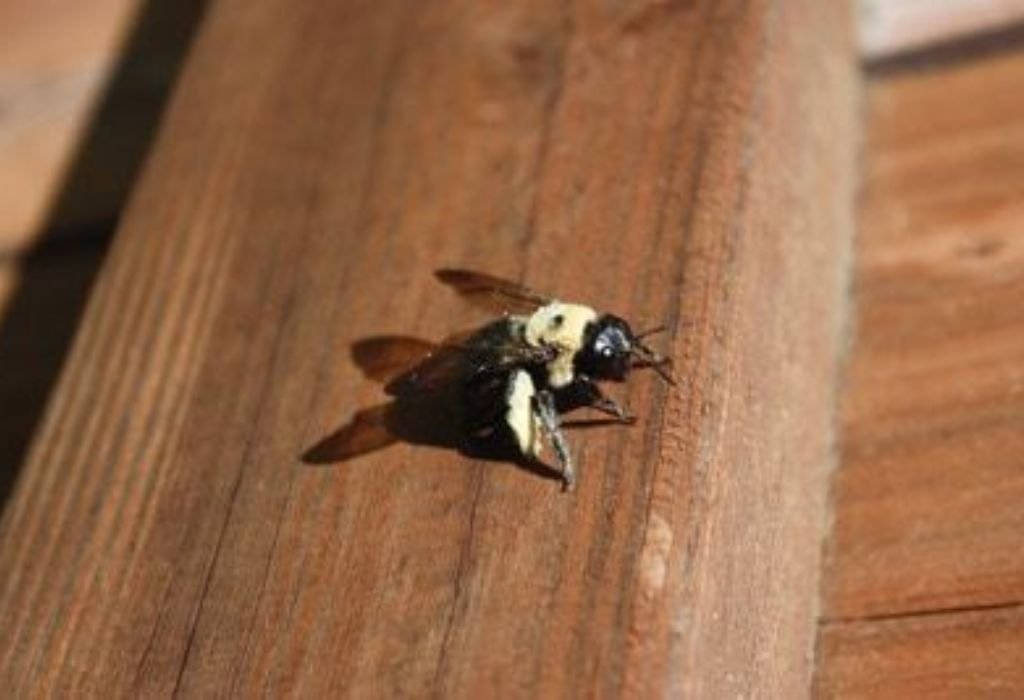
Several insects are known for drilling holes in wood, each with distinct signs of activity. The most common offenders include carpenter bees, powderpost beetles, carpenter ants, and termites.
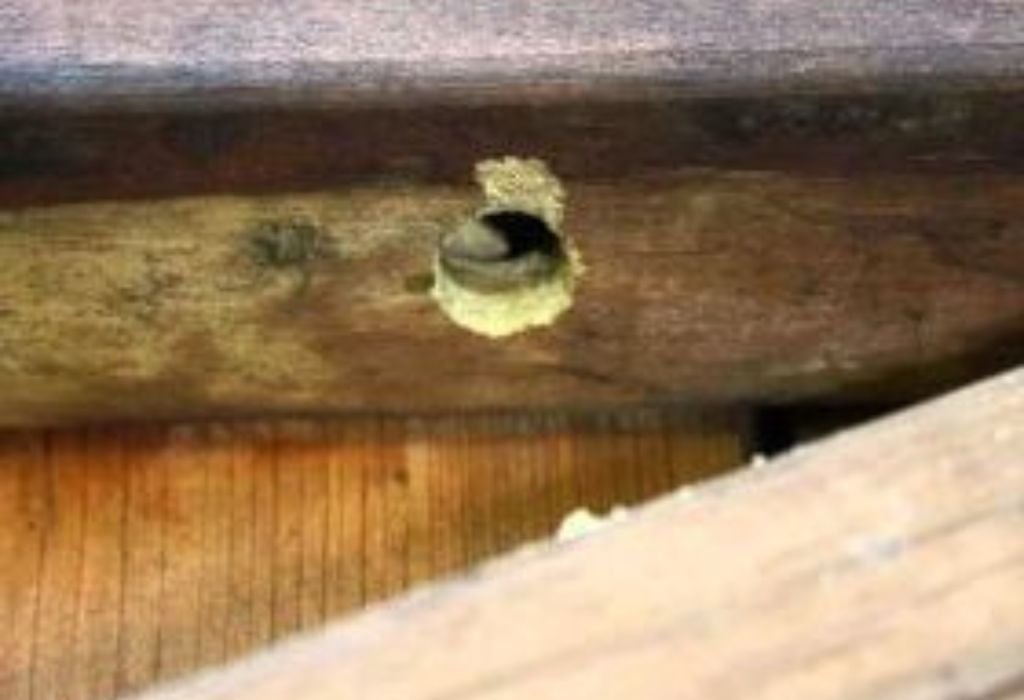
Carpenter bees drill smooth, round holes about half an inch wide, often under decks or eaves. They don’t eat the wood but tunnel into it to build nests.
Powderpost beetles create tiny pin-sized holes with fine sawdust called frass beneath them. These beetles can live inside wooden items for years, silently weakening them.
Carpenter ants prefer damp, decayed wood, where they carve tunnels to build colonies. Their holes often appear near window frames or baseboards.
Termites, the most destructive of all, consume wood as food. Their tunnels run deep within structures, often leaving mud tubes or hollow-sounding walls behind.
Each insect requires different treatment, so identifying the type of hole — its size, location, and residue — is crucial before taking action.
Are these insects active year-round?
Most are more active in spring and summer when humidity is high.
Do all wood holes mean an infestation?
Not always — old holes may be inactive but should still be sealed.
Can multiple insect species infest the same wood?
Yes, especially if the wood remains damp or untreated for long periods.
Is wood damage reversible?
Minor infestations can be repaired, but severe damage may require replacement.
Do painted surfaces protect against insects?
Yes, sealing or painting wood deters many borers from nesting or chewing.
Carpenter Bees — The Buzzing Wood Drillers
Carpenter bees are among the most noticeable insects that drill into wood. Unlike termites, they don’t eat the material — they excavate tunnels to create nests. You’ll often spot them hovering near wooden decks, fences, or eaves in spring.
Their entry holes are perfectly round, about the size of a pencil eraser, and usually found on unpainted or weathered wood. Inside, female carpenter bees tunnel deep, laying eggs in separate chambers. Over time, repeated nesting weakens beams and causes structural wear.
Woodpeckers often peck at these tunnels to eat larvae, making the damage worse. You might hear light tapping or buzzing sounds around affected areas.
To prevent infestations, paint or seal exposed wood surfaces. Carpenter bees dislike treated wood and rarely bore into painted areas.
For active nests, plug the holes with wood putty after the bees leave in late summer. Using bee-specific insecticide dust before sealing ensures no larvae remain inside.
Carpenter bees are generally solitary, but a few females can create dozens of tunnels in the same area — enough to weaken support beams or trim.
Powderpost Beetles — The Silent Wood Destroyers
Powderpost beetles are small but cause long-term structural damage. They lay eggs on the surface of unfinished wood, and when larvae hatch, they bore inside and feed on starch within the fibers.
Over months or even years, these larvae tunnel throughout the wood, emerging as adults through tiny, round exit holes. Beneath these holes, you’ll often find fine, powdery dust — the signature “frass” of an active infestation.
Powderpost beetles prefer hardwoods like oak, ash, or bamboo. They commonly attack furniture, flooring, and old beams. Since they live hidden inside, most damage goes unnoticed until multiple exit holes appear.
Controlling these beetles requires lowering humidity levels and sealing or finishing all exposed wood surfaces. Chemical insecticides designed for wood penetration can stop active larvae.
Preventing re-infestation is equally important — always store lumber or antique wood in dry, ventilated areas. Powderpost beetles thrive in moisture and untreated surfaces, so dryness is your best defense.
Signs You Have Active Wood-Boring Insects
Spotting a few holes in wood doesn’t always mean insects are active, but certain patterns and signs can confirm a live infestation. One of the most telling indicators is the presence of fresh sawdust or powder beneath wooden furniture, beams, or walls. This dust, called frass, appears when insects are still tunneling through the wood.
You may also notice new holes forming over time or hear faint tapping or rustling inside walls during quiet hours. Carpenter ants and beetle larvae make subtle sounds while chewing wood fibers. Active carpenter bees often hover around the same wooden surface repeatedly, especially in spring when nesting begins.
Another key sign is fragile or hollow-sounding wood. When you tap on an infested board, it may sound empty inside or crumble easily at the edges. In advanced cases, wooden furniture may sag, paint may blister, or small exit holes may appear near joints and corners.
If you suspect an infestation, avoid sealing the holes immediately. Doing so can trap insects inside, causing further damage. Instead, confirm activity before applying any treatment.
Is fresh sawdust always a sign of insects?
Yes, especially if the pile reappears after cleaning.
Do inactive holes need to be treated?
No, but they should be sealed to prevent reinfestation.
Can I hear insects moving in wood?
Yes, termites and ants can create faint tapping or chewing sounds.
Are all holes round?
No, carpenter ants and termites often leave irregular openings.
Does frass color identify the insect?
Yes, light tan or fine powder indicates beetles, while coarse dust points to ants.
Carpenter Ants — The Night Workers of Damp Wood
Carpenter ants don’t eat wood but chew through it to build smooth tunnels for nesting. They prefer moist or decaying wood, often near leaky pipes, basements, or exterior siding.
These ants are nocturnal, so you may hear faint rustling inside walls at night. Their entry holes are irregular and accompanied by sawdust-like shavings, unlike the fine powder from beetles.
Carpenter ants expand colonies quickly. Left untreated, they can compromise the integrity of floors, door frames, or support beams. To confirm their presence, look for winged ants emerging from cracks or wall openings during warm weather.
Keeping your home dry is the key to prevention. Fix leaks, improve ventilation, and replace water-damaged wood promptly. Applying borate-based treatments or perimeter insecticides helps stop active colonies and prevent return.
Termites — The Hidden Structural Eaters
Termites are the most destructive wood-boring insects, responsible for billions in damage each year. They consume cellulose, the main component of wood, leaving behind hollow walls and weakened structures.
Subterranean termites build mud tubes from soil to wood, allowing them to travel unseen. Drywood termites, however, live entirely within the wood itself. Their exit holes are small and often mistaken for beetle damage, but they usually leave small piles of pellet-like droppings nearby.
Infestations often go unnoticed until extensive damage occurs. Hollow-sounding wood, sagging floors, or bubbling paint can all signal termite activity.
Professional extermination is recommended for termite control, as colonies can reach thousands of insects deep within foundations. After treatment, damaged wood should be replaced and the area sealed to prevent reinfestation.
How to Treat Wood Damaged by Insects
Once you confirm an infestation, the next step is removing insects and repairing damage. Start by vacuuming frass and cleaning affected wood thoroughly to expose fresh surfaces. This helps you see the true extent of the problem before applying any treatment.
For mild infestations, borate-based wood preservatives are effective. They penetrate deep into the wood, killing active larvae and preventing new insects from nesting. You can apply these treatments with a brush or sprayer, allowing the liquid to soak into drilled holes or cracks.
Severe cases may require fumigation or professional pest control. These treatments eliminate insects hiding deep within beams or furniture. Always consult a certified technician if structural wood or load-bearing parts are affected, as extensive tunneling can weaken your home’s integrity.
After the infestation is gone, repair the damaged wood by sanding or filling small holes with wood filler. In cases of heavy internal damage, replace the affected sections completely. Finishing or painting the repaired surface adds protection against future attacks.
Treating insect-damaged wood promptly prevents secondary problems like mold growth, warping, or further pest attraction.
How to Identify Which Insect Is in Your Wood
Identification is the first and most important step before treatment. Look at the hole’s shape, size, and residue.
Smooth, round holes with coarse sawdust suggest carpenter bees. Tiny pinholes with fine powder indicate powderpost beetles. Rough, irregular openings near damp areas likely mean carpenter ants, while termite holes often appear alongside mud or frass pellets.
The time of year also helps: bees and ants are more active in spring, while beetles emerge in summer.
If you’re unsure, collect a small sample of frass or an insect for identification. Pest control professionals can confirm the species and suggest specific solutions.
Can two species attack the same wood?
Yes, especially if the wood remains untreated or moist for long periods.
Do larvae stay inside the wood long?
Some beetles remain inside for years before emerging.
Can fresh lumber contain beetle eggs?
Yes, if it wasn’t kiln-dried or sealed properly after cutting.
Does sunlight kill wood-boring insects?
Direct sunlight can reduce activity but rarely kills all larvae.
Can cold weather stop infestations?
It slows them down but doesn’t eliminate eggs or larvae completely.
Preventing Future Wood Damage from Insects
Prevention starts with moisture control and wood protection. Insects thrive in damp, unsealed wood, so keeping surfaces dry and treated is key.
Paint or varnish exposed wood to deter bees and beetles. Replace rotted or water-damaged areas immediately, and inspect decks or frames yearly for early signs of holes or sawdust.
Keep your home well-ventilated and store firewood away from walls and foundations. Moist wood near your house can attract pests and lead them indoors.
For long-term prevention, treat vulnerable wood with borate-based preservatives that repel insects without harming the environment.
Is pressure-treated wood immune to insects?
Mostly, yes — treated wood resists boring insects better than raw wood.
Do natural oils repel insects?
Yes, cedar, neem, and orange oil are mild natural deterrents.
Should I fill old holes?
Yes, after confirming no activity, seal holes with wood filler to prevent reuse.
Can humidity attract new infestations?
Yes, damp air encourages beetle egg-laying and ant colonization.
Do routine inspections really help?
Absolutely — catching early signs prevents major repairs later.
Natural Remedies and Home Treatments for Wood Pests
If you prefer eco-friendly options, several natural remedies can deter or eliminate wood-boring insects effectively. Essential oils like orange, neem, and cedar oil contain compounds toxic to most insects but safe for humans. Mix a few drops with water and spray directly into holes or affected surfaces weekly.
White vinegar is another versatile treatment. Its acidity disrupts insect metabolism and removes fungal spores that attract wood pests. For deeper penetration, combine vinegar with lemon juice and apply it with a syringe or small spray bottle.
Diatomaceous earth (DE) works by dehydrating insects. Sprinkle food-grade DE on wooden surfaces, into cracks, or near visible holes. Reapply after cleaning or heavy moisture exposure for continuous protection.
Keeping humidity levels below 50% also helps stop insect reproduction, as most species thrive in damp environments. Use a dehumidifier in basements or storage areas with wooden furniture.
While natural remedies take longer than chemical treatments, they’re ideal for early infestations, sensitive areas, or preventive maintenance.
Conclusion
The sight of holes in your wood may seem small, but it often signals a much larger problem beneath the surface. Insects like carpenter bees, ants, beetles, and termites each drill or chew wood differently — yet all can weaken the very structure of your home if left untreated.
The first step is identification. Once you know the culprit, treatment becomes simpler and more targeted. Carpenter bees and ants can often be handled with sealing and surface sprays, while powderpost beetles and termites may require professional intervention.
Prevention is always more effective than repair. Keep wood dry, painted, and inspected regularly. Use borate treatments or sealants to discourage nesting and feeding. Small maintenance habits can save you thousands in structural repairs later.
Your home’s wood tells a story — and when it starts whispering with holes and dust, it’s time to listen. With careful attention and timely action, you can stop the silent invaders and protect the strength and beauty of your wood for years to come.

I’m John F. Nicholas, the founder, lead writer, and drill enthusiast behind 101drill.com. With years of hands-on experience in power tools and DIY projects, I created this platform to share practical knowledge, expert tips, and real-world insights to help others master the art of drilling.