
You pick up your regular drill, mark the spot on your brick wall, and start drilling confidently. At first, the bit spins smoothly, creating a small dent, but soon the sound changes. The drill whines, dust smokes, and you realize the bit barely went in a few millimeters.
You push harder, thinking more force will help, but the motor strains, and the smell of burnt metal fills the air. The wall barely shows a hole, and your bit is dull. This is when most DIYers ask themselves — do I really need a hammer drill for this?
Masonry materials like brick, concrete, and stone are extremely dense. A regular drill simply rotates, but a hammer drill both spins and strikes — delivering thousands of impacts per minute. This impact breaks down the tough surface while the rotation clears the dust.
According to power tool engineers, hammer drills can bore holes up to four times faster in concrete than regular rotary drills. They also reduce bit wear, keep motors cooler, and prevent wall cracking.
This guide will explain why a hammer drill is essential for masonry, how it works, when you can skip it, and how to choose the right one.
What Makes Masonry Different from Other Materials
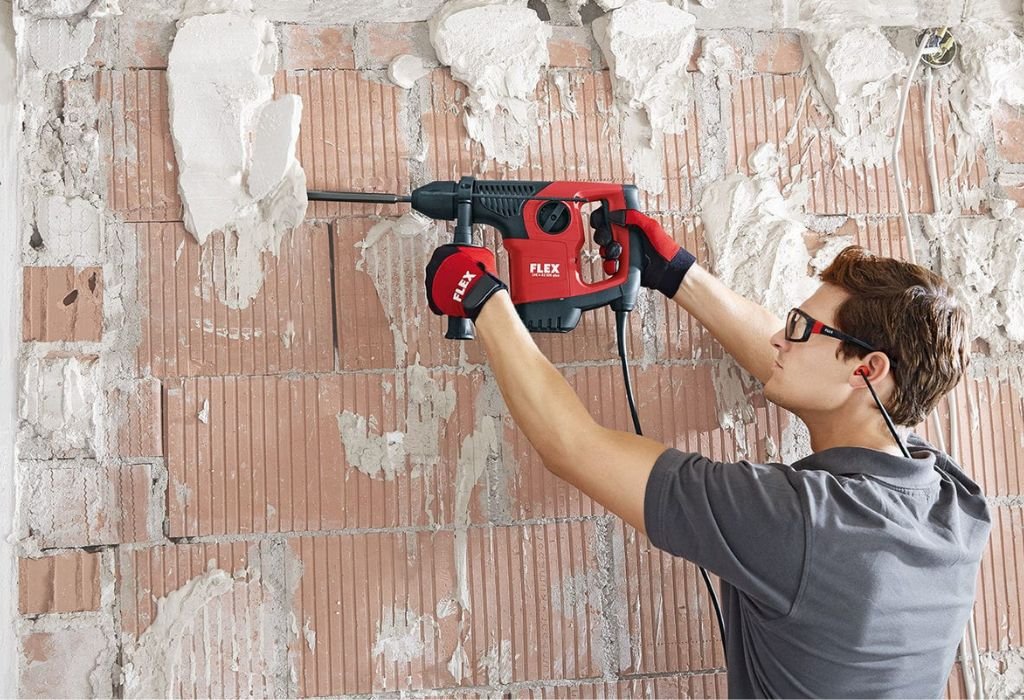
Masonry materials like brick, block, and concrete are made with stone, sand, and cement — all containing minerals harder than regular metals. Unlike wood or steel, these materials resist cutting and need to be fractured, not sliced.
When a regular drill bit meets brick, its sharp edge dulls quickly because the material grinds the steel tip. The bit generates friction and heat instead of penetration. Over time, this heat damages both the bit and the motor.
Masonry also produces a lot of fine dust. Without an impact mechanism to break and remove debris, the dust clogs the hole, increasing resistance. This makes drilling slower and less efficient.
Each brick or stone has a unique structure — some are porous, others dense — but all require crushing power to penetrate effectively. That’s why simple rotation won’t work.
Masonry needs both rotational speed and percussive energy. That combination allows the bit to chip and clear material gradually without overheating.
How a Hammer Drill Works
A hammer drill looks similar to a regular one, but its mechanism inside makes all the difference. It contains two ridged discs or a piston system that create a rapid back-and-forth striking motion.
When the drill spins, these components repeatedly push the bit forward, creating thousands of micro-impacts per minute — usually between 20,000 and 45,000 blows per minute.
This hammering motion breaks the surface, while the rotation clears the debris, allowing the bit to dig deeper. The result is faster drilling and less physical effort.
Some hammer drills let you switch between “drill” and “hammer” mode. The drill mode is used for wood or metal, while the hammer mode activates the percussion for brick and concrete.
Advanced rotary hammers use an internal piston, providing much stronger impact force for deep or wide holes. These are preferred for professional construction and reinforced concrete.
Essentially, a hammer drill doesn’t just cut — it pulverizes and penetrates simultaneously, making it the right tool for masonry work.
Why a Regular Drill Struggles on Masonry
A regular drill relies entirely on sharpness and rotation speed. That’s perfect for cutting wood or metal but useless for crushing stone. When faced with dense materials, the bit rubs instead of drilling.
This rubbing causes excessive heat and dulls the bit almost instantly. As the edge wears down, the motor works harder, and progress stops. The more pressure you apply, the more friction increases, leading to burnout.
Even if you manage to make a shallow hole, it won’t be clean or round. The bit tends to skid or bounce off the surface, creating uneven entry points.
Masonry also absorbs vibration poorly, meaning the drill’s energy doesn’t translate into penetration. You end up wasting power and damaging your bit.
In short, without impact, you’re just polishing the wall instead of drilling it. That’s why regular drills fail to make meaningful progress on hard materials like brick or concrete.
When You Should Use a Hammer Drill for Masonry
If your project involves drilling into brick, block, concrete, or stone — you absolutely need a hammer drill. The tool’s impact action makes clean, accurate holes for anchors, bolts, and plugs.
Hammer drills are essential for heavy-duty tasks such as installing shelves, railings, wall mounts, or electrical conduit. In these cases, precision and hole integrity matter.
They’re also perfect for outdoor projects involving concrete slabs, garden walls, or paving stones. Without the hammer motion, even the best bit will stall or overheat.
For reinforced concrete or granite, the percussive power of a hammer drill is non-negotiable. It helps chip through aggregates and prevents damage to your drill motor.
In summary, whenever you’re facing a surface that feels dense or gritty, turn on the hammer function. It saves time, energy, and ensures professional-quality results.
Benefits of Using a Hammer Drill for Masonry
The biggest advantage is speed. A hammer drill can penetrate masonry several times faster than a regular one because each impact breaks the surface efficiently.
It also provides cleaner holes. The percussive motion keeps the bit centered and reduces wandering, resulting in accurate, round holes that perfectly fit wall anchors.
Hammer drills also extend bit life. Because the impact helps break material, the bit experiences less friction, which means less heat and wear.
Another benefit is reduced user fatigue. You don’t have to apply as much downward force since the tool does the pounding automatically.
Modern hammer drills also include dust removal channels, which clear debris as you work. This keeps holes clean and prevents clogging.
Finally, hammer drills are versatile — switch off hammer mode, and they work on wood, metal, or plastic like a normal drill.
When You Might Not Need a Hammer Drill
Not every project demands hammering power. If you’re drilling into soft plaster, drywall, or mortar, a regular drill works fine and prevents unnecessary cracking.
For lightweight block or aerated concrete, hammer action might even be too aggressive, causing material damage. A slow-speed rotary drill often performs better.
If you only need to make one or two small holes for picture frames or wall hooks, a carbide-tipped bit on a regular drill can suffice with patience.
In these cases, focus on steady pressure and low speed. Forcing hammer action into soft material risks enlarging the hole or crumbling edges.
However, once you encounter real brick, stone, or poured concrete, the hammer function becomes essential. It’s the difference between effortless drilling and endless frustration.
Choosing the Right Hammer Drill for Masonry Work
When selecting a hammer drill, consider power, impact rate, and comfort. Corded models usually offer higher and more consistent torque, while cordless ones provide mobility.
Look for a model with at least 500 to 800 watts for general home masonry tasks. For tougher concrete, choose a rotary hammer with 1,000 watts or more.
Impact rate, measured in blows per minute (BPM), determines speed. A good range is 25,000–45,000 BPM for efficient masonry drilling.
Check for variable speed settings, ergonomic grips, and vibration control. Long drilling sessions can cause hand strain, so balanced weight distribution is crucial.
If you plan to use SDS bits, ensure your drill supports SDS or SDS Plus shanks. These provide better energy transfer and stability for deep holes.
Finally, always invest in quality carbide-tipped masonry bits. A powerful drill is only as effective as the bit it spins.
Proper Drilling Technique with a Hammer Drill
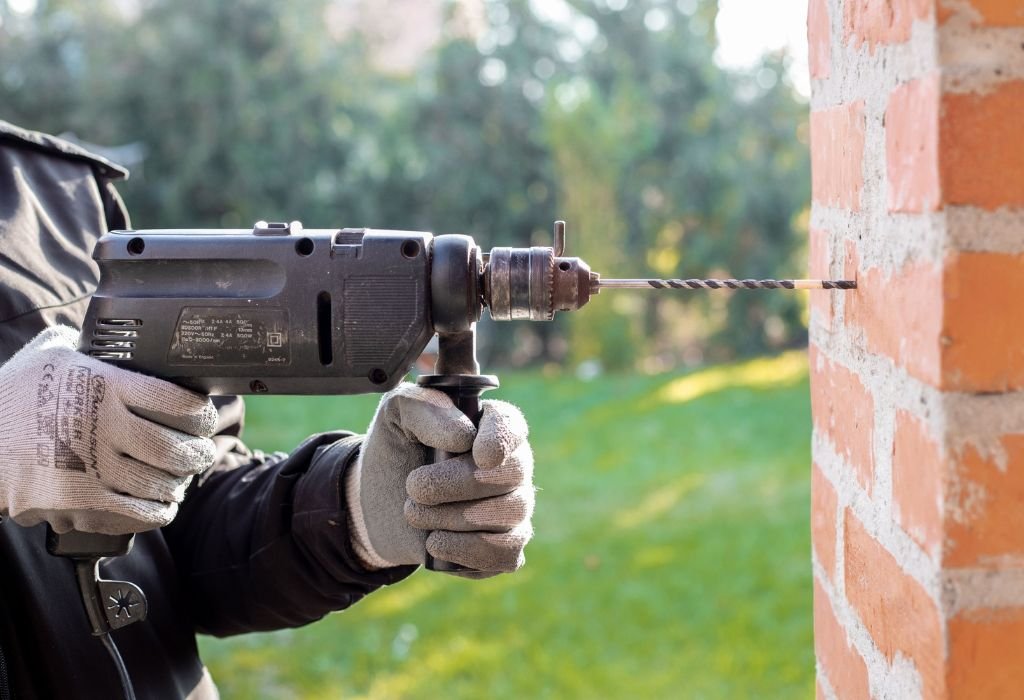
Start by marking your spot with a pencil and a punch mark to prevent the bit from slipping. Attach the correct masonry bit and set the drill to hammer mode.
Hold the drill firmly with both hands and maintain a 90-degree angle to the surface. Apply gentle, consistent pressure — the hammer action will do the heavy work.
Drill in short bursts rather than continuously to avoid overheating. Periodically pull the bit out to clear dust from the hole.
If drilling deep, pause every few centimeters to remove debris and let the bit cool. Clean holes allow better dust escape and smoother drilling.
For concrete or dense stone, consider using a depth stop or tape marker to maintain consistent depth.
Once finished, vacuum or blow out remaining dust before inserting anchors. A clean hole ensures better grip and long-term stability.
FAQ’s- Common Questions About Hammer Drills for Masonry
Can I use a regular drill for masonry?
Only for very soft materials like plaster or mortar. For brick or concrete, it’s inefficient and may damage your drill.
Do hammer drills work on all types of masonry?
Yes, they work on brick, block, concrete, and stone. However, use SDS drills for heavy-duty reinforced concrete.
What’s the difference between a hammer drill and a rotary hammer?
A hammer drill uses mechanical discs for impact, while a rotary hammer uses a piston. Rotary hammers deliver stronger, more consistent blows.
Can I turn off hammer mode?
Yes. Most models allow you to switch between drilling and hammering modes for versatility.
Do I need special bits for hammer drilling?
Absolutely. Use carbide-tipped masonry bits or SDS bits for best performance and durability.
Why is my hammer drill making too much vibration?
You may be pressing too hard, or the bit might be dull. Let the tool’s impact do the work.
Can hammer drills drive screws?
Yes, but turn off hammer mode first. The impact action can strip screw heads or damage surfaces.
Conclusion
When it comes to masonry, a hammer drill isn’t a luxury — it’s a necessity. Regular drills rely on speed, but masonry needs impact and rotation working together.
The hammer function helps you drill faster, cleaner, and with less strain, especially on brick, stone, and concrete. It protects your bits, keeps your drill cooler, and ensures strong, accurate holes every time.
For small tasks in soft materials, a standard drill might do. But if you’re working with real masonry, investing in a hammer drill saves time, frustration, and equipment damage.
Every professional knows one truth — the right tool always pays for itself. So next time you face a brick wall, pick up a hammer drill and let precision power work in your favor.

I’m John F. Nicholas, the founder, lead writer, and drill enthusiast behind 101drill.com. With years of hands-on experience in power tools and DIY projects, I created this platform to share practical knowledge, expert tips, and real-world insights to help others master the art of drilling.