
You press the drill against a solid brick wall, thinking your shiny HSS bit will slice through with ease. For a few seconds, the drill hums confidently before the sound turns harsh and the bit begins to smoke. The smell of burning metal fills the air, and your drill slows to a painful grind.
This is a moment every DIYer remembers — that frustrating instant when the wrong bit meets the wrong surface.
HSS bits are engineered for cutting metals and plastics, not stone or concrete. Their sharp edges, while perfect for speed and precision, quickly wear out under the abrasion of masonry.
According to tool manufacturers, improper bit selection is one of the top causes of drill burnout and poor workmanship in home projects. When used on hard materials like brick or stone, HSS bits lose temper, dull quickly, and even fracture under pressure.
Yet many beginners still try to save time or money by using what they have on hand. They soon discover that masonry drilling requires an entirely different approach — one that involves both the right tool and the right technique.
This article explores what happens when HSS bits meet masonry, why they fail, what alternatives exist, and how to make clean, safe holes in stone and concrete. By the end, you’ll know exactly which drill bit to use and how to protect your tools from unnecessary wear.
What Are HSS Drill Bits Made Of and How They Work
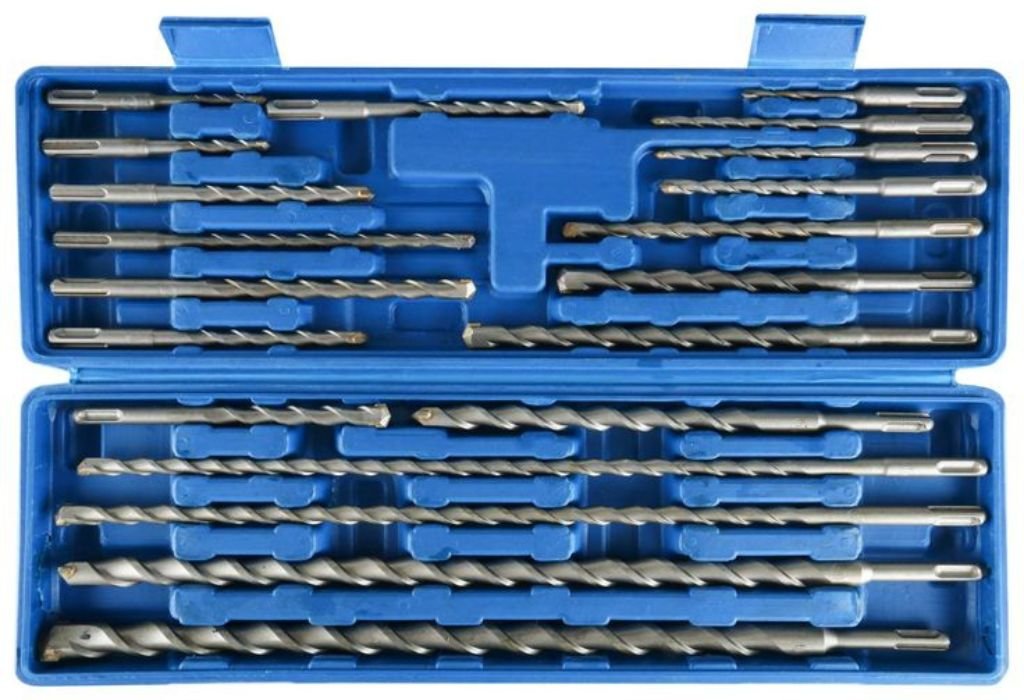
High-Speed Steel, or HSS, is a special alloy designed to withstand the high temperatures created when cutting through metal. It’s typically composed of carbon, tungsten, chromium, and molybdenum — elements that provide hardness, durability, and resistance to softening at high speeds.
These bits were originally made for machining steel and non-ferrous metals, where they can cut cleanly without losing their edge. Their fine cutting edge and sharp spiral flutes remove metal shavings quickly, allowing for precise drilling.
However, when HSS bits encounter masonry, things change dramatically. Masonry surfaces contain sand, gravel, and cement — materials much harder and more abrasive than metals. Instead of cutting, the HSS bit grinds and overheats, leading to frictional damage.
The tip, designed for slicing through ductile materials, begins to dull almost instantly. Once it loses sharpness, heat builds up rapidly, often reaching temperatures that soften or even deform the steel. The bit’s lifespan drops from hours to mere seconds.
Even with coolant or slow drilling speeds, the hardness of brick or stone overpowers the bit’s cutting strength. The result is minimal progress, wasted effort, and possible damage to your drill motor.
In essence, HSS bits are excellent for metals, but when it comes to masonry, they’re simply out of their element.
Understanding Masonry Surfaces and Their Density
Masonry materials, such as brick, concrete, and stone, are built to resist pressure, impact, and weathering. They contain silica and quartz — both extremely hard minerals that blunt metal edges quickly. Unlike wood or metal, masonry doesn’t cut; it fractures.
Each masonry surface behaves differently. Concrete, for example, often includes coarse aggregates that vary in hardness. Brick can range from soft clay to dense fired ceramics, while natural stone like granite or limestone can be even harder.
When a metal bit such as HSS meets this kind of resistance, its sharp cutting edge chips instead of slicing cleanly. The tip experiences rapid wear, friction heat rises, and progress slows to almost nothing.
That’s why professional masons never use metal-cutting bits on stonework. They use carbide-tipped or diamond-grit bits designed to crush, not cut, through the surface. These specialized bits transfer energy into tiny impacts, breaking material apart without melting the tip.
The density of masonry also causes vibrations that standard bits aren’t built to handle. Over time, this vibration can loosen the chuck or even bend the bit shaft. In short, masonry requires more than just strength — it demands the right structure and geometry.
Can You Actually Use HSS Bits on Masonry Temporarily
Some DIYers ask whether it’s possible to use an HSS bit “just once” on masonry. The answer is yes, but with major limitations. It might work for very soft brick or mortar joints, but the result will likely be poor and short-lived.
If you try it, you’ll notice slow progress and a burning smell within seconds. The bit may create a shallow dent rather than a clean hole. Repeated attempts can overheat both the bit and your drill’s motor.
In rare cases, users may manage small holes in soft plaster or thin brick layers by applying light pressure and slow speeds. But even then, the bit’s cutting edge will quickly dull, turning it useless for future projects.
Another issue is accuracy. Because HSS bits aren’t designed for impact or abrasion, they tend to wander or slip on hard surfaces, damaging both the wall and the drill tip. You might end up with a chipped surface instead of a neat circular hole.
So while you technically can use HSS bits on masonry, it’s a temporary fix at best and a costly mistake at worst. You’ll spend more time replacing ruined bits than finishing your project.
Risks of Using HSS Drill Bits on Masonry
The first and most obvious risk is bit damage. The hard mineral particles in masonry grind against the bit tip, removing metal layer by layer until it loses shape entirely.
Next comes heat buildup. Because HSS bits aren’t designed for this kind of resistance, friction causes temperatures to spike. The steel softens, making the tip even less effective. In extreme cases, it can even weld particles of brick to the bit.
Tool strain is another issue. When the bit stops cutting effectively, the drill’s motor compensates by increasing torque. This extra load can cause the motor to overheat or wear down its bearings faster.
Surface chipping and cracks also occur when using wrong bits. The vibration and pressure can cause the masonry to fracture around the drilled area, leaving an uneven and unsightly finish.
Finally, there’s safety risk. A dull or overheated bit can snap under pressure, sending fragments flying. Always wear goggles and gloves, especially when testing or experimenting with drill bits.
These risks make it clear — forcing HSS bits through masonry is not worth the damage, effort, or safety hazards.
The Right Drill Bit Types for Masonry Work
When drilling into brick, concrete, or stone, the best choice is a carbide-tipped masonry bit. These bits feature a hardened tip that crushes through hard particles instead of cutting them.
For heavy-duty projects, SDS (Slotted Drive System) bits are the industry standard. They are used with hammer drills or rotary hammers that combine rotation with impact energy. This design allows bits to chip away masonry efficiently without overheating.
Diamond-tipped bits are another option for extremely hard materials like tile or granite. Their abrasive coating grinds the surface gradually, producing clean, smooth holes.
Each of these bit types can handle high impact and friction far better than standard HSS. They also last longer and produce cleaner, more professional results.
If you often work with mixed materials — such as drilling through plaster into brick — a multi-purpose masonry bit can save time while preventing tool damage. Always check the manufacturer’s recommendations for speed, pressure, and cooling methods.
Using the correct bit not only improves results but also extends your drill’s lifespan, saving you from costly repairs.
How to Identify and Choose the Correct Masonry Bit
The easiest way to recognize a masonry bit is by its arrow-shaped carbide tip. It looks slightly duller and wider than a metal bit, with thicker flutes for dust removal.
Most masonry bits are gray or silver and labeled with “Masonry,” “Carbide,” or “SDS.” If your drill has hammer mode, make sure to select SDS-compatible bits for secure fitting and proper vibration absorption.
The flute design is also crucial. Deep flutes carry dust out of the hole, keeping the bit cool and preventing clogging. Shorter flutes, by contrast, are made for shallow drilling and lighter material.
For household tasks like hanging frames, 4–6 mm bits usually suffice. For anchor bolts or deeper holes, you might need 10–12 mm or more. Always start with a pilot hole and increase the size gradually.
Choosing the correct shank type (round, hex, or SDS) ensures stability and torque efficiency. A mismatched bit can slip in the chuck and damage both the bit and drill.
By understanding these simple details, you can make confident decisions that lead to cleaner holes and longer tool life.
Proper Drilling Technique for Masonry Walls
Start by marking your spot clearly with a pencil or tape, then use a punch or nail to make a small indentation. This prevents the bit from slipping during the initial contact.
Use a hammer drill if possible, as its pounding motion helps the bit chip away the material effectively. Regular drills can work for soft bricks but may struggle with dense concrete.
Set the speed to low or medium, and apply gentle pressure. Forcing the bit won’t make it faster — it only overheats the tip. Let the drill do the work, stopping every few seconds to clear dust and allow cooling.
Water or compressed air can be used to cool the bit and reduce airborne particles. Be cautious not to use excessive water near electrical tools.
Keep your body stable and hands firm. Uneven pressure can cause wobbling, enlarging the hole unevenly. Always use eye protection and ear plugs to guard against dust and noise.
Once the hole is complete, vacuum or brush away dust before inserting anchors or screws. A clean, smooth hole ensures a stronger fit and a more professional finish.
Common Mistakes When Using Wrong Drill Bits
One of the most frequent errors is assuming all bits look the same. Many beginners pick an HSS bit because it’s shiny and sharp, not realizing it’s built for metal.
Another mistake is using high speed without checking the surface hardness. Masonry requires slow, controlled drilling, not rapid spinning.
People also tend to skip pilot holes, causing the bit to wander on the surface. This not only ruins accuracy but can chip decorative brick or tile.
Ignoring dust removal is another problem. Dust buildup increases friction, causing bits to overheat faster.
Some users keep pushing when progress slows, believing more pressure will help. In reality, it strains the motor and breaks the bit tip.
Lastly, failing to cool or clean bits after use leads to rust and corrosion. Proper maintenance keeps them ready for the next task.
Avoiding these mistakes ensures your drilling remains safe, efficient, and clean.
Tips to Extend Drill Bit Life When Working on Masonry
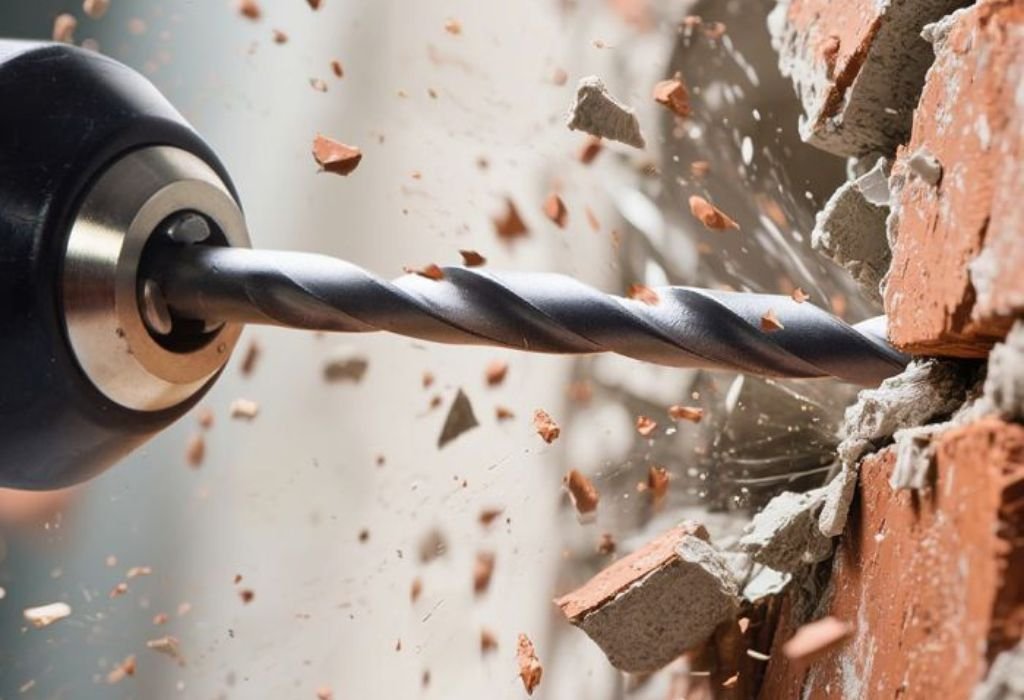
Always use the right bit for the right job — that’s rule number one. A carbide or SDS bit will always last longer than an HSS bit in hard materials.
Operate the drill at steady, moderate speeds. High RPMs generate heat, while too little speed reduces impact effectiveness.
Clean the bit after every use. Dust and debris buildup acts like sandpaper, grinding away the tip’s edges over time.
Store bits in a dry, organized case. Moisture leads to rust, which weakens the bit and affects performance.
If you notice dull edges or slow cutting, sharpen or replace the bit before continuing. Using a worn-out bit can damage both the surface and your drill.
Lastly, let the drill cool between uses. Overheating shortens not only bit life but also the motor’s durability.
With these habits, you’ll extend the lifespan of your tools and maintain consistent performance across multiple projects.
Frequently Asked Questions About- use hss drill bits for masonry
Can HSS bits drill concrete?
No. HSS bits are meant for metals and soft materials. Concrete’s hardness quickly dulls and damages them.
What happens if I use a metal bit on brick?
The bit overheats, dulls, and may snap under pressure. You’ll also risk cracking the brick surface.
Are cobalt bits better than HSS for masonry?
Cobalt bits resist heat better but are still not ideal for masonry. Use carbide-tipped bits instead.
Can you use hammer mode with HSS bits?
No. Hammer mode generates impact forces that can shatter HSS bits instantly.
What’s the best alternative to HSS for hard materials?
Carbide-tipped or diamond-grit bits are the best options for stone, concrete, and tile.
Conclusion
Drilling into masonry isn’t just about power; it’s about precision and preparation. HSS drill bits, while excellent for metals, simply aren’t built to handle the abrasiveness of stone or concrete. Using them risks heat damage, broken bits, and uneven holes.
Choosing a proper masonry bit — especially carbide or SDS types — ensures cleaner cuts, longer tool life, and better results. It saves time, protects your equipment, and keeps your projects safe and professional.
So next time you pick up a drill, remember: the smartest DIYers don’t force metal through stone — they choose the right tool for the right surface and let skill, not strength, do the work.

I’m John F. Nicholas, the founder, lead writer, and drill enthusiast behind 101drill.com. With years of hands-on experience in power tools and DIY projects, I created this platform to share practical knowledge, expert tips, and real-world insights to help others master the art of drilling.