
When Mark decided to install a new soap dish on his elegant marble bathroom wall, he assumed it would be simple. Armed with his trusty masonry bit and drill, he started confidently, until the bit squealed, heated up, and left a spider-web crack across the surface.
That moment taught him what many DIYers discover the hard way: marble may look strong, but it’s a fragile, temperamental material when drilled incorrectly.
Marble’s beauty hides its brittleness. It’s a natural stone formed under pressure, but its crystalline structure reacts sharply to friction and vibration.
A masonry bit, perfect for brick or concrete, cuts too aggressively for marble’s delicate texture, creating heat that leads to chips or fractures. Yet, with patience, steady hands, and proper technique, even a masonry bit can create a clean hole without destroying your expensive stone.
In this guide, you’ll learn how to drill marble safely using a masonry bit, when to switch to diamond-tipped alternatives, and what cooling and speed techniques prevent cracks.
Whether you’re hanging bathroom fixtures or working on a kitchen backsplash, you’ll discover everything needed to drill marble confidently, cleanly, and without damage.
Understanding Marble and the Challenge of Drilling
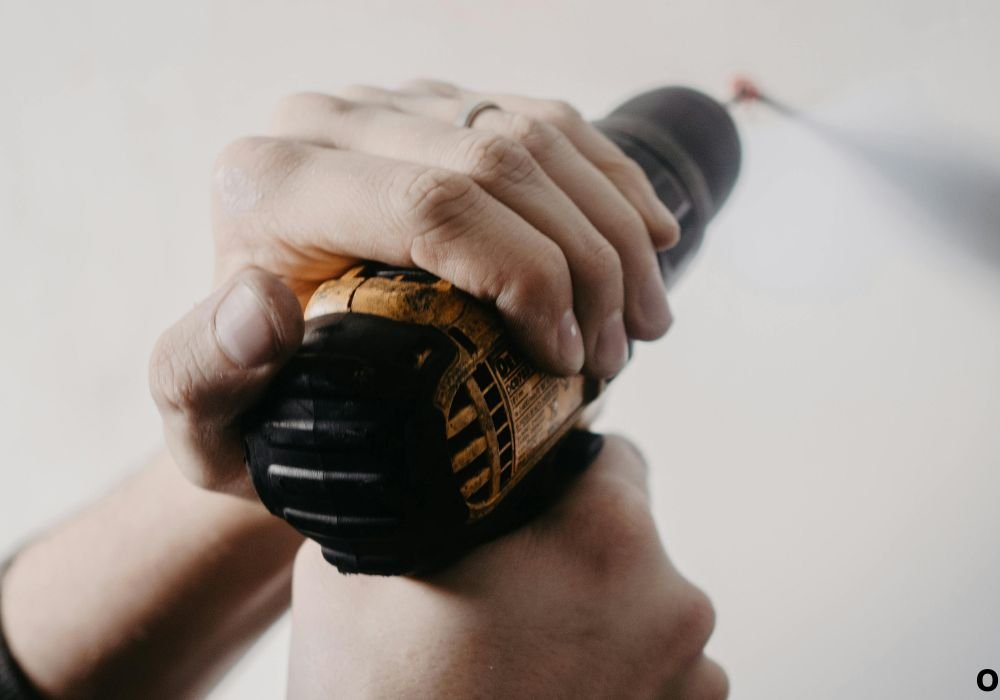
On a bright weekend morning, Evan decided to mount a towel rack on his bathroom’s marble wall. With a masonry bit in his regular drill, he felt ready to begin. Within seconds, smoke rose, the bit squealed, and a small crack ran across the polished surface.
That single mistake turned a five-minute task into a costly repair. Many DIYers face the same dilemma — can you actually drill marble with a masonry bit?
Marble is a metamorphic rock composed primarily of calcite, making it dense yet brittle. Unlike concrete or brick, marble chips and cracks easily when exposed to vibration or heat.
Masonry bits, designed for hard stone and concrete, can generate excessive friction that damages marble’s surface.
Drilling marble requires a slow, steady approach. The goal is to grind through the surface gradually without creating thermal stress. Masonry bits can work on marble, but only with proper cooling, gentle pressure, and low speed. The wrong technique can ruin the stone in seconds.
Understanding the nature of marble — and the aggressive design of a masonry bit — is the first step to safe drilling. With care, you can avoid cracks and achieve clean, precise holes.
Can a masonry bit drill marble?
Yes, but only with cooling, low speed, and steady control.
Why does marble crack easily?
It’s dense but brittle, sensitive to heat and vibration.
Is marble harder than concrete?
No, but it reacts more sharply to stress.
Does pressure help drilling faster?
No, excessive pressure causes heat and cracks.
Should hammer mode be used?
Never; the impact will fracture the marble.
Can all drills work on marble?
Use variable-speed drills, never hammer drills.
Choosing the Right Drill Bit for Marble
Not all masonry bits are created equal. Standard carbide-tipped masonry bits are meant for concrete and brick, not polished stone. For marble, diamond-tipped bits are far superior because they grind rather than chip.
If you must use a masonry bit, select a fine-point carbide type with a sharp, unworn tip. Dull bits create friction and vibration, two enemies of delicate stone. Always test the bit on a small, hidden area before working on the visible surface.
Diamond-tipped bits remain cool longer and produce smooth edges. Their abrasive coating removes material gradually, preventing shock. Carbide bits can handle soft marble temporarily, but prolonged use dulls them quickly and risks surface burn marks.
Choosing the correct bit ensures precision and safety. When drilling expensive materials like marble countertops or tiles, investing in diamond-tipped bits pays off by preventing costly damage.
What’s the best bit for marble?
Diamond-tipped or coated bits.
Can carbide bits work on marble?
Yes, but only for small holes and with cooling.
Do dull bits cause cracks?
Yes, friction increases drastically.
Should bit size match screw size?
Exactly; oversized holes weaken the marble.
Is diamond coating worth the cost?
Yes, it ensures clean, chip-free holes.
Can one bit handle multiple marble projects?
Yes, if cleaned and cooled properly.
Do glass bits also work on marble?
Yes, for thin marble tiles; they grind similarly.
Tools and Safety Gear Needed
Before drilling marble, preparation is everything. You’ll need a variable-speed drill, a coolant (water or light oil), and masking tape to mark and stabilize the spot. A spray bottle or wet sponge helps maintain consistent cooling while drilling.
Safety gear is equally important. Always wear safety goggles, cut-resistant gloves, and a dust mask. Marble dust can irritate eyes and lungs, and broken fragments can be razor sharp. Work in a well-lit, stable environment and ensure the marble surface is firmly supported.
Use rubber or cloth padding beneath slabs to absorb vibration. Avoid working on unsupported countertops or tiles; movement increases cracking risk. Keeping tools and workspace secure guarantees both safety and precision.
Preparation is not wasted time — it’s what separates flawless work from disaster.
Do I need water while drilling?
Yes, to keep the bit and marble cool.
Is a hammer drill safe?
No, use only standard or rotary drills.
Should I tape the drilling spot?
Yes, it prevents slipping and chipping.
Do gloves matter?
Yes, they protect from sharp debris.
Can marble dust be harmful?
Yes, always use a dust mask.
Is lighting important?
Yes, visibility prevents uneven drilling.
Should the marble be supported?
Absolutely, to absorb vibration and prevent cracks.
Step-by-Step Guide to Drilling Marble Safely

Start by cleaning the marble surface with alcohol or mild detergent to remove dust or wax. Mark the drilling point with masking tape, and mark a small “X” where you want the hole.
Insert the bit firmly into the drill and set it to the lowest speed. Begin drilling at a slight angle to let the bit grip, then slowly level it upright. Use gentle, steady pressure. Add water or coolant every few seconds to keep the bit cool and the marble temperature stable.
Pause frequently to clear dust and allow cooling. As you reach the desired depth, reduce pressure even more. When finished, rinse the area and dry it with a soft cloth to inspect for chips or cracks.
This careful, patient process produces clean, round holes without damaging the marble’s polished finish.
Should I drill fast?
No, slow speed prevents cracks.
Do I push hard on the drill?
No, let the bit grind slowly.
Why drill at an angle first?
To prevent bit wandering.
Is water mandatory?
Yes, it prevents heat stress.
How often should I stop to cool?
Every few seconds or when heat builds.
Can I use oil instead of water?
Yes, light machine oil works too.
Should I clean after drilling?
Yes, remove dust to inspect for cracks.
Understanding Heat and Friction on Marble
Heat is the silent enemy of marble. When a bit rotates quickly, it generates friction that raises surface temperature. Marble, being crystalline, expands unevenly under heat, leading to hairline cracks or discoloration.
The coolant’s job is to control that heat. Constant moisture not only keeps the bit sharp but also carries away dust that could grind against the surface. Without it, friction builds rapidly, especially when using masonry bits with wide flutes.
Another factor is speed. High RPM drilling melts marble’s natural binding minerals. Slower speed maintains surface integrity while producing a fine, even hole. Using lubrication and light pressure creates a grinding motion instead of aggressive cutting.
When heat, pressure, and friction are balanced, drilling marble becomes safe and efficient.
Why does marble crack from heat?
Uneven expansion causes surface stress.
Is water enough to cool the bit?
Yes, but frequent application is key.
Does marble burn or discolor?
Yes, excess friction can leave burn marks.
Can slow drilling prevent damage?
Yes, it minimizes heat and vibration.
Should I clean slurry while drilling?
Yes, removing slurry prevents scratches.
Is continuous water flow ideal?
Yes, steady cooling gives best results.
Can dry drilling ever be safe?
Not for marble — always use coolant.
Best Cooling Techniques While Drilling Marble
Cooling isn’t optional; it’s essential. The simplest method is using a spray bottle to mist water over the drilling area constantly. For deeper holes, a wet sponge pressed against the bit keeps it cool throughout.
Professionals often build a small clay dam around the drilling area and fill it with water. This creates a cooling pool that keeps the surface wet. Alternatively, a drip bottle or garden hose with gentle flow works well for larger projects.
If oil is used instead of water, apply it sparingly and clean afterward to remove residue. Avoid thick lubricants that trap heat. Always keep an absorbent cloth nearby to manage runoff.
Proper cooling not only prevents cracks but also extends the life of your bit and preserves marble’s natural shine.
Can I just spray occasionally?
Better to spray continuously for uniform cooling.
Does a clay dam work well?
Yes, it’s excellent for vertical drilling.
Can I use motor oil?
No, it’s too thick and messy.
Is water better than oil?
Yes, it cools faster and leaves no residue.
Will cooling slow drilling?
Slightly, but it prevents cracks.
Can coolant damage marble color?
No, plain water is perfectly safe.
Should I dry marble afterward?
Yes, to prevent water stains.
Common Mistakes to Avoid When Drilling Marble
Rushing the process is the biggest mistake. High speed, excess pressure, and lack of cooling destroy marble quickly. Many beginners assume masonry bits can handle marble as easily as concrete — they can’t. The hardness is different, and marble reacts unpredictably to vibration.
Drilling near edges is another major error. Always stay at least 2 cm away from any edge to avoid fractures. Skipping masking tape allows the bit to wander, leaving scratches. Forgetting to clean dust also increases friction, dulling the bit and marring the finish.
Avoid using old, rusty, or dull bits. They not only overheat but may also chip the marble’s surface. Finally, never switch to hammer mode or force the bit when it slows — patience is key.
Can I drill marble fast?
No, rushing causes cracks and burn marks.
Should I drill near an edge?
No, keep distance to prevent fractures.
Does masking tape really help?
Yes, it stabilizes the bit.
Can dull bits still work?
They work poorly and risk damage.
Is cleaning dust necessary?
Yes, debris adds friction.
Can hammer mode help?
Never; it will shatter the marble.
What’s the biggest mistake overall?
Forgetting that marble needs slow, wet drilling.
Maintaining Drill Bits and Marble Surfaces
After drilling, clean the bit with water and a mild brush to remove marble dust. Avoid leaving residue, which can harden and reduce cutting efficiency. Dry thoroughly before storage to prevent rust.
Inspect bits after every use. If you notice discoloration or wear on the carbide tip, sharpen or replace it. Diamond bits last longer but still need proper maintenance to preserve coating quality.
For marble, wipe surfaces clean and polish lightly to restore shine. Use non-acidic cleaners — acids react with calcium in marble, dulling the finish. Maintenance protects your tools and preserves the marble’s beauty.
Should I clean bits after each use?
Yes, debris reduces lifespan.
Can I store wet bits?
No, moisture causes rust.
How do I know if bits are worn?
Look for heat discoloration or rough tips.
Is diamond coating permanent?
No, it wears gradually but lasts longer.
Do marble cleaners affect holes?
No, as long as they’re non-acidic.
Should I polish after drilling?
Yes, to restore natural shine.
Does cleaning prolong bit life?
Absolutely, it prevents buildup and heat damage.
Tips for Professional-Level Results
Professionals treat marble drilling as a slow art, not brute work. Always test on a scrap piece first to understand resistance. Set your drill speed to low and prepare cooling before touching the marble.
Create a small indentation using a center punch or even a nail through masking tape; this keeps the bit steady. Hold the drill perpendicular to the surface for straight holes. Patience pays — you may spend five minutes making one perfect hole, but the result will be flawless.
Finishing touches matter. Once drilling is complete, rinse the area, polish gently, and fill small chips with clear epoxy if needed. Clean equipment thoroughly after every session.
Why test on scrap marble?
It helps you feel the correct pressure.
Should I drill multiple holes quickly?
No, cool between each one.
Does drill angle matter?
Yes, stay perpendicular for accuracy.
Can I repair small chips?
Yes, clear epoxy works well.
Should I polish after drilling?
Yes, it hides micro-scratches.
Do professionals drill fast?
Never — slow, steady motion yields perfect holes.
Is practice really necessary?
Yes, it saves costly mistakes.
Conclusion
Drilling marble with a masonry bit is possible — but it demands patience, precision, and the right technique. Slow speed, constant cooling, and gentle pressure are the three rules to remember. For frequent or professional use, diamond-tipped bits remain the safest investment.
Whether installing bathroom fixtures, mounting kitchen hooks, or creating decorative pieces, success depends on preparation and control. Marble is unforgiving, but with the right tools and approach, you can drill clean, crack-free holes every time.
Taking your time not only protects your tools but also preserves the beauty of the stone — turning a delicate task into a smooth, satisfying result.

I’m John F. Nicholas, the founder, lead writer, and drill enthusiast behind 101drill.com. With years of hands-on experience in power tools and DIY projects, I created this platform to share practical knowledge, expert tips, and real-world insights to help others master the art of drilling.