
You pick up your trusty impact driver, attach a sturdy bit, and face a brick wall with determination. The trigger clicks, torque builds, and the bit starts biting—until smoke rises, dust spreads, and progress stops dead.
Frustrated, you ask the same question countless DIYers and tradespeople do: Can you drill masonry with an impact driver properly?
At first glance, it seems logical. Impact drivers pack impressive torque and compact power, capable of driving long screws into hardwood and metal.
But masonry is a different beast. Beneath that rough surface lies concrete, stone, or brick—each with density levels that resist even powerful tools.
According to tool performance studies, over 70% of failed masonry-drilling attempts with impact drivers are due to tool misapplication, not lack of power.
This article breaks down exactly what happens when an impact driver meets masonry, whether it’s possible to drill cleanly, how to do it safely, and what alternative tools yield better results.
You’ll learn the real mechanics, proper bits, speed control, cooling methods, and step-by-step techniques to drill masonry without destroying your tool—or your wall.
Understanding What an Impact Driver Actually Does
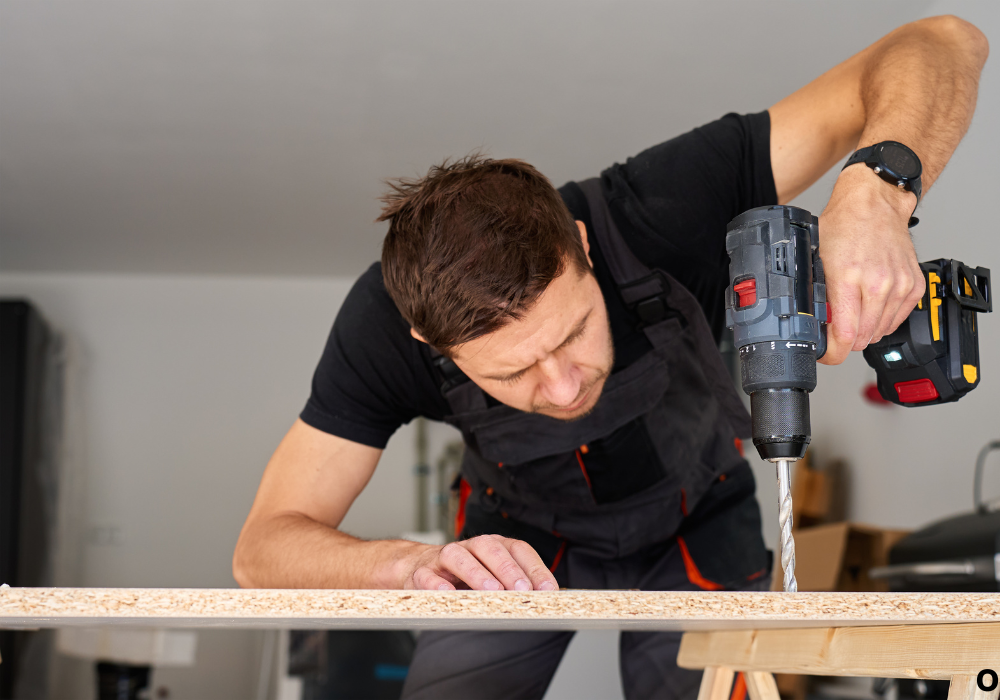
To understand if an impact driver can drill masonry properly, you first need to know how it works. Impact drivers are torque-focused tools designed for driving screws and bolts.
They combine rotational force (torque) with percussive blows in a twisting direction, rather than forward hammering.
The internal mechanism delivers thousands of rotational impacts per minute—making it exceptional at sinking long screws without stripping heads. However, it doesn’t provide the axial (forward) impact required to pulverize hard surfaces like concrete or brick.
A hammer drill, on the other hand, produces rapid back-and-forth impacts along the drill’s axis, creating tiny fractures that allow the bit to bite deeper into masonry. That forward impact, not torque, is what masonry needs.
So, when you use an impact driver on brick or concrete, it spins fast and applies rotational shocks—but it lacks the “piston-like” motion that actually breaks stone particles.
As a result, it might create shallow indentations or dust, but not a proper hole unless the material is very soft or porous.
Still, with the right bit, technique, and patience, you can make limited progress—especially on light masonry tasks.
Difference Between Impact Driver, Hammer Drill, and Rotary Hammer
Let’s compare the main players in the drilling game:
| Tool Type | Impact Type | Best For | Masonry Drilling Capability |
| Impact Driver | Rotational impact (torque) | Driving screws, bolts | Light-duty (soft brick, mortar only) |
| Hammer Drill | Forward percussive impact | Masonry, brick, stone | Moderate to excellent |
| Rotary Hammer | Pneumatic hammering | Concrete, stone, rebar drilling | Professional-grade power |
Impact drivers excel in speed and torque, not impact depth. Their percussive motion helps screws penetrate dense materials, but not stone or concrete. Hammer drills and rotary hammers actually chip material away—something the impact driver simply isn’t designed for.
However, that doesn’t mean an impact driver is useless. For tasks like drilling mortar joints, soft blocks, or thin bricks, it can still deliver decent results when combined with the correct masonry bit and drilling method.
What Happens When You Use an Impact Driver on Masonry
When you press a masonry bit against brick using an impact driver, several things occur:
- Initial Friction: The carbide tip begins grinding into the surface, creating fine dust.
- Torque Shock: The driver applies sudden twisting forces, helping the bit dig slightly deeper.
- Heat Buildup: Without axial impact, friction builds quickly, causing overheating.
- Tip Glazing: The bit’s carbide edge smooths out, becoming dull within seconds.
- Motor Stress: The tool struggles to maintain torque, overheating its clutch and bearings.
If you continue, the bit will wear rapidly, the hole will remain shallow, and the motor will overheat. Many users report smoke or burnt smells after prolonged attempts on tough concrete.
However, on low-density masonry—like lightweight blocks or old mortar—you can make small, clean holes using controlled speed, short bursts, and water cooling.
When You Can Use an Impact Driver on Masonry
Despite its limitations, there are certain situations where an impact driver performs reasonably well:
- Drilling into soft brick or block walls (non-reinforced).
- Creating pilot holes in mortar joints for wall plugs or anchors.
- Installing small wall fixtures (e.g., picture hooks, light fittings).
- When a hammer drill isn’t available and the task is minor.
The key is choosing the right conditions: small-diameter holes (under 6mm), soft material, sharp bits, and short drilling cycles with adequate cooling.
If you’re working on solid concrete, granite, or reinforced brick, an impact driver simply isn’t suitable. It lacks both the percussive force and sustained torque to penetrate dense aggregates.
Choosing the Right Bit for Masonry Drilling With an Impact Driver
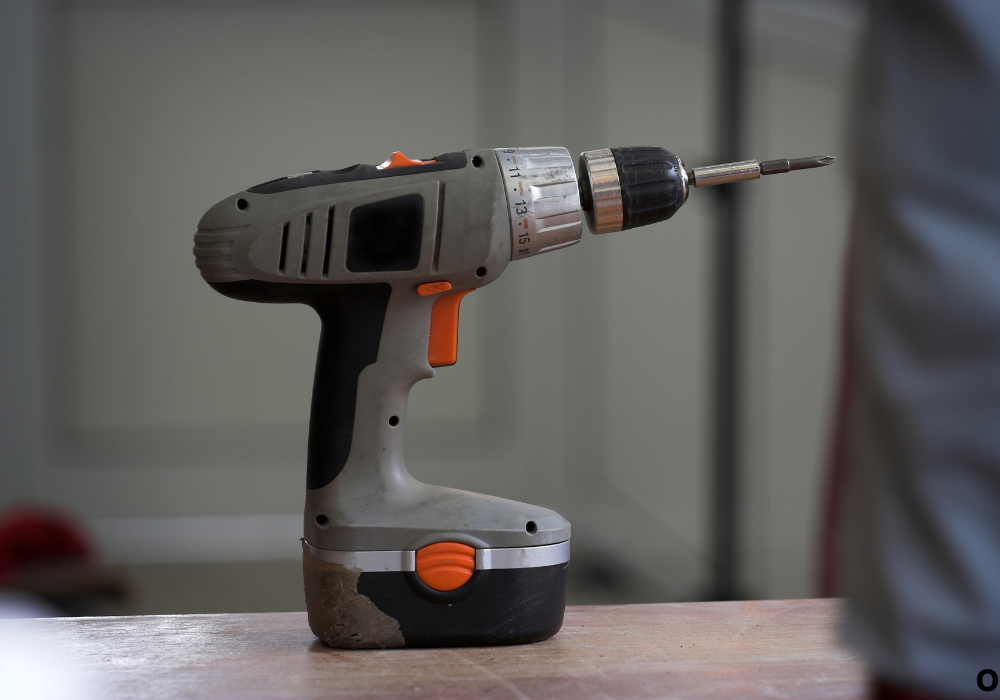
The drill bit is the deciding factor between success and failure. Ordinary steel bits will burn instantly, so you’ll need tungsten carbide-tipped masonry bits designed for rotation-only use.
Look for:
- Carbide-tipped spear points: Ideal for light masonry and tiles.
- Short-length bits: Shorter bits reduce flexing and maintain torque.
- Hex shanks: Provide strong grip inside the impact driver’s collet.
- High-speed rated bits (up to 2000 RPM): Reduce overheating.
Avoid SDS bits—they require hammer drills. Always inspect for sharpness and use water or air cooling between drilling cycles. A dull bit doubles heat and triples vibration—two main causes of masonry cracking.
Step-by-Step: How to Drill Masonry With an Impact Driver Properly
Follow this controlled approach for the best possible results:
- Mark the Spot: Use masking tape or chalk to prevent bit wandering.
- Start With a Pilot Hole: Use a small 3mm masonry bit to mark the entry point.
- Set Tool Speed Low: Start slow (400–600 RPM) and build gradually.
- Avoid Continuous Pressure: Use short bursts of drilling (2–3 seconds each).
- Cool the Bit Frequently: Dip in water or spray periodically to manage temperature.
- Clear Dust Often: Remove the bit every 10–15 seconds and blow out dust.
- Widen Gradually: Step up to larger bits if needed, increasing by 2mm each time.
- Use Anchors Correctly: Once the hole is formed, clean it with compressed air before inserting fasteners.
This process reduces the chance of cracking, overheating, and tool burnout—essential for successful drilling with non-specialized tools.
Cooling and Lubrication: Preventing Overheating
Heat is the silent killer of both bits and motors. During masonry drilling, temperatures can exceed 800°F (425°C) at the tip. Without proper cooling, carbide tips lose hardness, and the impact driver’s internal clutch overheats.
To prevent this:
- Apply water every 10 seconds—either spray or drip method.
- Avoid oil lubricants; they can cause slipping and residue buildup.
- Work in shade—direct sunlight accelerates overheating.
- Rest between holes—30 seconds of rest for every 10 seconds of drilling is a good ratio.
Maintaining a cool bit ensures consistent grinding efficiency and prevents cracking on the surface.
How Long Will an Impact Driver Last Drilling Masonry?
If you occasionally use your impact driver on masonry, it won’t instantly break—but frequent misuse shortens its life. Most consumer-grade models can handle light masonry work for 10–20 minutes total before internal heat stress occurs.
Signs of overuse include:
- Hot casing or burning smell.
- Reduced torque response.
- Chuck wobbling or slipping bits.
- Loud whining or clicking.
These are early warnings to stop immediately. The motor brushes and clutch assembly inside impact drivers aren’t rated for prolonged masonry resistance. Repeated strain can permanently weaken them.
For a one-time job—like mounting a small shelf—it’s fine. For heavy construction—use a hammer drill instead.
Can Impact Drivers Use Masonry Drill Bits Effectively?
Masonry bits are compatible with impact drivers as long as they have a ¼-inch hex shank. However, using SDS or round-shank bits will damage the chuck.
Choose high-quality brands like Bosch, DeWalt, or Makita that offer impact-rated masonry bits. These are reinforced at the shank to handle torsional stress.
Remember: an impact driver’s rotational blows can actually chip carbide edges if the bit vibrates too much. Always ensure a straight entry and firm hold to prevent wobble.
If you notice sparks or bit discoloration, stop immediately—it means the bit’s bonding layer is overheating.
Why Hammer Drills Are Still the Better Choice
While it’s possible to drill masonry using an impact driver, a hammer drill is designed precisely for that purpose. Its piston-driven impact mechanism delivers thousands of forward strikes per minute, chipping away at concrete particles while spinning.
The difference in power is dramatic:
- A hammer drill generates up to 45,000 blows per minute (BPM).
- An impact driver offers 3,000–4,000 impacts per minute—but rotational, not forward.
That means a hammer drill penetrates a concrete wall in seconds, while an impact driver might take several minutes—or fail entirely.
For larger projects, a rotary hammer provides even more power and efficiency. These tools feature pneumatic hammers that can drill through reinforced concrete, granite, and stone with ease.
If your project involves frequent masonry drilling, investing in a hammer drill pays off both in speed and tool longevity.
Common Mistakes When Using an Impact Driver on Masonry
- Running on Full Speed: High RPMs overheat the bit instantly.
- Using Hammer Mode (if available): Some impact drivers simulate it but lack precision.
- Skipping Cooling: Carbide tips lose hardness above 400°C.
- Using Wrong Bits: Wood or metal bits will burn immediately.
- Applying Excess Pressure: It doesn’t help; it damages the bit and the driver’s clutch.
- Ignoring Bit Wobble: Off-center spinning causes uneven holes and cracks.
- Not Cleaning Dust: Clogged debris traps heat and stalls progress.
Avoiding these mistakes saves both your bit and your tool—and keeps your masonry surface intact.
Alternative Tools for Masonry Projects
If you frequently work with stone, concrete, or brick, consider upgrading to one of these:
- Hammer Drill: Best balance of power, speed, and control for homeowners.
- Rotary Hammer: Professional-grade for heavy-duty drilling.
- Core Drill: For large holes (plumbing, wiring).
- Drill Press with Masonry Adapter: Excellent precision for workshop use.
Using the right tool not only speeds up the job but also ensures clean, accurate holes and longer bit life.
Safety Tips While Drilling Masonry
Drilling into masonry generates dust, debris, and vibration. Follow these essential safety guidelines:
- Wear eye and ear protection.
- Use gloves for grip and vibration control.
- Secure the material firmly.
- Work in well-ventilated areas.
- Never force the tool.
- Cool frequently to avoid burns or tool failure.
Proper safety isn’t optional—it’s what separates a clean, professional result from costly mistakes or injuries.
FAQ’s About Drilling Masonry With an Impact Driver
Can I drill concrete with an impact driver?
Only very shallow holes in soft concrete—otherwise, use a hammer drill.
What type of bit works best?
A carbide-tipped masonry bit with a hex shank designed for rotary use.
Can I use hammer mode if my impact driver has it?
Impact drivers don’t have real hammer action—it won’t help on masonry.
Why does my bit smoke while drilling?
Overheating due to high speed or lack of water cooling.
Can I use a regular cordless drill instead?
Yes, for soft masonry—but it’s still not ideal for hard concrete.
Will drilling masonry damage my impact driver?
Prolonged use can overheat and wear internal gears and clutch parts.
What’s the best speed for drilling masonry?
Low—around 400–600 RPM for control and temperature management.
Should I use water when drilling?
Yes, to cool the bit and prevent cracks.
How deep can I drill with an impact driver?
Typically no more than ½ inch in soft brick.
Can I attach SDS bits to my impact driver?
No, SDS bits require a different chuck system.
Is masonry drilling noisy?
Yes, but less so with rotary-only impact use. Always wear ear protection.
Can I use the same bit for wood after masonry?
No, once used on stone, the edge dulls and is unsuitable for wood.
Can I drill into tiles with an impact driver?
Yes, using a carbide spear-point tile bit and low speed.
Do impact drivers have enough torque for masonry?
Torque isn’t the problem—impact direction is. It needs forward blows, not rotational ones.
What’s the easiest masonry to drill?
Soft brick, mortar, and lightweight concrete blocks.
Conclusion
So, can you drill masonry with an impact driver properly? Yes—but only under the right conditions. With sharp carbide bits, controlled speed, light pressure, and water cooling, you can make small holes in soft masonry without damage.
However, it’s not efficient or recommended for heavy work. The lack of forward impact makes drilling slow, tiring, and risky for your tool’s motor. For anything beyond small anchors or wall plugs, switch to a hammer drill or rotary hammer—they’re built for the job.
Using the right tool saves time, extends tool life, and ensures professional-quality results. If you must use an impact driver, treat it gently, cool it often, and manage expectations—it’s a screwdriver with muscle, not a hammer drill in disguise.
When you understand your tools, you not only work smarter—you protect your investment and achieve better craftsmanship every time.

I’m John F. Nicholas, the founder, lead writer, and drill enthusiast behind 101drill.com. With years of hands-on experience in power tools and DIY projects, I created this platform to share practical knowledge, expert tips, and real-world insights to help others master the art of drilling.