
Imagine this. You’ve just bought a shiny new cordless drill, ready to hang a shelf or mount a bracket.
You line up your hole on the wall, squeeze the trigger, and hear that familiar hum, but instead of progress, the bit skids, smokes, and barely makes a dent. A few minutes later, your battery’s half-dead and your wall looks worse than before.
It’s one of the most common frustrations in DIY — trying to drill into brick or concrete with a cordless drill and wondering if it’s even possible.
The truth is, yes, a cordless drill can be used for masonry — but it’s not as simple as drilling into wood or metal. Masonry is dense, abrasive, and can destroy a regular bit within seconds if you don’t use the right setup.
This guide will walk you through everything you need to know: what makes masonry so hard, how cordless drills perform, what bits to use, and how to drill safely and effectively.
Understanding Masonry and Why It’s Tough to Drill
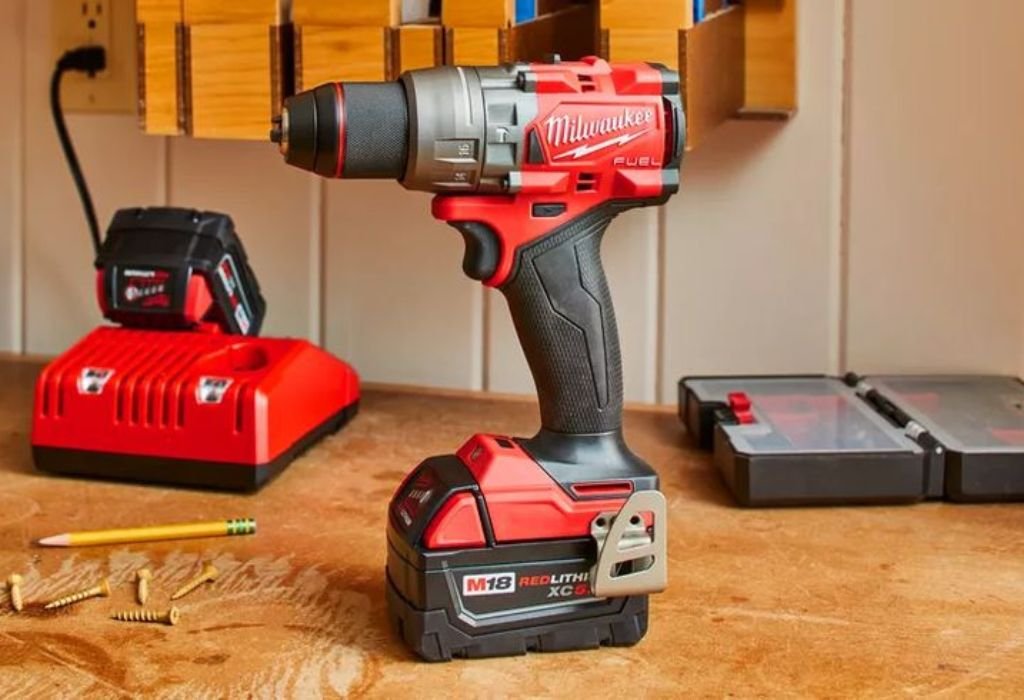
Masonry isn’t just one material — it’s a mix of some of the toughest building substances known to man. It includes brick, concrete, stone, and mortar, all designed to withstand years of weather, pressure, and load.
These materials are incredibly dense. Concrete, for example, is made from cement, sand, gravel, and sometimes rebar. Bricks are kiln-fired clay hardened at high heat. Mortar is a blend of lime, sand, and cement — designed to bind materials together.
Drilling into masonry means working against all these layers of resistance. The surface may crumble, but underneath lies stone-hard aggregate that fights back. Friction builds fast, and heat dulls bits quickly.
Unlike wood or drywall, masonry doesn’t have fibers or grain — it’s compact. When your drill bit hits it, the only way to move forward is through impact and grinding, not slicing.
That’s why you need a masonry bit with a carbide tip and a drill powerful enough to maintain steady torque. Without these, your drill will overheat, the bit will glaze over, and progress will stop completely.
Even professionals slow down when drilling masonry because precision matters more than speed. The key is understanding that masonry is less about brute force and more about control, patience, and choosing the right gear.
What counts as masonry material?
Anything made from brick, concrete, stone, or cement is masonry.
Why is masonry difficult to drill?
It’s dense and abrasive — normal bits can’t cut through without dulling.
Can all drills handle masonry?
No. You need strong torque and the right bit to make any progress.
Why does the drill heat up so fast?
Friction and impact on hard materials generate intense heat quickly.
Can you use a standard bit for masonry?
No. Only carbide-tipped masonry bits are designed for this purpose.
Can a Cordless Drill Really Work on Masonry?
The short answer is yes — but with limits. A cordless drill can drill into masonry if it’s powerful enough and used correctly.
Modern cordless drills, especially 18V or 20V brushless models, produce impressive torque. They can easily handle brick, mortar, and even some light concrete surfaces. The key lies in how you use them and what features they have.
If your cordless drill has a hammer function, you’re in luck. Hammer mode adds a rapid pounding motion while rotating, allowing the bit to chip away at tough surfaces. This percussive force makes all the difference.
Without hammer mode, you can still drill into softer masonry like brick or mortar joints, but solid concrete will test the drill’s limits. You might still succeed, but it will be slow, and battery life will drain quickly.
High-quality cordless drills like the DeWalt XR, Bosch Pro, or Makita LXT lines are designed for these jobs. Their brushless motors deliver higher torque, longer runtime, and less heat buildup.
The truth is, a cordless drill won’t replace a rotary hammer for heavy-duty work, but for home projects — hanging shelves, mounting TVs, drilling anchor holes — it’s more than capable.
The secret isn’t just power. It’s patience, proper bits, and short drilling bursts to avoid overheating. Treat your drill kindly, and it’ll reward you with clean, precise holes even in brick or block.
Can a cordless drill drill through brick?
Yes. Most 18V or higher cordless drills can easily handle brick.
Can it drill into concrete?
Yes, shallow holes are possible — deeper ones need a hammer drill.
Do I need hammer mode?
For hard concrete or stone, absolutely. It speeds up drilling and reduces wear.
How long does a battery last during masonry drilling?
Roughly 10–20 minutes of continuous drilling per full charge.
Can a cordless drill replace a corded one?
For light jobs, yes. For heavy-duty construction, a corded drill performs better.
Choosing the Right Cordless Drill for Masonry
Not all cordless drills are created equal. Some are perfect for assembling furniture, while others are built to tackle solid concrete. Knowing the difference saves time and frustration.
Start with voltage. Anything under 18V will struggle with masonry. An 18V or 20V cordless drill offers the torque needed to power through brick and concrete. Brushless motors are another must — they’re more efficient, run cooler, and provide steady power.
Then, check for a hammer function. Without it, drilling masonry becomes a slow grind. Hammer mode delivers short, fast impacts that help the bit crush through dense material.
Also, pay attention to battery capacity. Drilling masonry consumes power fast, so use high amp-hour batteries (4Ah or 5Ah). They’ll last longer and provide consistent torque.
The chuck type matters too. Metal chucks hold bits tighter than plastic ones and resist slippage under stress.
Lastly, consider ergonomics. A drill with a comfortable grip and secondary handle reduces strain and keeps your aim steady — critical when drilling into stone or concrete.
If you’re serious about long-term use, brands like Milwaukee M18 Fuel, Makita XPH14Z, or DeWalt DCD996 are worth investing in. They’re cordless but strong enough to rival small corded hammer drills.
What voltage drill is best for masonry?
18V or 20V models offer the perfect balance of power and control.
Are brushless drills really better?
Yes. They deliver higher torque, longer runtime, and less wear.
Do all cordless drills have hammer mode?
No. Look for models labeled “hammer drill/driver.”
Can I use smaller batteries for short jobs?
Yes, but expect faster drain and lower torque.
What’s better for masonry — cordless or corded?
Cordless for convenience, corded for power and endurance.
The Importance of the Right Drill Bit
Even the strongest drill is useless without the right bit. The drill bit does the actual cutting, and in masonry, the wrong choice can ruin everything.
A masonry drill bit has a tungsten carbide tip, shaped to crush rock instead of slicing it. The fluted shaft removes dust and keeps the hole clean. When used with a hammer drill, each rotation chips away tiny bits of concrete or brick, allowing deeper penetration.
Standard masonry bits are great for cordless drills, but SDS bits (found on rotary hammers) are too heavy-duty for most cordless models. Choose bits labeled for “standard chuck” drills.
Keep bit size in mind — for general wall anchors, use 3/16″ or 1/4″. For heavier bolts, go larger. Always check your anchor’s diameter before drilling.
To extend bit life, drill in short bursts and allow time for cooling. Blowing out dust mid-way also helps keep friction low.
Remember — your bit is doing the hard work. A few seconds of rest can add hours of lifespan.
Can I use a metal bit for masonry?
No. Metal bits will dull immediately or break.
Why is my masonry bit smoking?
It’s overheating — drill slower and clear dust regularly.
What’s the best size for wall plugs?
Typically 6mm or 8mm holes, depending on anchor size.
Do SDS bits fit cordless drills?
Only if your drill has an SDS-compatible chuck.
How long do masonry bits last?
Dozens of holes in brick, fewer in concrete — if cooled properly.
Step-by-Step: How to Drill Masonry with a Cordless Drill
Drilling masonry successfully is all about patience and precision. Here’s the professional process for clean, crack-free results.
Start by marking your hole clearly with a pencil. Stick masking tape over it to keep the bit from wandering. Insert your masonry bit into the chuck and tighten securely.
Set your drill to low speed and hammer mode (if available). Hold the drill perpendicular to the wall and start slowly, letting the bit carve a small indentation.
Once the bit bites, increase speed slightly. Don’t force it — steady, firm pressure works best. Drill in short bursts, withdrawing occasionally to remove dust and cool the bit.
If the bit stops cutting, back it out, blow away debris, and continue. Never push harder — friction will only overheat the bit.
When the hole reaches your target depth, stop immediately and clean it with compressed air or a brush. The cleaner the hole, the stronger the anchor grip.
Patience pays off here. A few minutes of careful work saves hours of frustration and broken bits later.
Should I use water to cool the bit?
Yes, occasional misting prevents overheating and prolongs lifespan.
What if my drill stops halfway?
You may have hit aggregate — reposition slightly or use a stronger bit.
Can I drill through both tile and masonry?
Yes, start without hammer mode for tile, then switch it on for masonry.
How deep should I drill?
About 1/4 inch deeper than the screw or anchor length.
What happens if I drill too fast?
You’ll overheat the bit, glaze the tip, and dull it permanently.
Common Mistakes to Avoid
Even with good tools, small mistakes can ruin your project. Here are the most common ones — and how to avoid them.
The biggest error is pushing too hard. Pressure doesn’t help masonry drilling; it only overheats your bit and drains your battery. Let the bit’s carbide tip do the work.
Another mistake is using the wrong bit. Many beginners accidentally use metal or wood bits — they dull in seconds against concrete.
Drilling continuously without stopping is another issue. Masonry bits need time to cool. Short bursts of 10–15 seconds prevent heat buildup and keep your bit sharper longer.
Skipping dust removal weakens your anchors. Dust collects inside holes and reduces grip strength, leading to wobbly fixtures.
Finally, drilling without hammer mode on hard concrete wastes energy. If your cordless drill doesn’t have hammer mode, stick to brick or softer mortar.
Every mistake costs time, but every correction builds skill. Learn the rhythm of drilling — gentle, steady, and patient.
Why is my drill smoking?
Too much pressure or continuous drilling without cooling.
Why are my holes uneven?
The bit slipped or you drilled at an angle.
Can I reuse old, dull bits?
No. Dull bits increase friction and cause cracks.
What if I drilled too deep?
Use longer anchors or fill with epoxy before inserting screws.
Why does my battery die quickly?
Masonry work drains batteries fast — use higher amp-hour models.
Safety and Maintenance Tips
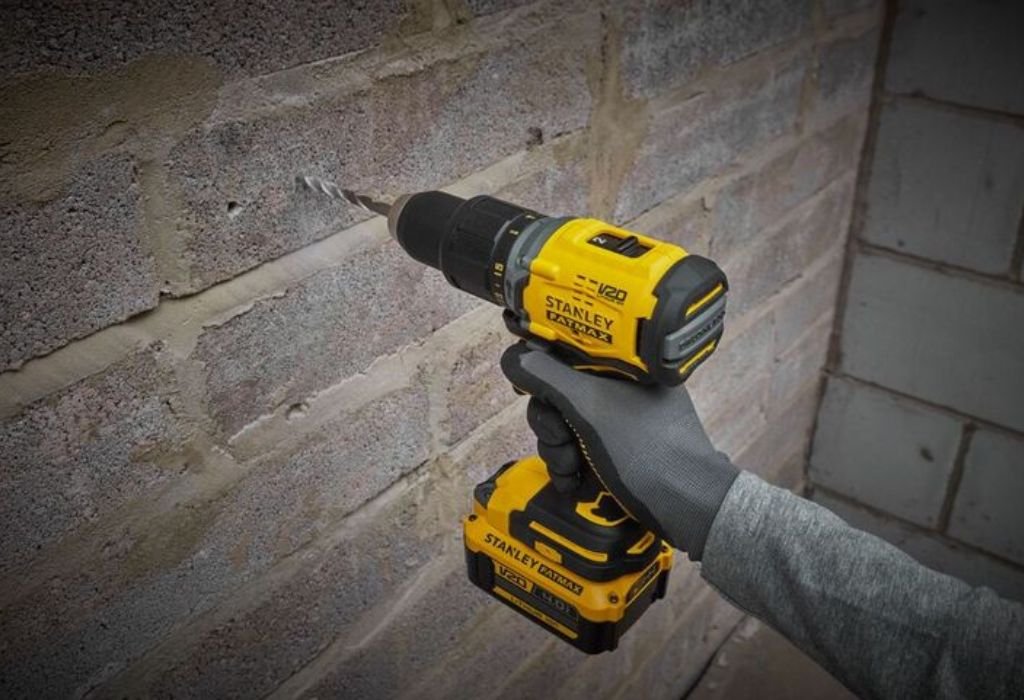
Drilling into masonry might seem simple, but safety always comes first.
Wear goggles to protect your eyes from chips and dust, and a dust mask to avoid inhaling silica particles. Gloves can help reduce vibration and protect your hands from sharp debris.
Always maintain a firm stance with both hands on the drill. Sudden torque can twist your wrist if the bit catches on stone or rebar.
Avoid drilling near electrical outlets or pipes — use a stud finder to check what’s behind the wall.
Let your drill rest after a few holes. Continuous use overheats the motor and battery. Clean the bit after use with a wire brush, then store it dry to prevent rust.
For the drill itself, keep the chuck free of debris and periodically wipe down the vents to avoid dust buildup. Charge batteries fully before storing, and don’t leave them in extreme heat.
A little care keeps your cordless drill performing like new for years.
Do I need hearing protection?
Yes, drilling masonry can exceed safe noise levels.
Can masonry dust damage my drill?
Yes, always keep vents clear and avoid direct dust intake.
How long should I let my drill cool between holes?
About 30–60 seconds for heavy drilling.
Can I lubricate my drill bits?
No oil — just use air or water for cooling.
Is it okay to drill above shoulder height?
Yes, but use both hands and maintain balance for safety.
Conclusion
So, can a cordless drill really be used for masonry? Absolutely — with the right technique, the right bit, and a bit of patience.
Today’s cordless drills are powerful, efficient, and versatile. They can drill through brick, block, and even concrete when handled correctly.
The secret isn’t brute force; it’s precision. Slow speeds, proper cooling, and carbide-tipped masonry bits turn an ordinary cordless drill into a capable masonry tool.
For most home projects — mounting shelves, hanging décor, or installing wall anchors — a cordless drill does the job perfectly. For heavy structural work, consider upgrading to a rotary hammer or SDS drill.
In the end, mastering cordless masonry drilling is about balance. Control the speed, respect the material, and let the tool work for you.
Because when used wisely, a cordless drill isn’t limited by its size — it’s powered by your skill.

I’m John F. Nicholas, the founder, lead writer, and drill enthusiast behind 101drill.com. With years of hands-on experience in power tools and DIY projects, I created this platform to share practical knowledge, expert tips, and real-world insights to help others master the art of drilling.