
Precision in drilling is never an accident — it’s the result of careful engineering and smart design. A drill press brings accuracy, stability, and repeatability that handheld tools can’t match. But to understand its precision, you must know the role of its most overlooked part — the quill.
So, what is quill diameter on a drill press and why does it matter? The quill is the sleeve that guides the spindle as it moves vertically, ensuring the bit travels in a straight line. Its diameter defines how stable and rigid the entire spindle assembly remains while cutting through wood or metal.
A thicker quill resists flexing, vibration, and misalignment, leading to smoother, cleaner holes. Even a small increase in quill diameter dramatically improves accuracy and tool life.
According to Machinery’s Handbook, minimizing runout — the wobble of a rotating bit — is key to achieving perfect results, and the quill diameter directly influences that.
Understanding What Quill Diameter Means
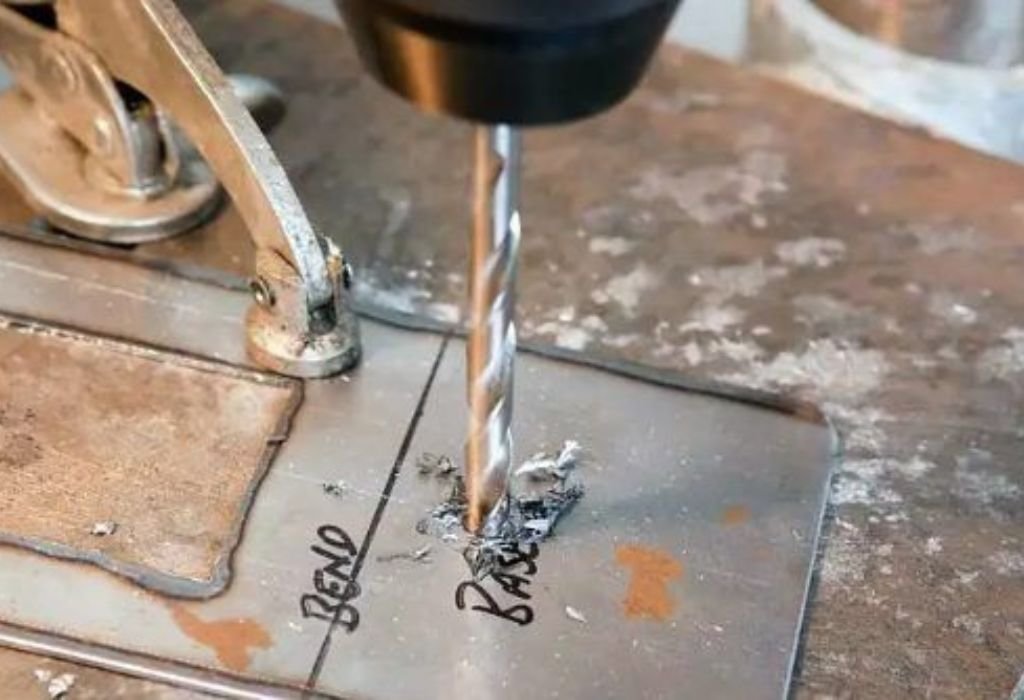
A drill press isn’t just about spinning a bit; it’s about keeping that bit perfectly straight and steady.
At the center of this precision lies the quill — the hollow sleeve that houses the spindle and moves it smoothly up and down. It’s the part that ensures your bit enters material without drifting even a fraction of a millimeter.
The quill diameter is the measurement of that sleeve’s outer thickness. It may seem like a minor technical detail, but it’s one of the biggest factors that determine drilling stability. A larger diameter means the quill is stronger, more rigid, and less likely to flex when pressure is applied.
When drilling into hard steel or dense wood, that rigidity becomes everything. A thin quill can bend ever so slightly, throwing the spindle off-center and creating holes that are uneven or oversized. A thick quill keeps the bit aligned perfectly through the entire stroke, maintaining accuracy under load.
Small bench-top drill presses usually have quills between 1.5 and 2 inches in diameter. These are great for lighter tasks or hobby use but can struggle under heavy-duty drilling. Industrial machines, on the other hand, often feature quills from 2.75 to 3 inches thick, built for professional precision.
The takeaway is simple — the bigger the quill diameter, the better the control. It’s the backbone of a drill press’s accuracy, turning power into precision and ensuring each hole is as straight and clean as the last.
How Quill Diameter Affects Drilling Precision
When you lower the feed handle on a drill press, you expect the bit to move in a perfect vertical line. That movement depends on the quill’s stability. If the quill flexes, even slightly, the spindle wobbles, and the bit can cut off-center.
This movement is called runout, and it’s the silent enemy of precision. A small amount may not be visible, but it can ruin tight tolerances in metalwork or delicate joinery in woodworking. The larger your quill diameter, the more resistance it offers to that flex, ensuring flawless alignment.
A rigid quill also keeps vibration in check. When drilling dense materials, vibration travels through the machine body and into the spindle. A narrow quill amplifies that shake; a wide quill absorbs and dampens it. This difference determines whether you get mirror-smooth holes or rough, chatter-marked ones.
Moreover, a sturdy quill extends tool life. Less vibration means less wear on bearings, smoother feed motion, and longer-lasting bits. Consistent pressure and alignment also reduce strain on the motor, making the entire drill press more efficient.
Precision drilling is all about control, and control starts with the quill. The diameter doesn’t just define how the tool looks — it defines how it performs. The thicker it is, the closer you get to perfect accuracy on every pass.
How to Measure Quill Diameter Accurately
Knowing what is quill diameter on a drill press is important, but measuring it correctly matters just as much. The process is simple yet essential for anyone comparing machines or replacing parts.
Begin by unplugging the drill press and lowering the quill completely using the feed lever. Clean off any dust or oil so you’re measuring the true metal surface. Place a caliper or micrometer around the exposed quill and record the reading — that’s your quill diameter.
It’s easy to confuse the quill with the spindle, but they’re different parts. The spindle is the rotating shaft that holds the chuck and bit, while the quill is the outer sleeve that moves the spindle vertically. You always measure the quill’s outer surface, not the spinning core.
Most drill press manuals list this measurement under specifications. Bench models usually measure around 2 inches, while heavy-duty presses range up to 3 inches. A small change in size can make a big difference in stability and accuracy.
Once you know your quill diameter, you can better understand your machine’s limits, choose proper accessories, and evaluate performance. It’s a simple check that tells you a lot about your drill’s true precision potential.
Typical Quill Diameters and Their Applications
Not every drill press is built for the same job. The quill diameter helps determine which machine fits your needs best. Smaller quills offer lightness and maneuverability, while larger ones deliver strength and endurance.
Compact bench-top presses with 1.5 to 2-inch quills are ideal for woodworkers, DIY users, and light-metal drilling. They’re easy to handle, efficient, and perfect for small-scale precision work. But they’re not meant for deep or high-pressure drilling.
Medium-duty models often feature quill diameters of 2 to 2.5 inches. They balance portability with performance, handling both wood and mild steel with confidence. These are common in workshops that demand accuracy without the bulk of industrial machines.
For the heaviest workloads, professional and industrial drill presses use quills between 2.75 and 3.5 inches. These machines are built for production environments where precision, depth control, and vibration-free operation are essential. The extra thickness keeps the spindle locked in alignment through continuous use.
Choosing the right size depends on your work. If you value precision over brute force, smaller models are fine. But if you drill deep holes in hard materials daily, a thicker quill is your guarantee of consistent, clean results every time.
Maintaining the Quill for Long-Term Accuracy
Even the strongest quill loses precision without proper care. Over time, dust, debris, and lack of lubrication can cause friction, wear, and sticking. Maintenance keeps your quill moving smoothly and extends the life of your entire drill press.
After each use, lower the quill and wipe it with a clean cloth to remove chips or oil residue. Apply a thin coat of light machine oil or silicone lubricant to prevent corrosion and keep the sleeve gliding freely. Avoid using heavy grease, which attracts dust and causes buildup.
Check for side play by extending the quill fully and gently moving it side to side. If you feel looseness, tighten the quill tension collar or adjust the bearings according to your press’s manual. Regular inspection helps catch minor issues before they affect accuracy.
Don’t force the feed lever beyond its limit — overextension wears out internal guides. Always store your drill press in a dry, covered area to prevent rust on exposed surfaces. With consistent care, your quill will remain tight, smooth, and dependable for years.
A well-maintained quill doesn’t just preserve alignment; it ensures every hole you drill reflects precision, control, and craftsmanship.
Frequently Asked Questions About Quill Diameter on a Drill Press

What is the quill on a drill press?
The quill is the hollow metal sleeve that guides the spindle up and down as you drill. It keeps the bit aligned so each hole is straight and accurate. Without it, the spindle would wobble, reducing precision and stability during operation.
What does quill diameter mean?
The quill diameter is the outer width of the quill sleeve. It indicates how thick and strong the quill is, which directly affects drilling rigidity. A larger diameter means less flex, smoother operation, and cleaner, more consistent holes.
Why is quill diameter important for precision?
A thicker quill provides greater support to the spindle, minimizing vibration and runout. This stability ensures that the drill bit stays centered during cutting. As a result, holes come out cleaner, straighter, and uniform in depth.
What happens if the quill diameter is too small?
A small or thin quill can flex slightly under drilling pressure. This movement causes wobble, chatter, or oversized holes, especially in metal. Over time, it can also wear out bearings faster and reduce the machine’s accuracy.
What is the standard quill diameter for most drill presses?
Smaller bench models typically feature 1.5 to 2-inch quills for light work. Medium-duty models average 2 to 2.5 inches, while heavy industrial presses use 3-inch quills or more. Larger diameters always mean better stability under load.
Does quill diameter affect vibration control?
Yes, it does. A wider quill absorbs vibration more effectively, keeping the bit steady even at high torque. This not only protects the motor and bearings but also improves the surface finish of every hole drilled.
How can I measure the quill diameter on my drill press?
Lower the quill completely and use a digital caliper to measure its outer surface. Avoid measuring the spindle or chuck. The result gives you the true quill diameter, which you can compare with your drill’s manual specifications.
Can quill diameter be upgraded or changed?
No, the quill size is fixed by the manufacturer’s design. However, you can upgrade to a higher-grade drill press with a larger quill. Choosing a model with a stronger quill provides immediate improvement in accuracy and tool life.
Does quill maintenance impact accuracy?
Absolutely. Keeping the quill clean, lubricated, and rust-free ensures smooth vertical movement. Regular maintenance prevents stiffness and wear, helping the drill press maintain precision even after years of heavy use.
How does quill diameter relate to professional drilling results?
It’s the foundation of every accurate hole. A sturdy quill holds alignment steady, controls vibration, and enhances depth consistency. Professionals choose thicker quills because they guarantee repeatable, high-quality performance on every project.
Conclusion
Understanding what is quill diameter on a drill press gives you more than technical knowledge — it gives you control over accuracy itself. The quill’s diameter is what keeps your bit true, your spindle stable, and your holes perfectly aligned.
A thicker quill means better rigidity, less vibration, and smoother performance under pressure. It’s the difference between a wobbly drill and one that feels like an extension of your hands. By knowing and maintaining this crucial part, you’re ensuring your drill press performs at its peak every time.
Take care of your quill, choose the right diameter for your needs, and never underestimate its impact. Because when it comes to precision drilling, everything — from clean edges to flawless alignment — begins with the strength of the quill.

I’m John F. Nicholas, the founder, lead writer, and drill enthusiast behind 101drill.com. With years of hands-on experience in power tools and DIY projects, I created this platform to share practical knowledge, expert tips, and real-world insights to help others master the art of drilling.