
Setting up furniture or hanging shelves often starts smoothly until a cordless screwdriver struggles to make even a small pilot hole. Many DIYers pause mid-project, asking the question: can a cordless screwdriver be used as a drill?
The answer isn’t always obvious because both tools look similar at first glance. A cordless screwdriver is lighter, smaller, and designed primarily for driving screws, while drills deliver higher torque and speed for tougher materials.
Homeowners like the idea of using one compact tool for multiple tasks. If a cordless screwdriver can handle light drilling, it saves money, storage space, and setup time for smaller projects.
Research shows most cordless screwdrivers operate between 4–12 volts, while standard cordless drills start around 14–24 volts (Engineering Toolbox). This voltage gap explains why drills handle dense materials like hardwood or masonry better.
Torque ratings tell a similar story. Drills produce far more rotational force, making them suitable for boring holes into wood, metal, and sometimes concrete when combined with the right bits and settings.
Still, there are scenarios where a cordless screwdriver doubles as a low-power drill. With the right accessories and techniques, it can make pilot holes in softwood, thin plastic, or lightweight DIY materials without damaging surfaces.
This guide explores the technical differences, ideal use cases, accessories, safety tips, and common mistakes to avoid when using a cordless screwdriver as a drill. By the end, you’ll know exactly when it works—and when a full drill is the smarter choice.
Can a Cordless Screwdriver Be Used as a Drill? Quick Verdict
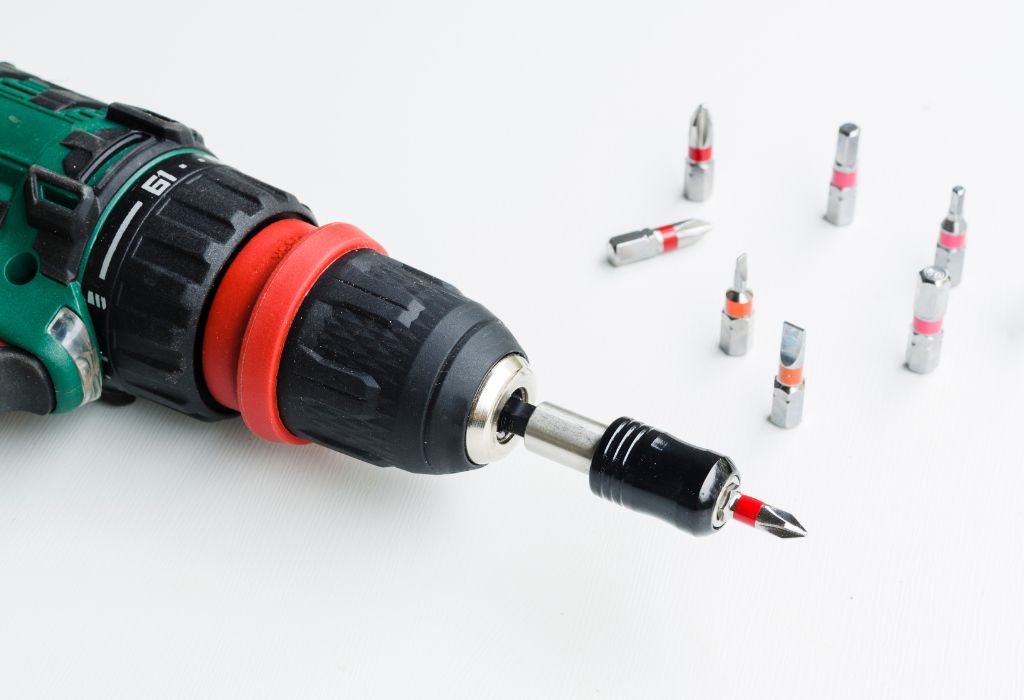
A cordless screwdriver can be used as a drill for light-duty tasks. It works best for small holes in soft materials such as thin wood, plastic, or drywall when paired with the correct drill bits.
However, it lacks the power, torque, and speed to handle denser materials like hardwood, metal, or concrete. Standard cordless drills provide far better performance for heavier drilling applications.
Cordless screwdrivers typically operate on lower voltage batteries, which limits rotational force. This affects drilling depth and speed, making them more suitable for delicate or low-resistance projects.
Adapters like hex-to-chuck converters allow cordless screwdrivers to hold standard drill bits. Still, the motor strength remains the key limiting factor when compared to actual drills.
For small DIY tasks, a cordless screwdriver may save time and reduce fatigue. For anything beyond light drilling, investing in a proper cordless or hammer drill delivers better results.
Q&A Section
Can a cordless screwdriver drill pilot holes in wood?
Yes, it works well for small pilot holes in softwood or plastic.
Is it suitable for concrete or brick walls?
No, the power and torque are insufficient for masonry drilling.
Will it damage screws or bits when used for drilling?
Not if used on low-resistance materials with correct speed control.
Does it replace a standard drill for home projects?
No, drills handle larger holes, denser materials, and faster work.
Is it worth using for light DIY projects?
Yes, for small, low-power tasks where portability matters.
Technical Differences – Torque, Voltage & Motor Types
Torque, voltage, and motor design determine whether a cordless screwdriver can be used as a drill effectively. These factors directly influence power, speed, and drilling capacity.
Cordless screwdrivers typically run on 4–12 V batteries, while cordless drills operate at 14–24 V or higher. This voltage difference explains why drills deliver greater torque and speed for demanding tasks.
Torque measures rotational force. Drills produce much higher torque levels than screwdrivers, allowing them to bore holes into hardwood, metal, or masonry without stalling.
Motor design also plays a role. Brushless motors in modern drills maintain efficiency under load, reduce heat buildup, and extend tool life compared to brushed motors often found in lower-end screwdrivers.
Lower voltage and torque make screwdrivers better for precision screwdriving and light drilling, while drills remain the tool of choice for heavy-duty applications.
Q&A Section
Why do drills need higher voltage than screwdrivers?
Higher voltage delivers more torque and speed for tougher materials.
Does torque matter when drilling?
Yes, torque provides the force needed to cut through dense surfaces.
Do brushless motors improve performance?
Yes, they run cooler, last longer, and maintain consistent power.
Can screwdrivers with low voltage drill metal or masonry?
No, they lack the torque and speed required for hard materials.
Does motor type affect battery life?
Yes, brushless motors consume less power and extend runtime.
When It Works – Best Use Cases for Screwdrivers as Drills
A cordless screwdriver can handle small drilling jobs when the material is soft, the hole is shallow, and precision matters more than speed. Using the correct drill bit size is essential to prevent overloading the tool.
It works well for pilot holes in thin wood, drywall, or plastic where only light torque is required. These holes make driving screws easier and reduce the risk of splitting materials.
For tight spaces where larger drills cannot fit, a compact cordless screwdriver becomes useful. Its lightweight design reduces fatigue during repetitive tasks.
Delicate projects like furniture assembly or mounting lightweight fixtures also benefit from the screwdriver’s lower torque, which prevents overdriving or damaging surfaces.
Electronics work and small craft projects often require low-speed, controlled drilling. A cordless screwdriver provides enough precision without the power of a full drill.
Q&A Section
Can a cordless screwdriver drill pilot holes in wood?
Yes, it works well for small pilot holes in softwood and plastic.
Is it suitable for mounting shelves or curtain rods?
Only if the walls are soft materials like drywall, not masonry.
Can it be used for furniture assembly?
Yes, it helps prevent surface damage and over-tightening.
Does it work in tight or awkward spaces?
Yes, its compact size makes it ideal for confined areas.
Is it recommended for electronics projects?
Yes, the low torque prevents damage to delicate components.
Accessories & Adaptations – Can They Be Equipped for Drilling?
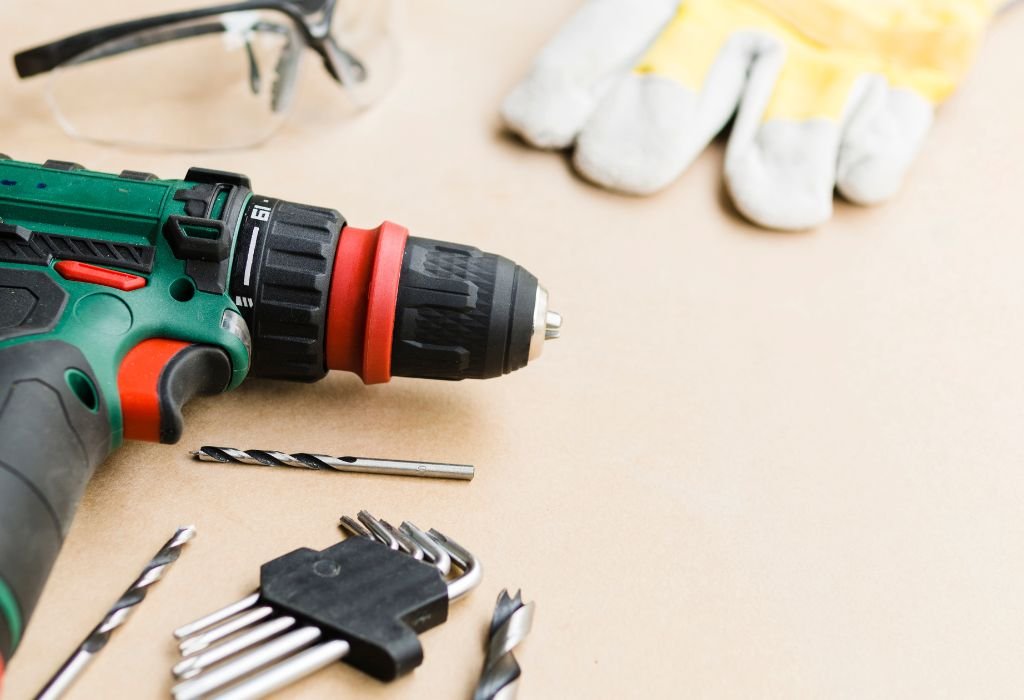
Cordless screwdrivers can use hex-to-chuck adapters to hold standard drill bits. These adapters fit into the screwdriver’s hex chuck, allowing greater bit flexibility for light drilling tasks.
Only small-diameter bits should be used because large bits require torque levels that cordless screwdrivers cannot deliver. Overloading the motor risks overheating or premature wear.
Some manufacturers sell specialty drill bits designed for low-speed tools. These bits have optimized cutting edges for thin materials and softwoods, reducing strain on the motor.
Depth stops and adjustable collars help maintain consistent hole depth when using a cordless screwdriver as a drill. This feature prevents damaging surfaces or drilling too deep.
Despite these accessories, cordless screwdrivers remain best suited for light-duty work. For masonry, metal, or thick wood, a standard drill or hammer drill is still necessary.
Q&A Section
Can adapters turn screwdrivers into mini drills?
Yes, hex-to-chuck adapters allow standard drill bits to be used.
Are large drill bits safe for cordless screwdrivers?
No, they require more torque than screwdrivers can provide.
Do specialty drill bits exist for low-power tools?
Yes, some bits are designed for soft materials and low-speed tools.
Is depth control possible with screwdrivers?
Yes, with adjustable collars or depth stops for precision drilling.
Can adapters make screwdrivers as powerful as drills?
No, they expand usability but cannot overcome torque limits.
Avoiding Mistakes When Using as a Drill
Using a cordless screwdriver as a drill requires understanding its limits. Pushing the tool beyond its design often leads to overheating, motor strain, or poor drilling results.
One common mistake is forcing the tool through hard materials like concrete or metal. The screwdriver’s low torque and speed are not built for high-resistance surfaces.
Another mistake is using large-diameter drill bits that require more power than the screwdriver can deliver. This leads to stalling or battery drain during operation.
Failing to use pilot holes in denser materials also causes excessive wear on the motor and bit. Small starter holes reduce the load on the tool and improve accuracy.
Overlooking battery charge levels is another issue. Low battery voltage reduces torque output, making drilling even harder for cordless screwdrivers.
Q&A Section
Can forcing the tool damage the motor?
Yes, pushing too hard strains the motor and risks burnout.
Do large drill bits work with cordless screwdrivers?
No, they require torque levels the tool cannot provide.
Are pilot holes necessary for dense materials?
Yes, they reduce tool strain and improve drilling precision.
Does a low battery affect drilling power?
Yes, low voltage reduces torque and drilling performance.
Can overheating be prevented?
Yes, take breaks and avoid forcing the tool during drilling.
Safety, Ergonomics & Battery Care
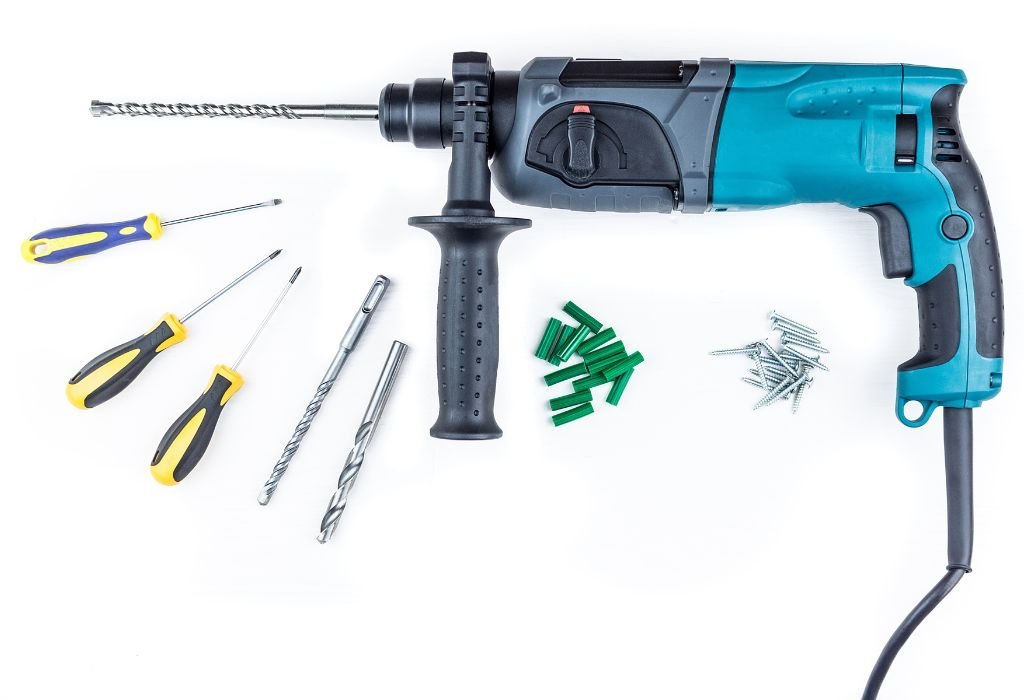
Using a cordless screwdriver as a drill requires proper safety practices to prevent accidents and extend tool life. Lightweight tools reduce strain but must be handled correctly to maintain control.
Wearing eye protection prevents injuries from flying debris when drilling into softwood or drywall. A dust mask is helpful if the material produces fine particles.
Ergonomics also matter. Lightweight screwdrivers reduce wrist fatigue, especially for overhead or repetitive drilling tasks in tight spaces.
Battery care is essential for consistent performance. Always allow batteries to cool before recharging and store them in a dry, room-temperature environment to extend lifespan.
Overcharging or draining batteries completely reduces their efficiency over time. Most manufacturers recommend partial charging cycles for lithium-ion packs.
Q&A Section
Is safety gear necessary for light drilling?
Yes, eye and dust protection should always be used.
Do cordless screwdrivers reduce fatigue?
Yes, their lighter weight makes long tasks more comfortable.
Should batteries cool before charging?
Yes, charging hot batteries shortens their lifespan.
Is complete battery drain recommended?
No, partial charging cycles maintain battery health.
Does storage temperature affect battery life?
Yes, extreme heat or cold damages battery cells.
Summary – Can a Cordless Screwdriver Be Used as a Drill?
A cordless screwdriver can be used as a drill for light-duty tasks with the right accessories and drilling techniques. It works best for small pilot holes, soft materials, and tight spaces where portability and control matter more than raw power.
However, cordless screwdrivers cannot replace standard drills for heavy-duty work. Low torque, slower speeds, and limited battery capacity make them unsuitable for hardwood, masonry, or metal drilling projects.
Adapters, specialty bits, and proper technique expand their usability, but tool limitations remain. Knowing when to use a screwdriver versus a drill ensures better results, fewer tool failures, and improved safety on DIY projects.
For serious drilling needs, investing in a dedicated cordless drill or hammer drill saves time and delivers professional results without overworking a smaller tool.
Q&A Section
Can a cordless screwdriver replace a drill entirely?
No, it only handles light-duty drilling tasks in soft materials.
What are the best uses for a cordless screwdriver as a drill?
Pilot holes, furniture assembly, and delicate projects with low torque needs.
Do accessories make screwdrivers more capable?
Yes, adapters and bits help, but power limitations remain.
Is a cordless drill better for frequent drilling?
Yes, drills provide more torque, speed, and durability for larger projects.
Should both tools be kept for DIY work?
Yes, screwdrivers handle light work; drills manage demanding tasks.

I’m John F. Nicholas, the founder, lead writer, and drill enthusiast behind 101drill.com. With years of hands-on experience in power tools and DIY projects, I created this platform to share practical knowledge, expert tips, and real-world insights to help others master the art of drilling.