
Installing shelves, wall anchors, or outdoor fixtures often seems simple until the drill bit touches solid concrete and barely scratches the surface. Many DIYers start the job confidently but end up with overheated bits, drained batteries, and incomplete holes.
The challenge raises an important question: can a cordless drill go through concrete, or is specialized equipment always required? Tool manufacturers advertise impressive power levels for modern cordless drills, yet professional contractors often recommend hammer drills or rotary hammers for masonry work.
This gap between expectations and reality leaves homeowners curious. If a standard cordless drill can handle small projects, it could save the cost of renting or buying heavier equipment. On the other hand, using the wrong tool might damage the drill, waste time, or even crack the concrete surface.
Research shows that residential concrete typically reaches a compressive strength of 3,000–6,000 psi (Engineering Toolbox). That density explains why drilling into it requires the right combination of power, torque, bit quality, and drilling technique.
Meanwhile, modern 18 V and 20 V cordless drills equipped with brushless motors can deliver up to 750 W of output power (ToolGuyd). When paired with proper masonry bits and correct drilling methods, these tools can achieve surprisingly good results on light and medium concrete tasks.
This guide explores everything you need to know before starting the job. It explains tool selection, drilling techniques, safety precautions, and common mistakes to avoid. By the end, readers will know exactly when a cordless drill is enough—and when it is time to bring in heavier equipment for the best results.
Can a Cordless Drill Go Through Concrete? The Straight Answer
Cordless drills can go through concrete under the right conditions. Drill power, battery capacity, and the quality of the masonry bit all determine success.
For shallow holes in standard residential concrete, many 18V or 20V cordless drills deliver enough torque when combined with carbide-tipped bits. Brushless motors perform even better, reducing heat buildup and improving drilling consistency.
However, for frequent or deeper drilling, hammer drills or SDS rotary hammers remain more efficient. These tools combine rotation with impact force to break up concrete faster and reduce strain on the bit.
Concrete strength also affects results. Concrete in homes often measures 3,000–6,000 psi (Engineering Toolbox), but higher-grade concrete in industrial settings may require specialized equipment.
Proper drilling technique, such as steady pressure, controlled speed, and regular dust clearing, greatly improves performance and extends bit life.
Q&A Section
Can a cordless drill handle concrete walls?
Yes, if it has at least 18V power, brushless motors, and masonry bits.
Do standard drills work as well as hammer drills?
No, hammer drills are faster and better for heavy-duty or repeated drilling.
Will low-voltage drills work on concrete?
Not effectively; 12V drills often lack the torque for masonry drilling.
Does concrete strength affect drilling time?
Yes, higher psi concrete requires more torque and durable bits.
Are cordless drills suitable for large projects?
Not ideal; rotary hammers or corded drills handle large-scale jobs better.
Power, Torque, and Motor Types — Can I Drill Concrete With a Cordless Drill?
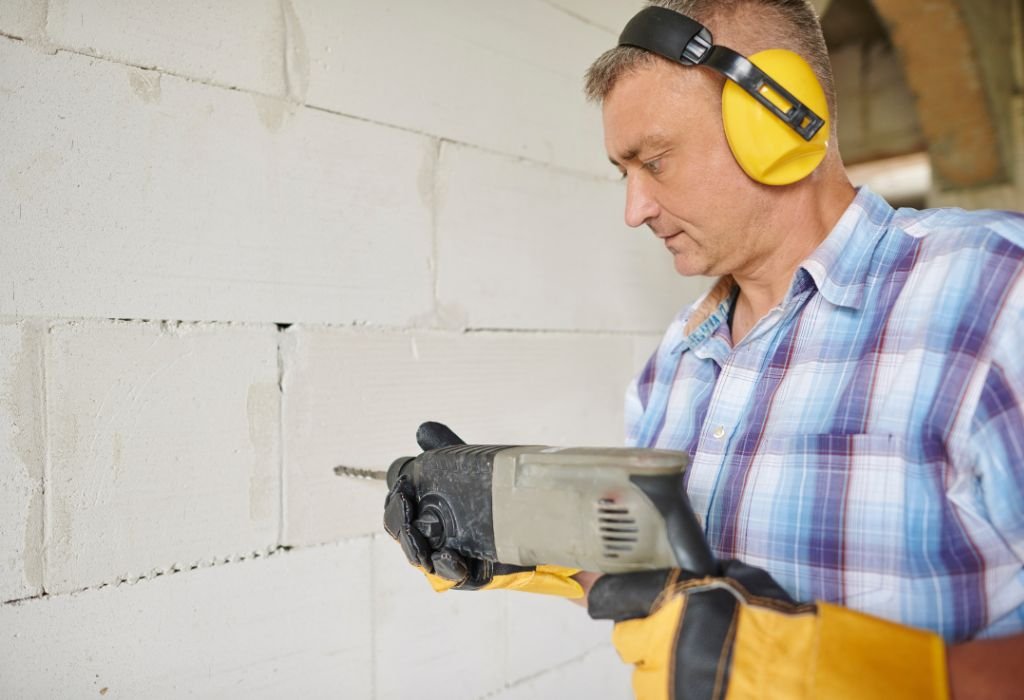
Power levels, torque output, and motor efficiency decide whether a cordless drill can drill concrete effectively. Choosing the right specifications prevents tool strain and ensures clean, accurate holes.
Most experts recommend drills with 18V or 20V batteries for small to medium concrete projects. These models deliver enough torque for masonry when paired with high-quality bits and correct drilling techniques.
Brushless motors offer improved energy efficiency, better heat control, and longer battery life. Compared to brushed motors, they maintain consistent speed under heavy loads, which is critical when drilling through tough materials like concrete.
Torque settings matter because concrete drilling demands steady power rather than high rotational speed. Many professionals suggest using low RPM with high torque for the best balance between control and performance.
Battery capacity also affects results. Larger 4.0Ah or 5.0Ah packs supply longer runtime and reduce voltage drop during demanding tasks, keeping drill performance stable.
Q&A Section
Does brushless technology help with concrete drilling?
Yes, brushless motors reduce heat, preserve torque, and improve efficiency.
Is torque more important than RPM for masonry work?
Yes, steady torque with lower speed prevents overheating and bit wear.
Do larger battery packs make a difference?
Yes, high-capacity packs maintain consistent power under heavy loads.
Can low-voltage drills handle concrete drilling?
No, most 12V models lack the torque for masonry surfaces.
Are impact drivers suitable for drilling concrete?
No, impact drivers are designed for screws, not concrete drilling.
Bits, Anchors, and Accessories — Can a Cordless Drill Go Through Concrete With the Right Kit?
The right drill bits and accessories make all the difference when drilling into concrete with a cordless drill. Standard wood or metal bits quickly overheat and fail, while masonry bits handle the abrasive surface better.
Carbide-tipped masonry bits remain the top choice for concrete. Their durability and heat resistance allow cleaner holes and longer life even in high-strength concrete.
For anchors, hole size and depth must match manufacturer specifications. Oversized or shallow holes lead to poor holding strength and structural issues.
Accessories like depth stops help maintain consistent drilling depth, while vacuum attachments control dust for a cleaner and safer workspace.
Using pilot holes on dense concrete reduces stress on larger bits and ensures greater accuracy during final drilling passes.
Q&A Section
Which drill bits are best for concrete surfaces?
Carbide-tipped masonry bits work best for strength and durability.
Do multi-material bits work on concrete?
They can, but specialized masonry bits last longer and drill faster.
How deep should holes be for anchors?
At least 1/4 inch deeper than the anchor length for proper fit.
Are depth stops useful for concrete drilling?
Yes, they prevent over-drilling and ensure consistent results.
Should pilot holes be drilled in concrete?
Yes, they make final drilling easier and reduce bit wear.
Preparing the Surface Before Drilling — Can I Drill Concrete With a Cordless Drill Safely?
Proper surface preparation reduces drilling errors, protects tools, and ensures cleaner results when using a cordless drill on concrete. Marking accurate drilling points prevents misaligned holes and unnecessary wall damage.
Using masking tape over the marked spot helps prevent the drill bit from wandering. It also minimizes surface chipping when the drilling begins.
Before drilling, scanning the wall for hidden pipes or electrical wires avoids costly and dangerous mistakes. A stud and wire detector provides quick and reliable checks for concealed obstacles.
Keeping the workspace free from dust and debris improves visibility and drilling accuracy. Safety gear such as goggles, gloves, and a dust mask ensures personal protection throughout the job.
In some cases, lightly tapping the drilling point with a nail punch creates a small guide dent, reducing bit slippage on smooth concrete surfaces.
Q&A Section
Do you need to mark drilling points before starting?
Yes, it ensures accurate and well-aligned holes.
Is masking tape necessary for concrete drilling?
Yes, it helps reduce surface chipping and bit wandering.
Should walls be scanned for pipes and wires first?
Yes, to prevent damage and safety hazards.
Does cleaning the surface improve drilling results?
Yes, it prevents debris from affecting visibility and accuracy.
Can a guide dent help with smooth concrete surfaces?
Yes, it keeps the drill bit from slipping at the start.
Drilling Technique — Step by Step
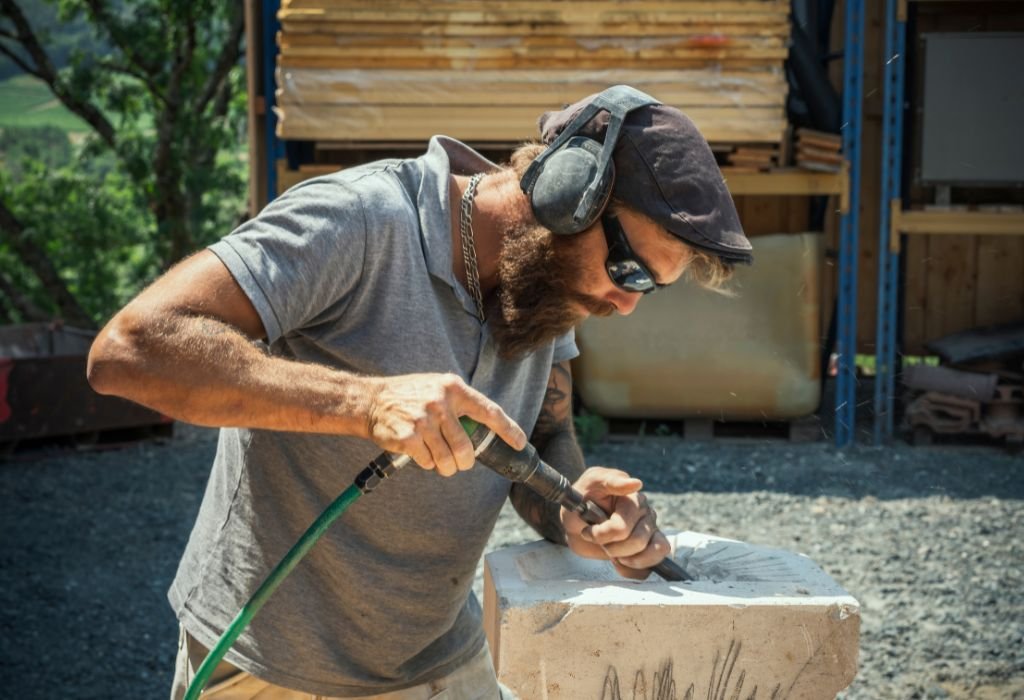
Using the right technique ensures cleaner holes, longer bit life, and safer drilling when using a cordless drill on concrete. Correct speed, pressure, and drilling intervals prevent overheating and tool strain.
Start drilling at a low RPM to let the masonry bit bite into the concrete surface. Gradually increase speed while applying steady, controlled pressure rather than forcing the drill forward.
Clear dust frequently by withdrawing the bit every few seconds. Dust removal prevents clogging, overheating, and reduced drilling accuracy.
For deep holes, consider drilling in stages using pilot holes before the final diameter. This method reduces stress on both the drill motor and the bit.
Keep the drill perpendicular to the wall surface throughout the process. Angled drilling weakens the hole shape and reduces anchor holding strength.
Q&A Section
Should drilling start at full speed?
No, begin slowly to maintain control and accuracy.
Is heavy pressure required for concrete drilling?
No, steady pressure with the right bit and speed works best.
How often should dust be cleared?
Every few seconds to prevent overheating and clogging.
Do pilot holes help in concrete drilling?
Yes, they reduce bit stress and improve accuracy.
Does drill angle affect hole strength?
Yes, keep the drill perpendicular for maximum holding power.
Safety & Dust Control — Can I Drill Concrete With a Cordless Drill Without Health Risks?
Drilling into concrete creates fine dust that contains crystalline silica, a substance linked to serious lung conditions. Controlling this dust protects both health and the workspace environment.
Using a vacuum attachment with a HEPA filter captures dust at the source while drilling. This method keeps air cleaner and aligns with OSHA-recommended practices for silica dust exposure.
For outdoor work, lightly misting the drilling area with water reduces airborne particles. However, ensure that the drill and battery remain dry to avoid electrical hazards.
Personal protective equipment is essential. Wear safety goggles, a dust mask or respirator, gloves, and ear protection to minimize exposure to noise and debris.
After drilling, clean the area thoroughly with a vacuum or wet mop instead of sweeping, which can send dust back into the air.
Q&A Section
Is silica dust harmful when drilling concrete?
Yes, prolonged exposure can cause serious respiratory illnesses.
Do cordless drills need dust control accessories?
Yes, vacuum shrouds or attachments keep dust levels low and safe.
Is wet drilling effective for dust suppression?
Yes, but prevent water from contacting the drill motor or battery.
Should a respirator be used during concrete drilling?
Yes, a certified dust mask or respirator protects against fine particles.
Is post-drilling cleanup important?
Yes, it prevents lingering dust from spreading throughout the area.
When to Step Up Tools — Hammer Drill vs SDS Rotary Hammer
Cordless drills handle light concrete tasks, but larger holes or denser materials often require more powerful tools. Hammer drills and SDS rotary hammers deliver the extra impact energy needed for heavy-duty masonry work.
Hammer drills combine rotation with a hammering action that breaks up concrete faster. This reduces drilling time and lowers strain on the bit and motor.
SDS rotary hammers go further, offering specialized chucks, higher impact force, and compatibility with larger-diameter bits. These tools excel in construction projects involving reinforced concrete or frequent drilling.
Corded models provide continuous power, while high-end cordless hammer drills and SDS models offer mobility with impressive battery performance. Choosing the right tool depends on project size, concrete thickness, and drilling frequency.
For most home projects, a cordless hammer drill works well. For professional or industrial tasks, SDS rotary hammers become the preferred choice.
Q&A Section
When should a hammer drill be used instead of a standard drill?
Use a hammer drill for deeper or frequent concrete drilling tasks.
Are SDS rotary hammers better for heavy-duty work?
Yes, they provide higher impact energy and handle reinforced concrete.
Do cordless SDS drills perform as well as corded models?
Yes, modern cordless SDS drills deliver power close to corded versions.
Is a standard cordless drill enough for small holes?
Yes, if paired with masonry bits and correct drilling technique.
Do SDS drills require special bits?
Yes, SDS-compatible bits fit securely and improve drilling efficiency.
Common Mistakes to Avoid — Can a Cordless Drill Go Through Concrete Without Errors?
Drilling into concrete with a cordless drill requires the right approach. Avoiding common mistakes saves time, protects tools, and delivers cleaner, safer results.
Using the wrong drill bits tops the list of errors. Wood or metal bits overheat quickly and wear out when used on masonry surfaces.
Applying too much speed or pressure often leads to drill motor strain and reduced bit lifespan. Concrete drilling works best with steady pressure and moderate speed rather than forcing the tool.
Drilling too close to concrete edges increases the risk of cracking or breaking the material. Stay at least two inches from edges to maintain structural integrity.
Ignoring dust removal during drilling clogs holes, overheats bits, and reduces anchor holding strength. Clearing dust regularly keeps drilling efficient and accurate.
Q&A Section
Can using metal bits damage a cordless drill?
Yes, they overheat and wear out quickly on concrete surfaces.
Does drilling too fast cause problems?
Yes, excessive speed overheats bits and damages the motor.
Is drilling near edges safe?
No, it risks cracking the concrete and weakening the structure.
Why is dust removal important?
It prevents overheating, improves accuracy, and ensures better anchor strength.
Does pushing too hard help drilling speed?
No, steady pressure delivers better control and reduces tool strain.
Post-Drill Maintenance — Can I Drill Concrete With a Cordless Drill Repeatedly and Keep Tools Healthy?
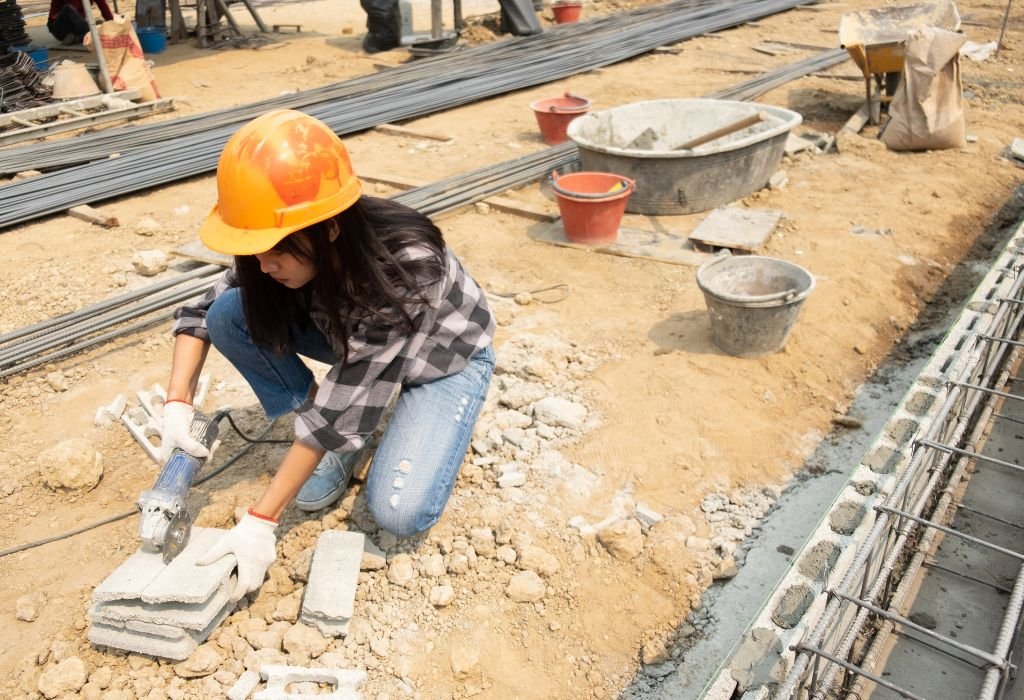
Proper maintenance after drilling extends the lifespan of cordless drills, batteries, and masonry bits. It also prepares tools for consistent performance on future projects.
Start by letting the drill and battery cool before storage or recharging. Heat buildup reduces battery efficiency and weakens internal motor components over time.
Clean dust from the drill’s vents, chuck, and body using a soft brush or compressed air. Dust accumulation leads to overheating and uneven motor performance.
Inspect drill bits for dull edges or visible cracks after each use. Replacing worn bits prevents inefficient drilling and protects the drill motor from unnecessary strain.
Store drills, batteries, and bits in a dry environment to prevent rust, corrosion, or accidental damage. Using a carrying case or tool organizer keeps everything secure and ready for the next job.
Q&A Section
Do drills need cooling time after drilling concrete?
Yes, cooling prevents battery stress and motor overheating.
How should drill bits be cleaned after use?
Remove dust with a soft brush and avoid harsh chemicals.
Do batteries need special storage conditions?
Yes, store them in a cool, dry place at partial charge for longer life.
When should drill bits be replaced?
Replace bits showing dullness, chips, or reduced cutting performance.
Does cleaning drill vents make a difference?
Yes, clear vents maintain airflow and prevent motor overheating.
Conclusion — Can a Cordless Drill Go Through Concrete?
A cordless drill can go through concrete when equipped with enough power, the right masonry bits, and proper drilling technique. For light or shallow holes, an 18V or 20V brushless cordless drill with carbide-tipped bits delivers reliable results.
For larger or repeated drilling tasks, hammer drills or SDS rotary hammers remain the better choice. They offer faster drilling speeds, higher impact energy, and reduced strain on tools and users.
Safety steps such as dust control, surface preparation, and regular tool maintenance protect both workers and equipment. Following these practices ensures cleaner holes, longer tool life, and safer working conditions.
Avoiding common mistakes like excessive pressure, drilling too fast, or using the wrong bits prevents tool damage and structural issues. Correct techniques and accessories improve performance and save time.
Q&A Section
Can a cordless drill go through concrete successfully?
Yes, with the right drill power, bits, and drilling technique.
Are hammer drills better for concrete projects?
Yes, they deliver higher efficiency for frequent or deep drilling.
Is dust control necessary during drilling?
Yes, it protects health and improves worksite safety.
Should tools be maintained after drilling concrete?
Yes, cleaning and cooling extend the lifespan of drills and batteries.
Are cordless drills enough for professional concrete work?
Only for small-scale tasks; heavy-duty work needs rotary hammers.

I’m John F. Nicholas, the founder, lead writer, and drill enthusiast behind 101drill.com. With years of hands-on experience in power tools and DIY projects, I created this platform to share practical knowledge, expert tips, and real-world insights to help others master the art of drilling.