
A craftsman stands before a sturdy drill press, square drill bits gleaming beside it, wondering if this machine can carve out perfect square holes. It’s a common question among woodworkers and DIY enthusiasts who seek clean, precise corners without investing in a separate mortising machine.
For anyone passionate about woodworking, accuracy and efficiency are everything. Yet, trying to use square drill bits in a drill press often leads to confusion and mixed results. Some say it works flawlessly with the right attachment, while others warn of broken bits and damaged wood. This conflicting advice leaves many wondering—what’s the real truth behind this setup?
Modern woodworking experts reveal that while a drill press can be adapted for square holes, it’s not as simple as tightening a bit and pulling the lever. The key lies in understanding how square drill bits function and how to align the bit, chisel, and machine for smooth, controlled cutting. Even a small misalignment can cause vibration, overheating, or rough edges that ruin your project.
Learning the right technique can save both time and material. In fact, using a proper mortising attachment on a stable drill press can mimic the performance of a dedicated mortiser at a fraction of the cost. That’s why this guide explores how square drill bits actually work, whether they can truly be used in a drill press, what setup and adjustments are required, and how to avoid the most common mistakes that lead to poor results.
By the end, you’ll know exactly when and how a drill press can handle square bits safely—and when it’s better to switch to a specialized tool for flawless, square-cornered holes.
What Are Square Drill Bits?
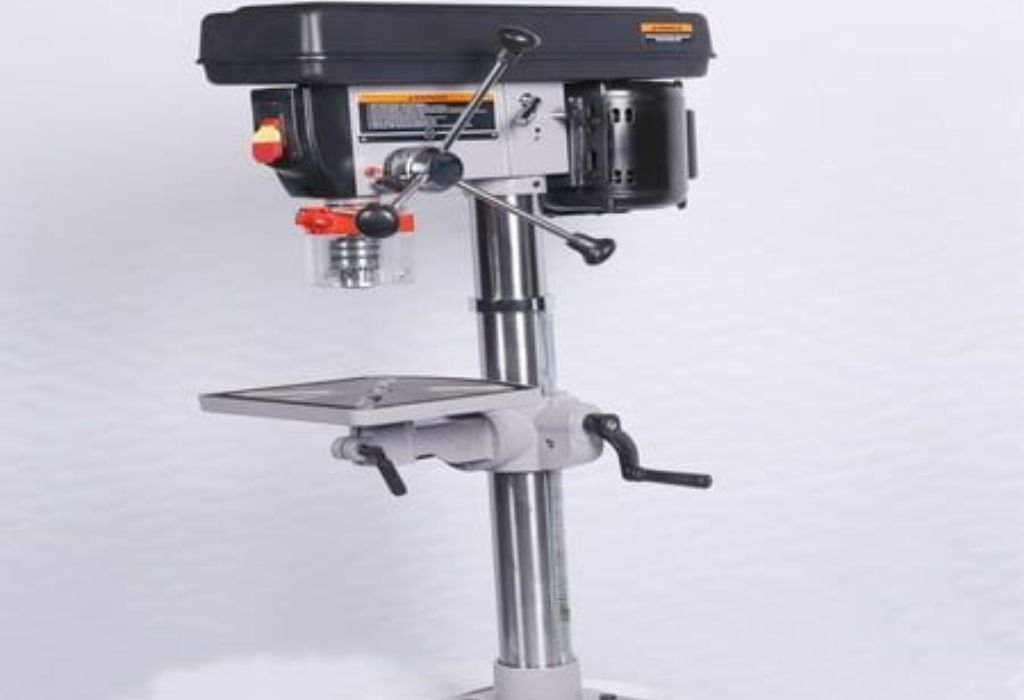
Square drill bits are not ordinary bits. They’re designed to create square holes — a task that sounds impossible until you see how the tool works. These bits are typically used in hollow-chisel mortisers, which combine two cutting tools into one assembly.
The inner drill bit spins like a traditional bit, cutting and removing most of the material inside the hole. Around it, a square-shaped chisel slices the edges and corners, forming a clean, square profile. This combination makes them perfect for woodworking joints such as mortise-and-tenon construction.
In essence, square drill bits don’t cut square holes on their own. They rely on a special housing or attachment that aligns both the drill bit and the chisel perfectly — which is why the setup is crucial when using them on a drill press.
What materials can square drill bits cut?
They are primarily used for wood. For metals, a rotary broach or specialized square broaching bit is required.
Are square drill bits interchangeable with round ones?
No. Their design requires a fixed orientation, so they cannot spin freely like round bits.
Do square drill bits fit into every drill press?
Only when paired with a compatible mortising attachment that prevents the chisel from rotating.
Why are they popular among woodworkers?
Because they create perfect mortises for furniture, cabinetry, and frames without manual chiseling.
Can Square Drill Bits Be Used in a Drill Press?
This is the question most DIYers and woodworkers ask. The short answer is yes, square drill bits can be used in a drill press — but only with the proper setup. A drill press alone isn’t built for mortising. It’s designed to spin bits vertically, not to apply side pressure or handle the tight tolerances that square bits demand.
However, when fitted with a mortising attachment kit, a drill press can mimic a dedicated mortiser quite effectively. The attachment holds both the bit and the chisel, ensuring proper alignment while preventing rotation. The drill press provides the downward force and precision control needed to drive the chisel into the wood.
Is it safe to use square bits in a regular drill press?
It’s safe only if the drill press is sturdy, securely mounted, and equipped with a mortising attachment.
Can any drill press handle square bits?
Not all can. Models with weak motors or limited quill travel may struggle with the extra resistance.
What happens if you try without the attachment?
The chisel may spin, the bit may jam, and the hole edges will tear or burn.
Are there specific brands that support square-bit attachments?
Yes, most mid-range bench-top and floor-standing drill presses from Delta, Jet, and WEN offer compatible kits.
What’s Required for Proper Setup and Use
Using square drill bits successfully depends on preparation and accuracy. The most important part is aligning the chisel, bit, and drill press spindle so they move together without wobble or drag.
Start by installing the mortising attachment on the drill press column and securing the chisel holder tightly. The bit should extend slightly beyond the chisel tip — typically 1⁄16 inch — to ensure proper chip clearance. Next, clamp your workpiece firmly to prevent shifting during drilling.
Run the drill press at a low to moderate speed. Too much RPM will generate heat and burn the wood; too little may cause binding. Periodically withdraw the bit to clear chips and cool the tool.
Do you need a dedicated mortiser instead?
If you cut mortises daily, a dedicated mortiser offers better power and alignment.
What speed should the drill press run at?
Lower speeds — around 500–900 RPM — work best for most hardwoods.
How should you hold the workpiece?
Always clamp it securely to the table; never rely on hand pressure.
How much clearance between bit and chisel is ideal?
About 1⁄16 inch allows chip removal without friction.
Common Problems and How to Avoid Them
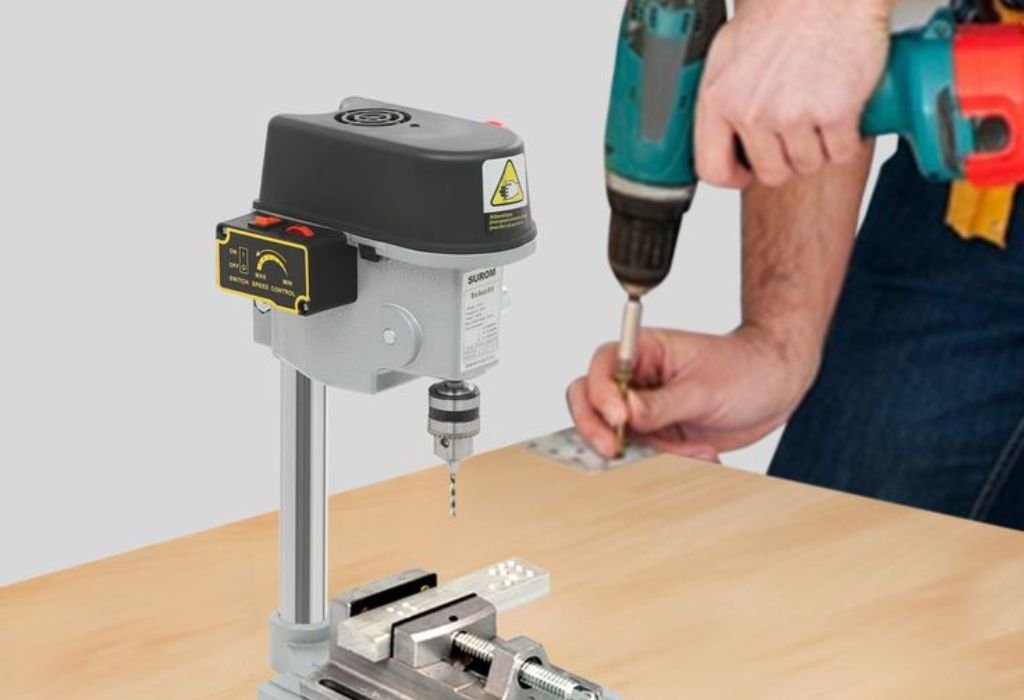
Even experienced woodworkers face challenges when mortising with a drill press. The most frequent problems include chisel rotation, rough holes, and excessive heat buildup.
When the chisel spins inside the holder, it scratches the wood instead of cutting it. To fix this, make sure the chisel’s collar is locked tight and that the bit protrudes correctly. If your holes look rounded at the corners, the chisel may not be seated squarely, or you may be feeding too quickly.
Overheating is another issue. Square drill bits generate more friction than round bits because of the chisel’s flat sides. Frequent chip clearing and sharp edges are essential for maintaining clean cuts.
Why do the corners look rounded instead of square?
Improper alignment or dull chisels cause incomplete corner cutting.
Why does the chisel spin in the attachment?
Because the set screw isn’t tight enough or the collar is worn.
Why does the bit overheat?
High RPM, poor chip clearance, or dull edges lead to friction and heat.
Why does the drill press seem underpowered?
Small presses with less than ½ HP motors may lack the torque for mortising.
Alternatives When a Drill Press Isn’t Ideal
Not everyone has a heavy-duty drill press or the patience for precise mortising attachments. When that’s the case, there are several alternatives to achieve square holes.
A dedicated hollow-chisel mortiser is the most efficient solution. It’s purpose-built for this type of work, offering superior alignment, depth control, and chip ejection. For smaller workshops, a plunge router with a square-corner jig or template guide can also mimic square holes, though it requires manual cleanup of the corners with a chisel.
For metal or hard materials, machinists use a rotary broach — a tool that cuts square profiles inside round holes using a unique off-center rotation.
Is a mortiser worth the investment?
If you regularly make furniture or cabinetry, yes. It’s faster and more accurate.
Can a router make square holes?
It can make square recesses, but corners often require manual finishing.
Is broaching suitable for wood?
Not really; it’s primarily a metal-working process.
Can hand tools still be used for square holes?
Yes. Traditional chisels are slower but give complete control for small jobs.
Best Practices & Maintenance for Square Drill Bit Use
Consistent results depend on sharp tools, stable equipment, and correct technique. Dull chisels not only produce poor cuts but also increase strain on the drill press. Regular sharpening with a conical stone or fine file helps maintain crisp edges.
Ensure the bit protrudes slightly beyond the chisel tip. This prevents heat buildup and allows the drill bit to remove waste before the chisel shapes the corners. Lubricate the bit occasionally to reduce friction, especially when mortising hardwood.
Always check the alignment of the drill press table. Even a slight tilt will produce uneven mortises. Cleaning the chisel flutes after every few holes helps prevent clogging and keeps cuts smooth.
How often should you sharpen the chisel and bit?
Sharpen whenever you notice burning or rough cuts — typically every few hours of use.
What RPM should be used for hardwoods vs softwoods?
Hardwoods require slower speeds (500–700 RPM), softwoods can handle around 900 RPM.
How can you reduce heat buildup?
Use sharp bits, slow speed, steady feed, and clear chips regularly.
Should you wax or lubricate the chisel?
A light coat of paste wax or dry lubricant prevents sticking and improves cutting.
Future Trends and Innovations in Square-Hole Drilling
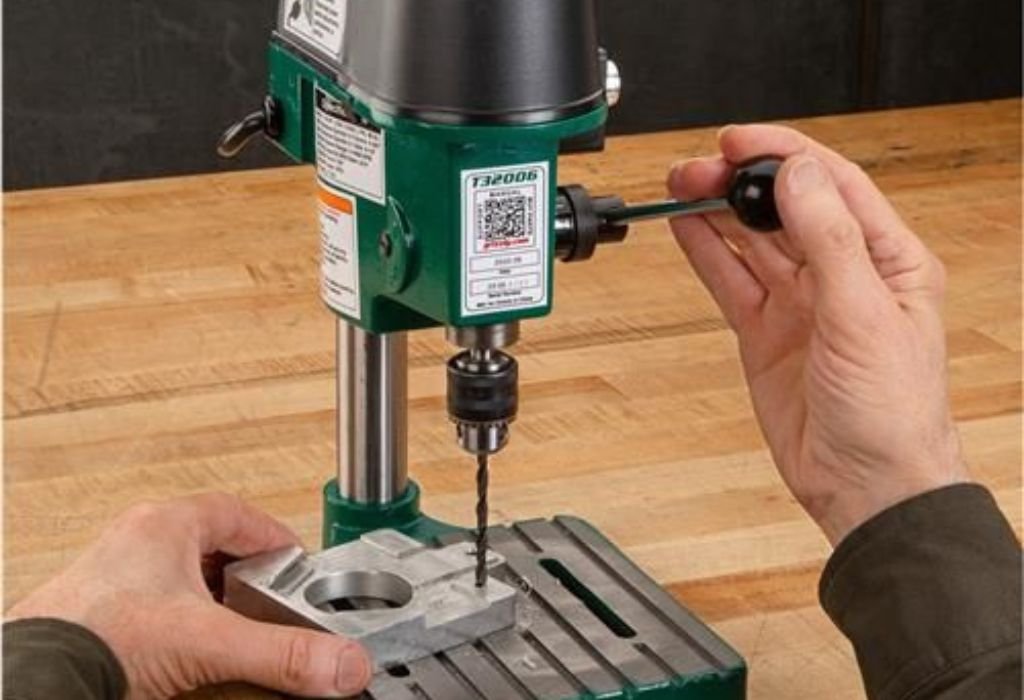
Tool design continues to evolve as demand grows for precision and efficiency in woodworking. New CNC mortising attachments and automated drill-press conversions are making square-hole cutting faster and more accurate.
Manufacturers are improving chip-ejection systems and adding quick-release collars for faster bit changes. Some new mortising attachments even feature self-centering guides and digital depth controls.
Meanwhile, 3D-printed guides are emerging as a cost-effective way for hobbyists to maintain alignment. For metalworkers, rotary broaching heads are being adapted for compact CNC and manual mills, opening new possibilities for creating precise square profiles.
Are modern mortising attachments easier to use?
Yes, newer designs feature better chip clearance and faster setup times.
Will CNC tools replace drill presses for mortising?
Not entirely. Drill presses remain affordable and reliable for small workshops.
Can 3D-printed accessories help with alignment?
Yes, printed jigs can improve consistency for repeated cuts.
Are there new bit geometries for square holes?
Some manufacturers are testing Reuleaux-triangle designs for improved chip flow and cleaner corners.
Conclusion
So, can square drill bits be used in a drill press? The answer is yes — but only when paired with the right attachment, setup, and technique. A standard drill press alone cannot handle the side pressure or precision demands of mortising, but with a proper hollow-chisel attachment, it becomes a versatile tool for creating square holes with professional accuracy.
For casual woodworkers, this setup offers a cost-effective way to expand their tool’s capabilities. For frequent mortising, however, a dedicated mortiser remains the gold standard for speed and consistency.
The secret lies in preparation: align the chisel perfectly, set the right clearance, run at low speed, and clear chips frequently. Following these principles will help you drill clean, square holes safely — transforming your ordinary drill press into a powerful mortising companion.

I’m John F. Nicholas, the founder, lead writer, and drill enthusiast behind 101drill.com. With years of hands-on experience in power tools and DIY projects, I created this platform to share practical knowledge, expert tips, and real-world insights to help others master the art of drilling.