
Every DIYer faces a moment when a regular hand drill just won’t cut it. The holes need to be straight, deep, and perfectly aligned — and that’s when the thought arises: Can you rent a drill press instead of buying one?
Drill presses deliver unmatched precision, but they’re bulky, expensive, and not something you’ll use every weekend. For one-time woodworking or metal projects, owning one makes little sense. In fact, according to tool industry data, over 60% of power tools in home workshops sit unused for more than six months, showing how rarely many tools get used.
Renting solves this problem. Whether you’re building custom shelves, drilling metal brackets, or fabricating parts, renting a drill press gives you access to professional-grade accuracy without a hefty price tag. It also saves storage space and maintenance headaches, letting you focus on completing your project efficiently.
In this guide, you’ll discover where to rent a drill press, how much it costs, what to check before renting, and whether renting or buying makes more sense for your DIY or workshop needs.
What Is a Drill Press—and When Would You Need to Rent One?
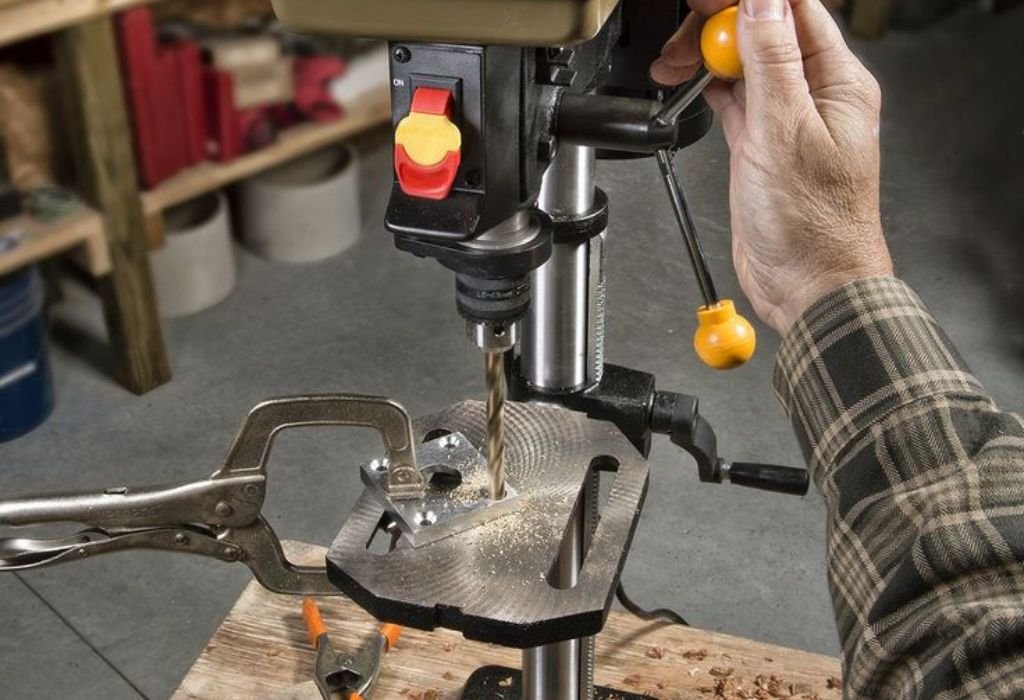
A drill press is a stationary power tool designed for precision drilling, offering more control and consistency than handheld drills. It features a fixed column, rotating spindle, and adjustable table to ensure every hole is straight and identical.
Unlike handheld drills, a drill press uses a mechanical system that holds the bit steady at the correct angle. This system ensures accurate results, especially when drilling multiple holes of the same depth. Renting one is often the smarter choice for projects that need exactness but don’t justify a full purchase.
Definition and Types of Drill Press
Drill presses are categorized mainly into benchtop, floor-model, and magnetic drill presses. Benchtop models are compact and ideal for small woodworking jobs. Floor models are powerful and handle larger materials, while magnetic presses attach to metal surfaces for heavy-duty industrial drilling.
what is a drill press?
A stationary machine designed to drill clean, uniform holes with precision and repeatability.
why choose a drill press instead of a hand drill?
It delivers accurate hole depth and alignment with less physical effort.
what types of drill presses are common?
Benchtop, floor-model, and magnetic presses for wood, metal, and industrial use.
when is renting a drill press a logical choice?
When you need accuracy for short-term or one-off projects.
what materials can you drill with a drill press?
Wood, metal, plastic, and composite materials, depending on the bit and machine speed.
Typical DIY Scenarios for Renting
A rented drill press is perfect for building wooden furniture, crafting shelves, or drilling metal frames. It’s commonly used for repetitive drilling jobs that demand consistency.
can DIYers rent a drill press for woodworking?
Yes, most rental centers and hardware stores offer benchtop models for wood projects.
is a drill press useful for metal fabrication at home?
Absolutely — it’s ideal for drilling steel plates or brackets where a handheld tool may slip.
does renting help avoid buying expensive equipment?
Yes, renting removes the need for costly purchases and long-term maintenance.
can you rent for just a few hours?
Many services offer hourly, daily, or weekend rental options.
is a drill press overkill for a single hole?
If precision and angle accuracy matter, renting is worthwhile even for one hole.
Can You Rent a Drill Press? Yes—but Here’s What to Know
Yes, you can rent a drill press from major hardware chains, equipment rental companies, or local tool libraries. However, before renting, you should understand costs, availability, and what to inspect before taking it home.
Where to Rent a Drill Press
You can find rental options at big-box stores like Lowe’s and Home Depot, or from dedicated equipment rental services. Some tool libraries and makerspaces also offer short-term access.
which large retailers offer tool rental?
Lowe’s and Home Depot both list drill presses in their rental departments.
do rental companies list drill presses?
Yes, companies like United Rentals offer magnetic and floor models for industrial use.
are tool libraries an option for homeowners?
Yes, they’re ideal for hobbyists looking for affordable short-term access.
does every store carry drill presses?
Not always — availability depends on location and inventory.
can you reserve a rental drill press online?
Yes, most rental services allow easy online booking and in-store pickup.
Rental Costs and Time Frames
Drill press rentals are available for 4-hour, daily, weekly, and monthly durations. Prices vary by model and brand, but renting is generally inexpensive compared to purchasing.
what are common rental periods?
Four-hour, daily, and weekly options are typical.
how much does a daily rental cost?
A small tabletop drill press may cost around $20–$40 per day.
are weekend rates available?
Yes, weekend packages often offer better overall value.
do you need a deposit or ID?
Yes, a valid ID and credit card deposit are usually required.
can you extend your rental period?
Yes, but you may need to call in advance and pay the prorated rate.
What to Check Before Renting
Inspect the tool before signing the rental agreement. Check the condition, drill bit compatibility, speed settings, and rental terms.
what capacity should the drill press handle?
Ensure the chuck size and power suit your material.
are bits and accessories included?
Often they’re not — ask if bits, vises, or clamps are provided.
does the rental include a safety briefing?
Some providers offer guidance on setup and safety.
is the machine maintained properly?
Reputable rental companies regularly inspect and service their tools.
what are the terms for damage or late return?
Most providers charge late fees or repair costs if the tool is mishandled.
Advantages and Disadvantages of Renting vs Buying
When deciding whether to rent or buy, consider cost, usage frequency, and storage. Renting offers flexibility, while owning benefits frequent users.
Advantages of Renting
Renting provides flexibility and convenience, especially for those who don’t drill often. It also allows access to professional-grade tools without paying full price.
is renting more cost-effective for occasional use?
Yes, it avoids the high upfront purchase and maintenance costs.
can renting give access to better equipment?
Yes, you can use high-end tools that may be too expensive to buy.
does renting remove maintenance responsibility?
Yes, the rental company handles servicing and repairs.
does renting allow size flexibility?
Yes, you can rent a benchtop one week and a floor model the next.
is renting less risky?
Yes, no long-term ownership means no depreciation or storage issues.
Disadvantages of Renting
Renting can cost more in the long term if you frequently need the tool. It also depends on local availability and may require advance booking.
is renting expensive for frequent users?
Yes, if you rent often, buying is usually cheaper.
could availability be a problem?
Yes, during busy seasons, drill presses may be fully booked.
are there usage restrictions?
Yes, most rentals have time limits and late fees.
could tool condition vary?
Yes, tools may have wear — always inspect before use.
does renting offer resale value?
No, you don’t own the equipment, so there’s no asset return.
When Buying Makes Sense
Buying is a better choice if you frequently handle drilling tasks or run a workshop. Ownership gives flexibility and control over accessories and upgrades.
if someone drills weekly, should they buy?
Yes, frequent use justifies the investment.
if the workshop is permanent, is buying smarter?
Yes, owning high-quality equipment pays off long-term.
if accessories are needed regularly, should you buy?
Yes, ownership allows custom setups and upgrades.
if budget is tight, is renting better?
Yes, it prevents large upfront spending.
is buying better for commercial use?
Yes, consistent use justifies purchase and maintenance.
How to Rent a Drill Press – Step-by-Step Guide
Renting a drill press is straightforward, but following a structured approach helps avoid extra costs and ensures safety.
Step 1 – Assess Your Project
Understand what you need before renting. Determine the type of material, hole size, and accuracy required.
how many holes will you drill?
Estimate to choose the right machine capacity.
what material are you drilling?
Wood, metal, or composite requires different speed settings.
how precise must the holes be?
If accuracy matters, a drill press is essential.
what space or power supply do you have?
Ensure proper space and voltage compatibility.
what is your budget for rental?
Plan for rental fees, bits, and potential deposits.
Step 2 – Choose a Provider
Research local hardware stores and equipment rental companies. Compare rates, machine types, and service options.
how do you compare providers?
Check reviews, prices, and rental flexibility.
can you reserve a drill press early?
Yes, booking early ensures availability.
what should you ask when reserving?
Ask about machine specs, accessories, and fees.
is delivery available?
Some companies deliver heavy equipment for a fee.
what if you cancel the booking?
Most allow cancellation but may charge a small fee.
Step 3 – Pick Up and Inspect
Inspect the tool carefully before accepting it. Test the spindle, table movement, and switch.
what to inspect before signing?
Check for cracks, belt tension, and electrical condition.
are accessories included?
Confirm the inclusion of drill bits and clamps.
how to transport the machine?
Use a stable surface and secure it during transit.
is a safety orientation provided?
Some rental centers offer brief training sessions.
what voltage is required?
Most benchtop presses use 110V, industrial ones need 220V.
Step 4 – Use Safely and Efficiently
Set up the drill press correctly, ensuring the table and workpiece are clamped tightly.
how to set up the workpiece?
Clamp it securely to prevent movement.
what speed should you use?
Adjust according to bit size and material type.
what safety rules apply?
Wear goggles, tie back hair, and avoid loose sleeves.
can one machine drill metal and wood?
Yes, if compatible bits and speeds are used.
what to do if something goes wrong?
Stop immediately and contact the rental provider.
Step 5 – Return the Machine
Clean the tool before returning it. Check that all parts are intact.
what condition should it be in?
Clean, complete, and undamaged.
are there late fees?
Yes, returning late can add extra charges.
is a damage waiver available?
Many providers offer optional coverage.
should you keep your receipt?
Yes, for proof of return and payment.
can you extend your rental?
Yes, most allow extensions by phone.
Cost Considerations & Hidden Fees
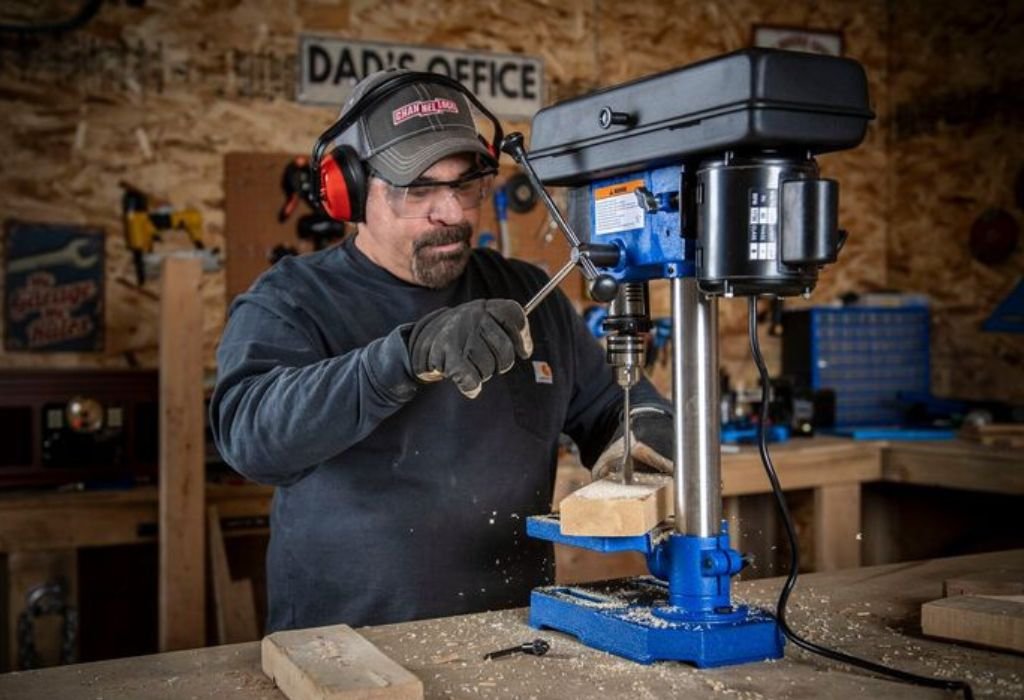
Understanding total costs helps avoid surprises when renting.
Typical Rental Costs
Rates vary by model and location, but small benchtop drill presses are affordable.
what’s the average daily rental rate?
Between $20–$40 per day for small models.
is a deposit required?
Yes, usually refundable after return.
are delivery fees charged?
Yes, particularly for floor models.
are accessories extra?
Often yes — drill bits and clamps may cost more.
can you get weekly discounts?
Yes, long-term rentals often offer better rates.
Hidden Fees
Be aware of extra charges that may appear in the rental contract.
is cleaning required before return?
Yes, or a cleaning fee may apply.
what happens if the tool is damaged?
Repair costs or loss fees may be charged.
are there fuel or power costs?
Some heavy-duty units may include such fees.
is transport covered?
Usually not — you handle pickup and delivery.
does insurance cost extra?
Yes, but it’s recommended for protection.
Budgeting Tips
Budgeting helps ensure you stay within project limits.
should you compare renting vs buying?
Yes, especially for long-term use.
can early booking save money?
Yes, early reservations sometimes include discounts.
can rentals be shared among neighbors?
Yes, cost-sharing reduces overall expense.
does renting help avoid tool clutter?
Yes, it prevents unused equipment storage.
should you read the fine print?
Always check for hidden or penalty fees.
Future Trends & Alternatives
The way people access tools is changing. Maker spaces, tool-sharing networks, and subscription services now offer alternatives to traditional renting.
Tool Libraries and Maker Spaces
Tool-sharing communities are rising globally, giving affordable access to tools like drill presses.
what is a tool library?
A membership-based service where tools are borrowed like books.
are maker spaces good for larger projects?
Yes, they provide industrial-grade machines and workshops.
is sharing cheaper than renting?
Often yes, especially for frequent users.
can you find local sharing platforms?
Yes, many apps connect nearby tool owners.
is tool-sharing eco-friendly?
Yes, it reduces waste and promotes reuse.
Renting vs Subscription Models
Subscription-based tool access is becoming more popular for DIYers.
what is a subscription tool service?
A monthly plan that gives access to various tools when needed.
does rental still have an edge?
Yes, it’s ideal for one-time or short projects.
when does buying outperform renting?
If you use the machine frequently or professionally.
can new technology reduce rental needs?
Yes, portable or cordless presses may make ownership easier.
is renting sustainable?
Yes, it reduces the carbon footprint from mass production.
Conclusion
So, can you rent a drill press? Absolutely — and for many DIYers, it’s the smartest decision. Renting gives you access to precise, powerful tools without the cost or hassle of ownership.
Before renting, evaluate your project’s scope, compare rental terms, inspect the machine, and follow safety guidelines.
By choosing to rent, you get professional-quality performance, flexibility, and savings — ensuring every hole you drill is as accurate as your craftsmanship demands.

I’m John F. Nicholas, the founder, lead writer, and drill enthusiast behind 101drill.com. With years of hands-on experience in power tools and DIY projects, I created this platform to share practical knowledge, expert tips, and real-world insights to help others master the art of drilling.