
You’ve just grabbed your drill to hang something on a brick wall — maybe a TV mount, a shelf, or an outdoor light. You reach into your toolbox and find only wood drill bits. They look sharp, pointed, and ready to go, so you wonder: “Can I just use a wood drill bit on brick?”
At first glance, it seems logical. After all, both jobs involve making a hole, and a drill bit is a drill bit, right? But once you press that trigger, the difference becomes clear.
The bit starts to smoke, the brick resists, and the drill whines without cutting properly. That’s because wood and brick behave very differently when drilled.
Wood is soft, fibrous, and easy to slice through. Brick, on the other hand, is dense, gritty, and brittle. Each material requires a completely different drilling approach and bit design. Using the wrong bit can destroy both the tool and the surface in seconds.
In this guide, we’ll explain what happens if you try to drill brick with a wood bit, why masonry bits exist, and how to do the job properly.
By the end, you’ll know exactly which tools to use, how to avoid common mistakes, and how to get clean, precise holes without burning your bit or cracking your wall.
Understanding the Purpose of Different Drill Bits
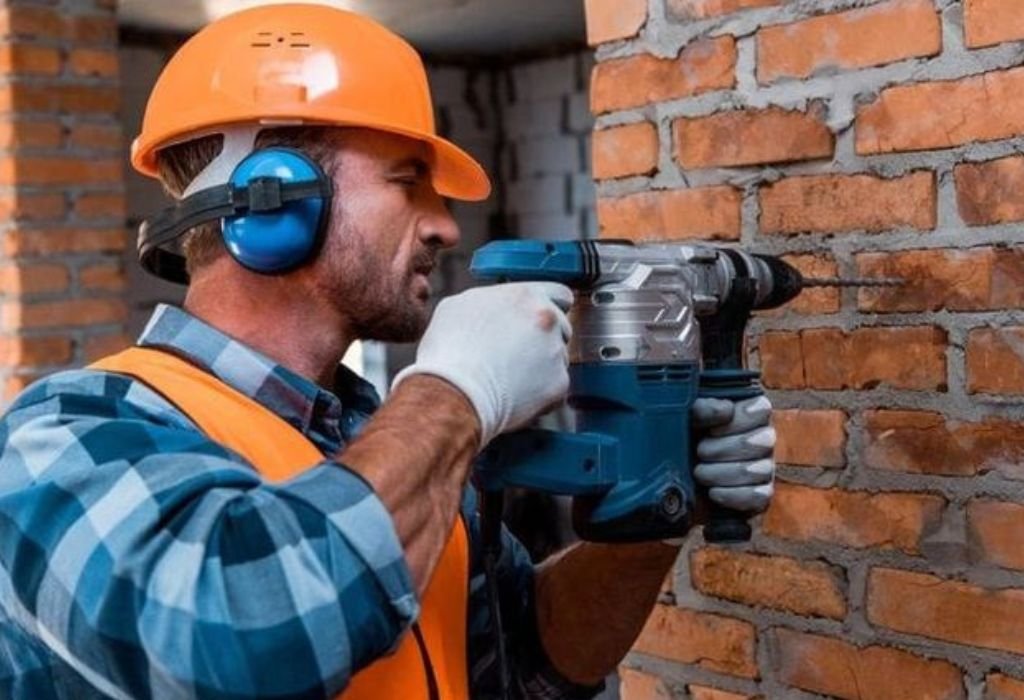
Every drill bit is designed with a specific purpose. The cutting edge, tip angle, and flute shape all determine how it interacts with different materials.
Wood drill bits are made for soft materials like pine, plywood, and MDF. They feature a sharp center point to guide the bit and spurs along the edge to slice cleanly through wood fibers.
Masonry drill bits, in contrast, are built to crush rather than cut. They have a blunt, hardened carbide tip that grinds away brick, stone, or concrete using rotary and hammering motion.
Metal drill bits are harder and smoother, designed to cut through steel or aluminum at high speeds. Their sharper angles prevent grabbing or tearing.
When you match the correct bit to the right material, the drilling process feels smooth and controlled. But when you mismatch them — like using a wood bit on brick — friction, heat, and damage occur quickly.
Understanding these basic design differences helps prevent wasted time and broken tools. Each bit has its specialty, and respecting those limits ensures clean, accurate drilling.
Can You Use a Wood Drill Bit on Brick? The Short Answer
The short answer is no — wood drill bits are not suitable for drilling into brick. While they may make a shallow mark on the surface, they cannot penetrate masonry effectively.
Wood bits are designed to slice through soft materials, not grind through hard, brittle ones. Their fine tips and thin cutting edges dull instantly against brick’s abrasive surface.
Even with a powerful drill, the friction generates extreme heat. This heat can warp or burn the bit, releasing smoke and damaging your drill motor.
Brick also contains sand and minerals that act like sandpaper. They quickly wear down the cutting edges of wood bits, leaving them useless for future projects.
So while you might manage a small indentation, it’s not practical or safe to use wood bits on brick. You’ll waste time, damage tools, and end up frustrated with poor results.
For brick, always use a masonry drill bit designed to withstand impact and abrasion.
How Wood Drill Bits Are Designed to Work
To understand why wood bits fail on brick, it helps to know how they’re built. Wood bits are meant to create smooth, controlled holes in soft materials using sharp, slicing motion.
The pointed tip centers the bit, preventing it from wandering on the surface. This design works beautifully on wood, which offers low resistance and allows easy penetration.
The outer spurs cut the fibers cleanly at the edges, producing neat, round holes without splintering. These spurs are thin and sharp, but they’re also fragile against hard surfaces like brick.
Wood bits are usually made of high-speed steel (HSS) or carbon steel, which is tough enough for wood but not strong enough for masonry. Even carbide-coated wood bits can’t handle brick dust or stone particles for long.
Their flute design is optimized for removing soft sawdust, not dense debris. In brick, the flutes clog quickly, creating excessive friction and heat.
This delicate, precision-based design makes wood bits excellent for carpentry — but completely ineffective for drilling into hard masonry materials.
Why Brick Requires Specialized Masonry Drill Bits
Brick is a composite of clay, minerals, and sand that hardens through high-temperature firing. This makes it extremely dense and abrasive compared to wood.
To drill through brick, you need bits that can withstand high impact and heat. Masonry bits are specifically designed for this. They feature a tungsten carbide tip that grinds through the material instead of slicing it.
The cutting action is more like chiseling than cutting. Each rotation shaves off tiny pieces of brick until a hole forms. That’s why many masonry drills also include a hammer mode — the vibration helps the bit chip away faster.
Masonry bits also have deeper flutes to remove fine brick dust efficiently. This prevents clogging and allows the bit to stay cool longer.
Wood bits, by contrast, lack this toughness. They’re simply not engineered for that level of abrasion or density.
Using masonry bits on brick ensures a faster, safer, and cleaner drilling experience, especially when combined with a hammer drill.
Can I drill into brick without a masonry bit?
Technically yes, but it’s inefficient and risks damaging both the drill and surface.
What makes masonry bits different from wood bits?
Masonry bits have carbide tips and blunt edges that grind rather than slice.
Can I use a regular drill with a masonry bit?
Yes, though a hammer drill gives better results on hard surfaces like brick.
Why does my drill bit smoke when drilling brick?
You’re likely using the wrong bit or too much speed, causing friction and heat.
Can wood bits damage my drill motor on brick?
Yes, the added strain can overheat or wear out the motor prematurely.
What Happens If You Use a Wood Drill Bit on Brick
If you attempt to drill brick using a wood bit, several problems occur almost immediately. The bit’s sharp tip dulls within seconds, losing its cutting edge completely.
Next, friction builds up because the bit can’t grind through the surface effectively. This generates heat, which can scorch the bit and even discolor the brick.
You may also notice smoke or a burning smell. That’s the steel losing its temper — once overheated, it becomes soft and useless.
The drill might start to wobble or bounce, as brick’s hard surface resists penetration. This makes it difficult to control, increasing the risk of slipping and scratching the wall.
Even if you manage a shallow hole, it will be uneven and too small to hold anchors or screws securely.
In the worst-case scenario, the bit could break under pressure, potentially damaging your drill or causing injury.
Simply put — using a wood drill bit on brick is a quick way to ruin both your tool and your project.
Proper Tools for Drilling Brick and Masonry
To drill brick properly, you’ll need the right equipment designed for the job. Start with a hammer drill or rotary hammer, which combines spinning and tapping motion to break through masonry.
Attach a masonry drill bit made of carbide or tungsten carbide. These bits are durable, heat-resistant, and built for abrasive materials like brick or concrete.
If you’re working with standard red brick, use a 6–8 mm bit for pilot holes and expand if necessary. Always match your bit size to your wall plug or anchor size.
Use low to medium speed with hammer mode engaged. This prevents overheating while maintaining steady progress.
Have a vacuum or brush ready to remove dust as you drill — buildup can jam the bit and slow cutting.
For deep holes, occasionally pull the bit out to clear debris and cool it. Patience and proper tools will produce clean, precise holes every time.
How to Drill into Brick Safely and Accurately
Drilling brick safely requires a combination of correct tools and careful technique. Start by marking your hole locations with a pencil and double-checking alignment.
Use a center punch or nail to make a small dimple in the brick. This prevents the bit from wandering at the start.
Clamp or stabilize your drill firmly before beginning. Set the drill to hammer mode and low RPM for controlled cutting.
Apply steady, even pressure. Avoid forcing the drill — let the hammering motion do the work. Too much pressure can crack the brick or overheat the bit.
When drilling deep holes, pause periodically to clear dust. This keeps the bit cool and prevents clogging in the flutes.
Avoid drilling into mortar unless necessary; it’s softer and can crumble easily. Always aim for solid brick for a stronger hold.
After finishing, blow or vacuum out any debris before inserting anchors or screws.
Can I drill into brick with a regular drill?
Yes, but progress will be slow; a hammer drill is more effective.
Do I need wall plugs for screws in brick?
Yes, plastic or nylon wall plugs help secure screws tightly.
How can I prevent brick cracking while drilling?
Use slow speed, steady pressure, and avoid the edges of the brick.
Can I drill into old bricks safely?
Yes, but old bricks are brittle, so drill carefully and avoid hammering too hard.
What speed should I use when drilling brick?
Low to medium speed prevents overheating and prolongs bit life.
Common Mistakes to Avoid While Drilling Brick
One of the most common mistakes is using the wrong drill bit. A wood or metal bit simply cannot handle masonry and will dull immediately.
Another mistake is drilling too fast. High speed creates excessive heat, damaging both the bit and the brick surface. Always go slow and steady.
Failing to clear dust buildup reduces efficiency and increases wear. Pull the bit out occasionally to remove debris.
Applying too much force is another issue. Many assume harder pressure means faster results, but it only increases the risk of cracks or tool damage.
Drilling into mortar instead of brick is also a frequent error. Mortar is weaker and can crumble under pressure, leaving unstable holes.
Lastly, ignoring safety gear like goggles and masks exposes you to dust and small debris. Always protect your eyes and lungs while drilling.
Avoiding these mistakes ensures a clean, safe, and professional finish every time.
Maintenance and Safety Tips for Drill Bits and Tools
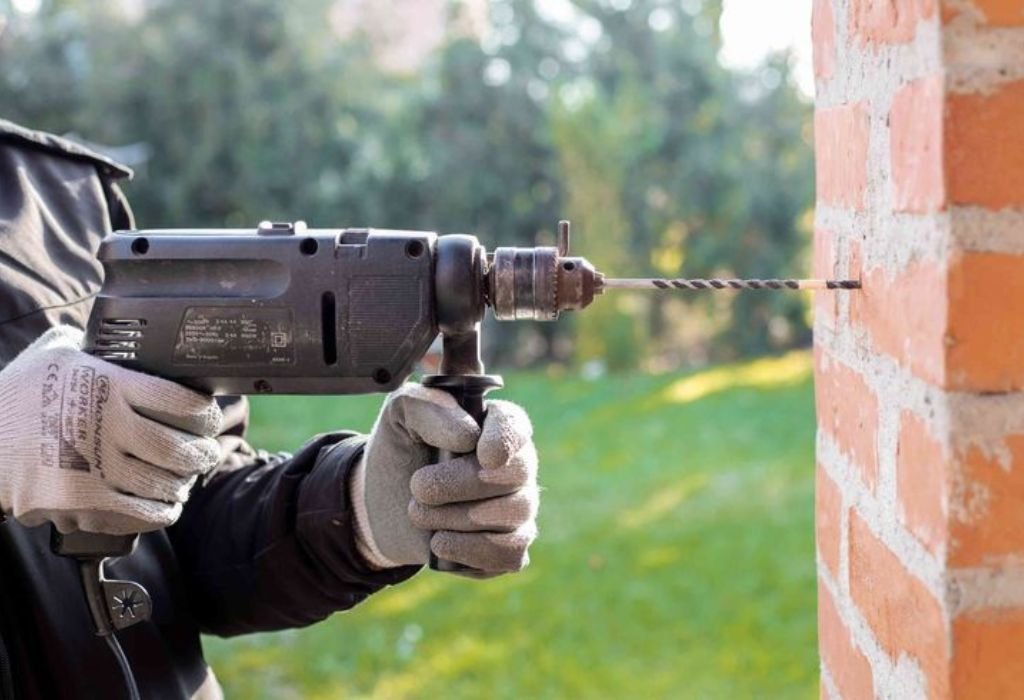
Proper maintenance extends the life of your drill and bits, especially when working with tough materials like brick. After each use, wipe bits clean of dust and residue.
Inspect your bits regularly for dullness or cracks. Replace damaged ones immediately to prevent accidents or poor drilling results.
Store drill bits in a dry case to prevent rust. Moisture weakens steel and shortens lifespan.
Lubricate the drill chuck and moving parts periodically to maintain smooth operation.
Avoid switching between materials without cleaning bits — wood dust and brick dust together can cause corrosion over time.
Lastly, never touch the bit immediately after drilling. It may be extremely hot from friction and can cause burns.
These simple care habits keep your tools ready for your next project and ensure long-lasting performance.
Conclusion
So, can you use a wood drill bit on brick? The honest answer is no — and for good reason. Wood drill bits are built to slice through soft fibers, not grind through dense, abrasive materials like brick.
While it’s tempting to use whatever bit you have, doing so damages both your tools and the surface. Instead, use masonry bits with carbide tips and a hammer drill for best results.
By understanding how different materials respond to drilling, you’ll save time, avoid frustration, and get professional-quality holes every single time.

I’m John F. Nicholas, the founder, lead writer, and drill enthusiast behind 101drill.com. With years of hands-on experience in power tools and DIY projects, I created this platform to share practical knowledge, expert tips, and real-world insights to help others master the art of drilling.