
Is a Brushless Cordless Drill Better? The Short Answer
Brushless cordless drills are better for power, runtime, and durability, especially under heavy workloads. Their electronic motors waste less energy as heat and deliver smoother, more controlled torque output.
For professionals or frequent users, the efficiency and reduced maintenance justify the higher price. Occasional DIYers may find a quality brushed drill sufficient for light projects.
Cost remains the biggest trade-off, with brushless drills carrying a noticeable price premium over brushed models. However, the performance and longevity gains often outweigh the upfront expense for many buyers.
Choosing between the two ultimately depends on workload intensity, budget, and future tool needs. This guide will break down each factor to help with a confident decision.
Is a brushless cordless drill better for runtime?
Yes, higher efficiency extends battery life significantly.
Do brushless drills always deliver more power?
Generally yes, especially in demanding applications.
Is the price difference worth it for casual users?
Not always, unless longer life and better features matter to you.
Are brushless drills quieter and cooler?
Yes, reduced friction means less heat and noise during operation.
Brushless vs Brushed — What’s Happening Inside the Motor
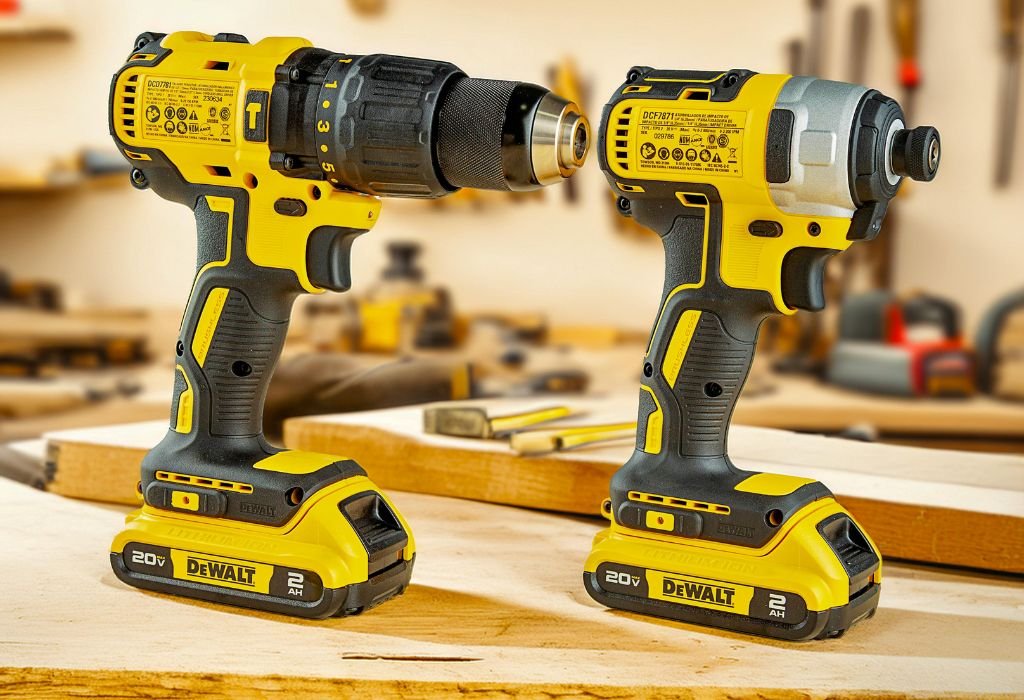
Brushed motors use carbon brushes that create friction and heat as they transfer energy to the spinning rotor. Brushless motors rely on electronic controllers and sensors, eliminating friction points for higher efficiency and less wear.
With no brushes to replace, maintenance requirements drop significantly over the tool’s lifespan. Less friction also means cooler operation, leading to fewer performance slowdowns during long projects.
Electronic control allows brushless drills to deliver consistent torque under varying loads. This makes them ideal for heavy-duty tasks where brushed motors might lose efficiency.
The simplified design of brushless motors often results in smaller, lighter drills without sacrificing power. This combination of compactness and strength benefits both professionals and DIY users.
Why do brushed motors spark?
Because carbon brushes physically contact the rotor, causing friction and sparks.
Do brushless motors last longer?
Yes, fewer moving parts mean less wear and longer motor life.
Is maintenance easier with brushless drills?
Yes, no brush replacements are needed over time.
Are brushless drills always lighter?
Often yes, due to the simpler motor design.
Performance Gains — Torque, Runtime, Heat, Size
Brushless drills deliver higher torque output at lower speeds for better drilling control. This efficiency helps complete tough jobs faster with less energy waste.
Battery runtime increases because less energy is lost as heat or friction during operation. Users can work longer on a single charge, reducing downtime on job sites.
Brushless designs also stay cooler, even during repetitive drilling tasks. Heat reduction protects electronic components and extends overall tool life.
Compact motor construction means smaller, lighter drills with the same or greater power output. This reduces operator fatigue over long work sessions.
Do brushless drills always have more torque?
Most premium models offer noticeably higher torque than brushed ones.
Will batteries last longer per charge?
Yes, greater efficiency translates to longer runtimes.
Does cooler running improve safety?
Yes, lower temperatures protect components and reduce overheating risks.
Are brushless drills easier to handle?
Yes, lighter weight and better balance improve user comfort.
Control & Features — Electronics Unlock Smart Tools
Brushless drills often include advanced features like variable speed control, kickback protection, and electronic clutches. These features make drilling safer and more precise, especially in demanding conditions.
Some models integrate Bluetooth connectivity for performance tracking and custom settings. This technology benefits professionals who need consistent results across multiple tools.
Electronic torque control prevents overdriving screws or stripping fasteners. It automatically adjusts power delivery to match the task at hand.
Users experience smoother starts and stops because electronic systems manage motor acceleration. This improves accuracy in delicate drilling applications.
What is kickback protection?
It stops the motor if the bit binds to prevent injury.
Do all brushless drills have smart features?
Not all, but premium models often include them.
Does electronic torque control help beginners?
Yes, it prevents common mistakes like overdriving screws.
Is Bluetooth connectivity essential?
No, it’s useful for pros but optional for most users.
Cost & Value — Price Premium vs Payoff
Brushless cordless drills cost more because of advanced electronics, rare earth magnets, and efficient motor design. The initial price can be 20–40% higher than comparable brushed models.
Over time, the investment pays off through longer tool life and reduced maintenance costs. Professionals especially benefit from fewer breakdowns and better job site performance.
Battery life savings and reduced downtime contribute to long-term value. For frequent users, this quickly offsets the upfront expense.
Casual DIYers may not notice as much return on investment if usage is light or infrequent. In such cases, a high-quality brushed drill could be more cost-effective.
Why are brushless drills more expensive?
Advanced technology and higher manufacturing costs drive up prices.
Do they save money over time?
Yes, reduced repairs and longer lifespan provide long-term savings.
Are mid-range brushless drills worth it?
Yes, they balance cost and performance effectively.
Do warranties differ by motor type?
Premium brushless models often include longer warranties.
Use-Cases — DIY vs Pro, Materials, and Bit Sizes
Brushless drills shine in heavy-duty applications like decking, framing, and drilling into dense materials. They deliver consistent power and torque, even with large bits or long fasteners.
DIY users benefit from efficiency and extended runtime during home projects. Professionals gain higher productivity and fewer tool failures under constant use.
Light tasks like furniture assembly or picture hanging may not justify the extra cost. For high-demand jobs, brushless technology quickly proves its value.
Matching the drill type to the project ensures the right balance of cost, power, and features. This prevents overspending or underperformance on specific tasks.
Is a brushless drill better for pros?
Yes, it handles heavy workloads more efficiently.
Do DIYers need brushless drills?
Not always, unless projects require more power and runtime.
What about masonry work?
Brushless hammer drills excel in concrete and brick applications.
Are brushless drills good for woodworking?
Yes, they offer precise torque control for clean results.
Battery Platform — 12V vs 18V/20V and Ecosystem Fit

Battery voltage directly affects torque, speed, and runtime in cordless drills. Higher voltage systems like 18V or 20V deliver more power for demanding applications.
Brushless technology maximizes efficiency within any voltage platform. This extends battery life and improves overall tool performance.
DIYers often prefer 12V systems for compact size and lighter weight. Professionals choose 18V or 20V for heavy-duty jobs requiring longer runtime.
Sticking with one battery platform allows compatibility across multiple tools. This reduces costs and simplifies battery management over time.
Is 12V enough for home use?
Yes, for light tasks like furniture or small repairs.
Do pros need 18V or 20V systems?
Yes, for power-demanding and continuous applications.
Does brushless improve battery life?
Yes, efficiency gains extend runtime per charge.
Can one platform support multiple tools?
Yes, many brands design entire ecosystems around one battery type.
Reliability & Maintenance — Fewer Wear Parts
Brushless drills eliminate carbon brushes, a common point of wear in traditional motors. This reduction in friction lowers the chance of motor failure over time.
Less heat buildup also protects sensitive electronic components. Cooler operation reduces stress on batteries and internal circuits.
Brushless designs require minimal maintenance compared to brushed drills. Occasional cleaning and proper storage are usually sufficient for long life.
Durability improvements make brushless drills ideal for professionals who rely on consistent performance. These tools maintain power and efficiency across years of use.
Do brushless drills last longer?
Yes, fewer moving parts mean extended lifespan.
Is maintenance required for brushless motors?
Very little, beyond basic cleaning and care.
Does less heat improve reliability?
Yes, cooler running prevents component damage.
Are warranties better on brushless drills?
Often yes, due to longer expected tool life.
Safety & Work Environment — Sparks, Noise, Fatigue
Brushed motors produce sparks from carbon contact, creating fire risks in dusty or fume-heavy areas. Brushless motors eliminate this hazard with electronic commutation.
Noise levels are typically lower in brushless drills, improving user comfort over long projects. Reduced vibration also decreases operator fatigue during extended work sessions.
Lightweight, compact brushless designs make overhead drilling and tight-space work easier. Less physical strain helps workers stay productive throughout the day.
Safety features like electronic torque control reduce kickback risks. This adds protection for both users and materials during demanding tasks.
Are brushless drills safer in dusty areas?
Yes, no sparking means lower fire risks.
Do they run quieter than brushed drills?
Yes, electronic motors produce less noise.
Does lighter weight reduce fatigue?
Yes, it improves comfort during long tasks.
Are there built-in safety controls?
Yes, many models include kickback and torque protection.
Buying Guide Checklist — Decide in 60 Seconds
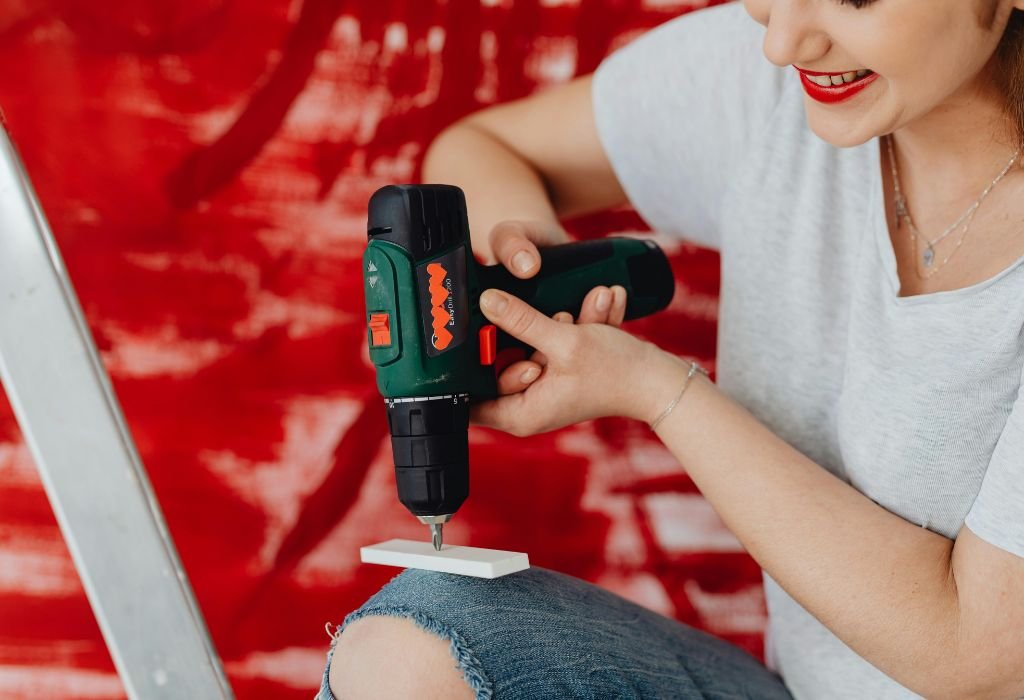
Start by identifying your typical projects and material types. Match the drill’s torque, speed, and features to your workload requirements.
Choose between 12V for light tasks or 18V/20V for heavy-duty applications. Factor in runtime, tool weight, and battery compatibility across your tool collection.
Decide whether advanced features like kickback control or Bluetooth connectivity matter for your needs. These extras add cost but provide greater control and safety for professional use.
Check warranties, brand ecosystems, and kit options to ensure long-term value. A balanced approach prevents overspending while meeting project demands.
What’s the most important factor?
Project size and workload intensity guide the decision.
Are premium features worth the cost?
Yes, if precision, safety, or productivity improvements matter.
Should buyers stick to one brand ecosystem?
Yes, for battery and accessory compatibility across tools.
Do warranties differ significantly?
Often yes, with brushless tools offering longer coverage.
Future Trends — Smaller, Smarter, Stronger
Brushless drills continue evolving with more compact motors and lightweight designs. New battery technologies promise longer runtime and faster charging for demanding users.
Smart features like torque sensors and app-based customization are becoming common in pro-grade tools. These capabilities allow data tracking and performance optimization across job sites.
Manufacturers focus on energy efficiency to extend battery life and reduce environmental impact. Tool platforms will increasingly integrate safety features as standard rather than premium add-ons.
Future cordless drills will deliver more power with fewer trade-offs in size, weight, or runtime. This trend benefits both professionals and advanced DIY users seeking long-term value.
Will brushless drills replace brushed entirely?
Likely yes, as costs decrease and technology improves.
Are smart tools the future?
Yes, especially for professional and industrial users.
Will batteries keep getting better?
Yes, expect longer life and quicker charging times.
Will prices drop over time?
Yes, as manufacturing scales and competition grows.
Conclusion — Is a Brushless Cordless Drill Better?
Brushless cordless drills deliver more power, longer runtime, and better durability than brushed models. Their advanced motor design and electronic control systems offer superior performance for heavy-duty applications.
For professionals and serious DIYers, the higher upfront cost pays off in efficiency, tool lifespan, and safety features. Occasional users may still find value in a quality brushed drill if budgets are tight.
Future innovations will continue improving runtime, weight, and smart capabilities. These developments ensure brushless drills remain a strong investment for most users.
Choosing between brushed and brushless ultimately depends on workload, budget, and long-term goals. With clear priorities, buyers can make confident, cost-effective decisions.
Is a brushless cordless drill better overall?
Yes, for power, efficiency, and long-term reliability.
Are they worth the extra cost?
Yes, for frequent or professional users.
Do beginners need brushless drills?
Not always, unless projects require more power or runtime.
Will brushed drills disappear soon?
Possibly, as brushless prices keep falling.

I’m John F. Nicholas, the founder, lead writer, and drill enthusiast behind 101drill.com. With years of hands-on experience in power tools and DIY projects, I created this platform to share practical knowledge, expert tips, and real-world insights to help others master the art of drilling.