
Picture this: You’re in the middle of a project, the saw is locked, and you can’t get it going. Frustrating, right? Many DIY enthusiasts and professionals have faced this. This guide aims to help you understand precisely how to unlock Dewalt miter saw models, addressing common issues that may prevent you from operating them. You’ll learn the ins and outs of the locking mechanisms, safety procedures, and troubleshooting tips. This will save you time and prevent unnecessary frustration, and allow you to get back to creating. You’ll also learn tips and tricks to maintain your saw, ensuring its longevity and performance.
Understanding Your Dewalt Miter Saw’s Locking Mechanisms
Your Dewalt miter saw is equipped with various safety features, including locking mechanisms to prevent accidental operation. These locks are typically designed to secure the saw’s blade and prevent it from moving until you’re ready to make a cut. Knowing the specific types of locks on your saw is important for safe and effective use. These mechanisms can vary slightly depending on the specific model, but the core principles remain consistent. Let’s explore the common types of locking mechanisms that you will find on the different models of Dewalt miter saws, including their design, and function.
Types of Locks
Dewalt miter saws generally employ two primary types of locks: the blade lock and the transport lock. The blade lock secures the saw’s blade in a stationary position, usually preventing it from rotating. The transport lock, as the name suggests, secures the saw’s moving parts during transport or when the saw is not in use. Some models may have additional locks for bevel or miter adjustments, which immobilize the saw’s arm or base to maintain the desired angle for cuts. Both of these are there for your safety and to protect the saw during transit and storage.
- Blade Lock: This is a mechanism that prevents the blade from turning. It’s a safety feature and often engaged during blade changes. You’ll usually find this lock near the blade guard or on the motor housing.
- Transport Lock: Used for securing the saw’s arm during transport. This prevents movement and reduces the risk of damage. It is typically found near the saw’s arm or base.
- Bevel Locks: Used to set and lock the bevel angle. They ensure the blade stays at the desired angle for angled cuts. Look for these on the saw’s base or the arm’s pivot point.
- Miter Locks: Used to set and lock the miter angle. These locks fix the angle of the saw’s base to allow for angled cuts. They are usually located at the base of the saw.
Identifying the Lock Location
The location of the locks can vary slightly between Dewalt miter saw models. However, there are some common areas where you can usually find them. You should always check your user manual for the exact location on your particular model. Typically, the blade lock is located near the blade guard, often a button or lever that must be engaged or disengaged. The transport lock can typically be found near the saw’s arm or base. Bevel and miter locks are found on the saw’s base or arm, near the adjustment mechanisms. Knowing these locations will help you quickly find and operate the saw’s locking features.
For example, the transport lock in some Dewalt miter saws might be a sliding switch located near the arm. If the switch is in the locked position, the arm will be unable to move, protecting the saw’s internal components during transport. Similarly, the blade lock is usually a button that, when engaged, prevents the blade from spinning. This is especially helpful during blade changes, ensuring the user’s safety.
Safety Precautions with Locks
Safety is the first step whenever you’re using a miter saw. Ensure the saw is unplugged before performing any maintenance or adjustments, like changing the blade or setting angles. Always double-check that the blade is properly secured and that all locks are disengaged before starting the saw. Wear appropriate personal protective equipment (PPE), including safety glasses and hearing protection, to prevent any injury. Be aware of your surroundings, and make sure that you have enough space to use the saw. Always refer to the user manual for model-specific safety instructions.
Unlocking the Dewalt Miter Saw: Step-by-Step Instructions
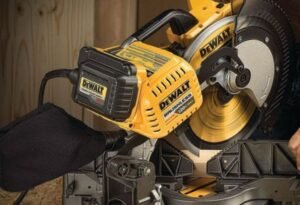
The process of how to unlock Dewalt miter saw varies slightly depending on the model, but the core steps remain the same. This section will give you step-by-step instructions for unlocking different types of locks. This includes the blade, transport, bevel, and miter locks. By following these steps, you can safely and efficiently prepare your saw for use. Remember, before beginning any of these steps, always unplug the saw from the power source to ensure your safety. Also, familiarize yourself with your saw model’s manual for specific instructions.
Unlocking the Blade Lock
The blade lock is a safety feature that keeps the blade from spinning. It’s especially useful when changing the blade. The method to unlock the blade lock will vary depending on your Dewalt miter saw model. Here’s how to do it in most instances. This step-by-step procedure provides clear guidance to unlock the blade, setting the stage for a smooth operation. Remember to always prioritize safety throughout this process.
- Locate the Blade Lock: The blade lock is usually a button or a lever on the motor housing or near the blade guard.
- Engage or Disengage the Lock: Depending on your model, the lock might engage by pressing a button or lifting a lever. To unlock, you might need to press and hold a button or pull a lever.
- Release the Blade: After unlocking the blade lock, you should be able to spin the blade freely by hand.
Releasing the Transport Lock
The transport lock secures the saw’s arm during transit and storage. It prevents the arm from moving, protecting the saw’s components from damage. Here’s a guide to releasing the transport lock. By understanding and properly executing these steps, you can set your saw for use. Make sure your workspace is clear and safe.
- Find the Transport Lock: This lock is located near the saw’s arm. It’s typically a lever or a sliding switch.
- Move the Lock to the Unlocked Position: Slide the switch or pull the lever to release the lock. You should hear or feel a click when the lock disengages.
- Test the Arm Movement: After unlocking the transport lock, gently move the saw’s arm up and down to ensure it moves freely.
Adjusting and Unlocking Bevel and Miter Angles
Setting the bevel and miter angles allows you to cut at different angles. Bevel adjustments tilt the blade left or right. Miter adjustments rotate the base. By understanding the method to adjust and unlock these angles, you can make complex cuts with accuracy. Always prioritize your safety and follow your saw’s manual for specific instructions.
- Set the Bevel Angle: Locate the bevel adjustment lever or knob. Loosen it to adjust the blade angle. Set the desired angle using the scale on your saw. Tighten the lever or knob to lock the bevel angle.
- Set the Miter Angle: Locate the miter adjustment lever or knob. Loosen it to adjust the base angle. Set the desired angle using the scale. Tighten the lever or knob to lock the miter angle.
- Double-Check the Angles: Before making a cut, double-check that both the bevel and miter angles are locked in place and that the saw is positioned as required.
Troubleshooting Common Issues and Maintenance Tips
Even with proper use, your Dewalt miter saw may sometimes encounter issues. This section will guide you through common problems and provide effective solutions. Also, you’ll learn how to perform routine maintenance to keep your saw in excellent shape. From sticky locks to motor problems, we’ll cover various troubleshooting strategies. Regular maintenance is also key to ensuring your saw’s longevity and consistent performance.
Dealing With Sticky Locks
Sticky locks can be a common frustration when working with a miter saw. This section explains the causes and offers methods to resolve these issues. Sticky locks can occur due to a build-up of sawdust, rust, or lack of lubrication. The following tips will help resolve sticky locks.
- Clean the Lock Mechanism: Remove any sawdust and debris from the lock mechanism using compressed air or a brush.
- Lubricate the Moving Parts: Apply a light lubricant, such as a silicone-based spray, to the moving parts of the lock. Avoid using oil-based lubricants, as they can attract dust and grime.
- Check for Rust: Inspect the lock mechanism for rust. If rust is present, use a rust remover and gently scrub the affected areas.
- Regular Cleaning: Cleaning your saw after each use can prevent the build-up of sawdust and debris.
Solving Motor Issues
Motor issues can prevent your saw from starting or functioning correctly. Here are some of the most common motor problems and how to solve them. Addressing these issues promptly can ensure the proper functioning of your saw. If you do encounter major issues, always seek professional help.
- Check the Power Supply: Ensure that the saw is correctly plugged into a working power outlet. Also, check the circuit breaker or fuse to confirm there is no power interruption.
- Inspect the Motor Brushes: Worn motor brushes can cause the motor to function poorly or not start at all. Access the motor brushes and replace them if necessary.
- Check the Power Cord: Inspect the power cord for any damage. Replace the cord if there are any cuts, cracks, or exposed wires.
- Motor Overheating: If the motor overheats, let it cool down before continuing to use the saw. Overheating can occur if the saw is used excessively.
Maintaining Your Saw for Longevity
Proper maintenance helps in extending the life of your saw and ensuring its consistent performance. Regular cleaning, lubrication, and inspection are essential to keep your saw in excellent shape. Follow these tips to help keep your saw in tip-top shape. This will also ensure safety and improve your cutting accuracy.
- Regular Cleaning: Clean your saw after each use. Remove sawdust from the blade guard, the base, and other parts using compressed air or a brush.
- Lubrication: Lubricate the moving parts of the saw, like the blade slide and adjustment mechanisms, with a light lubricant. This will keep them working properly.
- Blade Inspection: Regularly check the blade for damage, such as dull teeth or warping. Replace the blade when needed.
- Blade Alignment: Use a square to verify the blade’s alignment to the base, and make adjustments. Accurate blade alignment is important for precise cuts.
- Storage: Store your saw in a clean, dry area.
Advanced Techniques and Safety Enhancements
This section will explore advanced techniques that can improve your cutting precision and safety. The goal is to maximize your saw’s capabilities while minimizing any risks. By mastering these techniques, you can improve your woodworking projects and prevent potential injuries. Whether it’s using the saw for complex angles or implementing safety enhancements, this section will offer valuable insights.
Using the Miter Saw for Complex Cuts
The miter saw isn’t just for straight cuts; it can be used for a range of complex cutting tasks. Cutting crown molding and creating angled joints requires a clear understanding of your saw’s capabilities and adjustments. Here are some methods to help you make complex cuts accurately and safely.
- Cutting Crown Molding: Crown molding often requires compound cuts. You can often make these cuts by tilting the blade and adjusting the miter angle. Refer to the manual for specific instructions on your saw.
- Creating Angled Joints: For angled joints, such as those used in picture frames or boxes, you’ll need to set both the miter and bevel angles. Ensure the angles are accurate for precise results.
- Using a Stop Block: A stop block will help you make repetitive cuts with consistent length. Place the stop block at the same point to each piece of wood before cutting it.
- Making Compound Cuts: Compound cuts involve both a miter angle and a bevel angle. These are often needed for crown molding, and other decorative trim. Refer to the saw’s manual and practice to perfect these cuts.
Improving Safety Practices
Safety should always be a priority when using a miter saw. Incorporating safety enhancements and following best practices will reduce the risk of accidents. Safety enhancements are usually additions or adjustments that improve safety while using the saw. Here are some methods to help make the saw safer.
- Use a Push Stick: Always use a push stick when cutting small pieces of wood. This will help keep your hands away from the blade.
- Wear Safety Glasses: Always wear safety glasses to prevent eye injuries from flying debris.
- Hearing Protection: Protect your hearing by using earplugs or earmuffs.
- Blade Guard: Never disable the blade guard. The blade guard is a key safety feature that protects you.
- Proper Lighting: Work in a well-lit area.
- Secure the Wood: Always secure the material, either by holding it firmly or clamping it in place. This will prevent movement during the cut.
- Maintenance: Make sure the saw is in good working order. Perform routine maintenance to keep the saw in good working order.
Table Saw vs. Miter Saw: Which One to Use?
Choosing between a table saw and a miter saw depends on your project’s needs and the type of cuts needed. Both have their strengths, and the best choice depends on your specific requirements. This comparison provides a guide to help you decide which tool best fits your woodworking projects. This comparison helps you pick the right tool for your project.
The table below provides a side-by-side comparison to help determine which tool is best for your projects.
| Feature | Table Saw | Miter Saw |
|---|---|---|
| Primary Use | Ripping long pieces of wood and cutting large sheets of material. | Crosscutting boards to length and making angled cuts. |
| Cut Types | Ripping, crosscutting, dados, and rabbets. | Crosscuts, miter cuts, bevel cuts, and compound cuts. |
| Accuracy | High accuracy for ripping and precise cuts, especially with jigs and guides. | Excellent for accurate angle cuts. |
| Portability | Less portable, due to size and weight. | More portable and easier to transport, especially the sliding models. |
| Safety Considerations | More potential hazards. Always use a blade guard and riving knife. | Less hazardous, although still essential to use safety measures. |
Choosing between a table saw and a miter saw hinges on the type of cuts and scale of your project. If you are cutting long pieces of wood, a table saw is the best choice. If your project primarily involves crosscuts and angled cuts, a miter saw is a more suitable option. Both saws have a role in the workshop.
Frequently Asked Questions
Question: How do I change the blade on my Dewalt miter saw?
Answer: First, unplug the saw. Locate the blade change lock and engage it. Loosen the blade bolt with the provided wrench. Remove the old blade and install the new blade, making sure the teeth are facing the correct direction. Tighten the blade bolt, and disengage the blade change lock.
Question: What should I do if my Dewalt miter saw won’t turn on?
Answer: First, check the power supply by ensuring the saw is plugged into a working outlet. Check the circuit breaker or fuse for any tripped circuits. Then, inspect the power cord for damage. If the cord is damaged, replace it. If the problem persists, the motor brushes may need replacing.
Question: How can I ensure accurate angle cuts?
Answer: First, always ensure the miter and bevel locks are properly engaged. Use the saw’s built-in angle scales. Also, double-check your angles using a square or protractor. You can make test cuts on scrap material to confirm your measurements.
Question: How often should I lubricate my miter saw?
Answer: Lubricate your saw regularly, especially if it is used frequently. Apply a light lubricant to the blade slide, pivot points, and adjustment mechanisms. The exact frequency depends on the usage, but lubricating monthly or every few weeks is a good starting point.
Question: What safety gear is essential when using a miter saw?
Answer: Essential safety gear includes safety glasses, hearing protection, and a dust mask. Using a push stick is critical when cutting small pieces. Always work in a well-lit area and wear appropriate clothing, avoiding loose sleeves or jewelry.
Final Thoughts
Mastering the art of how to unlock Dewalt miter saw models and utilize their features is essential for safe and efficient woodworking. From understanding the core locking mechanisms to learning step-by-step instructions for unlocking them, you’ve equipped yourself to handle any situation. Addressing issues like sticky locks, motor troubles, and maintaining your saw extends its lifespan and ensures reliable performance. The ability to make complex cuts, along with incorporating safety enhancements, elevates your woodworking skills and reduces risks. Whether you’re a seasoned woodworker or a beginner, a well-maintained and properly understood miter saw is the foundation for a successful and enjoyable experience. Keep the saw in good working order to produce accurate, safe cuts.

I’m John F. Nicholas, the founder, lead writer, and drill enthusiast behind 101drill.com. With years of hands-on experience in power tools and DIY projects, I created this platform to share practical knowledge, expert tips, and real-world insights to help others master the art of drilling.