
Elongating a drilled hole in metal may sound simple, but it requires accuracy and proper technique to avoid damaging the material.
Many people try to force the drill sideways to stretch the hole, only to break the bit or scratch the metal surface. Without the correct tools and approach, the hole becomes jagged, uneven, and structurally weak.
Metal is strong and resistant, which means modifying an existing hole must be done with control and patience.
A perfectly round hole is easy to drill, but elongating it into an oval or slot requires shaping techniques instead of pure drilling. With the right process, the hole can be extended smoothly without bending or cracking the metal.
The key is knowing how to remove metal gradually while keeping the edges clean. Whether you need to adjust bolt alignment, relieve tension, or modify a mounting point, the elongation process must be precise. Small mistakes can weaken the metal or affect the fit of the hardware.
This guide walks you through every method used by professionals to elongate drilled holes in metal.
With the right tools, lubrication, and step-by-step technique, you can create a clean elongated hole safely. Once you understand the process, metal modification becomes predictable and efficient.
Why Elongating a Drilled Hole Requires a Different Approach
Elongating a hole is not the same as drilling a new one. When you drill sideways using a normal bit, the bit catches the metal edges and can snap instantly. This makes elongation more risky if done incorrectly.
Metal is designed to resist bending, which means pushing the drill sideways puts stress on both the bit and the surface. Forcing the bit often results in scratches, heat damage, or warping. These issues reduce structural reliability.
Elongating a hole requires gradual removal of metal in the direction you want to expand. This controlled method creates a smooth and even transition between the old hole and the new extended area. Precision matters because uneven elongation can misalign mounted parts.
Heat buildup is another challenge during elongation. Removing metal creates friction, and friction creates heat that dulls bits and damages the surface. Proper cooling or lubrication prevents these issues.
Maintaining the correct angle is also important. A sideways angle must be controlled to avoid creating unwanted shapes. Even minor tilting can create a distorted oval.
Metal thickness affects how easily the hole can be elongated. Thin metal may tear if handled too aggressively, while thick metal requires more time and patience. Understanding metal behavior ensures better results.
Overall, elongating a hole requires technique, not force. When done correctly, the hole becomes smooth, accurate, and structurally reliable.
Tools You Need to Elongate a Drilled Hole in Metal
A rotary tool such as a Dremel is excellent for elongating holes. It allows precise side-to-side shaping using grinding stones or burr bits. This helps remove metal smoothly.
A round file or rat-tail file is useful for elongating small holes manually. Filing gives you fine control and prevents excessive removal. It is ideal for delicate adjustments.
A carbide burr bit is one of the best tools for enlarging and elongating holes. Burr bits remove metal quickly and produce a clean oval shape. They work well for thick and hard metals.
A step drill bit can be used to widen a hole before elongating. While step bits cannot elongate directly, they create a smoother surface to shape afterward. They also reduce resistance during filing or grinding.
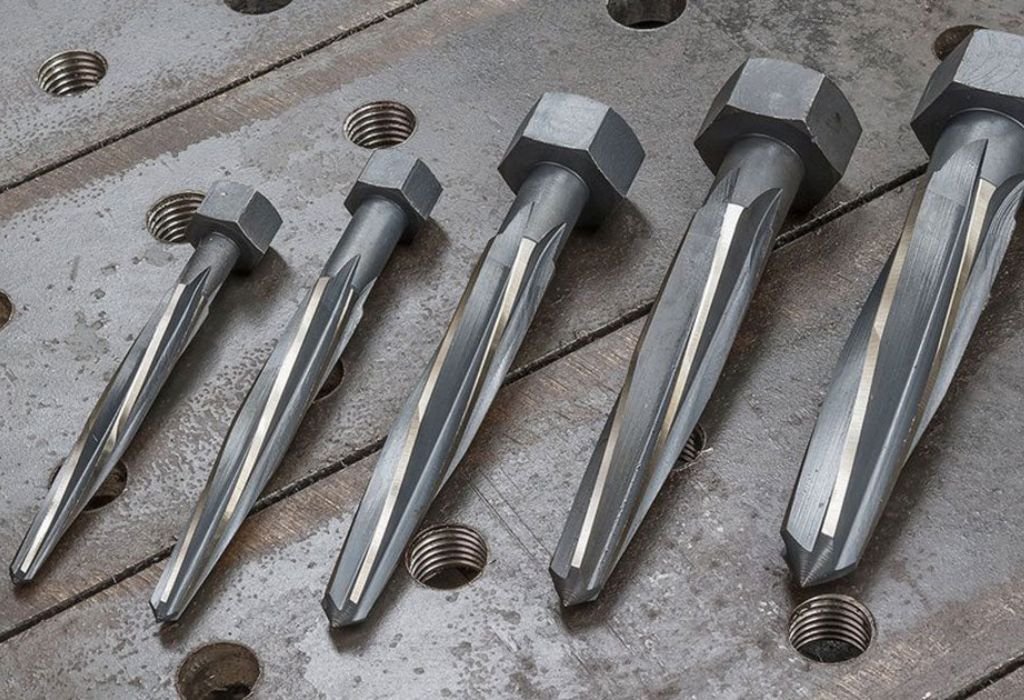
A tapered reamer helps expand holes gradually. It removes metal evenly and prevents jagged edges. Reamers are useful for making precise adjustments.
Cutting oil keeps all shaping tools cool. Lubrication reduces heat and prevents tool damage. It also allows smoother metal removal.
Clamps or a vise are essential for stabilizing the metal piece. Movement during elongation makes the process unsafe. Securing the metal ensures accuracy and safety.
Understanding the Purpose Behind Elongating a Hole
Elongated holes are often needed for alignment adjustments. When two parts must fit together but the holes are slightly misaligned, elongating helps them line up. This prevents stress on the hardware.
In mechanical systems, elongating holes provides thermal or vibration relief. It allows flexible movement between metal components. This reduces long-term wear and damage.
Some projects require making a slot instead of a single point hole. Slots help pass wires, cables, or specialized fasteners. Creating a small elongated hole is the starting point for a longer slot.
Elongating a hole helps modify factory-made parts that do not fit perfectly. Customizing these parts ensures proper assembly. This technique is common in automotive and industrial work.
In DIY repairs, elongating holes allows replacing older hardware with new components that require different spacing. Instead of drilling new holes, modification saves time.
Understanding why you need the elongation helps determine which method to use. Some require precision shaping, while others need faster material removal. Matching technique to purpose ensures better performance.
A good elongated hole improves fit, alignment, and structural reliability. When done carefully, it enhances overall project quality.
Choosing the Best Method to Elongate a Drilled Hole
Using a rotary tool is one of the most precise ways to elongate a hole. The grinding attachment lets you remove metal slowly and shape the hole accurately. This method works well for most applications.
Manual filing is ideal for small adjustments or delicate materials. A round file removes metal gradually with full control. It is perfect for tight spaces or thin metal.
Using a carbide burr bit is effective for removing metal quickly. Burr bits cut aggressively and are suitable for hard metals. They allow accurate shaping with steady movements.
If the hole must be enlarged before elongation, use a step drill bit. Step bits create round, clean openings that are easier to elongate afterward. This prevents tearing during shaping.
A reamer is great for tapering or smoothing the elongated area. Reamers refine the final shape. They improve hole quality and fit.
Choosing the best method depends on metal type, thickness, and elongation size. Harder metals require stronger tools like burr bits. Softer metals allow easier shaping with files.
Selecting the appropriate method ensures accuracy and prevents damage. With the right tool, elongating holes becomes straightforward and efficient.
How to Prepare the Metal Before Elongating the Hole
Clean the metal surface to remove dust and grease. A clean surface improves visibility and prevents slipping. Dirt and oil interfere with shaping tools.
Use masking tape around the hole to protect the surrounding metal. Tape prevents scratches while you work. It also helps guide shaping tools precisely.
Secure the metal using clamps or a vise. Stability is essential because shaping puts lateral force on the metal. A secure grip ensures accurate elongation.
Mark the desired direction of elongation with a permanent marker. Clear markings help maintain straight alignment. Without marking, the hole may become crooked.
Apply cutting oil around the hole. Oil reduces friction during grinding or filing. Proper lubrication keeps the tool cool.
Choose the tool you will start with and inspect it for sharpness. Dull tools produce rough edges. Using sharp tools improves hole quality.
Position yourself comfortably to control the tool safely. Proper positioning helps maintain accurate shaping. Once prepared, the metal is ready for elongation.
Step by Step Method to Elongate a Drilled Hole in Metal
Begin by inserting a rotary grinding bit or round file into the hole. Work slowly in the direction you want to elongate. This first pass removes minimal metal.
Move the tool gently back and forth to stretch the hole gradually. Avoid forcing the tool because excessive pressure can damage the edges. Small controlled motions ensure accuracy.
Stop periodically to apply more lubrication. Grinding and filing generate heat that can weaken metal. Oil keeps the process smooth.
Remove metal shavings frequently to maintain visibility. Shavings interfere with shaping accuracy. A clean working area helps you monitor progress.
Expand the hole little by little until it reaches the desired length. Constantly check alignment to prevent uneven elongation. Adjust direction carefully if needed.
Use a finer tool such as a sanding drum or smooth file to refine the edges. Refining removes rough spots for a cleaner finish. Smooth edges improve hardware fit.
Inspect the hole thoroughly once finished. Ensure the shape is balanced and free from jagged edges. A well-shaped elongated hole ensures better performance.
How to Avoid Distortion While Elongating a Hole
Avoid forcing the tool sideways aggressively. Side force can bend thin metal and distort the hole. Controlled pressure prevents structural damage.
Keep the workpiece secured tightly. Loose metal vibrates during shaping and causes uneven removal. A stable work surface improves precision.
Use sharp tools because they cut smoothly with minimal pressure. Dull tools require more force and cause edge tearing. Sharp tools maintain clean lines.
Take breaks to cool both the tool and the metal. Heat can cause expansion that changes the hole size. Cooling maintains accuracy.
Work slowly and gradually increase the hole size. Fast removal leads to mistakes. Patience creates better results.
Monitor the hole shape constantly. Checking frequently helps correct small issues before they become large problems. Continuous monitoring ensures even elongation.
Finish with fine shaping tools. Finer tools remove excess material gently. This ensures a clean final shape.
Avoiding Overheating While Elongating Metal Holes
Always lubricate the area before shaping. Lubrication reduces friction and heat buildup. It also prevents tool burning.
Avoid using high-speed settings on rotary tools. High speed creates excessive heat. Slow speed is safer and more controlled.
Take breaks during grinding or filing. Pausing allows the metal and tool to cool down. Overheated tools lose efficiency.
Remove metal gradually instead of large chunks. Gradual shaping creates less friction. This keeps temperatures manageable.
Use sharp tools because they produce cleaner cuts. Sharp tools generate less heat and require less pressure. Dull tools overheat quickly.
Monitor tool color and temperature. If the tool becomes too hot, stop immediately. Cooling prevents damage.
Clean shavings frequently to improve airflow. Shavings trap heat around the hole. Removing them reduces heat buildup.
Common Mistakes When Elongating Drilled Holes
Forcing the drill sideways is one of the biggest mistakes. This breaks bits and damages the metal. Controlled shaping is the correct method.
Skipping lubrication causes overheating. Overheated tools become dull and warp the metal surface. Oil ensures smooth cutting.
Using the wrong tool results in uneven holes. Wood tools or dull files are not suitable for metal. Metal-specific tools produce clean results.
Not securing the metal causes vibration and misalignment. Movement leads to distorted hole shapes. Clamping is essential.
Rushing the process removes too much material. Oversized holes become unusable. Slow shaping prevents errors.
Ignoring metal thickness leads to mistakes. Thin metal may tear, while thick metal requires more time. Adjust technique based on thickness.
Failing to inspect edges produces unsafe holes. Sharp burrs can cut or damage hardware. Finishing the edges ensures safety and quality.
Safety Tips While Elongating Holes in Metal
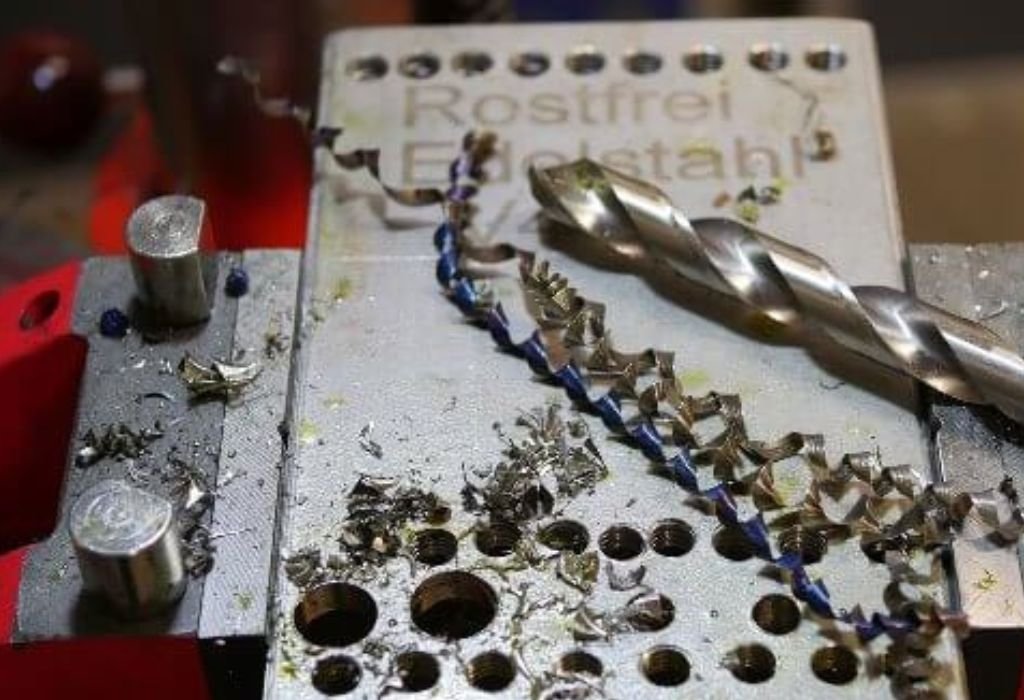
Wear eye protection to shield against metal shavings. Shavings can fly unpredictably. Glasses protect your eyes.
Use gloves to prevent cuts from sharp metal edges. Metal fragments are dangerous. Gloves improve safety.
Secure the metal piece properly before shaping. Movement increases accident risk. A stable work area is essential.
Keep loose clothing away from rotating tools. Loose fabric can get caught. Proper attire ensures safety.
Hold the tool firmly at all times. A strong grip prevents slipping. Good control ensures cleaner shaping.
Avoid excessive pressure when using grinding or filing tools. Too much pressure causes slips and damage. Gentle shaping produces the best results.
Work in a well-lit area. Clear visibility improves accuracy. Light helps you see imperfections.
Important FAQs About Elongating Metal Holes
How do I elongate a hole without damaging the metal?
Use gradual shaping with a rotary tool or file instead of forcing a drill.
Can I use a drill bit to elongate a hole?
No, forcing a drill sideways can break the bit and scratch the surface.
What tool is best for elongating a metal hole?
A carbide burr or rotary grinder works best.
Do I need lubrication when elongating holes?
Yes, lubrication prevents overheating and smooths the shaping process.
Why is the metal getting too hot?
High speed or lack of lubrication increases friction.
Can I elongate a hole in thin metal?
Yes, but use gentle pressure to avoid tearing.
How do I keep the elongation straight?
Mark the direction clearly and remove metal slowly.
Can I use a file instead of a grinder?
Yes, files are great for small adjustments.
What if I remove too much metal?
You may need to use washers or weld the area.
Should I deburr after elongating?
Yes, deburring removes sharp edges and improves safety.
Conclusion
Elongating a drilled hole in metal is a precise process that requires careful technique and the right tools. By shaping the hole gradually instead of forcing the drill sideways, you protect both the metal and your tools. Taking your time ensures clean and accurate results.
Understanding metal thickness, selecting the right method, and using proper lubrication all contribute to better outcomes. Whether you use a rotary tool, file, or burr bit, smooth shaping depends on patience and stability. These steps make elongation safe and predictable.
With proper preparation and safety measures, elongating metal holes becomes simple and effective.
This guide provides everything you need to extend holes accurately without damaging the material. Following these methods ensures clean, professional-quality results for any project.

I’m John F. Nicholas, the founder, lead writer, and drill enthusiast behind 101drill.com. With years of hands-on experience in power tools and DIY projects, I created this platform to share practical knowledge, expert tips, and real-world insights to help others master the art of drilling.