
Every woodworker knows that one tool never seems to do it all. In a small workshop, space and budget limits often spark creativity and lead to unconventional ideas. One of the most common questions born from this struggle is simple yet intriguing — can you use a plunge router as a drill press?
The thought seems logical at first glance. A plunge router moves vertically like a drill press, it has adjustable depth control, and it can bore into wood with power and precision. For many DIYers or small shop owners, the temptation to use what’s already on the bench is strong, especially when a drill press feels like a luxury.
According to a 2024 Woodworker’s Journal survey, nearly 37% of hobbyists admit to repurposing tools for multiple functions in their workshops. Another report from Fine Woodworking notes that over 60% of beginners face tool shortages during complex builds, leading them to explore creative alternatives. These numbers show that the router-as-drill-press debate is not rare curiosity — it’s a real workshop dilemma.
The question, however, goes beyond possibility. It’s about performance, safety, and the practicality of using a router for drilling. The answer depends on factors like bit design, speed control, and material type — all of which influence whether the idea is clever or risky.
In this article, you’ll discover the full truth. From the mechanical differences between a plunge router and a drill press to setup steps, safety concerns, and expert advice — everything you need to decide whether it’s worth trying will be covered next.
What Is a Plunge Router vs a Drill Press?
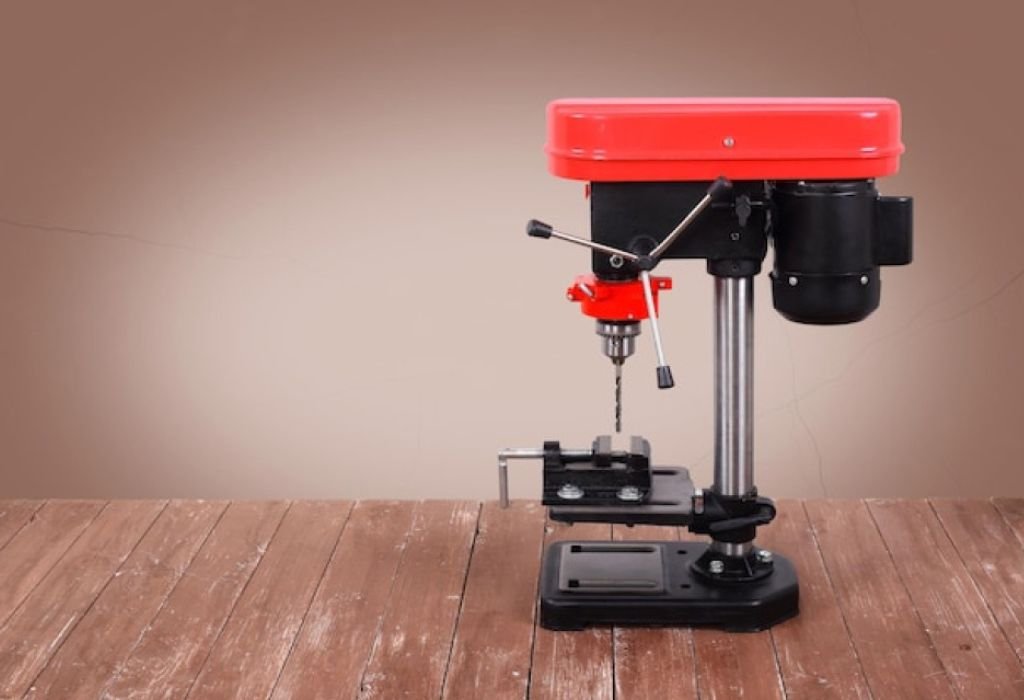
Before answering can you use a plunge router as a drill press, it’s important to understand what makes these two tools fundamentally different. Both are designed for downward motion, but their purposes diverge in how they deliver accuracy and power.
A plunge router is built for shaping, cutting, and hollowing wood. It has a vertically moving motor mounted on spring-loaded columns that allow the bit to plunge into a workpiece smoothly. This makes it ideal for routing grooves, mortises, and recesses where clean edges are essential.
A drill press, by contrast, is designed solely for drilling precise holes. It uses a rigid spindle and chuck system to lower a drill bit vertically at variable but low speeds. The focus is on accuracy, torque, and perpendicular alignment rather than cutting speed.
The speed difference is crucial. Routers often run between 15,000 to 25,000 RPM, while drill presses rarely exceed 3,000 RPM, even at their highest setting. That speed gap makes it easy to burn wood or damage bits if you misuse the router for drilling.
A plunge router offers controlled vertical motion for mid-surface cuts, while a drill press guarantees perpendicular holes with stable pressure. Although they share a similar movement, their internal designs and applications are completely different. Understanding these differences forms the foundation for deciding whether one can replace the other.
Routers spin extremely fast to shear wood fibers, whereas drill presses rotate slower to avoid overheating the bit (Woodworking StackExchange). Because both tools move vertically, many DIYers consider adapting a router for drilling tasks when a dedicated drill press isn’t available. However, while a router can bore shallow holes, it lacks the torque, stability, and bit control required for true precision (Wood Magazine).
Can You Use a Plunge Router as a Drill Press? The Short Answer
Yes — technically, you can use a plunge router as a drill press, but the results come with serious trade-offs. It can drill shallow holes in soft wood when used carefully, yet it’s far from an ideal or safe substitute.
The router’s high RPM makes it prone to burning the workpiece, especially if the bit isn’t designed for those speeds. Drill bits are meant for lower RPMs and slower feed rates, while router bits are designed to cut sideways at much higher speeds. Mixing those purposes can quickly cause overheating, bit breakage, or surface tearing.
You might get away with drilling shallow mortises or dowel holes in softwood. However, when depth, precision, or safety matter, a drill press is irreplaceable. Its rigid frame, stable table, and torque-controlled spindle provide accuracy that no hand-held or improvised router setup can match.
In short, the answer to can you use a plunge router as a drill press is “sometimes — but it’s not recommended for critical work.” It’s a temporary workaround for basic woodworking tasks, not a permanent solution.
A router can indeed bore holes when plunged vertically, but the precision and consistency of a real drill press are unmatched (TDPRI Forum). It may serve when no drill press is available, but accuracy, safety, and bit design must always be considered.
Key Considerations Before Trying It
Before mounting your router vertically and calling it a drill press, several critical factors need to be reviewed. Ignoring these can lead to poor results or even tool damage.
Bit compatibility comes first. Router collets are made for router bits, not drill bits. Forcing a standard drill bit into a router collet can lead to slippage, vibration, or ejection. Using a straight router bit designed for plunge cutting is far safer and more compatible.
Next is speed mismatch. Routers spin up to ten times faster than drill presses. That difference can scorch wood, dull bits rapidly, or even cause the bit to shatter under stress. The feed rate — how quickly you press down — must be extremely gentle to compensate for the speed.
Stability matters just as much. Drill presses provide a rigid platform and perpendicular feed. Routers require manual handling or a jig to hold them vertically. Without solid clamping, the workpiece may move, leading to inaccurate holes or dangerous kickback.
Material type also plays a role. Soft woods are relatively forgiving, but hard woods or metals can overheat instantly. Metals, in particular, are unsafe for routers because of the high RPM and lack of cutting oil or chip clearance.
Finally, depth and diameter must be realistic. Large-diameter shallow holes might work fine, but deep narrow ones can cause excessive heat buildup and poor chip ejection. Always test on scrap before drilling the actual piece.
Most woodworking experts caution that while this method can work for softwood, it should never replace a real drill press for precision work (Woodworking StackExchange).
How to Set Up a Plunge Router as a Drill Press
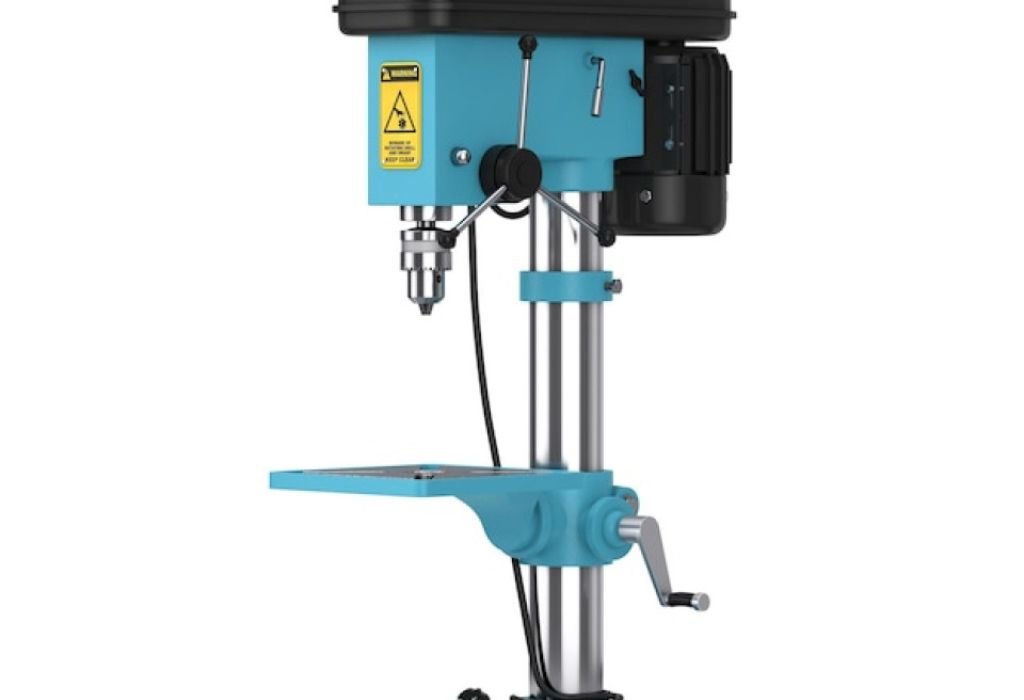
If you still decide to experiment, a cautious and controlled setup is essential. The key is to create as much stability and safety as possible.
Start by mounting the router vertically on a solid surface or jig. A simple option is to secure it to a sturdy base with side blocks to prevent wobble. The goal is to imitate the vertical movement of a drill press spindle.
Select a straight router bit with a flat bottom instead of a twist drill bit. Standard drill bits can overheat and bind at high speeds. Straight bits are designed for plunging and can handle faster rotations safely.
Set a precise depth stop on your router to avoid plunging too deep. Clamp your workpiece firmly to prevent shifting and test on scrap wood first to check for overheating or chipping.
Make slow, shallow passes. Lower the router gently, back out periodically to clear chips, and let the bit cool between plunges. Continuous pressure can overheat both bit and wood.
Finally, wear proper eye and ear protection. High-speed chips and dust can be dangerous. Using a vacuum or dust port attachment improves visibility and reduces heat buildup.
For best results, build or buy a router stand that mimics a drill press mount. Wood Magazine offers reader-submitted jig plans that can transform a router into a temporary vertical station (Wood Magazine).
Pros, Cons, and Comparison Table
Every creative shortcut has trade-offs. Using a plunge router as a drill press offers some convenience but sacrifices control, accuracy, and safety.
Advantages:
- Saves space and money for hobbyists with limited tools.
- Handles large, shallow holes easily.
- Offers adjustable depth control similar to a drill press.
- Works in softwoods and MDF for temporary jobs.
Disadvantages:
- High RPM creates burn marks and risks kickback.
- Bit types are limited; drill bits often incompatible.
- Depth and perpendicular accuracy are inconsistent.
- Not suitable for metal or precision joinery.
Compared side by side, the differences are clear. A drill press offers torque, repeatability, and vertical precision. A plunge router offers flexibility, portability, and cutting speed. One tool is made for shaping and surface work; the other for clean, accurate holes.
While a router can fill in during emergencies, it should never become your default drilling solution. If precision holes, mortises, or dowel work are part of your regular workflow, investing in a drill press pays off long term.
Experts from TDPRI Forums summarize it well — “a router can imitate a drill press, but not replace one” (TDPRI).
Safety Tips and Best Practices
Safety should always be your first priority. Using tools beyond their intended purpose increases risk, so follow these guidelines carefully.
Ensure the router and bit are securely fastened before plunging. Loose bits can eject at dangerous speeds. Always clamp your workpiece tightly to avoid movement or vibration during drilling.
Never use standard drill bits unless they are rated for router RPMs. The friction at 20,000 RPM can cause bits to shatter, sending metal fragments flying. Choose plunge-rated router bits whenever possible.
Avoid side pressure on the bit. Routers are not built to handle lateral loads like a drill press spindle. Keep the plunge vertical and controlled to prevent kickback.
If you smell burning wood or see smoke, stop immediately. Withdraw the bit, clean out chips, and allow it to cool before continuing. Continuous heat can damage both bit and motor.
Never attempt this technique on metal. The router’s high speed and lack of lubrication make it unsafe for anything other than wood or soft composites. Forums like TDPRI strongly warn against metal drilling with routers (TDPRI Forum).
Use hearing and eye protection at all times. Even softwood drilling creates fine dust and high-pitched noise that can irritate eyes and ears.
Alternatives and When to Use a Real Drill Press
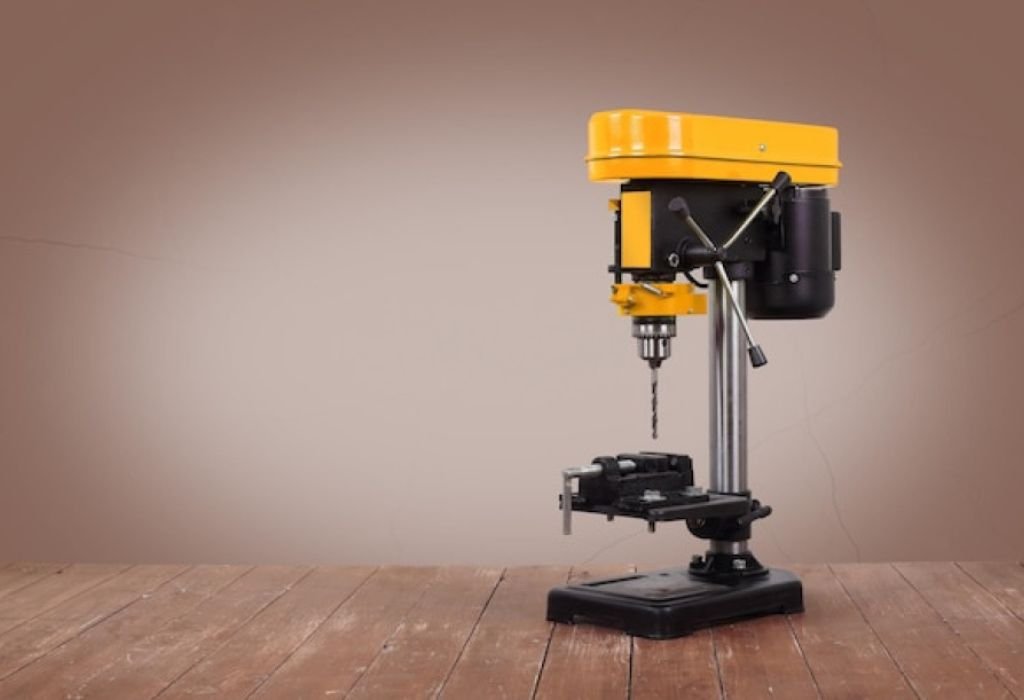
If you find yourself constantly improvising, it might be time to consider a proper drill press or alternative tool. Even compact benchtop models provide accurate, repeatable holes and are far safer than adapting a router.
For occasional work, consider drill-guide attachments that stabilize handheld drills. These inexpensive jigs ensure perpendicular holes and offer limited depth control — without the risks of router speeds.
Another creative option is a router tower or vertical stand built specifically for drilling-like operations. These devices give better control but are still limited by router RPM.
If you need consistent accuracy in wood joinery, metalwork, or repetitive drilling, a dedicated drill press is the right investment. It delivers the power, precision, and stability that routers simply can’t match.
Most woodworking experts agree: use a plunge router for cutting, profiling, and surface shaping. Use a drill press for hole-making tasks that demand precision and repeatability. Each tool excels in its own category.
When comparing cost and capability, small benchtop drill presses now retail for under $150, making them accessible even to hobbyists. The improved safety, reduced heat, and smoother operation justify the upgrade.
Conclusion
So, can you use a plunge router as a drill press? Yes — but only within strict limits. It can handle shallow holes in soft wood when set up carefully, but it’s not built for accuracy or heavy-duty drilling.
A plunge router runs at speeds far beyond what drill bits can safely handle. Its design favors cutting edges and shaping, not the torque and stability of a drill press. While it might help in a pinch, it should never be your long-term solution.
If precision holes, repeatable depth, or clean drilling matter, a proper drill press remains the superior choice. It’s safer, more accurate, and designed for the job from the ground up.
Experimenting with tools can spark creativity, but safety should always come first. Evaluate your needs, respect each tool’s design, and choose wisely. Sometimes ingenuity fills the gap — other times, the right machine makes all the difference.

I’m John F. Nicholas, the founder, lead writer, and drill enthusiast behind 101drill.com. With years of hands-on experience in power tools and DIY projects, I created this platform to share practical knowledge, expert tips, and real-world insights to help others master the art of drilling.