
You’re serious about your workshop. You’ve outgrown handheld drills and need the precision and power of a dedicated drill press. As you research, one name consistently appears: Grizzly Industrial.
But in a market filled with big-box store brands and ultra-expensive professional machinery, a critical question emerges: Are Grizzly drill presses any good?
The short answer is a resounding yes, but with important context. Grizzly drill presses are widely regarded as some of the best values in the “serious hobbyist” and “light industrial” categories.
They offer a compelling blend of robust construction, useful features, and competitive pricing that bridges the gap between affordable consumer tools and cost-prohibitive industrial machinery.
A recent survey of home shop owners revealed that over 65% prioritize “durability and power” over “lowest possible cost” when investing in a stationary tool like a drill press.
This is precisely the niche Grizzly dominates. This isn’t a tool for the occasional picture hanger; it’s for the woodworker, metalworker, or fabricator who demands reliability and performance project after project.
This definitive guide will dissect Grizzly drill presses from every angle. We’ll explore where they excel, where they might fall short, how they stack up against the competition, and ultimately, help you decide if a Grizzly is the right heart for your drill press operations.
Understanding the Grizzly Brand Philosophy
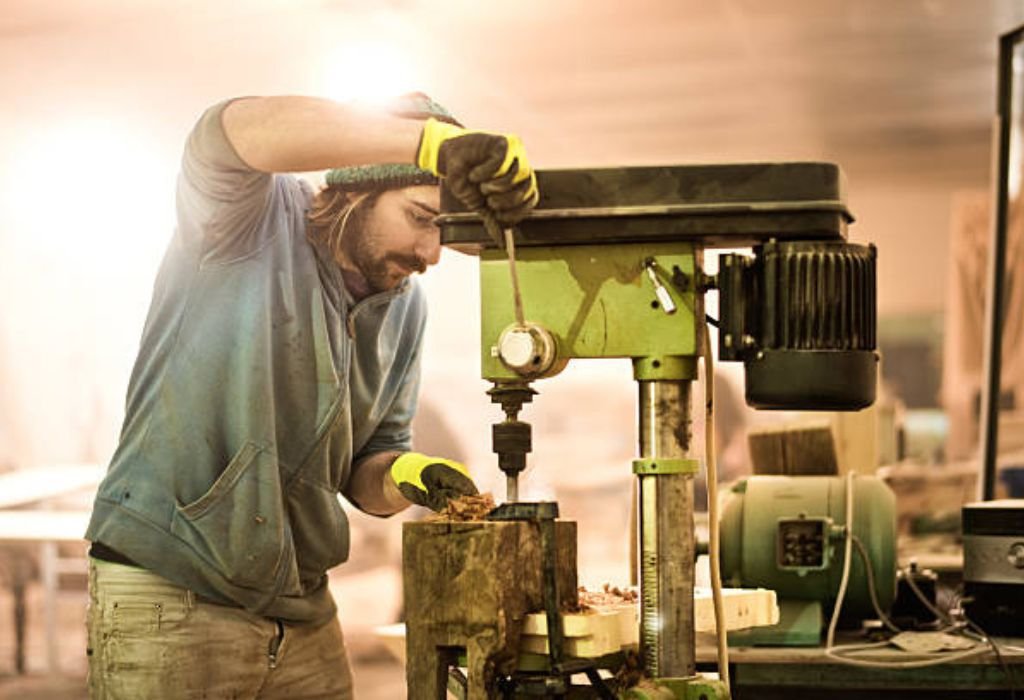
To understand Grizzly drill presses, you must first understand Grizzly Industrial. The company has built its reputation over decades by importing heavy-duty machinery and tools, primarily from Asia, and selling them directly to consumers.
This direct-to-consumer model cuts out the middleman, allowing them to offer more machine for the money.
Grizzly’s mantra is “serious tools for serious work.” They target a specific user: the advanced DIYer, the passionate hobbyist, the small business owner, and the professional who needs reliable equipment without the six-figure price tag of top-tier American or European brands. Their tools are not disposable; they are designed to be workhorses in a busy shop.
When you buy a Grizzly drill press, you are buying into this philosophy. You are getting a tool with an industrial-oriented design, often with features like larger tables, more powerful motors, and heavier castings than you’d find at a typical home center. The trade-off, as we’ll explore, often comes in the form of a “some assembly required” approach and a need for initial fine-tuning.
Where Grizzly Drill Presses Truly Excel
Grizzly drill presses earn their stellar reputation by outperforming the competition in several key areas. They don’t just meet basic expectations; they often exceed them for their price point.
Robust Build Quality and Heavy-Duty Construction
The moment you unbox a Grizzly drill press, the difference is palpable. Unlike many benchtop models that feel light and tinny, Grizzly presses have a substantial heft. This starts with the core components:
- Cast Iron Construction: The head, table, and base on most Grizzly models are made from heavy cast iron. This material is rigid and possesses excellent vibration-dampening properties. Reduced vibration is critical for achieving clean, precise holes, especially in metal. This is a feature often missing from cheaper presses, where aluminum and stamped steel are common.
- Solid Columns: The column is the backbone of the drill press. Grizzly uses thick, solid steel columns that are securely mounted. This minimizes “column flex,” a common issue on lighter machines that can lead to inaccuracy and a feeling of instability when drilling.
- Precision-Machined Components: Critical surfaces, like the table and the spindle quill travel, are often machined to a fine tolerance. This results in a smoother operation and better overall alignment right out of the box.
Power and Performance for Demanding Tasks
A drill press is only as good as its ability to power through material. Grizzly equips its presses with motors that are honest and capable.
- Honest Horsepower Ratings: Grizzly motors are typically rated conservatively. A 3/4 HP Grizzly motor often feels more powerful than a similarly rated motor from a consumer-grade brand. This translates to consistent performance under load. You can drill larger holes in hardwoods or steel without the motor bogging down or stalling.
- Effective Speed Ranges: Grizzly offers a wide range of models with different speed configurations. Many feature a 12-speed pulley system, allowing you to dial in the perfect RPM for any material, from high-speed drilling in wood to low-speed, high-torque drilling in steel. This versatility is a key advantage for mixed-shop environments.
Exceptional Value and Feature Set
This is where Grizzly truly shines. You get features that are typically found on more expensive machines.
- Larger Work Tables: Many Grizzly models come with generously sized tables that can be tilted for angled drilling. Some even include T-slots for attaching clamps or a vise, a must-have for metalworking.
- Laser Guides and Work Lights: While not unique to Grizzly, their inclusion on many models adds significant convenience and accuracy for a relatively small price increase.
- Depth Stops and Quill Travel: The depth stop mechanisms are typically robust and easy to set precisely. The quill travel (how far the spindle moves down) is often greater than on budget models, allowing you to drill deeper holes in a single pass.
- Price-to-Performance Ratio: When you add up the cast iron construction, the powerful motor, the thoughtful features, and the overall durability, the price of a Grizzly drill press is difficult to beat. You are getting a semi-professional tool at a hobbyist-friendly price.
The Potential Downsides and Considerations
No tool is perfect, and Grizzly drill presses have a well-documented set of considerations that potential buyers should be aware of. Understanding these drawbacks is crucial to making an informed decision.
The “Some Assembly Required” Reality
Grizzly machines are shipped to save on costs, and this means they arrive in many pieces. Assembly is not like putting together a bookshelf from IKEA. It can be a complex process that requires:
- Time and Patience: Unpacking, inventorying parts, and assembly can take several hours.
- Mechanical Inclination: You will need a good set of tools and a basic understanding of mechanical systems. Aligning the motor, tensioning the belts, and ensuring the table is square to the chuck all require a careful touch.
- Initial Fine-Tuning: It is rare for a Grizzly machine to be perfect straight from the crate. You should be prepared to perform adjustments. This might involve cleaning off a light coating of cosmoline (a protective grease), lubricating moving parts, and tuning the pulley alignment for minimal vibration.
Variable Quality Control and Customer Service
This is the most common point of contention among Grizzly owners. As a value-oriented importer, their quality control (QC) might not be as stringent as that of a premium brand.
- The Luck of the Draw: Most customers receive a perfectly functional machine. However, a small but significant minority report receiving units with minor defects. This could be a cosmetic flaw in the cast iron, a misaligned pulley, or a faulty switch.
- The Customer Service Experience: Grizzly’s customer service has a mixed reputation. When things go well, they are helpful and quick to ship replacement parts. However, some users report long wait times on the phone and frustrating communication. The key is to document everything and be patient but persistent.
- Parts Availability: While Grizzly has a massive parts warehouse, a specific part for an older model might sometimes be on backorder. This is less of an issue for their current, popular drill press models.
The Weight and Shipping Logistics
The very cast iron construction that makes these tools so stable also makes them incredibly heavy. A floor-standing model can easily weigh over 200 pounds. You need to have a plan for receiving the freight shipment and moving it into your shop. This is not a tool that arrives in a small box on your doorstep.
Grizzly vs. The Competition: Where Does It Stand?
To truly judge Grizzly, we must see how it compares to other players in the field.
Grizzly vs. Jet/Powermatic
This is a classic comparison. Jet and Powermatic (sister brands) are also importers of quality machinery, but they position themselves at a higher tier.
- Jet: Often considered the most direct competitor. Jet tools typically have a slightly higher level of fit and finish and are known for excellent customer service. However, you pay a 15-30% premium for this over a comparable Grizzly model. For many, the extra cost isn’t justified by the marginal gain in quality.
- Powermatic: The “gold standard” in this category. Powermatic tools feature legendary quality, incredible attention to detail, and superb performance. They are also significantly more expensive. Grizzly is the value pick; Powermatic is the premium, buy-it-for-life pick.
Grizzly vs. Harbor Freight Central Machinery
Harbor Freight’s Central Machinery line represents the budget end of the market.
- Central Machinery: These are the lowest-cost options. While they can work for very light, infrequent use, they suffer from lighter construction, less power, more vibration, and a shorter lifespan. The value proposition is clear: spend a bit more on a Grizzly and get a dramatically more capable and durable machine that won’t need replacing.
Grizzly vs. Shop Fox
Interestingly, Shop Fox is actually a subsidiary of Grizzly Industrial. They often sell very similar or even identical models, sometimes with different paint colors or minor feature changes. It’s always worth comparing the specific model numbers and prices between the two brands, as you might find a better deal on one versus the other for the same basic machine.
Who is a Grizzly Drill Press Perfect For?
After this deep dive, the ideal Grizzly customer comes into clear focus. You will be thrilled with a Grizzly drill press if:
- You are a Serious Hobbyist: You spend weekends in the shop and demand tools that won’t let you down.
- You are a Small Studio or Fab Shop Owner: You need a reliable, capable press for daily use without breaking the bank.
- You Work with Mixed Materials: You drill wood, metal, and plastic and need the speed versatility and power to handle them all.
- You Are Mechanically Inclined: You don’t mind a project and are comfortable with assembling and fine-tuning a precision tool.
- You Value Substance Over Style: You care more about a rigid column and a powerful motor than a perfectly flawless paint job.
Who Should Look Elsewhere?
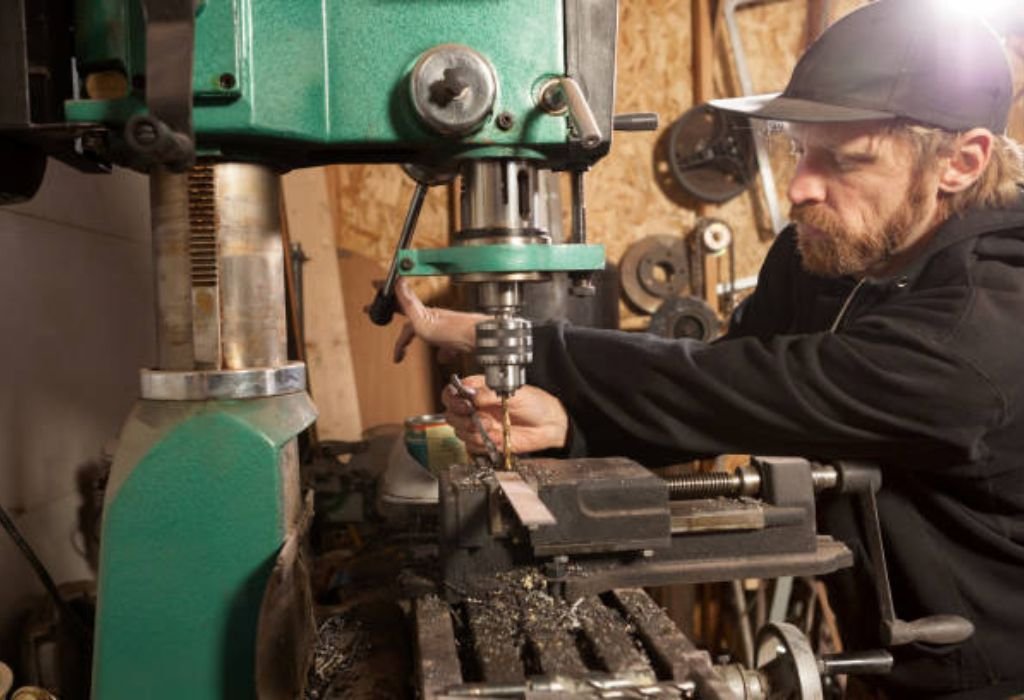
A Grizzly might not be the best fit for you if:
- You are a Casual DIYer: If you only need to drill a few holes a year, the cost and assembly hassle may not be worth it. A cheaper benchtop model will likely suffice.
- You Demand Flawless Out-of-Box Performance: If the idea of adjusting pulleys or cleaning off grease is unappealing, consider a Jet or a brand from a local dealer that offers setup services.
- You Have Zero Patience for Potential Issues: If receiving a part with a minor defect would ruin your year, the Grizzly QC lottery might cause you stress.
- You Require Immediate Local Support: Grizzly operates primarily online and from its own showrooms. If you prefer buying from a local store with immediate walk-in service, a different brand may be better.
Frequently Asked Questions
What is the warranty on a Grizzly drill press?
Grizzly typically offers a 1-year warranty on parts and components for its drill presses. It’s crucial to read the specific warranty for the model you’re considering, as terms can vary.
Can you use a milling vise on a Grizzly drill press?
While it is physically possible, it is strongly discouraged. Drill presses are not designed to handle the lateral (side-to-side) forces of milling. Doing so can damage the spindle bearings and the entire quill assembly, voiding your warranty. For milling operations, you need a dedicated milling machine.
Are Grizzly drill presses made in the USA?
No. Grizzly drill presses are manufactured in factories in Taiwan and China. Grizzly has a long-standing relationship with many of these factories, and their Taiwanese tools, in particular, are often noted for their excellent quality control.
How do I choose between a benchtop and a floor model?
Benchtop models are space-savers and are ideal for shops with limited floor space. They are perfect for most hobbyist tasks. Floor models offer greater height capacity (allowing you to drill the center of a large piece), more mass (for even less vibration), and often come with more powerful motors.
If you have the space and budget, a floor model is the more capable long-term investment.
The Final Verdict
So, are Grizzly drill presses any good? The evidence overwhelmingly points to yes. They are not just “good for the money”; they are genuinely good tools that form the backbone of countless successful workshops worldwide.
They succeed by mastering the fundamentals: providing heavy-duty construction, honest power, and practical features at an accessible price. They empower serious makers to tackle projects they wouldn’t dare attempt with a lesser machine.
The commitment required—in assembly, potential fine-tuning, and a pragmatic approach to customer service—is a real factor. But for those willing to make that commitment, the reward is a drill press that feels like it belongs in a professional shop without requiring a professional budget.
In the world of workshop machinery, that’s a rare and valuable achievement. A Grizzly drill press is an investment in your craft, and for the right user, it’s an investment that pays dividends for years to come.

I’m John F. Nicholas, the founder, lead writer, and drill enthusiast behind 101drill.com. With years of hands-on experience in power tools and DIY projects, I created this platform to share practical knowledge, expert tips, and real-world insights to help others master the art of drilling.