
Cordless drills are one of the most important tools in any DIY enthusiast’s or professional contractor’s toolbox. With battery technology improving every year, power tools are now stronger, lighter, and more efficient than ever before. But when it comes to choosing a cordless drill, one debate always comes up: are brushless cordless drills better than brushed drills? According to a market report, more than 40% of new power tool sales in recent years have shifted toward brushless motor technology, showing that many professionals and homeowners are making the upgrade. Brushless drills promise longer lifespan, more power per charge, and less maintenance—but they also cost more. In this guide, we’ll break down the differences, pros and cons, and help you decide whether a brushless cordless drill is truly the right choice for you.
1. What Is a Brushless Cordless Drill?
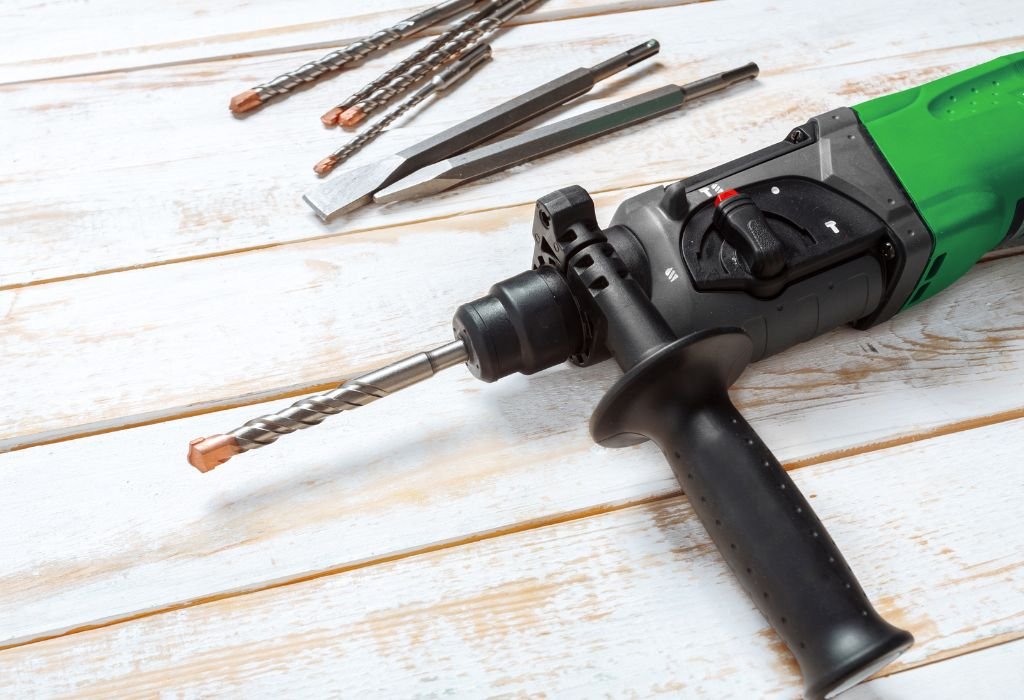
- A brushless cordless drill uses a motor powered by electronic controls instead of carbon brushes, making it more efficient and reliable.
- The absence of brushes reduces friction inside the motor, allowing it to run cooler and last longer compared to brushed drills.
- Brushless motors automatically adjust power output depending on the material being drilled, which saves battery life.
- They are generally more compact and lightweight because fewer internal parts are required.
- Brushless drills are considered premium models, often chosen by professionals and serious DIYers for demanding projects.
2. What Is a Brushed Cordless Drill?
- A brushed cordless drill uses carbon brushes that make contact with the motor’s commutator to create motion.
- This design has been used in power tools for decades and is proven to be durable, but less efficient than brushless technology.
- Brushed drills generate more heat and friction, which can lead to faster wear and shorter motor lifespan.
- They are generally heavier and bulkier compared to their brushless counterparts.
- The main advantage of brushed drills is their lower price, making them an affordable choice for beginners and casual users.
3. Core Differences Between Brushless and Brushed Drills
- Efficiency – Brushless motors use electronic control instead of physical contact, which reduces energy loss. Brushed drills waste more energy as heat and friction.
- Power Output – Brushless drills deliver more consistent torque and speed, automatically adjusting power based on the task. Brushed drills provide steady output but cannot adapt as efficiently.
- Heat Management – With no brushes to create friction, brushless drills stay cooler during long use. Brushed drills heat up faster, which can affect performance over time.
- Maintenance – Brushed drills need brush replacements after extended use, while brushless drills require almost no maintenance.
- Longevity – Brushless motors generally last longer, making them ideal for frequent or professional use, while brushed drills wear down faster.
4. Advantages of Brushless Cordless Drills
- Higher Power Efficiency – Brushless motors use less energy while delivering more torque, giving better performance per battery charge.
- Longer Lifespan – With no brushes to wear out, these drills can last years longer than traditional brushed models.
- Less Maintenance – You don’t need to replace carbon brushes, which saves both time and money.
- Lightweight and Compact – Brushless drills are usually smaller and easier to handle, making them more comfortable during long projects.
- Professional-Grade Performance – They are designed to handle heavy workloads, from construction sites to advanced woodworking.
5. Advantages of Brushed Cordless Drills

- Lower Cost – Brushed drills are much cheaper, making them perfect for beginners or people who only need a drill occasionally.
- Proven Reliability – Brushed technology has been around for decades and is still widely trusted.
- Easier to Repair – If something goes wrong, brushed drills are generally easier and cheaper to fix compared to brushless models.
- Good for Light Use – Perfect for household tasks like hanging shelves, assembling furniture, or simple DIY projects.
- Wide Availability – Brushed drills are sold everywhere, from budget tool brands to well-known companies.
6. Limitations of Brushless Cordless Drills
- Higher Price – Brushless drills can cost almost double the price of a brushed model, which may not be practical for casual users.
- Complex Electronics – More advanced internal components mean repairs can be complicated and expensive.
- Overkill for Small Tasks – For basic household drilling or light screwdriving, a brushless drill might feel unnecessary.
- Less Availability in Budget Range – Entry-level or cheap versions are limited, so buyers often need to invest more upfront.
- Specialized Needs – Best suited for heavy-duty users; average homeowners may not benefit from all features.
7. Limitations of Brushed Cordless Drills
- Shorter Lifespan – Carbon brushes wear out with use, which reduces long-term durability.
- Less Efficient – They waste more energy as heat, which lowers battery runtime.
- Heavier Design – Bulkier motors make brushed drills harder to use for long projects.
- Noisy Operation – Friction from brushes makes them louder compared to brushless drills.
- Inconsistent Power – As brushes wear, performance can drop, especially during tough drilling tasks.
8. Which Drill Should You Choose?
- Choose Brushless – If you need power, efficiency, and long-term durability for professional or frequent DIY projects.
- Choose Brushed – If you only use a drill occasionally and want a budget-friendly option.
- Consider Both – Some users keep a small brushed drill for light household tasks and a brushless drill for demanding work.
- Think Long-Term – While more expensive, brushless drills save money over time by lasting longer and needing less maintenance.
- Match Your Workload – Light projects don’t require advanced tech, but heavy workloads will quickly show the benefits of brushless.
9. Alternatives and Middle Options
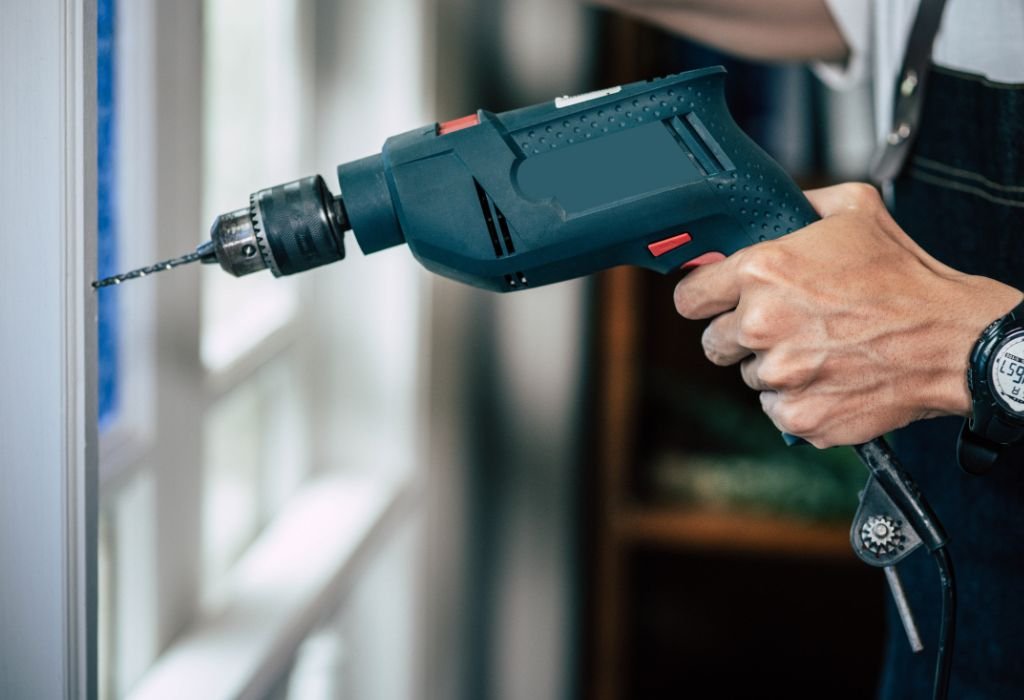
- Compact Brushless Drills – Some brands offer lightweight brushless models that combine portability with advanced efficiency, making them ideal for homeowners who want premium features without the extra bulk.
- Upgraded Brushed Drills – A few modern brushed drills include better batteries and improved designs, giving them more runtime and reliability than older models.
- Corded Drills – For those who don’t need portability, corded drills provide unlimited power at a much lower price.
- Impact Drivers – If screwdriving power is more important than drilling holes, an impact driver may be a useful alternative or companion tool.
- Mid-Range Hybrids – Some tool kits include both brushed and brushless options, allowing users to switch based on the task.
10. FAQs About Brushless vs Brushed Drills
- Are brushless drills always more powerful? – Generally yes, but efficiency matters more than raw power.
- Do brushless drills last longer? – Yes, because they don’t have brushes that wear out.
- Are brushless drills worth the extra cost? – For frequent or professional use, definitely. For light home use, not always.
- Can brushed drills handle professional work? – They can, but they wear down faster and may require more maintenance.
- Do brushless drills save battery life? – Yes, they adjust power output, giving longer runtime per charge.
- Which brands make the best brushless drills? – DeWalt, Makita, Milwaukee, and Bosch are highly rated.
- Are brushless drills beginner-friendly? – Yes, they are lightweight and easy to handle, though more expensive.
- Do brushless drills need maintenance? – Very little; mainly just keeping the tool clean and the battery healthy.
- Are brushed drills disappearing from the market? – Not yet, but brushless is becoming more dominant.
- Can I upgrade later from brushed to brushless? – Yes, and many people start with brushed before upgrading.
11. Final Checklist Before Buying
- Define your primary needs – light DIY, heavy-duty projects, or professional work.
- Compare motor type – brushless for efficiency, brushed for affordability.
- Check torque, RPM, and battery specs before deciding.
- Look at weight and ergonomics if you plan to use it for long sessions.
- Consider warranty length and brand reputation for reliability.
- Evaluate your budget – is the extra cost of brushless worth it for you?
- Think about future use – buying once for long-term may save money later.
Conclusion
So, are brushless cordless drills better? The simple answer is yes. Brushless drills are more efficient, last longer, and deliver more power per battery charge than traditional brushed models. They stay cooler, require almost no maintenance, and are built for long-term use—qualities that make them the first choice for professionals and serious DIYers.
However, that doesn’t mean brushed drills are useless. For homeowners and beginners who only need a drill for light household projects, a brushed drill still gets the job done at a fraction of the cost. In fact, for tasks like hanging shelves, assembling furniture, or occasional repairs, spending extra on brushless technology might feel unnecessary.
The decision really depends on your workload and budget. If you see yourself working on bigger projects, investing in a brushless drill will save money in the long run. If you just need a basic drill for occasional use, a brushed model is the smarter option. Many users even choose to own both—a budget brushed drill for small tasks and a premium brushless drill for heavier jobs.
No matter which one you pick, always consider brand reputation, warranty, and battery compatibility before buying. The right drill will not only make your projects easier but also ensure you’re investing in a tool that lasts.

I’m John F. Nicholas, the founder, lead writer, and drill enthusiast behind 101drill.com. With years of hands-on experience in power tools and DIY projects, I created this platform to share practical knowledge, expert tips, and real-world insights to help others master the art of drilling.