
When a cordless screwdriver bit gets stuck, even a small project can come to a standstill. The frustration of a jammed bit can turn a quick repair into an hour-long battle that risks damaging your tool.
A single mistake in removing the bit can strip the chuck, bend the shaft, or even break the bit entirely. This issue is surprisingly common among DIY users — one tool manufacturer reported that over 25% of cordless screwdriver repairs involve jammed bits or damaged chucks (source).
The good news? Removing a stuck bit safely is simple when you know how the mechanism works. In this guide, you’ll learn step-by-step methods, safety precautions, and troubleshooting tips to remove a bit from your cordless screwdriver without causing any harm to your tool.
Understanding Bit Retention in Cordless Screwdrivers
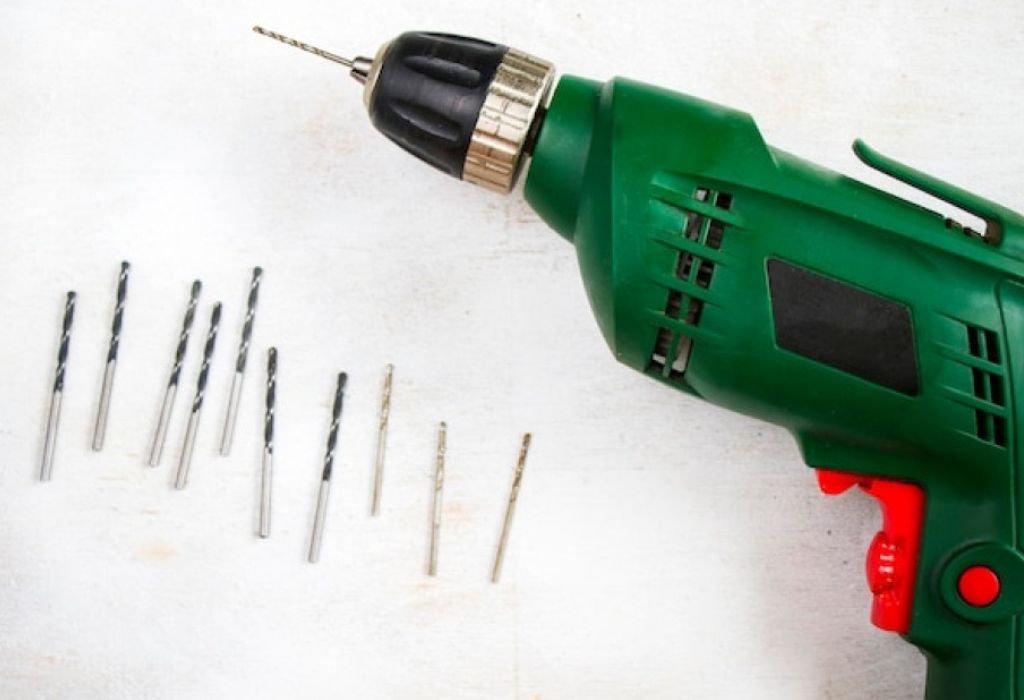
Cordless screwdrivers use specialized mechanisms to hold bits tightly during rotation. These mechanisms may include magnetic holders, ball detents, or quick-release chucks designed to prevent bits from falling out during operation.
When dirt, debris, or corrosion builds up inside the collet or chuck, the bit can jam. Excessive torque or inserting the bit too deep can also cause it to stick.
Why does the bit get stuck in the screwdriver?
Most often, the locking ball or magnetic detent becomes misaligned or clogged with debris, preventing release.
Is every cordless screwdriver designed the same way?
No — some models use quick-release collars, while others rely solely on magnetic retention.
Can a worn chuck cause bits to jam frequently?
Yes, if the spring or locking ball weakens, it can trap the bit unevenly.
Is it normal for new tools to have tight bit holders?
Absolutely. New chucks often need a few uses to loosen up slightly.
Should you lubricate the bit holder regularly?
Yes, applying a drop of machine oil every few months helps prevent sticking.
Safety Preparations Before Removing the Bit
Before attempting to remove the bit, always disconnect the tool from its power source. Even a small trigger pull while handling the bit can cause injury or damage.
Remove the battery pack or unplug the charger, and ensure your workspace is well-lit. Wearing gloves and eye protection will help avoid minor cuts or flying debris.
Why is removing the battery essential?
It prevents accidental activation that could injure your hand or worsen the jam.
Should I secure the screwdriver in a vise?
Only if you pad the tool’s body — direct metal-to-plastic pressure can crack the casing.
Can I apply oil directly inside the chuck?
Yes, but use only a drop of non-conductive oil to avoid harming electrical parts.
What should I do if the bit holder feels rusty?
Use a cotton swab with light penetrating oil to loosen rust buildup.
How long should I wait after applying oil?
Wait at least 10–15 minutes for the lubricant to penetrate before trying removal again.
Method 1: Pull Back on the Collar or Sleeve
Most cordless screwdrivers feature a quick-release sleeve or collar. Pulling the collar backward (toward the handle) disengages the locking balls inside the chuck, allowing the bit to slide out.
Hold the tool firmly, pull the collar, and gently twist the bit as you pull it out. If the collar resists, it might be jammed with dirt.
Which direction should the collar move?
In most models, you pull the collar backward toward the body of the tool.
What if the collar doesn’t move easily?
It may be stuck from dust or debris — apply a small amount of lubricant.
Can twisting help during removal?
Yes, a gentle twist can help dislodge bits that are slightly wedged.
Should I use force if it doesn’t release immediately?
No, forcing it could deform the locking balls or scratch the bit shaft.
What can I do if the collar is cracked or broken?
Replace it promptly; a damaged collar cannot grip bits properly.
Method 2: Use Needle-Nose or Locking Pliers
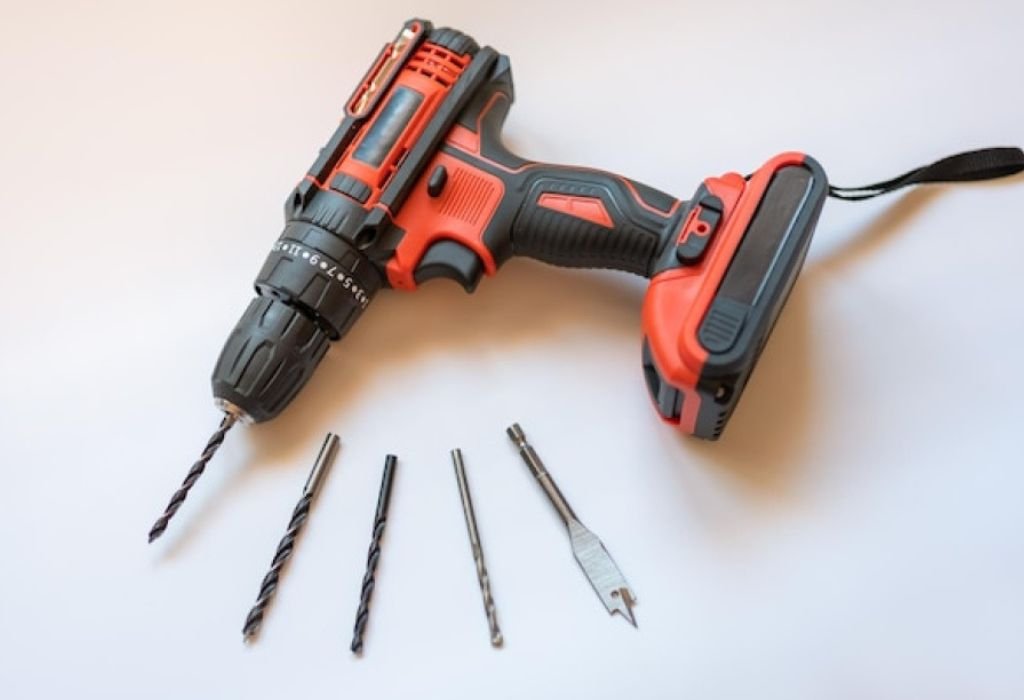
If the bit tip is visible, needle-nose pliers can offer extra leverage. Grip the bit firmly, pull backward while pressing the release collar, and twist lightly.
Avoid using excessive pressure or sharp tools that could scratch or deform the bit holder.
What type of pliers works best?
Needle-nose or locking pliers provide controlled grip without crushing the bit.
Can I use regular household pliers?
Yes, but wrap the jaws in tape to prevent metal-on-metal damage.
Should I twist or pull straight out?
A small twisting motion combined with steady pulling works best.
Can heat help loosen a stuck bit?
Gentle heat (like from a hair dryer) can slightly expand the metal, easing removal.
What if the pliers slip during the process?
Reposition the grip, or use rubber padding for better traction.
Method 3: Use Reverse Mode or Light Tapping
If the bit refuses to budge, try engaging the screwdriver’s reverse function. The reverse torque can loosen a jammed bit while you lightly pull or wiggle it.
Combine this with gentle tapping using a non-metal mallet to dislodge internal binding without cracking components.
Why use reverse mode instead of manual pulling?
Reverse torque applies a controlled rotation that helps free the bit from internal friction.
Is it safe to use a hammer on the bit?
Use only soft or rubber mallets to avoid damaging the chuck.
How much reverse power should I use?
Start at the lowest speed setting to avoid over-torquing.
Will this method work for magnetic bit holders?
Yes, but it may require a few short reverse bursts to fully release the bit.
Can I combine reverse torque with lubrication?
Absolutely. Oil reduces friction and enhances the effect of reverse motion.
Method 4: Advanced Extraction Techniques
If standard methods fail, try advanced techniques carefully. You can use a bonding trick, controlled heat, or partial disassembly if you’re confident.
For the bonding method, apply a drop of super glue to a screw, attach it to the stuck bit, and twist once dry to pull it out. For the heat method, use mild heat to expand the metal housing slightly.
Is the glue method safe for all tools?
Yes, as long as glue doesn’t seep into the chuck mechanism.
How long should I wait before twisting the glued screw?
About 5–7 minutes — once the glue fully cures, twist gently.
Can heat damage the magnetic tip?
Yes, excessive heat can demagnetize or warp it — use only mild warming.
Should I ever open the tool body?
Only if the manufacturer allows disassembly; otherwise, seek professional service.
When should I replace the bit holder instead of repairing it?
If the internal locking mechanism is bent, cracked, or missing components.
Troubleshooting and Common Mistakes to Avoid
Some users make the mistake of using brute force, which can deform the chuck or break the bit entirely. Always proceed gently, and never use hard metal tools to pry inside the holder.
If the bit remains stuck after several attempts, allow the lubricant to work longer, or contact a repair center to inspect the mechanism.
Can WD-40 be used to loosen bits?
Yes, but apply it sparingly and wipe away excess before using the tool again.
Is it safe to tap the bit sideways?
No — side tapping can misalign the internal bearings.
What if the bit breaks inside the chuck?
You may need to disassemble the front end or replace the chuck entirely.
Can I drill the bit out manually?
Only as a last resort — it risks damaging the screwdriver permanently.
Why do bits keep getting stuck repeatedly?
It usually means the locking spring or detent ball is worn and needs replacement.
Prevention and Maintenance Tips
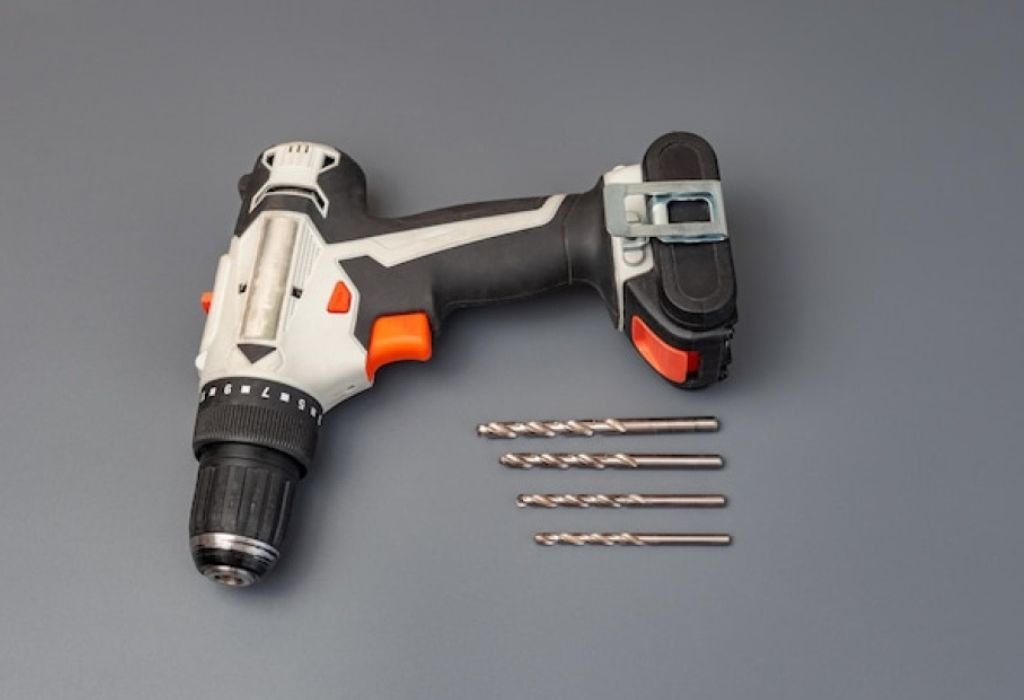
A few preventive habits can save your screwdriver from future jams. Always clean the bit holder after heavy use, and avoid inserting bits too deeply into the chuck.
Use high-quality bits with smooth shanks and store them in dry places to prevent corrosion. Apply a drop of lubricant to the collet monthly if you use the tool frequently.
Do quality bits really make a difference?
Yes, precision-machined bits fit better and resist jamming.
How often should I clean my chuck?
After every 10–15 uses or whenever debris is visible.
Is it necessary to replace worn bits?
Yes, rounded or bent bits can cause misalignment and sticking.
Can I use a magnetic bit holder as a buffer?
Yes, it reduces direct stress on the chuck mechanism.
Does frequent use increase jamming risk?
Only if maintenance is neglected — proper care prevents buildup and wear.
Conclusion
Removing a stuck bit from a cordless screwdriver doesn’t have to be difficult. With patience, safety precautions, and the right technique, you can free the bit without harming your tool.
Start with simple methods like pulling the collar or using pliers, then move to advanced techniques if needed. By maintaining your bit holder, cleaning debris, and using quality bits, you’ll keep your cordless screwdriver running smoothly for years.

I’m John F. Nicholas, the founder, lead writer, and drill enthusiast behind 101drill.com. With years of hands-on experience in power tools and DIY projects, I created this platform to share practical knowledge, expert tips, and real-world insights to help others master the art of drilling.