
Choosing the right cordless screwdriver often comes down to one question — how many volts do you really need?
Too little power and the tool stalls halfway. Too much, and you’re carrying unnecessary weight and cost.
Imagine tightening a long screw into hardwood and your screwdriver gives up mid-way. Frustrating, right?
That’s usually because of voltage — the invisible force behind every cordless tool’s strength.
Most cordless screwdrivers range from 3.6V to 20V, depending on use and design (Ehimax Tools).
But choosing the right one isn’t about the biggest number; it’s about matching voltage to your real-world needs.
This guide explains how voltage affects torque, speed, and performance, with practical examples for light, medium, and heavy-duty use. By the end, you’ll know exactly which voltage range fits your job — and why it matters.
What Does Voltage Mean for a Cordless Screwdriver?
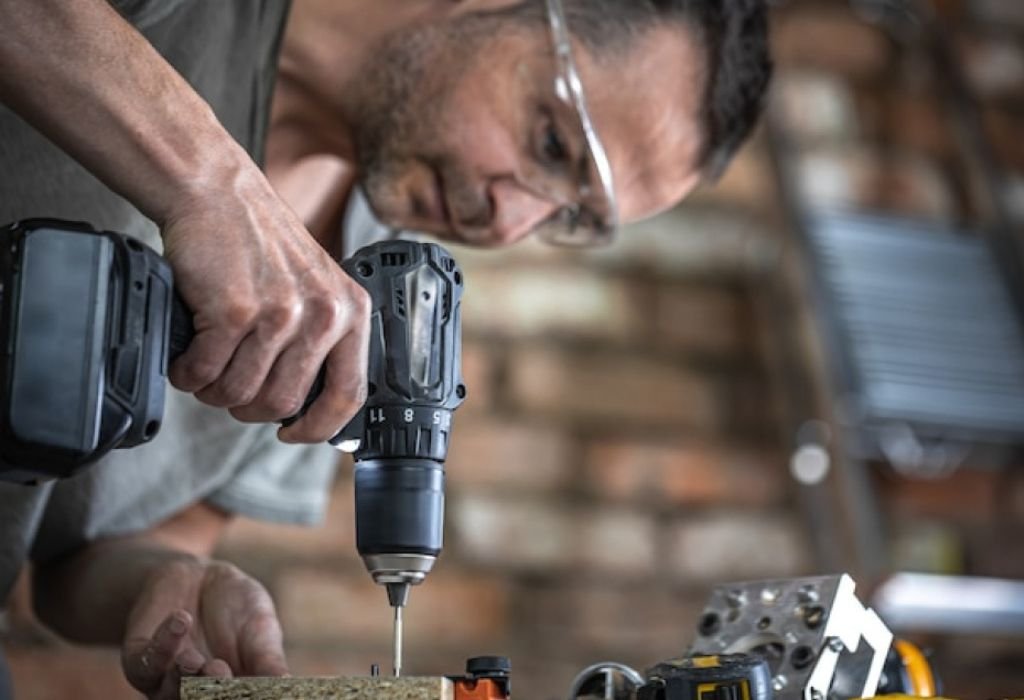
Voltage represents the electrical potential that powers your screwdriver’s motor.
It’s what pushes current through the motor windings, generating torque and speed.
Higher voltage generally means more torque and faster rotation, allowing the tool to handle tougher materials.
However, the relationship isn’t linear — design, battery chemistry, and motor type all influence real-world performance.
Voltage also affects battery size and runtime. A 12V battery has more cells than a 3.6V one, providing more energy per charge.
Yet, efficiency and usage habits determine how long that power lasts.
What is voltage in cordless tools?
It’s the electrical force that drives the motor and determines torque potential.
Does higher voltage always mean more power?
Not always — motor design and current limits also play a big role.
Can a 3.6V screwdriver handle hardwood?
Rarely — it’s designed for soft materials and light fastening.
Does voltage impact battery life?
Indirectly — higher voltage tools draw more current, so battery capacity (Ah) becomes critical.
How do manufacturers list voltage?
They usually quote nominal voltage, not the fully charged value, based on Li-ion cell count.
Typical Voltage Ranges and Their Use Cases
Every voltage category suits specific types of tasks.
Choosing based on your workload ensures the best balance between power, comfort, and runtime.
- 3.6V–4.8V: Ideal for light-duty tasks like furniture assembly, electronics, and small household repairs.
- 6V–10V / 12V: A step up for DIY and general home improvement, offering moderate torque for wood or plastic.
- 14V–18V+: Designed for professional and heavy-duty use, driving long screws into dense materials (DirectIndustry Guide).
- 20V+ systems: Used in construction and industrial environments needing sustained torque (Yato Hand Tools).
What is 3.6V suitable for?
Light furniture assembly and small projects — compact, easy to use, and perfect for beginners.
Is 12V enough for most homes?
Yes — 12V tools deliver a great balance of torque, speed, and weight for DIY.
Why pick 18V or higher?
For repetitive or industrial tasks where torque and endurance matter most.
Any downsides to high voltage?
Yes — increased tool weight and cost, which can reduce comfort during long sessions.
Can you upgrade voltage later?
No — the tool’s motor and electronics are built for a fixed battery system.
Balancing Power with Weight and Cost
Higher voltage means higher performance — but also higher trade-offs.
Each additional volt requires more battery cells, increasing size, price, and weight.
A 3.6V screwdriver weighs under 1 lb, while 18V models can exceed 3 lb with the battery attached.
That extra mass can cause fatigue during overhead or continuous work.
Cost scales too. Entry-level low-voltage models cost under $30, while professional 18V screwdrivers easily top $100.
Deciding what you truly need helps avoid paying for unused performance.
Why are higher-voltage tools heavier?
They require larger battery packs and stronger internal components.
What’s the sweet spot for weight and power?
Around 10V–12V, giving enough torque without excessive bulk.
Does higher voltage guarantee longer life?
Not always — build quality and usage patterns influence durability more.
Do prices rise linearly with voltage?
Usually yes — but efficiency and brand quality affect value per dollar.
Can ergonomic design offset added weight?
Yes — well-balanced handles and rubber grips make high-voltage tools easier to use.
Other Key Specs: Torque, Speed, and Battery Capacity
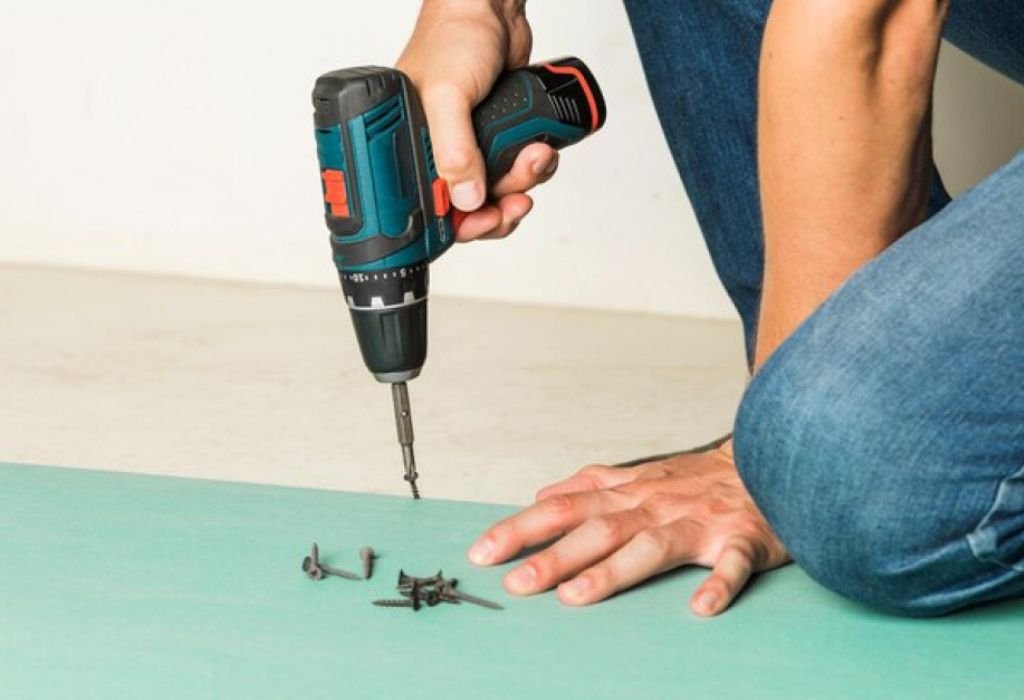
Voltage alone doesn’t define performance.
Torque (rotational force), RPM (speed), and battery capacity (Ah) combine to determine actual capability.
Torque: Measured in Newton-meters (Nm) or inch-pounds (in-lb). More torque = greater driving power.
Speed (RPM): Controls how fast screws turn — lower RPM for precision, higher RPM for speed.
Battery Capacity (Ah): Determines runtime; higher Ah means more working time per charge.
Brushless motors, now common in mid- to high-range tools, further improve efficiency and torque output.
They reduce friction and heat, extending both motor and battery life.
What’s more important — torque or voltage?
Torque defines power at the screw; voltage helps deliver it efficiently.
Does high RPM mean more torque?
Not necessarily — they’re separate performance aspects.
How does Ah affect performance?
It extends runtime but doesn’t change torque directly.
Are brushless tools worth it?
Absolutely — they run cooler, quieter, and last longer than brushed ones.
What’s the ideal combo for home use?
12V with around 1.5–2 Ah battery offers solid all-around performance.
How Many Volts Do You Actually Need?
Choosing the right voltage depends on what kind of work you do.
Here’s a simple decision guide:
| Task Type | Recommended Voltage | Example Use |
| Light DIY | 3.6–6 V | Furniture, toys, electronics |
| General Household | 8–12 V | Shelves, woodwork, decor |
| Professional | 14–18 V+ | Metal, hardwood, construction |
What voltage suits most homeowners?
12V offers enough torque for nearly all home projects.
What’s best for occasional use?
A 3.6V–6V screwdriver is lightweight, easy to store, and affordable.
Do contractors need 18V or more?
Yes — continuous use and dense materials demand that power range.
Is 20V overkill for average DIYers?
Usually — unless you’re drilling or fastening into tough materials daily.
How to test your current tool’s power?
Try driving longer screws into hardwood — if it stalls, voltage or torque is insufficient.
Buying Checklist and Expert Tips
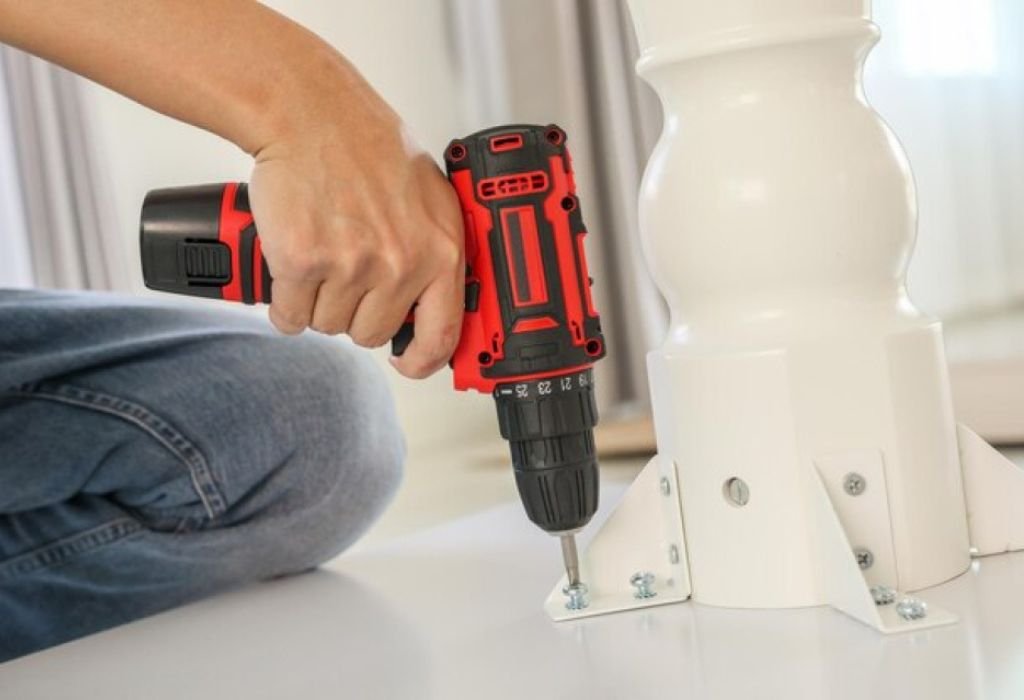
When shopping for a cordless screwdriver, voltage isn’t the only spec to compare.
Other details directly affect ease of use, durability, and productivity.
- Check torque output and clutch settings — adjustable torque prevents over-tightening.
- Battery system compatibility — same-brand tools often share batteries, saving cost.
- Weight and grip balance — test comfort for extended use.
- Extra features — LED lights, reverse switch, and quick-change bits enhance usability.
- Warranty and support — reputable brands offer 2–3 year coverage for batteries and motors.
Should spare batteries affect your buying choice?
Yes — extra packs reduce downtime and boost productivity.
Is brand ecosystem worth considering?
Definitely — shared batteries across tools simplify ownership.
Which features matter most for comfort?
Adjustable clutch, lightweight body, and anti-slip grip.
How to compare two screwdrivers with same voltage?
Check torque ratings, speed, and efficiency — not just volts.
When should you upgrade to a drill-driver?
When you need more torque or drilling capability beyond screwdriving.
Future Trends in Cordless Screwdrivers
Tool technology is evolving rapidly.
Manufacturers are increasing power and runtime without making batteries larger.
Advances in Li-ion cells now allow high-density packs that deliver 18V performance in smaller frames.
Smart batteries even communicate charge levels digitally to prevent overuse.
Upcoming brushless and sensor-equipped screwdrivers adjust torque automatically to protect materials.
Brands are also developing modular systems that share one battery type across multiple tools.
Will voltage keep rising in the future?
Not necessarily — efficiency improvements may matter more than voltage boosts.
Are smart tools becoming common?
Yes — built-in chips monitor temperature, overload, and energy output.
Can batteries adjust voltage automatically?
Some future designs might use adaptive cell configurations for optimized output.
Is there a limit to voltage growth?
Practical limits exist; beyond 20V, tools become heavier and harder to handle.
What innovation matters most today?
Improved energy density — more power in smaller, lighter packs.
Conclusion
The answer to how many volts you need for a cordless screwdriver depends entirely on your workload.
Low-voltage tools excel at quick household fixes; mid-range ones handle DIY projects easily; high-voltage tools power through professional work.
Before buying, consider torque, battery capacity, ergonomics, and budget.
Aim for a voltage that matches your actual tasks — not the highest number on the shelf.
A well-chosen cordless screwdriver saves time, fatigue, and frustration.
Take your pick wisely, and let voltage work for you — not against you.

I’m John F. Nicholas, the founder, lead writer, and drill enthusiast behind 101drill.com. With years of hands-on experience in power tools and DIY projects, I created this platform to share practical knowledge, expert tips, and real-world insights to help others master the art of drilling.