
The first time a heat gun is powered on, it barely looks dangerous. A quiet hum replaces loud sparks, and warm air flows instead of flames. Yet inside that simple tool lives enough heat to melt plastic, blister paint, and burn skin in seconds.
Many DIY enthusiasts pick up a heat gun with confidence, believing it to be safer than open fire tools.
The truth is that most serious accidents happen not because of explosions, but because of careless handling, poor preparation, and ignorance of safety rules. A small mistake with a heat gun can quickly become a serious emergency.
Understanding heat gun safety precautions is not just about avoiding pain. It is about protecting your eyes, skin, lungs, workspace, and even your home from hidden dangers. Proper knowledge allows the tool to remain a powerful helper instead of becoming a silent threat.
What a Heat Gun Is and Why Safety Matters
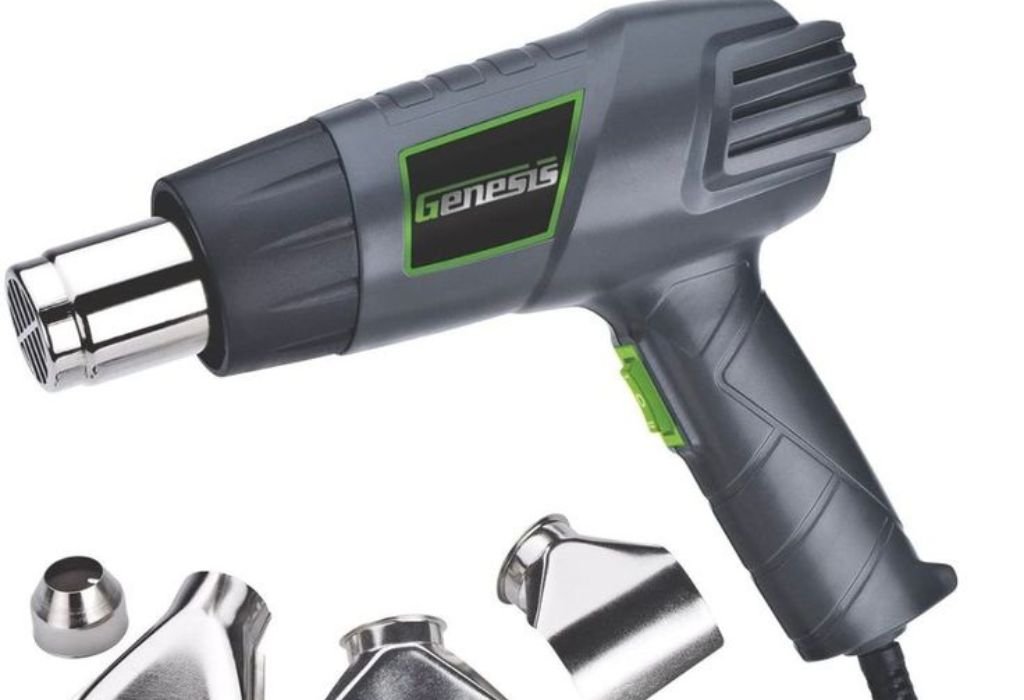
A heat gun is a handheld power tool that blows extremely hot air for tasks like paint removal, plastic shaping, soldering, and thawing frozen pipes.
The air temperature can exceed 1000 degrees Fahrenheit within seconds of operation. At that level, even brief contact can cause serious burns.
Many users underestimate the power of a heat gun because it does not have visible flames. This false sense of safety leads people to ignore protective measures and workspace preparation. Accidents usually follow when heat is applied without control or awareness.
Safety matters because the heat gun does not discriminate between work material and human skin. It heats everything in its path almost instantly. Without proper caution, injuries can happen before the brain registers danger.
Unlike torches, heat guns distribute heat over a wide area, which increases the risk of surrounding materials catching fire. Curtains, dust, solvents, and even wood surfaces can ignite without direct contact. This makes fire prevention equally important.
Electrical hazards also play a major role in heat gun safety. Faulty cords, unstable outlets, and damp environments can turn a simple DIY job into a life threatening shock scenario. Many injuries occur due to neglected electrical precautions.
Long term exposure to heat gun fumes and plastic vapors can damage the respiratory system. Heated paint may release toxic fumes that become dangerous when inhaled repeatedly. Safety protects both immediate and long term health.
Using a heat gun responsibly ensures not only personal safety but also tool longevity. Overheating, blocking airflow, and improper operation can damage internal components. Safe handling benefits both the user and the equipment.
Common Hazards Associated With Heat Gun Usage
Burn injuries are the most frequent hazard related to heat gun use. Skin contact with hot air, nozzle surfaces, or heated materials can result in painful blisters and deep tissue damage. Even short exposure can leave permanent scars.
Fire outbreaks are another major risk during heat gun operation. Flammable liquids, dust, wood shavings, and fabrics can easily ignite. Many fires start when users leave the heat gun unattended even for a few seconds.
Electrical shocks occur when heat guns are used with damaged cords or unstable power sources. Moisture increases conductivity and multiplies the danger. A wet workspace combined with faulty wiring becomes extremely hazardous.
Eye injuries happen when softened materials suddenly pop, melt, or splatter during heating. Molten plastic droplets or paint chips can strike the eyes without warning. Vision damage can be permanent if protective eyewear is not used.
Inhalation hazards are often overlooked during heat gun tasks. Heated adhesives, coatings, and plastics release fumes that may contain harmful chemicals. Prolonged exposure can lead to dizziness, headaches, and respiratory irritation.
Burning lead based paint is especially dangerous and still present in older buildings. Heat turns these coatings into toxic vapors that enter the bloodstream through the lungs. This creates a serious long term health threat.
Muscle strain and fatigue can also occur from improper posture or prolonged tool handling. A tired operator is more likely to lose control of the tool. Loss of control commonly leads to contact burns or fire accidents.
Personal Protective Equipment for Heat Gun Safety
Protective gloves are the first essential safety barrier when working with a heat gun. Heat resistant gloves prevent skin burns when handling heated objects or adjusting hot attachments. Regular fabric gloves do not provide sufficient protection.
Safety goggles protect the eyes from flying debris, melting materials, and hot air reflections. Even a minor splash of molten plastic can blind an unprotected eye. Proper eye protection should always be worn regardless of job size.
A long sleeve shirt and fire resistant clothing add a protective layer against radiant heat. Loose synthetic fabrics are dangerous because they can melt onto the skin. Cotton and flame retardant materials offer better protection.
Respiratory protection becomes necessary when heating painted, plastic, or chemical coated surfaces. A proper mask reduces inhalation of harmful fumes and toxic vapors. Ordinary dust masks may not be enough for chemical exposure.
Closed toe shoes protect the feet from falling hot objects and molten debris. Sandals or open footwear leave the skin completely exposed to sudden burns. Sturdy footwear also improves balance during prolonged tasks.
Hearing protection is helpful when heat guns are used repeatedly in closed environments. Prolonged exposure to motor noise can cause long term hearing strain. While not always critical, protection adds an extra layer of safety.
Using proper protective equipment turns dangerous tasks into controlled operations. Safety gear is not an inconvenience but a necessity for responsible tool usage. A few precautions can prevent years of injury regret.
Safe Work Area Setup Before Using a Heat Gun
A clean and organized workspace is the first layer of heat gun safety. Loose papers, sawdust, solvents, and fabric should be removed before starting any heating task. These items can catch fire within seconds when exposed to hot airflow.
Proper ventilation is mandatory when using a heat gun indoors. Open windows, exhaust fans, and cross airflow prevent the buildup of toxic fumes. Poor airflow traps heated chemical vapors, increasing health risks quickly.
The work surface should always be heat resistant. Metal tables, ceramic tiles, and thick concrete slabs are ideal choices. Wooden tables or plastic surfaces can ignite or warp under sustained heat.
All flammable liquids must be stored far away from the active work zone. Paint thinners, adhesives, cleaning sprays, and fuel containers should never be near the heat gun. Even closed containers can explode under excessive heat.
The heat gun should always be placed on its stand or a stable non-combustible base when not in use. Placing it face down on a table can trap heat and start a fire. The nozzle must always point away from nearby objects.
Children and pets should never be allowed near an active heat gun workspace. A single accidental touch can cause severe injury. Maintaining a restricted safety zone is essential in home environments.
Correct Handling and Operation Techniques
A firm and controlled grip is essential when operating a heat gun. The tool should always be directed away from the body and never pointed toward the hands or face. Sudden hand movement can easily redirect heat toward skin.
The nozzle should always be kept at a safe distance from the target surface. Holding the heat gun too close concentrates extreme heat on one spot. This increases burn risk and material ignition.
Heat should always be applied in smooth sweeping motions instead of holding the nozzle still. This prevents overheating and creates uniform warming across the surface. Stationary heating invites fire hazards and surface damage.
Always start with the lowest temperature setting and increase gradually. Jumping directly to maximum heat removes control and increases accident risk. Controlled heat adjustment improves both safety and work quality.
Never use a heat gun near water sources or in wet conditions. Moisture increases shock risk and can damage internal components. All handling should be done with completely dry hands.
Never leave a powered heat gun unattended even for a short time. Fires often start within seconds of careless placement. If the tool is active, it must always be under direct supervision.
Electrical Safety Precautions for Heat Guns
The power cord must always be inspected before starting any heat gun task. Cracks, exposed wires, and loose plugs are serious warning signs. A damaged cord should never be ignored.
Only grounded outlets with proper load capacity should be used. Heat guns draw high current, and weak wiring can overheat quickly. Overloaded circuits increase both fire and shock risks.
Extension cords must match the tool’s power rating. Undersized cords heat up internally and can melt or short circuit. Heavy duty cords are mandatory for safe extended use.
Heat guns should never be used in rain, damp garages, or wet basements. Water intrusion increases internal corrosion and electrical hazards. Dry conditions are always required for safe operation.
The plug should always be removed by gripping the head, not pulling the wire. Yanking the cord weakens internal connections over time. Many short circuits result from improper unplugging.
Once the heat gun is unplugged, it should be allowed to cool completely before storage. Coiling a hot cord damages insulation and creates hidden hazards. Cooling time protects both the tool and the user.
Fire Prevention While Using a Heat Gun
Fire prevention begins with removing all flammable materials from the heating zone. Curtains, rags, cardboard, and wood dust ignite easily. One unnoticed spark can spread flames quickly.
A fire extinguisher should always be nearby before starting any heat gun project. Waiting to search for one after a fire starts is often too late. Preparedness saves property and lives.
Never aim a heat gun directly at electrical outlets, switches, or junction boxes. Internal wiring can overheat and spark without warning. Electrical fires often spread silently behind walls.
Avoid working near gas lines, fuel containers, or pressurized tanks. Heat exposure can cause expansion and explosion risks. These environments require extreme caution or complete avoidance.
Never use a heat gun to ignite objects purposely. The tool is designed for gradual heating, not for starting fires. Misuse leads to unpredictable flame behavior.
Once heating work is complete, the area should be monitored for several minutes. Smoldering materials may ignite after the tool is turned off. Many fires start after the operator leaves the room.
Safe Cooling and Heat Gun Storage Practices
After use, the heat gun should be placed upright on a non-combustible surface. The nozzle remains hot long after power shutdown. Improper placement can cause delayed burns or fires.
Allow the heat gun to cool fully before storing it in cabinets or toolboxes. Storing a hot tool traps heat and damages surrounding items. Cooling prevents both fire hazards and tool damage.
The cord should be loosely wrapped after the tool is completely cool. Tight wrapping while warm cracks insulation over time. Loose storage maintains long term electrical safety.
Heat guns should always be stored in dry, dust-free locations. Moist environments lead to rusted components and internal electrical damage. Clean storage extends tool life and safety.
Attachments and nozzles should be stored separately after cooling. Hot nozzles can damage storage containers. Organized storage prevents accidental burns during future handling.
Children should never have access to stored heat guns. Locked cabinets are recommended in homes. Tool safety continues even after the work is done.
Special Safety Tips for Indoor and Outdoor Use
Indoor heat gun use requires strong ventilation at all times. Enclosed air traps fumes and oxygen displacement increases suffocation risk. Open airflow protects both lungs and visibility.
Smoke detectors should be active and fully functional before indoor heating projects begin. Heat and fumes may trigger alarms, signaling potential danger. Early alerts prevent disaster.
Outdoor use requires protection from wind. Strong airflow alters heat direction and reduces control. Wind can redirect heat toward the operator unexpectedly.
Never use a heat gun in rainy or overly humid outdoor conditions. Moisture increases electrical shock risk instantly. Weather conditions must always be evaluated before starting.
Outdoor flammables such as dry leaves and grass should be cleared from the work zone. These materials ignite rapidly under concentrated heat. Prevention always begins with surface inspection.
Emergency Response for Heat Gun Accidents
If a skin burn occurs, the affected area should immediately be cooled under running water. This reduces tissue damage and stops the burn from spreading deeper. Ice should never be applied directly to burns.
For fire outbreaks, the power source should be cut off if safely possible. The fire extinguisher should be used immediately at the base of the flame. Never attempt to move burning objects.
Electrical shock victims should never be touched while current is active. Power must be disconnected before providing assistance. Immediate medical help should always be requested.
If toxic fumes are inhaled, the person should be moved to fresh air instantly. Breathing difficulty requires emergency medical attention without delay. Fume exposure can become fatal rapidly.
Emergency preparation is not fear based. It is responsible planning. Knowing what to do before an accident happens saves crucial reaction time.
Heat Gun Safety for Beginners and First Time Users
Beginners should always read the manufacturer’s instruction manual fully before first use. Each heat gun model has unique temperature ranges and airflow patterns. Ignoring instructions leads directly to misuse.
Practice should begin on scrap materials before handling real projects. This builds heat control awareness and nozzle distance judgment. Confidence should be earned, not assumed.
Beginners should never work alone during their first few heat gun sessions. A second person adds observation and emergency support. Assistance increases confidence and safety.
Avoid multitasking while operating a heat gun. Divided attention increases mistake probability. Focus ensures full control over heat direction and tool stability.
Long Term Health Risks and How to Prevent Them
Repeated exposure to toxic fumes damages lung tissue over time. Chronic inhalation leads to breathing disorders and nerve irritation. Proper masks drastically reduce these risks.
Frequent heat exposure without gloves weakens skin resistance. Minor burns add cumulative damage to nerve endings. Protective gear prevents long term nerve sensitivity.
Eye exposure to repeated debris weakens vision clarity. Safety goggles prevent permanent eye damage. Prevention avoids lifelong visual impairment.
Safety Checklist Before Every Heat Gun Operation
- Workspace cleared of flammables
- Ventilation confirmed
- Protective gloves worn
- Eye protection secured
- Power cord inspected
- Fire extinguisher ready
- Dry hands and surface confirmed
- Stable resting position prepared
This checklist reduces accident probability to near zero. Habitual safety creates predictable working conditions. No professional skips safety checks.
Legal and Workplace Safety Standards for Heat Guns
Legal and workplace safety standards exist to protect workers from preventable injuries caused by high-heat tools like heat guns. In professional environments, employers are required to provide proper safety training before allowing any worker to operate heating equipment.
Safety instruction includes electrical handling, fire prevention, personal protective equipment usage, and emergency response readiness.
Many countries enforce workplace safety laws through inspection agencies that monitor compliance with tool handling rules.
Failure to follow safety standards can result in serious legal consequences for both workers and employers. Accidents caused by negligence often lead to fines, lawsuits, medical compensation claims, and work shutdowns.
In high-risk industries, ignoring heat gun safety policies can permanently damage a company’s reputation.
Following regulated safety procedures protects not only physical health but also job security. Legal safety compliance ensures that productivity grows without sacrificing lives, health, or long-term workforce stability.
Final Safety Review and Best Practices Summary
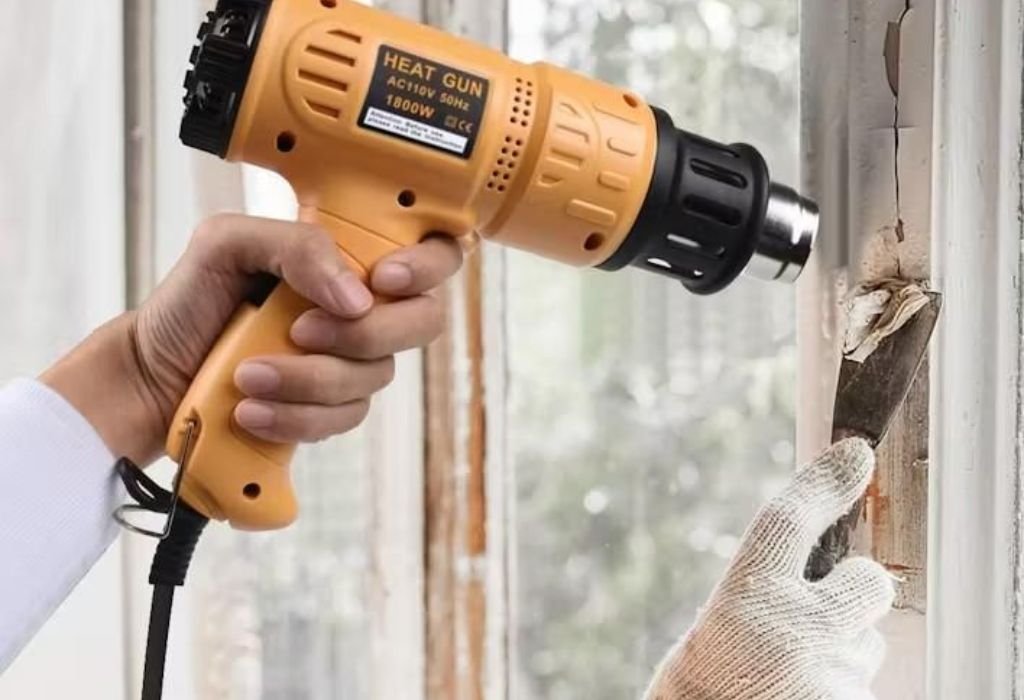
Heat gun safety is built through consistent habits rather than one-time precautions. From workspace preparation and protective equipment to electrical inspection and fire control, every step must follow a reliable routine.
A single moment of carelessness can turn a productive task into a serious emergency. Safe heat gun use depends on steady hand control, proper distance, ventilation awareness, and complete attention at all times.
Cooling and storage are equally important because accidents often occur after the tool is switched off. Heat remains stored inside the nozzle and surrounding air for several minutes, creating delayed burn and fire risks.
Emergency preparedness completes the safety system by ensuring that the user reacts correctly during accidents. When safety becomes routine, confidence replaces fear and control replaces chaos.
The heat gun remains a powerful helper only when every precaution is respected throughout the entire work process.
Common Heat Gun Safety Questions Answered
Is a heat gun more dangerous than a hair dryer?
Yes, a heat gun is far more dangerous because it produces extremely high temperatures that can burn skin and ignite materials within seconds.
Can a heat gun start a fire easily?
Yes, if used near flammable materials or left unattended, a heat gun can start a fire very quickly.
Do I need gloves when using a heat gun?
Yes, heat-resistant gloves are essential to protect your hands from burns when handling hot surfaces or materials.
Is it safe to use a heat gun indoors?
It is safe only if strong ventilation is present to prevent toxic fume buildup and oxygen displacement.
Can a heat gun cause electrical shock?
Yes, using damaged cords, wet hands, or improper outlets can cause serious electrical shock.
How long does a heat gun stay hot after turning it off?
A heat gun nozzle can remain dangerously hot for several minutes after shutdown.
Is eye protection necessary when using a heat gun?
Yes, safety goggles are necessary to protect eyes from molten materials and flying debris.
Can children be around when a heat gun is in use?
No, children should always be kept far away from any active heat gun workspace.
Does heating old paint with a heat gun release toxic fumes?
Yes, especially in older buildings where lead-based paint may still be present.
What should I do immediately after a heat gun burn?
You should cool the burn under running water immediately and seek medical help if the burn is severe.
Conclusion
Heat gun safety precautions are not optional habits but essential practices that define responsible tool use. A heat gun produces extreme heat in seconds, and that energy must always be respected.
When the workspace is properly prepared, protective equipment is worn, and electrical checks are completed, the risk of serious injury drops dramatically. Consistency is what transforms safety rules into real protection.
Every step discussed, from controlled handling and fire prevention to proper cooling and storage, works together as one system. Ignoring even a single precaution weakens the entire safety chain.
Most heat gun accidents happen not because the tool fails, but because attention slips for a moment. Awareness is the strongest safeguard.
Whether the task involves paint removal, plastic shaping, thawing pipes, or electronic repairs, safety determines the outcome.
A disciplined user finishes projects confidently without burns, fires, or electrical shocks. The heat gun should always remain a controlled source of warmth, never a source of danger.
When safety becomes routine, productivity increases and risk fades into the background. This habit protects tools, materials, timelines, budgets, reputations, and lives.

I’m John F. Nicholas, the founder, lead writer, and drill enthusiast behind 101drill.com. With years of hands-on experience in power tools and DIY projects, I created this platform to share practical knowledge, expert tips, and real-world insights to help others master the art of drilling.