
Most people believe any drill bit will work in a hand drill until the chuck slips or the bit refuses to turn smoothly.
A woodworker turning the crank expects progress but instead feels resistance as the bit binds against the material. In that moment it becomes clear that bit size compatibility matters just as much as technique.
Hand drills were designed for smaller controlled cutting rather than forcing large holes through dense materials.
Craftsmen who understand this choose bit sizes that match the drill’s torque and the user’s strength. This balance between size and capability turns slow steady movement into clean precise holes.
Learning how hand drill bit size compatibility works prevents broken bits stripped chucks and damaged workpieces.
Instead of guessing users can select the correct size based on material thickness and project demands. With the right match even a simple manual tool delivers smooth predictable and satisfying results.
What Bit Size Compatibility Means for Hand Drills
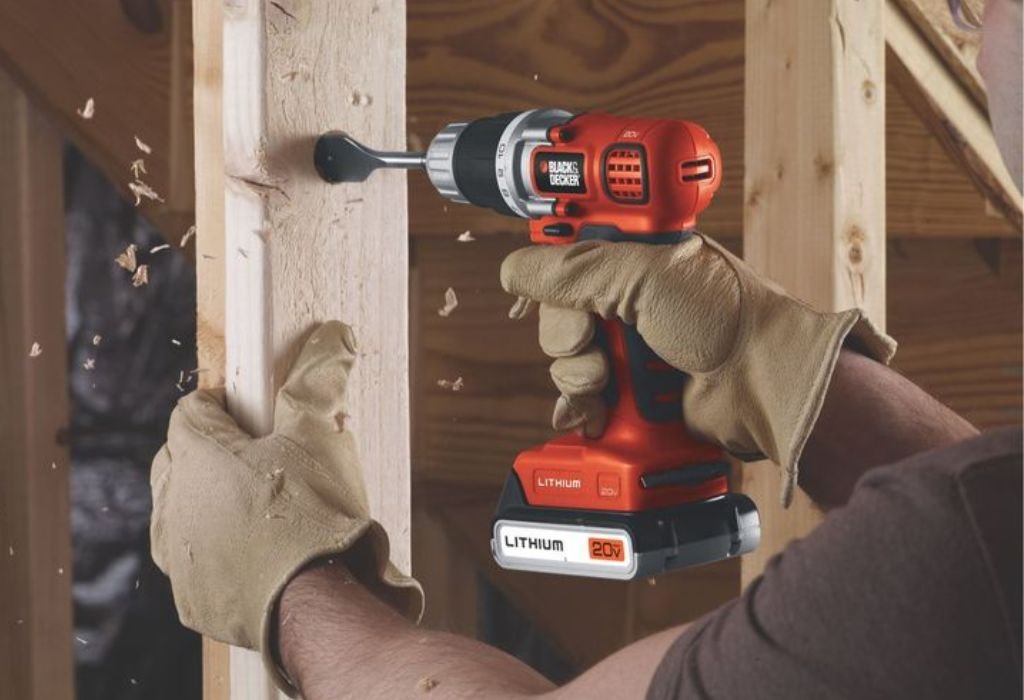
Bit size compatibility refers to choosing drill bits that match the mechanical limits of a hand drill. Manual drills provide limited torque which affects how large a bit they can rotate smoothly. Selecting the right size prevents stalling binding and excessive physical effort.
Compatibility also relates to how securely the chuck can grip the bit. Smaller bits fit easily but extremely thin bits require careful tightening to avoid slipping. Oversized bits may not seat properly and can strain the drill during rotation.
Hand drills perform best when bit size matches both material hardness and drill capability. Using an oversized bit in hardwood increases resistance and reduces control. A properly matched bit ensures smooth cutting and predictable progress.
Understanding compatibility helps users avoid forcing the tool beyond its limits. The goal is to allow controlled rotation instead of relying on strength alone. Proper bit selection supports accuracy and protects the drill from damage.
Bit size compatibility becomes easier when users learn the drill’s practical limits. Experience develops a natural sense of which sizes operate comfortably. This knowledge improves results and extends tool lifespan.
Standard Bit Sizes That Work Safely in Hand Drills
Most hand drills comfortably support bit sizes ranging from 1 mm to 6 mm. These small to medium sizes require minimal torque and rotate smoothly during manual operation. They provide clean holes without excessive physical effort.
Bits between 6 mm and 8 mm may be used depending on material softness. Softwood allows slightly larger bits while hardwood increases resistance quickly. Users must apply steady pressure and avoid forcing the drill.
Very small bits below 1 mm require careful handling. They may flex or snap if too much pressure is applied. Gentle rotation and light contact prevent breakage during delicate tasks.
Larger bits above 8 mm are generally not recommended. Manual torque is rarely sufficient to maintain smooth cutting action. Attempting large sizes increases the risk of binding and injury.
Choosing within standard size ranges ensures better control. Staying within these limits prevents frustration and mechanical strain. Proper sizing leads to consistent and predictable drilling results.
What bit sizes work best in a hand drill?
Bits between 1 mm and 6 mm rotate smoothly and require minimal manual torque.
Can a hand drill use 8 mm bits?
Yes in softwood but only with patience and light pressure to avoid binding.
Are very small bits safe to use manually?
Yes but they require gentle handling to prevent flexing and breakage.
Can large bits be used in a hand drill?
Not safely because manual torque is insufficient for smooth cutting at larger diameters.
Why are smaller bits recommended?
They reduce resistance and make manual drilling easier and more controlled.
How Chuck Size Affects Bit Size Compatibility
The chuck size determines the maximum shank diameter the hand drill can hold securely. Most manual drills feature a standard capacity of 6 mm or 1 quarter inch. Bits exceeding this size cannot be inserted even if the drill has enough torque.
A properly matched chuck ensures firm gripping during rotation. If the bit slips the hole may become uneven or the bit may stall. Tightening evenly prevents wobbling and improves accuracy.
Worn chuck jaws reduce compatibility by failing to hold smaller bits firmly. Slipping becomes more common especially with smooth shank bits. Inspection and maintenance restore secure clamping force.
Some hand drills include keyed chucks for stronger grip. These allow slightly larger bits to be used safely within mechanical limits. Keyless chucks are convenient but offer less tightening strength.
Understanding chuck limitations helps users choose appropriate bits. Selecting based on chuck capacity prevents damage and improves safety. Matching the bit shank to the chuck is the first step in compatibility.
Best Bit Sizes for Wood Metal Plastic and Soft Materials
Softwoods accept a wider range of bit sizes when using a hand drill. Bits from 1 mm up to 8 mm can be used with patience and proper technique. Slow rotation prevents splintering and maintains clean cutting.
Thin sheet metal is better suited for smaller bits. Sizes between 1 mm and 4 mm reduce resistance and improve control. Lubrication and backing support help avoid deformation during drilling.
Plastics respond well to small and medium bit sizes. Excessive heat may cause melting so slow rotation is essential. Bit sizes from 2 mm to 6 mm produce clean holes with reduced risk of cracking.
Soft materials like leather rubber and foam require specialty bits. Extremely small sizes may tear instead of cutting cleanly. Using the lowest practical speed improves control and accuracy.
Choosing bit size based on material prevents damage and improves hole quality. Matching size to resistance ensures smoother drilling and better results. Material compatibility is a key factor in successful manual drilling.
What bit sizes work best for wood with a hand drill?
Bits from 1 mm to 8 mm work well in softwood when used with slow steady rotation.
What about drilling metal by hand?
Thin sheet metal should be drilled with smaller bits between 1 mm and 4 mm for control.
Can plastics be drilled manually?
Yes bit sizes from 2 mm to 6 mm prevent melting and reduce risk of cracking.
Do soft materials need special bits?
Yes specialty bits prevent tearing and improve precision depending on the material.
Why does material type affect bit size choice?
Different materials create different resistance levels which change how bit sizes perform.
Why Smaller Bits Work Better in Manual Drilling
Smaller bits require less torque which matches the mechanical limits of hand drills. Manual rotation remains smooth and controlled without excessive effort. This allows consistent drilling even for beginners.
Small diameter bits produce cleaner holes in delicate materials. Slow cutting action prevents splintering and cracking near edges. This makes them ideal for fine woodworking and hobby work.
Using smaller bits reduces the chance of binding during drilling. Large bits bite aggressively and may stall suddenly. Smooth gradual cutting improves safety and prevents bit damage.
Smaller bits also generate less heat because less material is removed per rotation. Reduced friction protects both the bit and the material surface. Heat control is especially important when drilling plastic and thin metal.
Manual drilling benefits from precision rather than speed. Smaller bit sizes allow better control and smoother progress. Understanding this helps users choose appropriately for safe and effective results.
Limitations of Large Bit Sizes in Hand Drills
Large drill bits require higher torque than a manual hand drill can generate. As diameter increases resistance rises sharply and rotation slows down. This often leads to stalling or the bit becoming stuck in the material.
Bigger bits bite more aggressively which increases the chance of binding during operation. When the bit stops suddenly the gears may skip or the handle may jerk. This creates both safety risks and tool strain for the user.
Using large bits in hardwood or metal is especially difficult. Material density increases friction and prevents smooth progress. Even with steady pressure cutting becomes inconsistent and tiring.
Oversized bits generate more heat because more material is removed per rotation. Without cooling the bit dulls faster and cutting edges wear prematurely. Heat also increases the risk of burning wood or deforming plastic.
Large holes require more downward pressure than is safe with a hand drill. Excess force reduces control and increases the chance of slipping. This may result in uneven holes or surface damage.
Manual hand drills were never designed for heavy duty boring tasks. Their purpose is precision rather than speed or force. Respecting mechanical limitations prevents tool failure and user injury.
Why are large bits difficult to use in a hand drill?
Large bits need more torque than manual rotation can provide which causes stalling and binding.
Can I use an 8 mm bit manually?
Only in softwood and with patience because resistance increases quickly as diameter grows.
Do large bits generate more heat?
Yes removing more material per rotation increases friction and dulls the bit faster.
Is it safe to apply extra pressure for big holes?
No too much force reduces control and increases the risk of slipping or damaging the material.
Should large holes be drilled with a power drill instead?
Yes powered torque ensures smooth cutting and reduces strain on both the user and the tool.
Choosing the Right Bit Size for Different Projects
Small pilot holes are ideal for woodworking joinery and screw placement. Using a bit between 1 mm and 3 mm creates accurate openings without splitting wood. This helps hardware seat properly and prevents cracking near edges.
Medium sized holes between 4 mm and 6 mm work well for dowels and general DIY tasks. These sizes offer balance between cutting speed and manual control. Hand drills can handle them safely when used with steady rotation.
Crafting and modeling projects often require very small bits. Precision drilling in thin materials benefits from minimal torque and light pressure. These applications highlight the strength of manual drilling.
Drilling thin sheet metal demands smaller bit sizes. Using bits between 1 mm and 4 mm prevents distortion and reduces resistance. Lubrication improves performance and keeps cutting smooth.
Plastic projects require controlled bit sizing to avoid melting. Selecting bits from 2 mm to 6 mm and reducing speed prevents heat buildup. Clean results depend on matching size to material response.
Project planning should always start with bit selection. Choosing the smallest effective size improves accuracy and reduces strain. Proper sizing leads to cleaner holes and safer drilling outcomes.
Signs You Are Using the Wrong Bit Size
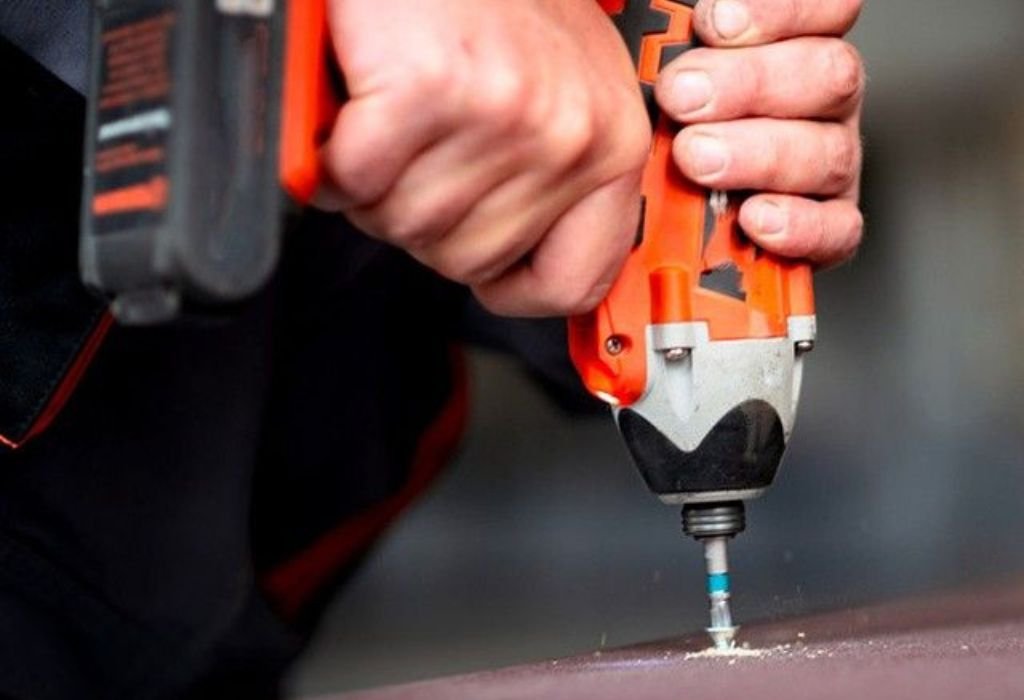
If the bit stops rotating even with steady cranking it may be too large. Increased resistance indicates the drill cannot generate enough torque. Continuing may damage gears or stall the drilling process.
When the bit wanders across the surface it may be too small or poorly centered. Very thin bits flex easily and fail to stay aligned. Using a center punch improves accuracy and prevents slipping.
Slipping inside the chuck signals incompatibility with bit shank size. Smooth shanks that are too small may rotate without cutting. Tightening or choosing a better fitting bit solves the issue.
Excessive heat buildup suggests the bit is removing too much material at once. Larger bits generate friction that manual speed cannot control. Lubrication may help but size adjustment is usually necessary.
Rough hole edges indicate poor cutting performance. The bit may be dull oversized or unsuitable for the material. Matching bit type and size restores clean results.
Why does the bit stop turning while drilling?
The bit may be too large for manual torque which causes stalling and increased resistance.
What does slipping in the chuck mean?
It means the shank is too small or the chuck is not gripping securely which prevents proper rotation.
Why do very small bits bend or wander?
Thin bits flex easily and require careful alignment and light pressure to stay centered.
What causes overheating during manual drilling?
Oversized bits remove too much material and create friction that manual speed cannot manage.
Why are hole edges rough or torn?
Incorrect bit size or dull cutting edges lead to uneven cutting and poor hole quality.
Safety Tips for Hand Drill Bit Size Selection
Choosing the smallest effective bit size increases control and reduces effort. Smaller diameters minimize binding and lower the risk of sudden stops. This keeps drilling smooth and predictable during manual use.
Clamping the workpiece prevents shifting under pressure. Movement increases the chance of slipping or bit breakage. Stability ensures safer operation especially with harder materials.
Always start with a pilot hole before enlarging the size. Step drilling reduces resistance and improves accuracy. This method protects both the material and the bit.
Inspect bits for cracks or dull edges before use. Damaged bits require more force and may break unexpectedly. Replacing worn bits maintains safe and efficient drilling.
Wearing eye protection is important even at low speed. Metal and wood shavings can eject unpredictably. Safety glasses prevent injuries from flying debris.
Proper safety practices reduce risk during manual drilling. Thoughtful bit selection helps avoid unnecessary strain. Safe technique builds confidence and improves long term results.
Maintenance and Care for Bits Used in Hand Drills
Cleaning drill bits after use removes debris that affects performance. Wiping the flutes prevents buildup and improves cutting efficiency. Residue left behind can cause rust or uneven rotation.
Applying light oil protects metal bits from corrosion. A thin coating preserves sharpness and prevents moisture damage. Excess oil should be removed before storage to avoid dust attraction.
Storing bits in a case keeps edges separated. Contact between bits can dull cutting surfaces over time. Organized storage also makes size selection easier for future projects.
Sharpening dull bits restores cutting power and reduces physical effort. Manual drilling depends heavily on bit sharpness for clean holes. Regular sharpening extends lifespan and prevents breakage.
Inspecting shanks ensures proper chuck grip. Bent or worn shanks may slip during drilling and reduce control. Replacing damaged bits prevents unsafe operation.
Proper maintenance keeps both the hand drill and bits functioning smoothly. Care routines improve accuracy and protect investment. Well maintained bits make manual drilling easier and more enjoyable.
Conclusion
Hand drill bit size compatibility determines how smoothly and safely a manual drill can operate. Smaller bit sizes match the limited torque of hand driven tools and allow precise controlled drilling. Selecting the right size prevents stalling binding and excessive effort during use.
Understanding material requirements helps users choose appropriate bit sizes for wood metal and plastic.
Large bits exceed manual capability and should be avoided to protect both the tool and the operator. Recognizing warning signs ensures better decision making and prevents damage.
With proper selection safety awareness and maintenance a hand drill performs reliably across many projects.
Bit size compatibility turns a simple tool into an accurate and effective option for detailed work. Matching the bit to the drill ensures long lasting results and smoother drilling experiences.

I’m John F. Nicholas, the founder, lead writer, and drill enthusiast behind 101drill.com. With years of hands-on experience in power tools and DIY projects, I created this platform to share practical knowledge, expert tips, and real-world insights to help others master the art of drilling.