
If you’re starting with woodworking, learning about what makes a circular saw dangerous can feel a little tricky. There’s a lot to consider, from the spinning blade to kickback risks. Don’t worry, though; it’s not as hard as it sounds. This guide is all about breaking down the dangers in simple terms, so you can learn how to avoid them. We’ll explore each risk step by step and give you easy-to-follow safety tips. Let’s get started!
Key Takeaways
- Circular saws can be dangerous due to their fast-spinning blades.
- Kickback is a major risk, but you can prevent it with the right techniques.
- Knowing how to use safety guards is key to protecting yourself.
- Choosing the right blade type for the job matters for safety and cuts.
- Always unplug the saw when changing blades or making adjustments.
- Regular maintenance and inspection keep your saw in good working order.
Understanding Circular Saw Hazards
Circular saws are essential tools for woodworking, but they come with potential hazards that need careful consideration. The high-speed rotation of the blade, combined with the power of the motor, creates significant risks. A lack of awareness about these dangers can lead to accidents. This section will explore the core hazards, focusing on the blade’s action, kickback, and common errors.
The Spinning Blade and Its Potential Risks
The core danger of a circular saw is its rapidly spinning blade. This blade can reach speeds of several thousand rotations per minute (RPMs), making it capable of slicing through wood with ease. However, this same power can cause serious injuries. If the blade comes into contact with skin or clothing, the results can be devastating. Beyond direct contact, the spinning blade can also generate flying debris, posing a risk of eye injuries or cuts. It’s important to respect the power of the blade.
-
- Blade Contact: The primary hazard is direct contact with the spinning blade.
Direct contact with a circular saw blade can cause deep lacerations and severe injuries. The speed of the blade means it cuts through flesh instantly, leading to significant bleeding and potential nerve damage. Accidents can happen from simple slips, losing concentration, or misjudging a cut. Safety protocols like maintaining a safe distance from the blade and wearing appropriate personal protective equipment (PPE) are vital to minimize this risk. Always be alert and attentive when using the saw.
-
- Flying Debris: The spinning blade can also launch wood fragments.
As the blade cuts through wood, it generates small pieces that can be ejected at high speeds. These fragments can strike the eyes, face, or other parts of the body, leading to injuries. Wearing safety glasses or a face shield is the primary defense against flying debris. It is a simple but effective measure, and it should be part of every woodworker’s routine. Keeping the work area clean and free from obstructions will help contain debris and limit the chance of accidents.
-
- Unforeseen Obstacles: Hidden objects can also create problems.
Sometimes, wood contains nails, screws, or knots that can pose serious risks. Hitting such an obstacle can cause the blade to shatter or kickback. Before cutting, it is important to inspect the wood for foreign objects. Using a metal detector can help, particularly when working with reclaimed wood. Being prepared for unexpected encounters within the wood is crucial for safety and a better experience.
The Danger of Kickback
Kickback is one of the most frightening hazards associated with circular saws. It occurs when the blade binds in the wood, causing the saw to be forcefully thrown back toward the user. This sudden movement can cause serious injuries. Understanding the causes of kickback and how to prevent it is crucial for safe operation. Factors include binding, improper technique, and a lack of awareness of the wood’s condition.
-
- Blade Binding: When the blade gets pinched in the cut.
Blade binding happens when the wood closes in on the blade as it cuts. This can be caused by the wood warping, by cutting a piece that is too wide, or by a lack of support. As the blade binds, it stops turning smoothly, and the saw may be forced backward. This action is sudden and powerful, leading to loss of control and injury. To prevent binding, use a riving knife (if your saw has one) and ensure the wood is properly supported during the cut. Also, avoid forcing the saw through the material.
-
- Improper Technique: This can significantly increase kickback risk.
The way you hold and guide the saw influences your safety. Applying too much pressure, cutting too quickly, or failing to maintain a straight line can increase the likelihood of kickback. Always keep both hands firmly on the saw, and guide it smoothly through the wood. Avoid side pressure on the blade. Watch for any signs of binding. Practice proper stance and cutting techniques to build confidence and to keep safe.
-
- Wood Condition: Wood problems can lead to kickback.
The state of the wood has a direct impact on cutting safety. Cutting twisted, warped, or wet wood is particularly dangerous. These conditions can cause the wood to pinch the blade, leading to kickback. Before you start, carefully examine the wood. Avoid using wood with knots near the cut line, as these can make the blade bind. If you must cut such wood, proceed with extreme caution and use slower cutting speeds.
Common Errors and How to Avoid Them
Even experienced woodworkers can make mistakes. These errors often involve poor technique or a lack of attention to detail, which can lead to accidents. Being aware of the most common errors allows you to avoid them. This section will cover several of these common mistakes, including pushing too hard, not using a guard, and cutting without the correct blade.
-
- Pushing Too Hard: Forcing the saw through the wood.
Forcing a circular saw through the wood is a common mistake that can lead to problems. This can cause the blade to bind or kickback. It also results in a rough, inaccurate cut. You should let the blade do the work. If it’s difficult to cut, slow down or consider a different blade or saw. Patience and a light touch are key to a safer and better cut. Inspect the material being cut and determine if it can be cut by the saw.
-
- Failure to Use Guards: Removing or not using guards properly.
Safety guards are designed to protect you from the blade. Many accidents happen because the guard is removed or is not properly positioned. Always ensure that the guard is in place and functioning correctly before you start to cut. Make sure the guard retracts smoothly. It is important to remember that guards are your primary defense against accidental contact with the spinning blade. Never bypass this vital safety feature.
-
- Incorrect Blade Selection: Using the wrong blade for the job.
Different types of wood and cuts require different blades. For example, a blade designed for ripping might not work well for crosscutting and could be hazardous. Make sure you are using the right blade for the task. Blades also degrade over time. Check the blade’s condition regularly and replace dull or damaged blades. A sharp blade is safer, as it requires less force and is less likely to bind.
Safety Features and How to Use Them
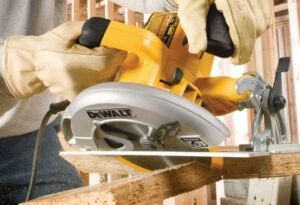
Circular saws include features that make them safer to use. Understanding these features and how they function helps you use the saw safely. This section describes some of the most important safety features, including blade guards, riving knives, and electronic braking systems. It also gives instructions on how to check these components to ensure they work properly.
Blade Guards: The First Line of Defense
The blade guard is one of the most important safety features on a circular saw. This guard is designed to cover the blade and prevent it from making contact with the user. The guard will swing away from the blade when it contacts the wood. It returns to its protective position when the cut is complete. Using a functioning blade guard is essential for your safety. Make sure the guard moves smoothly and is not damaged.
-
- Functionality: Making sure the guard works correctly.
The guard must be able to retract smoothly as the blade enters the wood. Check this before each use. If the guard is sticky, it may not function properly and could create a hazard. Clean the guard and ensure its mechanism is free of debris. If the guard does not retract or return smoothly, the saw is unsafe to use. Address this problem immediately or the guard will not perform its duty and you will be at a greater risk of danger.
-
- Adjustments: Properly adjusting the guard for various cuts.
The depth of the blade should be adjusted for the thickness of the wood you are cutting. Only the blade teeth necessary to cut through the wood should be exposed below the baseplate. You can lower the blade to the appropriate height, but the safety guard will cover the unused portion of the blade. Properly adjusting the blade guard and depth helps you achieve the best cuts. Always make sure the saw is unplugged before making adjustments.
-
- Maintenance: Regular inspection of the guard.
The blade guard should be examined regularly for any damage. Check for cracks, dents, or other signs of wear and tear. If the guard is damaged, it may not provide adequate protection and should be replaced. Keep the guard clean and free of sawdust and other debris. Cleanliness helps it move freely and ensures it can perform its job. Regular maintenance is key to the long life and safety of your saw.
Riving Knives and Anti-Kickback Paws
These features are designed to prevent kickback. The riving knife is a metal blade that sits directly behind the saw blade. It helps keep the kerf open. This prevents the wood from closing on the blade and causing it to pinch. Anti-kickback paws are small, spring-loaded teeth located near the back of the blade. They dig into the wood to prevent it from moving backward if kickback occurs. These two features can greatly decrease the risk of kickback.
-
- The Role of Riving Knives: Keeping the kerf open.
The riving knife is critical. It prevents the wood from pinching the blade, which can lead to kickback. The riving knife must be aligned with the blade. If it is not, it cannot work as intended. Always check that the riving knife is properly aligned and in good condition before you start to cut. Make sure the riving knife is a bit thicker than the saw blade to make sure the cut does not close on the blade.
-
- Anti-Kickback Paws: Preventing the wood from moving backward.
These paws are a backup measure to catch the wood in the event of kickback. They’re designed to dig into the wood and stop the saw from being thrown backward toward the user. Check these to ensure they can move freely and are not damaged. If the paws are damaged or frozen, they may not work when needed. Make sure your hands are clear of the anti-kickback paws and the saw blade.
-
- How They Work Together: A combined defense system.
The riving knife and anti-kickback paws work together. The riving knife keeps the kerf open, minimizing the risk of kickback, while the anti-kickback paws provide an extra layer of protection. These features significantly reduce the chance of the saw kicking back, giving you more control and a safer cutting experience. Regularly check to ensure both features are functioning correctly to get the most benefits from their combined action.
Electronic Braking Systems
Some circular saws have an electronic braking system that can stop the blade quickly. This feature can reduce the risk of injury. It works by rapidly stopping the blade when the saw is turned off. It reduces the time the blade spins, lowering the chance of accidental contact. These systems are an important addition to the safety features of circular saws. The blade stops almost instantly instead of spinning for several seconds after the trigger is released.
-
- How the System Works: Rapid blade stopping.
When the trigger is released, the electronic braking system sends a jolt of power to the motor, quickly stopping the blade. This can prevent serious injury. The braking system engages almost instantly, reducing the time the spinning blade could be dangerous. The rapid stop is an important safety feature, preventing potential accidents from a spinning blade. Always check this functionality during operation.
-
- Benefits of Electronic Braking: Improved safety.
The electronic braking system significantly reduces the risk of injury by reducing the time the blade spins after the saw is switched off. It provides an added layer of safety. The rapid braking action makes it safer to handle the saw, especially if you have to set it down quickly. Look for saws with electronic braking systems. They provide a high level of safety.
-
- Inspection and Maintenance: Making sure it’s functioning properly.
Although electronic braking systems do not require much maintenance, it is always a good idea to check them. Listen to the saw to hear if the blade stops quickly after you release the trigger. If you suspect an issue, check the saw’s manual. Follow all maintenance instructions provided by the manufacturer. Keep the saw clean and free from debris. This can improve the operation of the braking system.
Choosing the Right Blade and Using It Safely
Selecting the right blade for your circular saw is important for both the quality of your cuts and your safety. Different blades are designed for specific materials and cutting tasks. Knowing the different types of blades and how to use them safely can help you improve your woodworking skills. The right blade will help your cuts be more precise. It will also reduce the risk of accidents caused by the wrong tool for the job.
Blade Types and Their Uses
Different types of blades are designed for various materials. Each one has unique features that make it suitable for a specific task. For example, some blades work best for cutting wood while others are designed for metal or masonry. Using the wrong blade can lead to poor cuts, increased risk of kickback, and damage to the blade itself. Choosing the right blade can make your work easier and safer.
-
- Ripping Blades: For cutting along the wood grain.
Ripping blades are designed for cutting wood parallel to the grain. These blades usually have fewer teeth, which makes them efficient at removing material quickly. The design of these teeth helps prevent the blade from binding when cutting along the grain. Using a ripping blade for ripping cuts yields a cleaner cut, as it reduces splintering. Using the right tool for the job makes the work easier and gives better results.
-
- Crosscutting Blades: For cutting across the wood grain.
Crosscutting blades have more teeth, and they are designed for cutting wood perpendicular to the grain. This design helps to make clean cuts across the grain. These blades can make a smoother cut with less splintering compared to ripping blades. For general woodworking projects, crosscutting blades are essential to have in your toolbox. The sharper teeth of crosscutting blades give more control and cleaner lines.
-
- Combination Blades: Versatile blades for both types of cuts.
Combination blades are a great option if you perform a range of cutting tasks. They are designed to handle both ripping and crosscutting. These blades usually have a tooth configuration that provides a balance between ripping efficiency and cutting smoothness. This versatility makes them a practical choice for general-purpose use. This eliminates the need to change blades constantly. These blades may be a bit of a compromise, but they are useful for woodworkers who want a general-purpose blade.
Blade Installation and Removal
Installing and removing blades is a necessary task. It requires care to avoid injury or damage to the saw. Always unplug the saw before changing blades. Follow the manufacturer’s instructions to ensure the blade is correctly installed. Secure the blade in the saw, and make sure everything is in place before you start cutting. Improper installation can cause serious injury and damage your saw.
-
- Safety First: Unplugging the saw and wearing gloves.
The first and most important step is to unplug the saw from the power source. This ensures the saw cannot accidentally start while you are working on it. Wearing work gloves can protect your hands. Use the correct tools for the job. Handle the blade with care to avoid cuts. Prepare your work area by ensuring you have enough space, lighting, and a clear workspace. A safe work environment is key.
-
- Using the Correct Tools: Wrenches and alignment.
Use the correct wrench to loosen and tighten the blade nut. Make sure the blade is correctly aligned with the arbor and the blade guard. Do not use excessive force when tightening the nut, as this can damage the saw. Consult your saw’s manual for specific instructions on how to install the blade correctly. Improper alignment of the blade could result in a dangerous situation. Be careful and patient when performing this task.
-
- Checking for Proper Installation: Test and inspect.
After installing the blade, check to make sure it is secure and runs smoothly. Spin the blade by hand to make sure it is not rubbing against any part of the saw. Make sure the blade guard moves freely. Plug the saw in, and give it a quick test run with no wood to make sure the blade operates correctly. Verify that the blade is rotating smoothly and is properly aligned before cutting any material.
Blade Maintenance and Storage
Keeping your blades in good condition is important for your safety and the quality of your cuts. Dull, damaged, or improperly stored blades can be dangerous. Regular maintenance involves cleaning the blades, inspecting them for damage, and sharpening them. Proper storage will keep your blades in good condition, and ready for use. Maintaining your blades not only improves safety but also saves money.
-
- Cleaning Blades: Removing pitch and resin buildup.
Over time, saw blades can build up with pitch and resin from the wood. This buildup reduces cutting efficiency and can make the blade more dangerous to use. To clean your blades, use a commercial blade cleaner or make a cleaning solution from dish soap and water. Soak the blade in the solution, and then scrub away any residue. Make sure to dry the blade before you store it to prevent rust.
-
- Inspecting for Damage: Checking for cracks or dullness.
Examine your blades regularly. Look for any damage such as cracks, bent teeth, or a dull edge. Any of these problems can make the blade unsafe to use. If you see any damage, replace the blade immediately. Dull blades need to be sharpened to restore their cutting performance. A sharp blade ensures clean, precise cuts. It also helps to prevent accidents related to a dull blade.
-
- Storing Blades Safely: Preventing damage and corrosion.
Store your blades in a safe, dry place to protect them from damage and corrosion. A designated blade storage box or rack can protect blades from bumps and impacts. If you store blades for a long time, protect them with a light coating of oil to prevent rust. Proper storage ensures your blades are ready to use when needed. It keeps them in good condition for the best results.
Safe Cutting Techniques
Using safe cutting techniques can help minimize the risk of accidents while you are working with a circular saw. This section explains the importance of proper stance, material support, and the process of making different cuts. You can become more confident. You can also become safer by learning the correct techniques.
Proper Stance and Body Position
Your stance and body position influence the safety and precision of your cuts. A proper stance gives you better balance and control over the saw. It also lowers your risk of injury. Maintaining the right posture is an essential part of safe operation. This stance lets you control the saw and makes it easy to handle.
-
- Foot Placement: Achieving a stable base.
Stand with your feet shoulder-width apart, and position yourself to the side of the cut line. This stance gives you a good base of support and allows you to move freely while keeping a safe distance from the blade. Never stand directly in line with the blade. Maintain a balanced stance throughout the cut. This will help you maintain control and prevent kickback.
-
- Body Alignment: Staying out of the cut path.
Make sure your body is aligned so that you are never directly in the path of the blade. This is essential for safety and will also improve your visibility of the cutting line. Keep your weight balanced. This gives you a good center of gravity and helps you to move safely. Watch your movements. A bad stance will make it harder to make cuts.
-
- Hand Placement: Ensuring a secure grip.
Use both hands to grip the saw securely. Keep your dominant hand on the rear handle, and use your other hand to steady the front of the saw. Make sure you have a firm grip. This prevents the saw from slipping or jerking during operation. Maintain a comfortable grip. It allows you to guide the saw and make the cut. Never remove your hands from the saw until the blade has stopped spinning.
Material Support and Work Area Preparation
Good material support is important. It prevents the wood from moving during the cut. It also helps the saw cut more accurately. A clean and uncluttered work area ensures that you can move safely and that your cuts go smoothly. Proper setup will lead to safer results.
-
- Using a Workbench: Stability for longer cuts.
When cutting longer pieces of wood, use a workbench or a sturdy surface. This will support the wood and prevent it from sagging or moving during the cut. Make sure the wood is flush with the edge of the workbench to make a straight cut. A well-supported piece of wood increases safety and cut quality. Make sure you clear your workbench.
-
- Clamping Techniques: Securing the wood.
Clamping the wood to your workbench or work surface is essential for safety. Clamps prevent the wood from shifting during the cut, reducing the risk of kickback. Use clamps that are appropriate for the wood’s thickness and size. Position the clamps so they do not interfere with the saw. Secure the wood. Then, make sure the clamps are in place before you begin cutting.
-
- Work Area Cleanliness: A safe and clear space.
Keep your work area clean and free of clutter. This allows you to move freely and to maintain focus on your cutting. Remove any obstacles. Clear away scraps of wood or any other objects that could cause you to trip or interfere with your work. The clear workspace increases your safety. You will make safer and more accurate cuts in the clean workspace.
Making Different Types of Cuts
Understanding how to make various cuts safely is crucial. Different types of cuts require slightly different techniques. This section gives you tips for ripping, crosscutting, and bevel cuts. Safe cutting techniques help you master your woodworking skills. Practice these techniques to get better results.
-
- Ripping Cuts: Cutting along the grain.
When making ripping cuts, use a ripping blade, and keep the saw aligned with the grain of the wood. Start by aligning the blade. Make sure the blade is on the marked cut line, and then steadily guide the saw through the wood. Avoid forcing the saw. Let the blade do the work. Remember the use of a riving knife to prevent binding and kickback. Maintain a consistent speed and pressure.
-
- Crosscuts: Cutting across the grain.
Use a crosscutting blade when making crosscuts. Align the blade with your marked cut line. Use a straight edge or a guide to ensure a straight cut. Start the cut, and then gently push the saw through the wood at a consistent speed. Support the wood on both sides of the cut line to prevent splintering. Keep your hands away from the blade.
-
- Bevel Cuts: Cutting at an angle.
Bevel cuts require you to adjust the saw’s base to the desired angle. Set the angle of the blade with the saw’s adjustment mechanism. Make the cut with a slow and steady motion. Take extra care to support the wood and maintain a steady stance. Pay attention to how the blade interacts with the wood at an angle. Practice these techniques. You will become better and safer at making various cuts.
Here’s a quick real-life example of a potential circular saw scenario:
- Scenario: You’re cutting a sheet of plywood. The wood warps slightly as you start the cut.
- Challenge: The blade binds in the wood due to the warp.
- Solution: Immediately stop the saw, back it out of the cut, and clamp the wood more securely to prevent further warping before continuing.
Here are two more sample situations:
- Scenario: You need to make a long rip cut on a board, but you don’t have enough clamps or a workbench.
- Challenge: The board may shift during the cut.
- Solution: Use a long, straight edge as a guide.
- Scenario: The safety guard on your circular saw is sticking.
- Challenge: The guard isn’t working properly to protect the blade.
- Solution: Clean and lubricate the guard.
| Factor | Description |
|---|---|
| Kickback Risk | High risk if the wood pinches the blade |
| Blade Type | Incorrect blades increase danger |
| Safety Guards | Lack of or improperly positioned guards |
| User Technique | Poor stance, lack of experience. |
According to the U.S. Consumer Product Safety Commission, around 30,000 injuries occur each year due to power saw accidents. A study by the American Academy of Orthopaedic Surgeons showed that the most common injuries from power saws are lacerations. It’s safe to say there are risks associated with using a circular saw, but those risks can be reduced by good safety habits.
Frequently Asked Questions
Question: What is kickback and how can it hurt me?
Answer: Kickback is when the blade binds in the wood and throws the saw back at you. It can cause serious cuts and injuries.
Question: How do I choose the right blade for my project?
Answer: Use a blade designed for the material you are cutting. Ripping blades are for cutting with the grain, while crosscutting blades are for cutting across it.
Question: Why is it important to unplug the saw before changing blades?
Answer: Unplugging the saw ensures that it cannot accidentally start, which can lead to severe injuries.
Question: How can I protect my eyes when using a circular saw?
Answer: Always wear safety glasses or a face shield. These will protect your eyes from flying debris.
Question: How do I know if my saw blade is dull and needs to be replaced?
Answer: If the blade doesn’t cut smoothly, or if it produces a lot of splintering, it may be time to replace the blade.
Final Thoughts
Knowing what makes a circular saw dangerous starts with recognizing the hazards: the spinning blade, the risk of kickback, and the potential for flying debris. Remember that a simple slip or error can lead to a serious injury. But you can protect yourself. Use the safety features of the saw, like the blade guard and riving knife. Always choose the right blade for the job and keep it sharp. Follow safe cutting techniques, and always keep your work area clean and well-lit. By learning and practicing these guidelines, you can significantly reduce your risk of accidents. Be careful, take your time, and enjoy your projects. You will build not only beautiful projects, but also a good track record of safety.

I’m John F. Nicholas, the founder, lead writer, and drill enthusiast behind 101drill.com. With years of hands-on experience in power tools and DIY projects, I created this platform to share practical knowledge, expert tips, and real-world insights to help others master the art of drilling.