
Drilling holes in thick metal is one of the toughest challenges in metalworking because the material resists cutting and builds heat extremely fast.
Many people attempt it with regular drill bits and high speed, only to end up with burned metal, dull bits or crooked holes. Thick metal requires a completely different drilling technique to achieve clean and accurate results.
Beginners often believe that applying extra pressure or increasing speed will help the drill bit push through thick metal more easily.
In reality, high speed only causes the bit to overheat, lose its cutting edge and stall against the dense surface. Thick metal responds best to slow rpm and steady controlled drilling that prevents friction overload.
Thick metal is commonly used in structural fabrication, machinery parts, automotive brackets, steel beams and industrial components. Clean holes are required to maintain proper bolt alignment, structural strength and long term durability of the finished product. Even one poorly drilled hole can weaken the connection and compromise safety.
Before drilling, it is important to understand that thick metal absorbs heat differently than thin sheets.
The heat generated at the drill point does not dissipate quickly and remains concentrated near the cutting edge. Without lubrication and cooling pauses, both the metal and the bit will overheat quickly.
Surface preparation plays a significant role in drilling thick metal effectively. A clear marking and a deep center punch help prevent the drill bit from wandering on the hard surface. This preparation stabilizes the drill and ensures that the hole starts cleanly.
This guide will walk you through the complete process of drilling holes in thick metal safely and efficiently. You will learn which drill bits to use, how to control speed, how to prevent overheating and how to finish the hole cleanly.
By following each step carefully, you will achieve precise and professional results through even the toughest metals.
Why Thick Metal Requires a Different Drilling Technique
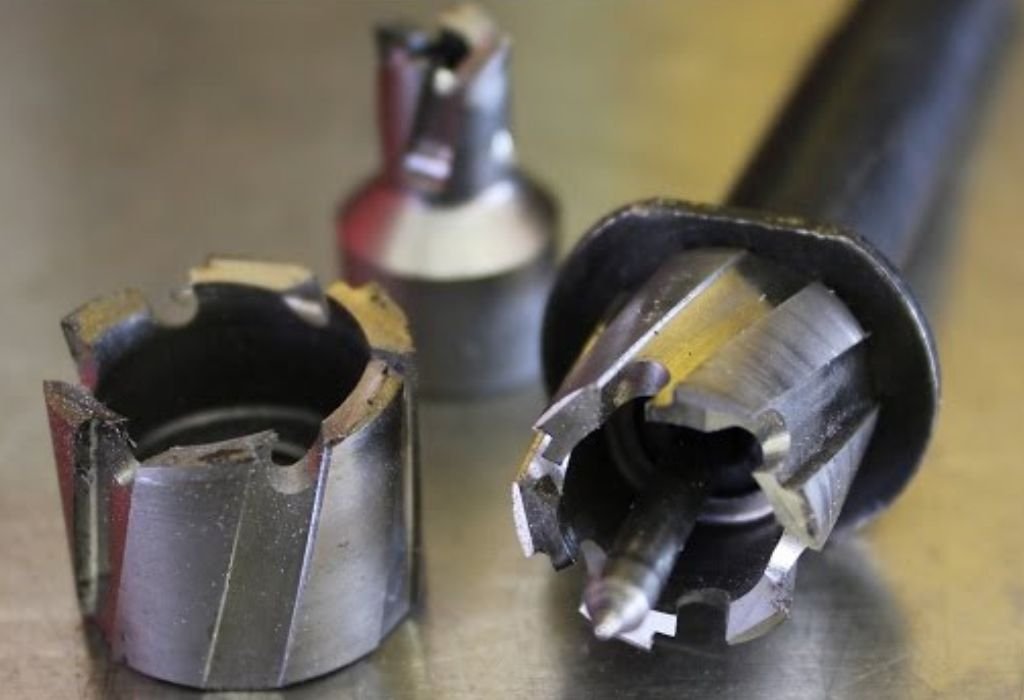
Thick metal creates far more resistance than thin metal, which means the drill bit must cut deeper into the material for a longer period of time.
More contact time means more friction and heat buildup. This is why thick metal cannot be drilled at high speed without risking damage to the bit or the surface.
The density of thick metal requires stronger drill bits because regular high speed steel bits dull quickly. Dull bits create more friction, which increases the heat and worsens the cutting performance.
Cobalt bits provide the durability needed for thick metals because they resist heat and maintain a sharp cutting edge.
Burr formation is another issue with thick metal. As the drill bit cuts deeper, the metal around the hole tends to tear or develop rough edges. Thick metal produces larger burrs than thin metal, so proper finishing becomes essential for clean and safe results.
Discoloration is common when drilling thick metal too quickly. Heat buildup causes the metal to change color, indicating that the surface temperature has risen too high. Controlling the temperature during drilling prevents discoloration and protects the integrity of the metal.
Higher pressure is required to cut through thick metal compared to thin metal. However, applying too much pressure can break the bit or cause the hole to go off center. Balanced pressure is necessary for accurate drilling.
Thick metal also requires a deeper center punch mark. Without a deep enough punch, the drill bit will slip across the hard surface during the initial cut. A strong punch helps guide the bit directly into the metal.
Finally, thick metal requires longer drilling time. The drill bit must remove more material, which increases the importance of cooling pauses and lubrication. Slow drilling creates clean and accurate results without damaging tools.
Tools Needed for Drilling Holes in Thick Metal
Cobalt drill bits are essential for drilling thick metal because they resist heat and maintain sharpness under heavy pressure. These bits are the preferred choice for tough materials like steel and stainless steel. Their durability makes them ideal for deep drilling.
Step drill bits work well for enlarging holes in thick metal. They increase the hole size gradually and reduce strain on the drill motor. However, they are best used after creating a starter hole with a standard bit.
Hole saws are useful when drilling large diameter holes in thick metal. They remove material around the outer edge rather than cutting the entire hole with a traditional bit. Sharp teeth and slow speed ensure smooth cutting.
A drill press provides maximum stability and accuracy when drilling thick metal. It keeps the bit straight and applies consistent downward pressure. This reduces the risk of wobbling and creates cleaner holes.
Cutting oil is essential for controlling heat during drilling. Thick metal retains heat for longer periods, so proper lubrication prevents overheating. Cutting oil reduces friction and helps maintain smooth cutting.
Clamps or a vise are needed to secure the metal. Thick metal pieces can shift under pressure, leading to misaligned holes. Clamping stabilizes the workpiece and prevents accidents.
Support blocks may be needed depending on the shape of the metal. They help maintain stability and reduce vibration during drilling. Proper support leads to more accurate holes.
Choosing the Right Drill Bit for Thick Metal
Cobalt bits are the strongest option for drilling thick metal. Their heat resistant properties allow them to perform under high pressure and temperature. They stay sharp longer and provide smoother cuts through dense material.
Carbide bits are even harder than cobalt bits and are ideal for extremely tough metals. They are more expensive but offer unmatched performance for industrial applications. Carbide bits can drill through thick stainless steel with ease.
Bit geometry plays an important role in drilling performance. Split point bits cut more efficiently and reduce wandering on tough surfaces. This design improves drilling accuracy and reduces strain on the bit.
Selecting the right bit size is essential for drilling through thick metal. Starting with a small pilot bit reduces resistance and makes the final drilling smoother. Working up through larger sizes ensures cleaner results.
Heat resistance is one of the most important factors when choosing a drill bit. Thick metal heats quickly, so bits must withstand prolonged exposure. Bits with heat resistant coatings perform better under pressure.
Durability is also important because drilling thick metal quickly wears out bits. High quality bits save time and money by reducing replacement frequency. Durable bits offer consistent cutting performance.
Matching the bit to the metal type ensures clean drilling. Hard metals require stronger bits, while softer metals can be drilled with standard cobalt bits. Choosing correctly prevents damage to both the bit and the workpiece.
Preparing Thick Metal Before Drilling
Clean the metal surface thoroughly before drilling. Dirt, oil and rust increase friction and make accurate drilling more difficult. A clean surface helps maintain proper contact between the bit and the metal.
Mark the drill point carefully using a fine marker or scribe. Thick metal needs precise marking because the drill bit must stay aligned throughout the drilling process. Accurate marking ensures the hole is placed correctly.
Use a deep center punch to create a solid indentation. Thick metal requires a stronger punch because of its hard surface. A deep punch stabilizes the bit during the initial cut and prevents wandering.
Clamp the metal securely with a vise or heavy duty clamps. Thick metal requires strong stability because the drill bit applies significant downward pressure. Proper clamping reduces vibration and improves hole accuracy.
Lubrication setup is necessary before drilling. Cutting oil should be ready to apply frequently throughout the process. Lubrication prevents heat buildup and helps protect the drill bit.
Plan for a pilot hole before drilling the final size. A small pilot hole reduces cutting force and allows the larger bit to follow a clear path. This step is essential for thick metal drilling.
Preparing the surface helps prevent mistakes during drilling. Skipping preparation increases the risk of bit slippage, overheating and poor hole alignment. Good preparation creates clean and accurate results.
Step by Step: How to Drill Holes in Thick Metal
Begin by drilling a small pilot hole. This pilot hole reduces resistance for the larger bit. It also ensures the main bit stays centered throughout the cut.
Use slow rpm to avoid overheating. Thick metal holds heat longer than thin metal, so slow speed prevents burning. High speed will ruin both the bit and the surface.
Apply cutting oil frequently during drilling. Lubrication reduces friction and keeps the bit cool. Adding oil when the drilling sound changes helps maintain control.
Take cooling breaks during drilling. Allowing the bit to cool prevents overheating and preserves its sharpness. Thick metal requires longer drilling time, so cooling intervals are essential.
Increase bit sizes gradually. Moving from a small pilot bit to larger bits ensures smoother cutting. Jumping directly to a large bit causes strain and rough edges.
Adjust pressure based on the metal thickness. Too much pressure can break the bit, while too little pressure slows progress. Steady pressure creates clean cuts.
Clear chips often to prevent clogging. Thick metal produces heavy shavings that can clog the bit. Removing these chips improves cutting speed and accuracy.
Using a Drill Press for Thick Metal Drilling
A drill press offers maximum control when drilling thick metal. Its stable platform keeps the bit aligned perfectly. This reduces the chance of wobbling or wandering.
Speed control is easier with a drill press. You can set the rpm to the correct low range for thick metals. Maintaining slow consistent speed improves cutting performance.
Bit alignment is easier with a drill press. The bit remains perpendicular to the surface throughout the drilling process. This creates cleaner and more accurate holes.
Downfeed pressure is more consistent on a drill press. Manual drills often apply uneven pressure, while drill presses keep pressure steady. Consistent pressure ensures smooth cutting.
Depth control is useful for drilling precise holes. A drill press allows you to set the exact drilling depth. This prevents drilling too deep or damaging the surface underneath.
Lubrication timing is easier to manage. You can apply cutting oil between drilling passes without losing alignment. Proper lubrication extends bit life and improves finish quality.
Using a drill press for thick metal provides professional level accuracy. It reduces errors caused by hand instability. Drill presses are ideal for heavy duty metalwork.
Drilling Thick Metal With a Hand Drill
Using a hand drill requires good control and patience. Maintaining the proper angle throughout drilling prevents crooked holes. Incorrect angles cause bit binding or wandering.
Hand stability is essential. Holding the drill firmly with both hands helps maintain alignment. Stability prevents slipping that damages the surface.
Slow speed cutting is crucial with a hand drill. High rpm increases heat rapidly and causes cracking or discoloration. Slow rpm creates cooler and cleaner cuts.
Balancing pressure is important. Too much pressure breaks bits, while too little pressure slows drilling. Steady consistent pressure produces smoother openings.
Chip removal must be done frequently. Thick metal produces heavy shavings that get stuck in the flutes. Cleaning the bit ensures consistent cutting speed.
Cooling intervals protect both the bit and the metal. Hand drills lack the cooling efficiency of drill presses. Frequent cooling prevents burning and overheating.
Hand drills can create accurate holes when used correctly. Following controlled drilling techniques produces professional results. This method works well for on site metalwork.
How to Drill Large Holes in Thick Metal
Step drilling is the best method for creating large holes. Start with a pilot hole and gradually increase the bit size. This reduces stress on the bit and motor.
Hole saws are useful for drilling large diameter holes. Their serrated edges remove material efficiently. Slow speed and lubrication prevent overheating.
Controlling vibration is essential. Large bits create more vibration, which affects hole accuracy. Clamping the metal securely reduces this vibration.
Preventing heat is critical when drilling large holes. Larger bits generate more friction than smaller bits. Lubrication and cooling pauses keep the temperature under control.
Burr management becomes more important with larger holes. Thick metal creates larger burrs around the hole edges. Deburring tools refine the edge and remove sharpness.
Edge polishing helps improve the appearance of the final hole. A round file or sanding disc smooths the edges. Polished edges improve safety and structural fit.
Large holes require more time and patience. Following step by step drilling ensures clean results. Cutting corners leads to rough edges and weakened holes.
How to Prevent Overheating in Thick Metal
Lubrication is the most effective way to control heat. Cutting oil reduces friction between the bit and metal. Proper lubrication prevents burning and keeps the bit sharp.
RPM limits should always be followed. Thick metal requires slow speed to maintain cool cutting conditions. Low rpm improves drilling efficiency and reduces heat.
Cooling pauses are important because thick metal holds heat longer. Allowing the bit to cool naturally prevents dulling. Cooling the metal surface helps maintain clean cutting.
Pressure control prevents excess heat. Forcing the bit increases friction and temperature. Light steady pressure improves cutting quality.
Sharp bits are essential for reducing heat. Dull bits drag against the metal and generate friction. Using sharp cobalt bits ensures faster and cooler drilling.
Heat monitoring helps avoid discoloration. If the metal begins to darken, drilling should stop immediately. Removing heat early prevents permanent surface damage.
Thick metal can be drilled safely with proper heat control. Following these techniques reduces wear on tools. Controlled drilling improves durability.
Common Mistakes When Drilling Thick Metal
Using high rpm is the most common mistake. High speed burns the bit and discolors the metal. Slow rpm is required for thick metal drilling.
Skipping a pilot hole leads to off center drilling. A pilot hole provides guidance for larger bits. Skipping this step results in crooked or uneven holes.
Choosing the wrong bit type leads to poor cutting. Only cobalt or carbide bits can withstand thick metal. Using wood or standard bits causes immediate failure.
Insufficient lubrication overheats the metal. Heat damage weakens the structural strength of the material. Cutting oil prevents this problem.
Forcing the drill creates stress that breaks bits. Thick metal requires slow steady pressure instead of aggressive force. Balanced drilling produces cleaner results.
Poor clamping allows the metal to shift during drilling. Shifting causes misalignment and rough edges. Secure clamping ensures stable cutting.
Avoiding these mistakes improves drilling quality. Understanding the challenges of thick metal helps prevent tool damage. Proper technique results in long lasting results.
How to Deburr and Finish Thick Metal Holes
Deburring tools remove sharp edges around the hole. Thick metal produces heavy burrs that must be removed. Clean edges improve both safety and appearance.
Round files refine the hole shape. Filing removes leftover debris and smooths the interior. Round files are useful for medium sized holes.
Sanding discs attached to a drill or rotary tool help smooth rough edges. Low speed sanding ensures clean and even surfaces. This step improves final quality.
Polishing steps restore shine to the affected area. Polishing compounds and pads help remove minor discoloration. Polishing enhances the metal’s appearance.
Rust prevention is important after drilling. Thick metal often needs protective coating to prevent corrosion. Applying oil or paint helps protect the new hole.
Final cleaning removes metal dust and debris. Clean surfaces ensure that fasteners fit properly. Thorough cleaning improves functionality.
Finishing the hole completes the drilling process. Proper finishing ensures that the hole is safe and structurally sound. This final stage adds professionalism to the result.
Best Metals for Thick Metal Drilling
Steel plate is the most common type of thick metal. It drills well with cobalt bits and slow speed. Steel plate responds best to heavy lubrication.
Stainless steel is harder and requires carbide bits. It generates more heat when drilled. Proper cooling is essential for clean drilling.
Cast iron drills differently from steel. It produces powder like chips and does not require much lubrication. Cast iron is brittle, so careful pressure is needed.
Aluminum blocks are easier to drill compared to steel. They require lubrication to prevent clogging. Aluminum creates large burrs that need smoothing.
Mild steel is softer and easier to drill than hardened steel. It responds well to cobalt bits and slow cutting speed. Mild steel creates moderate burrs.
Alloy metals vary in hardness. Some alloys drill easily while others require specialized bits. Understanding the alloy composition improves drilling technique.
Different metals require different techniques. Matching your tools to the metal type ensures success. Knowing the material improves both efficiency and accuracy.
Recommended Tools and Brands for Thick Metal Drilling
Irwin cobalt bits are excellent for drilling thick metal. They provide long lasting sharpness and durability. Irwin bits are widely used by professionals.
DeWalt cobalt bits also perform well under heavy loads. They resist heat and maintain clean cutting edges. DeWalt bits are ideal for frequent drilling.
Milwaukee hole saws are strong and reliable for large holes. Their carbide teeth cut through thick materials with ease. Milwaukee tools are known for industrial durability.
WEN drill presses offer adjustable speed controls. They maintain stability during thick metal drilling. Drill presses from WEN provide excellent precision.
Tap Magic cutting oil is one of the best lubricants. It cools the bit and reduces friction. Using high quality oil improves performance.
Yost vises provide secure clamping for thick metal. Strong clamps reduce vibration during drilling. Stability is essential for accuracy.
These tools help produce professional results. Using high quality equipment increases safety and efficiency. Investing in good tools improves long term performance.
Troubleshooting Drilling Problems in Thick Metal
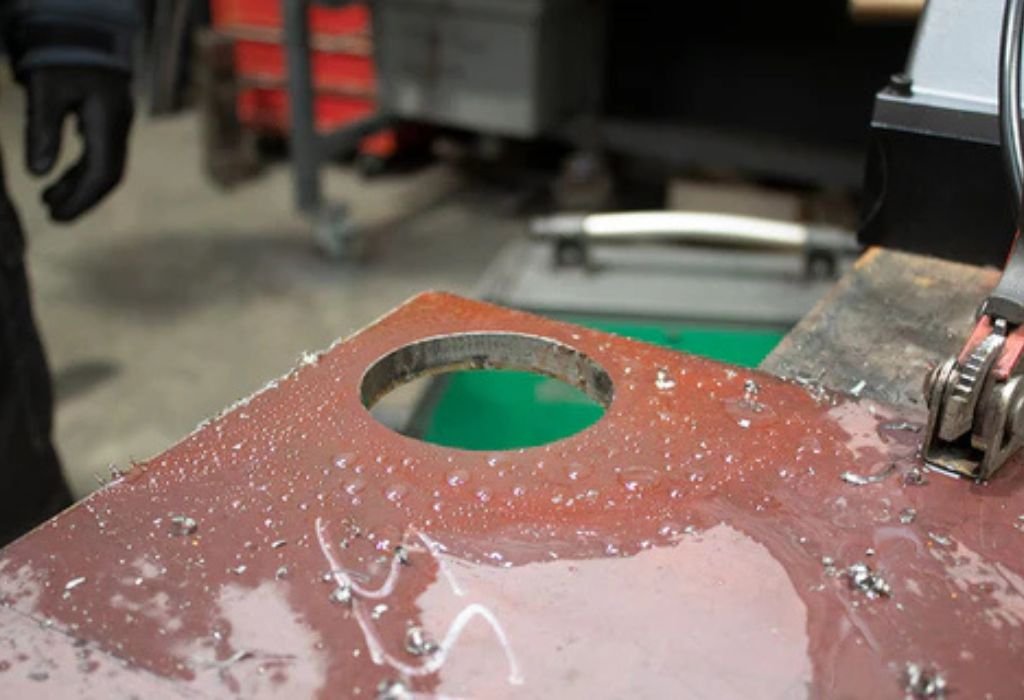
If the bit overheats, reduce rpm and add more lubrication. Overheating dulls the bit and damages the metal. Cooling pauses help restore proper temperature.
If the hole wobbles, check bit alignment. Wobbling comes from misalignment or poor clamping. Secure the metal firmly before drilling.
If the bit dulls too quickly, use cobalt or carbide bits. Thick metal wears down standard bits fast. Stronger bits perform better under pressure.
If the hole is off center, start with a deeper center punch. Proper marking ensures accurate drilling. Off center holes weaken the connection.
If the cutting speed is slow, check lubrication levels. Thick metal requires frequent lubrication to maintain efficiency. Dry cutting slows progress.
If discoloration occurs, reduce speed immediately. Discoloration indicates excessive heat. Lubrication and cooling prevent further damage.
Troubleshooting helps correct drilling problems quickly. Understanding the cause leads to better technique. Solving issues improves overall results.
Thick Metal Drilling FAQ for Clean and Accurate Holes
What drill bit is best for drilling thick metal?
Cobalt drill bits are the best choice because they resist heat and maintain sharpness under high pressure. Carbide bits are ideal for the hardest metals. Using strong bits prevents dulling and ensures smooth cutting.
Why does my drill bit overheat while drilling thick metal?
Thick metal holds heat longer, causing friction to build quickly at the cutting point. High rpm also increases temperature dramatically. Slow speed and cutting oil prevent overheating.
Do I need a pilot hole when drilling thick metal?
Yes, a pilot hole reduces resistance and keeps the larger bit centered. This improves accuracy and prevents the bit from wandering. A pilot hole also helps create a smoother final cut.
Can I drill thick metal with a hand drill?
Yes, but you must use slow rpm, firm clamping and steady pressure. Hand drills require more control to prevent slipping or uneven cuts. A drill press is more accurate for deep holes.
Why are my holes rough around the edges?
Rough edges form when the bit dulls or overheats. Insufficient lubrication also tears the metal instead of cutting it cleanly. Deburring and cooling improve edge quality.
How do I prevent discoloration when drilling thick metal?
Discoloration happens from heat buildup. Use cutting oil, slow speed and cooling intervals to prevent burning. Reducing friction keeps the metal color intact.
Why is drilling thick stainless steel so difficult?
Stainless steel hardens when heated, making it tougher to drill. Carbide or cobalt bits are needed for clean results. Slow drilling and lubrication prevent work hardening.
What speed should I use for drilling thick metal?
Always use low rpm so the bit cuts slowly and stays cool. High speed overheats the bit and damages the metal surface. Slow rpm creates smooth and accurate holes.
How can I remove large burrs after drilling thick metal?
Use a deburring tool, round file or sanding disc to smooth heavy burrs. Thick metal creates strong burrs that require proper finishing. Smoothing improves safety and appearance.
Can I drill large diameter holes in thick metal?
Yes, but you must start with a pilot hole and use step bits or hole saws. Large holes generate more heat, so lubrication and slow cutting are essential. Gradual enlargement ensures clean results.
Conclusion
Drilling holes in thick metal requires strong drill bits, slow cutting speed and consistent lubrication. These techniques protect the bit from heat and reduce the chance of rough edges. Clean drilling improves both the appearance and structural quality of the finished piece.
Understanding how thick metal behaves under drilling pressure helps you avoid common mistakes. Slow rpm, cooling intervals and proper preparation create smooth and accurate holes. These steps ensure long lasting strength and reliability.
By following this guide carefully, you can drill holes in thick metal with confidence and precision. Each section provides the knowledge needed to work through even the toughest metal surfaces. With practice, you will achieve professional results every time.

I’m John F. Nicholas, the founder, lead writer, and drill enthusiast behind 101drill.com. With years of hands-on experience in power tools and DIY projects, I created this platform to share practical knowledge, expert tips, and real-world insights to help others master the art of drilling.