
Drilling a hole in a metal plate may look simple at first, but anyone who has attempted it without preparation knows how challenging it can be. Bits slip across the metal surface, heat builds up quickly and the hole often becomes jagged or oversized.
These issues become even more serious when the hole must align with bolts, rivets or precision components.
Many beginners assume metal drilling requires the same technique used for wood or plastic, but the cutting behavior is completely different.
Metal needs slower speeds, proper lubrication and steady pressure to create a clean opening. Without these methods, the bit wears out quickly and the hole loses accuracy.
Metalworkers in fabrication, construction and automotive repair drill holes in metal plates every day.
These holes support brackets, frames, joints and other structural parts that require precision and reliability. A clean hole ensures a secure connection and reduces long term mechanical stress.
Before drilling, it is important to understand the type of metal plate you are working with. Softer metals like aluminum cut quickly, while harder metals like stainless steel need slow controlled drilling. Knowing this difference helps you choose the right bit and speed.
Surface preparation plays a major role in drilling success. Marking the center point, punching the starting spot and clamping the plate provide the stability needed for smooth drilling. Skipping any of these steps increases the chance of bit wandering and surface damage.
This guide explains each step of drilling holes in metal plates clearly and accurately. You will learn which bits to use, how to prepare the surface, how to control speed and how to finish the hole properly. By the end of this article, you will be able to drill precise holes confidently and safely.
What to Know Before Drilling a Hole in Metal Plate
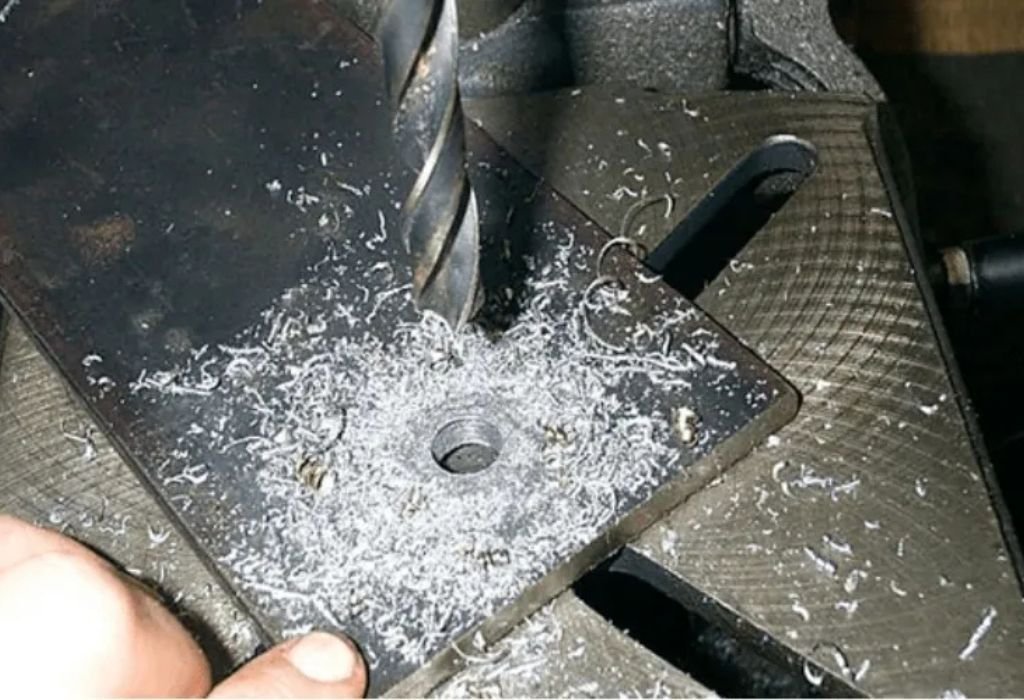
Metal plates come in different hardness levels, and each one reacts differently to drilling. Soft metals remove material quickly but can clog bits, while hard metals resist cutting and generate more heat. Understanding these differences helps you choose the right drilling technique.
Hole placement must be planned before drilling begins. Improper placement can weaken the structure or interfere with assembly. Good layout ensures strong and consistent construction.
The type of drill bit you choose makes a major difference. Bits designed for wood will burn instantly on metal, so metal rated bits are required. Proper selection improves both accuracy and surface finish.
Speed control is one of the most important drilling factors. High speeds generate extreme heat and dull bits quickly. Slow and steady rpm keeps the bit cool and maintains cutting efficiency.
Lubrication is essential when drilling metal. A few drops of cutting oil reduce friction, improve finish and extend tool life. Without lubrication, the bit overheats and damages the metal.
Safety must always come first when drilling metal plates. Metal chips fly fast and can cause serious injuries. Eye protection and gloves help prevent accidents during the process.
Tools Needed to Drill Holes in Metal Plates
Twist drill bits designed for metal are the most common tools for drilling holes. These bits have sharpened edges that slice through metal cleanly. They come in many sizes for different hole diameters.
Cobalt and titanium coated bits are stronger and more heat resistant. These bits maintain their edge longer when drilling stainless steel or hardened metal plates. They are ideal for heavy duty projects.
Step drill bits are the best choice for drilling larger holes. Their design allows gradual expansion of the hole size without tearing the edges. They are especially useful on thin metal plates.
A drill press provides stability and accuracy during drilling. It keeps the bit perfectly vertical and reduces vibration. This leads to cleaner and more precise holes.
Clamps or a vise are essential for securing the metal plate. Movement during drilling causes jagged edges and misalignment. Tight clamping ensures smooth progress throughout the cut.
Cutting oil helps reduce heat and friction. Lubrication is critical for preventing tool wear and improving finish quality. A small amount applied frequently keeps drilling smooth and safe.
Choosing the Right Drill Bit for Metal Plates
High speed steel bits are suitable for softer metals like aluminum and mild steel. They are affordable and widely available. These bits perform well with proper lubrication.
Cobalt bits offer greater durability for stainless steel. They resist heat and retain sharpness longer under heavy drilling. This makes them ideal for repeated industrial use.
Carbide bits are extremely strong and cut through hardened metals effectively. They require lower feed pressure due to their sharp cutting edges. Carbide bits deliver the cleanest finish on tough materials.
Titanium coated bits help reduce friction and extend lifespan. The coating improves heat resistance and cutting smoothness. These bits are a good upgrade from standard high speed steel bits.
Size selection is important for accurate drilling. Using a pilot hole ensures the final bit stays centered. The pilot hole also reduces stress on larger bits during cutting.
Bit geometry also affects drilling performance. Split point bits start cutting immediately and reduce walking on metal surfaces. Using the right geometry increases accuracy and stability.
Preparing the Metal Plate Before Drilling
Begin by cleaning the metal surface thoroughly. Dirt, oil or rust can interfere with marking and drilling. Clean surfaces give more consistent results.
Mark the exact center of the hole using a marker or scribe. Accurate marking ensures the hole goes in the intended position. Precision layout prevents alignment problems later.
Use a center punch to strike a small indentation at the marked point. The indentation helps the drill bit stay centered. Without a punch mark, the bit may slip across the metal surface.
Clamp the metal plate securely using a vise or strong clamps. Proper clamping prevents movement during drilling. Movement causes wandering and jagged edges.
Thick plates require deeper punch marks to guide the bit. Thin plates only need light punching to avoid distortion. Adjust your technique based on plate thickness.
Apply a few drops of cutting oil before drilling. Lubrication reduces heat and allows smooth cutting action. This also helps extend the life of your drill bits.
Step by Step: How to Drill a Hole in a Metal Plate
Start drilling with a small pilot bit. A pilot hole reduces resistance and keeps the larger bit centered. It also helps prevent wandering during drilling.
Align the drill bit directly above the pilot hole. Hold the drill steady and maintain a straight angle. Proper alignment ensures clean and accurate hole geometry.
Set the drill to a low or medium speed depending on the metal type. Slow speed works best for hard metals, while medium speed is sufficient for softer metals. Excessive speed generates heat and causes dulling.
Apply cutting oil throughout the drilling process. Oil keeps the bit cool and reduces friction. Lubrication is especially important during deeper drilling.
Deepen the hole gradually using steady pressure. Do not force the bit into the metal. Let the cutting edges shave material smoothly.
Clean the hole frequently to remove chips. Excess chips cause heat buildup and reduce cutting efficiency. Blowing away debris helps maintain visibility and control.
How to Drill Large Holes in Metal Plates
Large holes require different tips and techniques. Regular drill bits struggle with larger diameters and may cause tearing. Step bits make the process easier and more controlled.
Start with a small pilot hole to guide the step bit. The pilot hole gives the bit a stable starting point. This ensures straight and even expansion.
Use the step drill bit to widen the hole gradually. Each step removes a controlled amount of metal. This prevents sudden grabbing or uneven edges.
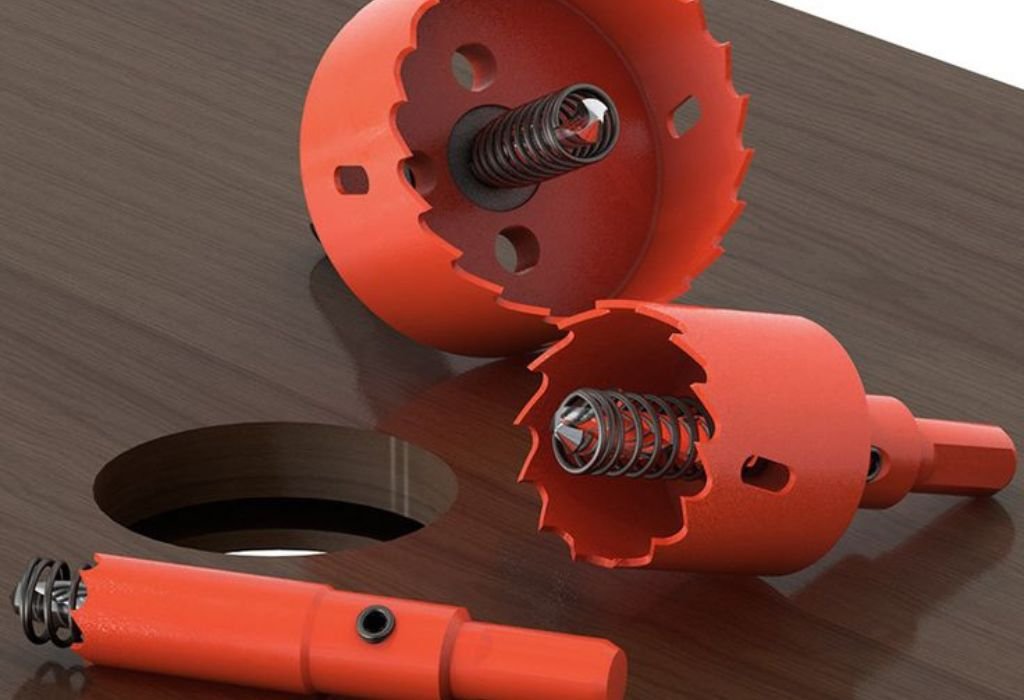
Hole saws can also be used for large openings. They require slower speeds and steady pressure. Cutting oil prevents overheating during hole sawing.
Cooling the surface helps maintain tool sharpness. Stop periodically to let the metal cool naturally. Hot surfaces dull bits faster and increase the risk of burning.
Smooth the final edges using a file or rotary tool. Large holes often have burrs after cutting. Proper smoothing improves both safety and appearance.
Using a Drill Press for Metal Plate Drilling
Drill presses offer precise speed control. Adjust the rpm according to the metal hardness. Lower speeds help maintain clean cutting performance.
Secure the metal plate tightly before drilling. Movement under a drill press can damage the bit. A firm grip improves accuracy.
Position the bit directly above the pilot hole. Aligning the bit perfectly prevents angled or crooked holes. Correct alignment produces consistent results.
Lower the bit slowly into the metal plate. Controlled motion helps avoid chatter and vibration. Chatter reduces surface quality and accuracy.
Use the drill press depth stop for consistency. Depth stops prevent drilling deeper than required. This is helpful for repetitive holes or controlled drilling.
Apply lubrication during drilling to reduce heat. Cutting oil enhances cutting performance and extends tool life. Consistent cooling improves hole smoothness.
Drilling Holes in Metal Plates with a Hand Drill
Hold the drill firmly with both hands for stability. Hand drilling requires steady control to avoid wandering. Good grip improves cutting accuracy.
Maintain a straight drilling angle throughout the cut. Tilting the drill produces slanted holes. Keeping the drill upright ensures even walls.
Use slow speed to begin the cut. Low rpm helps the bit bite into the metal. Higher speed can cause skidding on the surface.
Add lubrication frequently to keep the bit cool. Hand drills create heat quickly due to inconsistent pressure. Oil keeps the cutting edge sharp and effective.
Remove chips often to maintain clear visibility. Metal chips cluster around the bit and slow cutting. Clearing them improves hole quality.
Stop periodically to inspect progress. Hand drilling can drift from the original mark. Frequent checks allow minor corrections early.
How to Avoid Overheating and Bit Damage
Overheating is one of the most common metal drilling issues. Heat damages the bit and creates rough edges. Controlling heat ensures better cutting results.
Lubrication is the most effective way to prevent overheating. Cutting oil absorbs heat and reduces friction. Apply oil regularly during drilling.
Avoid using high rpm settings on metal. High speeds generate extreme temperatures rapidly. Lower rpm gives better control and cleaner holes.
Remove chips frequently to improve heat dissipation. Chips trap heat around the cutting area. Clearing them keeps the bit cooler.
Take breaks during long drilling sessions. Allowing the metal and bit to cool naturally prevents burning. Cooler surfaces result in smoother holes.
Monitor bit sharpness throughout the job. A dull bit generates more friction and more heat. Sharpening or replacing bits prevents overheating damage.
Common Mistakes When Drilling Metal Plates
Using the wrong type of drill bit is a major mistake. Bits designed for wood or plastic cannot cut metal effectively. Proper bits ensure clean and precise holes.
Drilling at high speeds causes burning and dullness. Excess speed reduces cutting performance and damages the bit. Controlled speed improves smoothness and accuracy.
Skipping lubrication leads to overheating. Metal on metal friction generates intense heat. Applying oil prevents tool wear and protects the workpiece.
Not using a center punch results in bit wandering. Wandering creates off center holes and uneven edges. A punch mark guides the bit from the start.
Failing to clamp the metal plate properly causes movement. Movement during drilling creates crooked or oversized holes. Secure workpieces improve drilling precision.
Forcing the drill reduces accuracy. Too much pressure makes the bit grab or dig unevenly. Light steady pressure creates cleaner results.
How to Deburr and Finish a Hole in Metal
Deburring tools remove sharp edges left after drilling. These tools shave off small metal burrs quickly and safely. Removing burrs improves both appearance and functionality.
A rotary tool with a sanding bit helps smooth the interior edge. Sanding removes rough spots and creates a cleaner finish. This is especially useful for larger holes.
Flat files work well on thicker metal plates. Files provide precise control and smooth the outer edges. Filing ensures uniform opening shape.
Needle files help refine small tight areas. They reach into narrow spaces that larger tools cannot access. These files create cleaner and safer edges.
Wipe the area clean after deburring. Loose metal fragments can affect assembly or cause scratches. Cleaning ensures the surface is ready for finishing.
Prepare the hole for painting or welding if needed. Smooth edges allow coatings to adhere better. Proper finishing improves long term durability.
Best Metals for Drilling Holes
Mild steel is one of the easiest metals to drill. It responds well to most drill bits and cutting oils. Smooth results are common with proper technique.
Aluminum is softer but requires careful chip removal. Aluminum chips tend to stick to bits. Frequent cleaning prevents clogging and improves performance.
Stainless steel is harder and needs slow drilling. Proper lubrication is essential for smooth cutting. High quality bits are required for stainless steel.
Brass drills cleanly and produces small chips. It rarely clogs bits and offers smooth finishes. Many hobbyists prefer brass for precision drilling.
Cast iron breaks into powder like chips. This makes chip removal simple. However, cast iron edges may chip if cut too aggressively.
Thin metal plates require special attention. They can bend or distort under pressure. Light feed pressure prevents deformation during drilling.
Recommended Tools and Brands for Metal Drilling
DeWalt and Bosch metal drill bits offer reliable performance. Their high quality steel and coatings cut metal cleanly. Many professionals trust these brands for heavy drilling tasks.
Cobalt bits from Irwin work well for stainless steel. Their heat resistance and durability make them suitable for tough applications. These bits maintain sharp edges longer.
Step drill bits from Neiko provide smooth expansion cutting. Their multi step design prevents tearing on thin metal. They are ideal for large hole drilling.
Drill presses from WEN or Jet offer stability and consistent speed. Stability ensures straight and accurate openings. Adjustable rpm settings improve performance across different metals.
Tap Magic cutting oil reduces friction significantly. It helps maintain cool temperatures while drilling. Using high quality oil improves hole finish.
Strong vises from Yost or Wilton secure metal plates tightly. Proper clamping prevents movement during drilling. Secure workpieces lead to cleaner and more accurate holes.
Troubleshooting Badly Drilled Metal Holes
If the hole is off center, recheck your marking technique. Measured markings and accurate punching prevent misalignment. Correcting the method improves future results.
If the edges are rough, use a deburring tool or rotary sanding bit. Rough edges often come from high rpm or dull bits. Proper smoothing restores clean edges.
If the hole becomes oversized, use a washer or bushing for support. Oversized holes weaken connections and require reinforcement. Proper drilling prevents excess widening.
If the bit burns during drilling, slow down the rpm and add more oil. Burn marks indicate overheating. Cooling the bit prevents further damage.
If the hole becomes oval, adjust your pressure technique. Uneven pressure causes distortion in the cut. Steady pressure produces round and accurate holes.
If the metal plate vibrates, improve clamping stability. Vibration ruins accuracy and creates jagged openings. Secure workpieces help produce clean cuts.
Frequently Asked Questions About Drilling Metal Plates
What drill bit should I use to drill holes in a metal plate?
Use high speed steel, cobalt or titanium coated bits because they are designed for cutting metal. These bits resist heat and provide clean cutting performance. Standard wood bits will not work on metal.
Why does my drill bit skid across the metal surface?
The bit skids because the surface is too smooth and lacks a starting point. Use a center punch to create an indentation that guides the drill. This prevents wandering and improves accuracy.
Do I need cutting oil when drilling a metal plate?
Yes, cutting oil is very important for reducing heat and friction. It keeps the bit sharp and prevents burning. Without oil, the bit dulls quickly and the metal overheats.
What speed should I use to drill metal?
Use slow rpm for hard metals like stainless steel and medium rpm for softer metals like aluminum. High speed causes overheating and rough edges. Slow controlled cutting gives the cleanest result.
Why is my drill bit overheating while drilling metal?
Overheating happens due to high rpm, no lubrication or too much pressure. Reduce speed, add cutting oil and drill gently. This keeps both the bit and the metal cool.
How can I drill a large hole in a metal plate?
Use a pilot hole first, then expand it using a step bit or hole saw. These tools prevent tearing and maintain smooth edges. Always use cutting oil to avoid overheating.
Why is my hole shaped uneven or oval?
Uneven holes usually come from drill movement or improper clamping. Secure the metal plate tightly and maintain a straight angle. Consistent pressure prevents distortion.
How do I stop the drill bit from breaking?
Bits break when too much pressure or high speed is applied. Use slow rpm, steady pressure and proper lubrication. A sharp bit also reduces the chance of breaking.
Do I need to deburr the hole after drilling?
Yes, deburring removes sharp edges left from drilling. Use a deburring tool, file or rotary tool to smooth the edges. This improves safety and appearance.
Can I drill a metal plate using a hand drill?
Yes, you can drill with a hand drill if you keep it steady and follow proper techniques. Low speed, cutting oil and clamping are essential. A drill press is more accurate but not required.
Conclusion
Drilling clean holes in metal plates becomes much easier when you understand the right tools, techniques and preparation steps.
Taking time to mark the center, punch the surface and choose the proper bit ensures smooth and accurate drilling. With slow speed, cutting oil and controlled pressure, you can create strong and reliable holes for any project.
Good drilling technique improves both the appearance and long term durability of metal structures. A smooth hole reduces stress points, supports better fastener seating and helps prevent mechanical failure.
Whether you are working on automotive parts, fabrication tasks or home metal repairs, proper drilling methods always deliver the best results.
By following the steps in this guide, you gain the confidence to drill metal plates safely and professionally. The combination of stable clamping, correct speed control and careful finishing produces clean and precise openings every time.
With practice, you will achieve consistent results that match the quality of professional metalworkers.

I’m John F. Nicholas, the founder, lead writer, and drill enthusiast behind 101drill.com. With years of hands-on experience in power tools and DIY projects, I created this platform to share practical knowledge, expert tips, and real-world insights to help others master the art of drilling.