
Many people face confusion the first time they try to drill into a brick wall or concrete surface and wonder whether their metal drill bit can handle the job.
They often notice the drill bit becoming hot, dull, or ineffective within seconds and worry that they are damaging their tool. This moment of uncertainty makes them question if they are using the wrong bit or if masonry requires a completely different technique.
The confusion becomes even stronger when someone has only a standard metal bit available and wants to hang something quickly.
The temptation to use whatever bit is in the toolbox feels natural, especially when the project seems small. But one try usually reveals that drilling into masonry is far more demanding than drilling into wood or steel.
When people hear the grinding noise or see dust instead of proper drilling, they stop and wonder what went wrong.
Masonry materials like brick, concrete, and stone require special tools that are designed to cut through abrasive surfaces. Using the wrong bit not only slows progress but may also damage the drill.
Understanding the differences between metal and masonry drill bits helps you choose the correct tool for each project. It allows you to work efficiently without burning the bit or struggling to make progress. Learning this prevents frustration and protects your equipment.
Drilling into masonry surfaces requires a specific type of drill bit with a reinforced tip that can withstand impact and abrasion. Metal bits simply are not designed for these demands. Knowing this distinction helps you make better decisions during home improvement tasks.
This guide explains whether you can use a metal drill bit on masonry, what happens when you try, which tools you actually need, and how to drill safely. With this knowledge, your projects become easier, faster, and much more predictable.
What Happens When You Use a Metal Drill Bit on Masonry
masonry, the bit struggles almost immediately. Masonry materials are much harder and rougher than steel or wood. This difference creates intense friction that metal bits cannot handle.
The tip of the metal bit dulls quickly when it grinds against brick or concrete. Instead of cutting, the bit rubs against the surface. This creates heat and causes rapid wear.
The bit may overheat because it is not designed to dissipate heat generated by abrasive materials. Overheating weakens the cutting edge. In extreme cases, the bit may even warp.
You will notice very slow progress because the bit cannot remove material effectively. Masonry requires impact or chipping action that metal bits cannot provide. The drilling feels more like scratching than cutting.
Using the wrong bit increases the risk of damaging the drill motor. The strain of forcing the bit into the hard surface can overload the machine. This risk is especially high with small battery powered drills.
Metal bits can also snap when subjected to the pressure required for masonry. Their design focuses on slicing into metal rather than pounding into hard stone. Masonry needs a hammering and chipping motion that metal bits cannot offer.
Why Masonry Requires Specialized Drill Bits
Masonry materials like brick and concrete contain sand, gravel, and crushed stone. These components are extremely abrasive. Standard metal bits are not built to survive this level of friction.
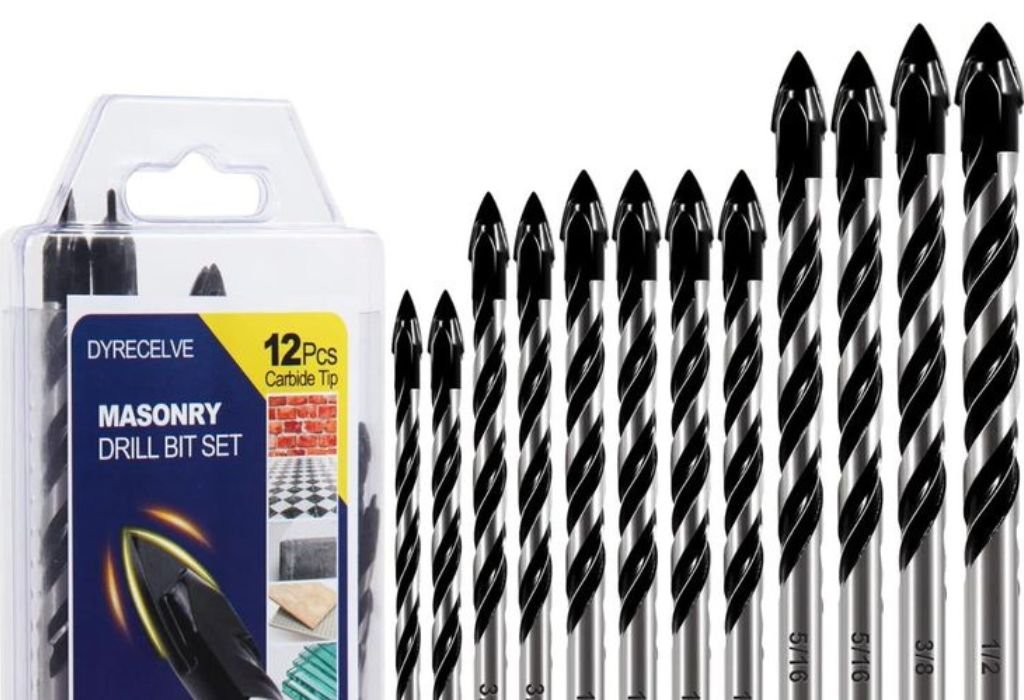
Masonry bits have carbide tipped edges that resist wear and heat. This carbide tip provides durability needed for grinding into stone. Without it, drilling becomes nearly impossible.
Metal bits have sharp edges meant to cut smooth materials like steel or aluminum. Masonry surfaces are too rough for these edges. The bit edges dull within seconds.
The structure of metal bits makes them too fragile for masonry. They are not reinforced for impact drilling. Hammer drills rely on force that metal bits cannot endure.
Concrete contains elements that vary in hardness. Metal bits cannot adapt to these variations. Chips or voids inside concrete can force the bit to bend or break.
Masonry bits are engineered to withstand high heat and friction. Their design allows them to keep working even under pressure. Metal bits simply lack this strength.
Can You Use a Metal Drill Bit on Masonry at All
Technically, you can try using a metal drill bit on masonry, but it will not work effectively. The bit will dull almost instantly. You may not even make a visible hole.
The bit will wear down long before any usable progress is made. Even shallow holes become impossible. This wastes time and damages the bit.
Using a metal bit also risks damaging the drill motor. The drill must work harder to turn a bit that is not cutting properly. Continuous strain harms the internal gears.
The surface of the wall may also become damaged. The bit overheats and creates rough patches rather than clean cuts. These marks are difficult to repair.
Metal bits can break under the stress. Broken bits can cause injury if they snap suddenly. This makes the process unsafe.
For all these reasons, using a metal bit on masonry is not recommended. It is inefficient, unsafe, and damaging to tools.
Why Metal Bits Fail on Brick, Concrete, and Stone
Metal bits have a cutting edge designed for smooth metals. Masonry surfaces are uneven and full of stone particles. These particles grind against the bit and wear it down instantly.
The sharp tip of a metal bit cannot penetrate brick or concrete. Instead, it rubs against the surface. This friction causes overheating.
Metal bits lack heat resistance needed for masonry work. The high friction produces rapid temperature increases. The bit softens and loses cutting ability.
Concrete contains aggregate that varies in density. A metal bit cannot handle sudden shifts in hardness. It may snag or snap during drilling.
The abrasive nature of masonry destroys the fine cutting surfaces of metal bits. Unlike steel, masonry cannot be shaved smoothly. It must be crushed or chipped.
Masonry bits have reinforced carbide edges for this purpose. Metal bits do not. This fundamental difference ensures failure when the wrong bit is used.
Correct Drill Bits for Masonry Surfaces
The most appropriate drill bit for masonry is the carbide tipped masonry bit. This bit is designed for grinding and chipping action. Its reinforced tip withstands extreme pressure.
Hammer drill bits are also suitable for concrete and brick. They are built for impact drilling. Their flutes remove dust efficiently.
SDS bits are used with heavy duty rotary hammers. These bits deliver high impact force. They are ideal for large holes in tough materials.
Multi purpose bits can work on softer masonry. They blend features of metal and masonry bits. However, they are less effective on very hard concrete.
Diamond tipped bits are used for extremely dense materials. They provide precision cutting. They are often used for tiles and stone.
Choosing the right bit depends on the type of masonry. Concrete, brick, and stone vary in hardness. Matching the bit to the material improves drilling performance.
How Masonry Drilling Works Compared to Metal Drilling
Metal drilling relies on sharp cutting edges slicing into the material. Masonry drilling relies on abrasion and impact. The mechanisms are completely different.
Masonry bits grind and pulverize material rather than cut it. This action requires a strong reinforced tip. Metal bits cannot perform this task.
Hammer drills use rapid forward impacts to break material. This helps the bit penetrate concrete. Metal drilling does not need this feature.
Metal drilling requires precision and smooth cutting. Masonry drilling tolerates rougher action. The purpose is removing material rather than creating perfect cuts.
Masonry produces fine dust that needs removal. The flutes on masonry bits eject dust as drilling continues. Metal bits produce small shavings instead.
The speed required for drilling metal is different from masonry. Metal requires slow speed to avoid heat. Masonry requires moderate speed with impact force.
Risks of Using Metal Drill Bits on Masonry
The most obvious risk is damaging the bit. Metal bits dull so quickly that they become useless. The cutting edge may even chip off.
Overheating is another major risk. Excessive heat softens the metal. This destroys the bit’s shape and effectiveness.
Your drill motor may suffer damage. The extra strain of forcing a dull bit into masonry overheats the motor. This reduces its lifespan.
Metal bits can break under pressure. Broken pieces can fly dangerously. Eye injuries are a serious risk.
The wall surface may also suffer scratches. These marks can weaken the area around the hole. This affects the strength of your anchor.
Using the wrong bit creates frustration and waste. It slows your project and increases costs. Efficient drilling requires the correct tools.
Safer Alternatives to Using a Metal Drill Bit on Masonry
The safest alternative is using a carbide tipped masonry bit. This bit handles brick, concrete, and stone easily. It provides clean and reliable drilling.
Using a hammer drill improves drilling power. The hammer action helps break through tough surfaces. This makes drilling faster and smoother.
For very dense concrete, use an SDS rotary hammer. These tools are designed for heavy duty tasks. They penetrate hard material quickly.
If you need a small hole, try a multi purpose bit. These bits work on light masonry. They are suitable for simpler home projects.
Diamond bits are useful for drilling stone or tile. They provide smooth and precise results. These bits resist wear over long use.
If drilling is not possible, use adhesive anchors. These options avoid drilling altogether. They work well for light loads.
When You Should Avoid Drilling Masonry Altogether
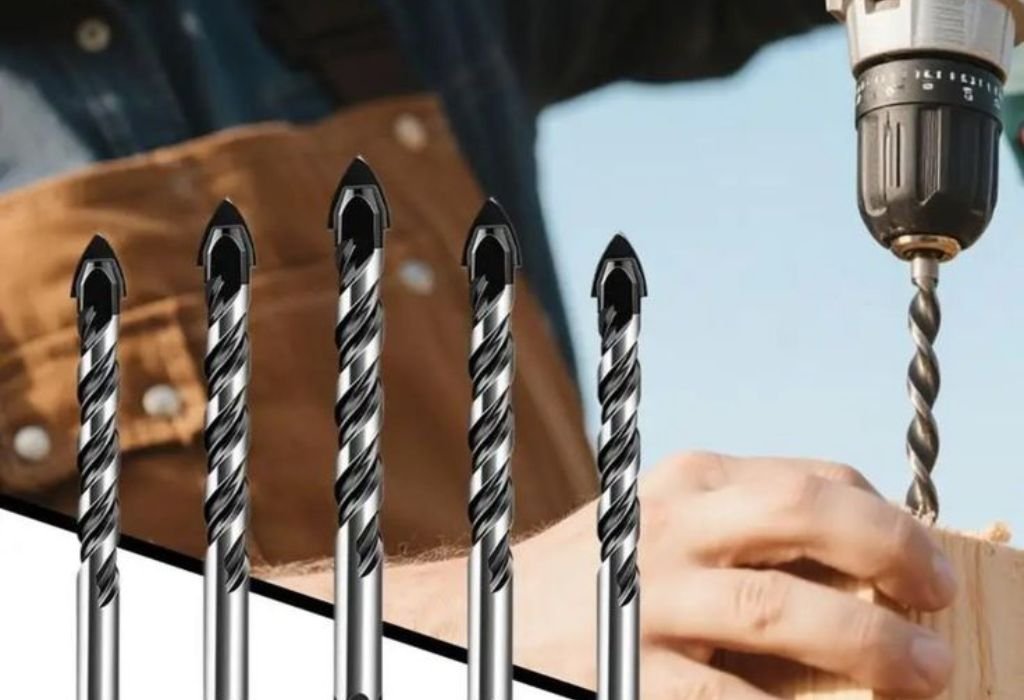
You should avoid drilling masonry if the wall contains hidden plumbing. Damaging a pipe can cause costly repairs. A detector tool helps identify such risks.
Electrical wiring also poses danger. Drilling into live wires creates shock hazards. Safety requires checking beforehand.
Avoid drilling if the wall is old or crumbling. Weak masonry cannot hold anchors securely. Drilling may cause cracks.
Fresh concrete should not be drilled immediately. It needs time to cure fully. Early drilling weakens the structure.
Outdoor masonry exposed to moisture may weaken. Drilling compromised surfaces reduces stability. Sealing and repairing them first is safer.
If you lack proper tools, drilling becomes risky. Using the wrong equipment causes damage. Waiting until you have the correct tools prevents mistakes.
Important Questions About Using Drill Bits on Masonry
Can a metal drill bit make even a small hole in masonry?
It may scratch the surface but cannot make a clean hole. The bit dulls instantly. Progress becomes impossible.
Will a metal drill bit break when used on brick?
Yes, it can snap under pressure. Brick is too abrasive. The bit cannot handle the stress.
Why does my drill bit smoke when drilling masonry?
Friction overheats the metal bit. Masonry is too hard. The bit cannot cut efficiently.
Do I need a hammer drill for masonry?
It is highly recommended. Hammer action helps break material. Standard drills struggle.
Can I use a metal bit if I only need a shallow hole?
It will still fail quickly. Masonry requires abrasion resistance. Metal bits lack this.
What happens if I force a metal bit into concrete?
The bit overheats and may break. Forcing it damages the drill. It is unsafe.
Are masonry bits expensive?
They are affordable and widely available. Prices vary by size. They last longer than metal bits on masonry.
Why does my metal bit get dull instantly on stone?
Stone is abrasive and hard. Metal edges cannot survive the impact. Masonry bits are required.
Can I drill masonry without hammer action?
It is possible but slow. A hammer drill speeds the process. Impact helps penetrate material.
How do I know if my bit is a masonry bit?
A masonry bit has a thick carbide tip. The tip looks wider than the shaft. It is built for heavy duty work.
Conclusion
Using a metal drill bit on masonry is rarely effective and often leads to frustration, damaged tools, and unsafe conditions.
Masonry materials are too abrasive and dense for standard metal bits to handle, causing them to dull or overheat within seconds of contact. This not only wastes time but also increases the risk of injury or drill motor strain.
Specialized masonry bits are designed for the unique demands of drilling into brick, concrete, and stone. Their carbide tips and reinforced bodies allow them to grind through tough surfaces efficiently. Using the right bit ensures clean holes, faster progress, and greater tool longevity.
Understanding the differences between metal bits and masonry bits helps you choose the correct approach to any drilling task.
Proper tools make the job easier and safer, reducing stress and improving results. Whether you are hanging shelves, mounting brackets, or running cables, selecting the right bit ensures success.
If drilling is not possible due to wall conditions or safety concerns, several no drill alternatives exist. These options provide flexibility for installations without risking damage to the structure. Choosing the best method depends on your project requirements.
With the right knowledge and tools, masonry drilling becomes straightforward and predictable. You gain the confidence to complete home projects safely and efficiently. Using proper bits and techniques ensures clean results without damaging your tools or your walls.

I’m John F. Nicholas, the founder, lead writer, and drill enthusiast behind 101drill.com. With years of hands-on experience in power tools and DIY projects, I created this platform to share practical knowledge, expert tips, and real-world insights to help others master the art of drilling.