
Many people wonder if they can use a hammer drill for metal when they do not own a regular drill. The tool looks powerful and seems capable of drilling through any material. This leads many users to assume hammer drills can handle metal the same way they handle concrete.
However hammer drills work differently. They are designed to deliver both rotation and forward impacts which help break masonry. Metal requires smooth drilling without impact which makes the tool choice more complicated.
People often confuse hammer drilling with simple drilling because the tool contains both functions. But using the wrong mode can damage the bit, the tool or the metal surface. Understanding these differences is crucial for safe drilling.
This article explains whether you can use a hammer drill for metal, which mode is safe and what precautions you should take. You will learn the correct techniques, the risks and alternative tools to use for the best results.
Can You Use A Hammer Drill For Metal
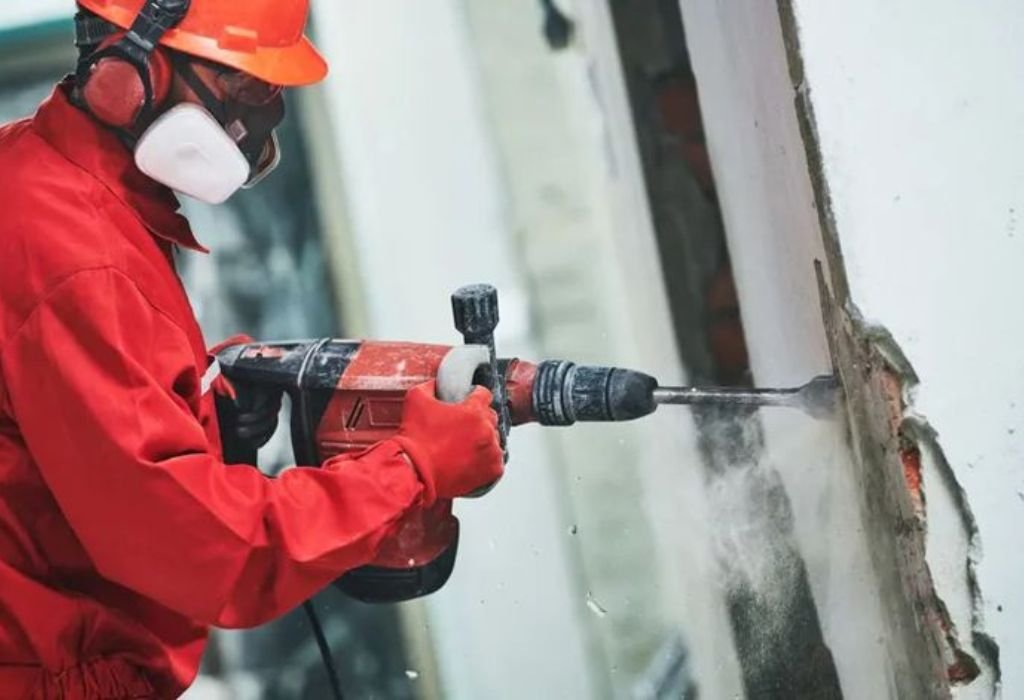
A hammer drill can be used for metal only if it is set to drill mode. Drill mode disables the hammering action and turns the tool into a regular drill. This makes it safe for metal surfaces.
Using hammer mode on metal is unsafe because the tool delivers rapid impacts. These impacts damage metal surfaces and destroy drill bits quickly. The metal can overheat or warp from unnecessary force.
Hammer drills in drill mode still offer enough torque for metal. They can drill holes effectively when paired with the correct metal drill bits. Lubrication helps improve performance and reduce heat.
The biggest limitation is speed control. Metal requires slow and steady speed. Some hammer drills lack fine speed adjustments which affect hole quality.
Corded hammer drills often perform better for metal than cordless ones. They offer consistent power which helps prevent overheating. Cordless models are still usable but must be handled carefully.
Hammer drills vibrate more than standard drills. Excess vibration can affect precision. For thin metal it may cause bending or deformation.
Although a hammer drill can drill metal safely in drill mode, it is not the ideal tool. Standard drills or drill presses offer smoother performance.
Why Hammer Mode Should Never Be Used On Metal
Hammer mode delivers thousands of impacts per minute. These impacts are designed to break masonry or concrete. Metal does not respond well to this type of force.
Using hammer mode creates uncontrolled vibration. This vibration damages the drill bit and causes the metal to chatter. Chattering leads to rough, uneven holes.
Metal surfaces heat up quickly under impact. Excessive heat weakens the bit. The bit tip burns and becomes dull within seconds.
Hammer mode pushes the bit aggressively. This causes it to skip across the metal surface. It becomes dangerous for the user and can create sharp fragments.
Impact force can deform thin sheet metal. The metal bends and becomes unusable. Thicker metal may crack near the edges.
Hammer action also damages the drill’s internal gears. Drilling metal requires smooth rotation only. Impact mode increases tool wear significantly.
Understanding the difference between drill mode and hammer mode prevents damage. Always disable hammering before drilling any metal.
Can I drill metal with a hammer drill in hammer mode?
No because hammer mode damages metal and bits. Always use drill mode. Hammer mode is only for masonry.
Do I need special bits for drilling metal?
Yes use high speed steel or cobalt bits. These bits handle heat better. Standard bits will fail quickly.
Can a hammer drill replace a regular drill?
Yes in drill mode for light to medium tasks. But it provides less precision. A regular drill is still better for metal.
Is lubrication necessary when drilling metal?
Yes because it reduces heat and friction. Oil makes drilling smoother. It also increases bit lifespan.
Will a hammer drill overheat when drilling metal?
It can if used at high speed. Slow speed reduces heat. Proper drilling technique prevents overheating.
What Type Of Metal A Hammer Drill Can Handle
A hammer drill in drill mode can handle mild steel easily. Mild steel responds well to slow drilling speeds. Using lubrication helps create clean holes.
Stainless steel is harder to drill. It requires high quality cobalt bits. Slow and steady drilling prevents bit burnout.
Aluminum is soft and drills easily. The main risk is overheating which causes the bit to bind. Light pressure and slow speed work best.
Brass and copper are relatively easy to drill. These metals cut cleanly with sharp bits. Careful speed control prevents tearing.
Thick metal plates require stronger drills. Hammer drills in drill mode may struggle with larger diameter holes. A drill press is recommended for better precision.
Sheet metal is sensitive to vibration. Hammer drills may cause bending. Clamps help stabilize thin metal during drilling.
Understanding which metals respond well helps choose the right tool. Hammer drills should only be used for basic tasks rather than precision work.
How To Drill Metal Safely Using A Hammer Drill
Always switch the hammer drill to drill mode before starting. Hammer mode must never be used on metal. This prevents impact damage.
Use high quality metal drill bits. Cobalt or titanium coated bits work best for steel. Standard woodworking bits are unsafe.
Mark the drilling point with a center punch. This prevents the bit from slipping on the metal surface. A stable starting point ensures accuracy.
Start drilling at low speed. High speed overheats the bit and metal. Slow rotation creates smoother and cleaner holes.
Apply cutting oil to reduce heat. Lubrication increases bit life. It also prevents burning and discoloration.
Apply moderate pressure while drilling. Too much pressure breaks bits. Too little pressure causes the bit to skid.
Keep the drill stable during drilling. Vibrations reduce hole quality. Clamps help secure the metal.
Following these steps makes drilling metal with a hammer drill safe and effective.
Should I pre drill a small pilot hole?
Yes because pilot holes reduce strain. They guide the larger bit. This makes drilling easier.
What speed should I use?
Slow speed works best. Fast rotation causes overheating. Slow speed protects the bit.
Do I need to clamp the metal?
Yes because clamping prevents vibration. It keeps the metal steady. This ensures clean holes.
Can I use a hammer drill for stainless steel?
Yes but only in drill mode. Use cobalt bits. Slow speed is essential.
Why does my bit smoke when drilling metal?
Because of overheating. Use oil and slow speed. Replace dull bits immediately.
Problems That Occur When Hammer Drills Are Misused On Metal
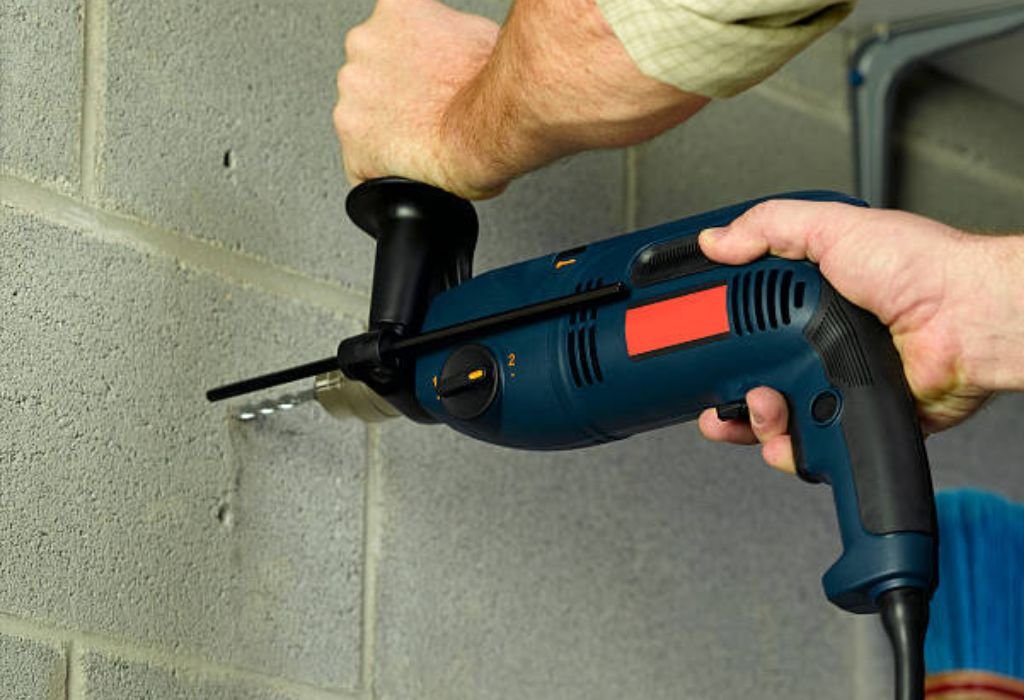
Using hammer mode creates jagged holes. Impact force disrupts the cutting edge. The bit becomes dull quickly.
Hammering action causes excessive heat. Heat weakens both the metal and the bit. This leads to poor drilling performance.
The drill bit may break under pressure. Bits designed for rotation cannot handle impact. Broken bits create safety hazards.
Thin metal vibrates heavily under hammer mode. This causes bending and deformation. Sheet metal becomes unusable.
Large holes become inaccurate. Hammer drills lack precision for metal cutting. The hole may be oversized or uneven.
The motor in the hammer drill overheats. Metal drilling requires controlled rotation. Impact mode strains internal gears.
Avoiding these issues requires using drill mode only. Proper technique ensures safe drilling.
When To Avoid Using A Hammer Drill For Metal
Avoid using a hammer drill on very thin sheet metal. The vibration can warp the metal easily. A regular drill gives better control.
Do not use a hammer drill for large diameter holes. Large bits require slow, controlled rotation. A drill press handles these tasks safely.
Avoid using hammer drills on hardened steel. Hardened metal resists cutting and requires specialized bits. Hammer drills may not provide enough torque.
Do not use hammer drills when precision is required. Metal fabrication often demands accuracy. A standard drill provides smoother results.
Avoid hammer drills for continuous metal drilling. Extended use causes overheating. Dedicated tools perform better.
Hammer drills should not be used for tapping threaded holes. Thread cutting requires clean edges. Impact tools damage the thread shape.
Choosing the right tool prevents mistakes. It also improves final results and safety.
Conclusion
A hammer drill can be used for metal only when set to drill mode. Hammer mode must never be used because it damages bits, overheats metal and destroys surface quality. Using proper metal drill bits, slow speed and lubrication ensures safe drilling.
Different metals respond differently to drilling. Mild steel, aluminum and copper drill easily while stainless steel requires more care. Thin sheet metal may deform if the drill vibrates too much.
Hammer drills are not ideal for precision work but can handle simple metal holes in drill mode. Professional tools like drill presses or standard drills offer smoother performance. Choosing the correct method prevents damage and improves safety.
Understanding these differences helps you drill metal confidently with the right technique. Proper preparation and careful drilling always produce better results.

I’m John F. Nicholas, the founder, lead writer, and drill enthusiast behind 101drill.com. With years of hands-on experience in power tools and DIY projects, I created this platform to share practical knowledge, expert tips, and real-world insights to help others master the art of drilling.