
Anyone who has ever drilled into metal knows the feeling of hesitation right before the drill touches the surface. Metal behaves differently from wood or plastic, and the wrong drill bit can burn out, slip or create rough, jagged holes. Many beginners are handed a simple set of black oxide bits and are told they are suitable for metal. But after seeing sparks, heat or worn tips, they begin doubting whether the bit was the right choice.
Sometimes a person buys a cheap drill bit set thinking that every bit is the same. Only later do they learn that coatings, hardness levels and tip angles matter a lot, especially when drilling steel or aluminum. Black oxide bits are common because they are affordable and versatile. But people question whether these bits truly withstand the friction and heat that metal drilling creates.
The confusion gets deeper after reading mixed opinions online. Some people swear black oxide bits are perfect for metal, while others say they wear fast or struggle against harder materials. The truth is that their performance depends on what type of metal you are drilling, how you use the bit, and how often you lubricate it.
Understanding whether black oxide drill bits are good for metal becomes important for DIY users, mechanics, construction workers and hobbyists. A smooth, precise hole can make the difference between a successful project and a damaged surface. This guide explains everything clearly so you can decide confidently and drill safely without ruining your bits or your metal surface.
Are Black Oxide Drill Bits Good For Metal
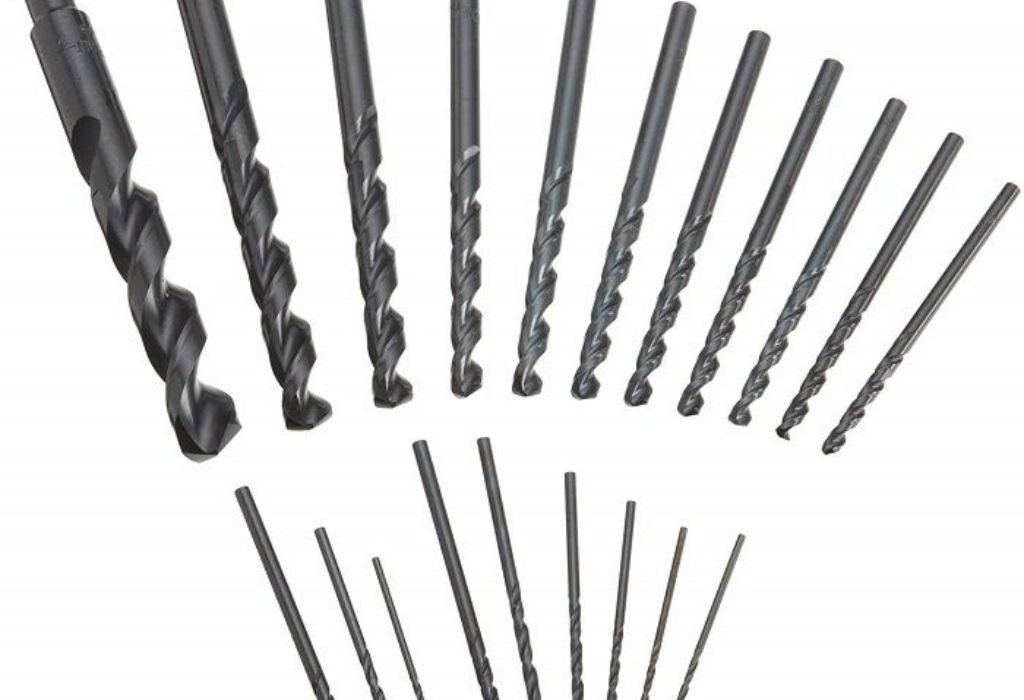
Black oxide drill bits are made from high speed steel and receive a heat treated coating that protects the bit from corrosion. This coating allows the bit to resist friction better than plain high speed steel bits. Because of this, many people find them suitable for drilling softer metals such as aluminum, copper, brass and mild steel. They remain sharper longer than standard bits and offer smooth operation when used correctly.
However, black oxide bits are not the strongest option for extremely hard metals. When drilling stainless steel, hardened steel or thick metal plates, these bits can lose edge sharpness quickly. Their heat resistance is better than regular bits but lower than titanium and cobalt bits. This means they require lubrication, slower drilling speed and consistent pressure to avoid overheating.
When used properly, black oxide bits provide excellent value because they balance durability, speed and affordability. They work well in general shop environments where the metal is not extremely hard. For most DIY tasks, black oxide bits are more than enough. But for aggressive drilling or industrial metalwork, a stronger type of bit may be necessary.
How Black Oxide Coating Helps When Drilling Metal
Black oxide coating plays a big role in how these bits perform. The coating creates a smooth, low friction surface that allows chips to slide away from the drilling area. This prevents clogging and heat buildup, two of the biggest problems when drilling metal.
The coating also helps the bit resist moisture and corrosion. Over time, uncoated bits can rust, which weakens the surface and makes cutting edges dull faster. Black oxide reduces this risk, especially for people who store tools in humid or unprotected areas. This makes the bits more reliable for long term use.
Heat resistance is another important advantage. When metal heats up, it becomes harder to cut. A hotter drill bit also softens, causing the edge to dull. Black oxide slows this process by keeping the bit cooler during operation. However, it still cannot match the heat resistance of cobalt bits, which are designed for extreme hardness.
Overall, the coating improves performance and extends the lifespan of the bit. This makes black oxide drill bits a dependable option for everyday metal drilling tasks when used with proper technique.
What Types of Metal Can Black Oxide Drill Bits Drill
Black oxide bits perform differently depending on the material. Softer metals respond very well, while extremely hard metals create more stress on the cutting edges. Understanding the right applications helps avoid frustration and premature bit failure.
Soft and Medium Metals
Black oxide bits drill aluminum, brass, copper and mild steel with ease. These materials do not require extremely high drilling power. The bits cut smoothly and produce clean holes without burning. With lubrication and slow to medium speeds, the bits last a long time.
Thicker or Harder Metals
Thicker steel plates or structural steel can still be drilled, but the process requires more patience. Lower drill speed, steady pressure and lubrication make the job manageable. The bit will wear faster but can still complete the task.
Very Hard Metals
Stainless steel, hardened steel and cast iron are more challenging. Black oxide bits can drill these materials, but the cutting edges wear down quickly. Overheating becomes a major issue. For these metals, cobalt bits are recommended because they maintain hardness even under extreme heat.
Black oxide bits offer versatility but must be matched to the correct metal type for best results.
How Long Do Black Oxide Drill Bits Last On Metal
The lifespan of a bit depends on how it is used, what metal it drills and how well it is cared for. Many people ruin bits quickly because they drill at high speed with no lubrication. Metal requires a controlled drilling technique that protects the sharpness of the tip.
With proper care, black oxide bits can last a long time when drilling soft metals. The coating helps retain edge sharpness and reduces friction. People who drill occasionally will find that a single set of bits can last for years.
Heavy use on hard metals will shorten the lifespan significantly. A bit used on stainless steel may dull after only a few holes. However, with lubrication, slow speed and cooling breaks, the lifespan increases.
Storing the bits properly also matters. If they are left in damp areas, rust can still form over time. Keeping them in a closed case increases their durability. Cleaning them after each use also prevents tiny metal chips from scratching the coating.
Do Black Oxide Drill Bits Overheat Easily When Drilling Metal
Black oxide bits resist heat better than standard bits, but they still overheat when drilling hard or thick metal. Overheating causes metal discoloration, burning smells and dull edges. Once a bit overheats, its cutting power decreases rapidly.
To prevent overheating, lubrication is essential. Cutting oil or even simple machine oil reduces friction dramatically. Slow drill speed also prevents excessive heat. Many beginners make the mistake of drilling too fast because they assume high speed means faster work. But in metal drilling, slow and steady is the rule.
Pausing occasionally also helps. Each break lets the bit and the metal cool down. This prevents thermal deformation and increases the overall lifespan of the bit. When these steps are followed, black oxide bits stay cooler and work more effectively.
Are Black Oxide Drill Bits Better Than Titanium For Metal
When comparing black oxide and titanium bits, it helps to understand their strengths. Titanium bits have a stronger coating that resists wear longer. This makes titanium bits sharper for a longer period of time, especially during heavy drilling.
However, titanium bits are more expensive. Many professionals choose black oxide bits for general tasks because they provide good performance at a lower price. For someone who works with metal occasionally, black oxide bits offer better value.
Titanium bits remain the better choice for drilling harder metals. They stay cooler longer and resist dulling. But black oxide bits still perform well for softer metals at a fraction of the cost. The right choice depends on your frequency of use and the types of metals you work with.
Are Black Oxide Drill Bits Better Than Cobalt For Metal
Cobalt drill bits are designed specifically for drilling hard metals. They have a high amount of cobalt mixed into the steel, which keeps them strong and sharp even when heated. This makes cobalt bits the top choice for stainless steel, hardened steel and cast iron.
Black oxide bits do not perform as well on these metals because the coating does not offer the same heat resistance. They dull faster and struggle with hard surfaces.
However, cobalt bits are more expensive and more brittle. They can chip if used incorrectly. This makes black oxide bits more practical for general users. If your work mostly involves mild steel and aluminum, black oxide bits are a better balance of price and performance. But for tough metals, cobalt is the clear winner.
Do Black Oxide Drill Bits Need Lubrication For Metal
Lubrication is one of the biggest factors in successful metal drilling. Black oxide bits benefit greatly from cutting oil because it reduces friction and heat. Without lubrication, even the best drill bit will overheat and dull quickly.
Cutting oil keeps the drilling area cool and allows chips to flow away smoothly. This creates cleaner holes and helps maintain the sharpness of the cutting edges.
Light oils are suitable for aluminum and copper. Thicker oils or dedicated cutting fluids work better for steel. No matter the metal, lubrication increases bit lifespan and improves performance.
Tips To Drill Metal Safely With Black Oxide Drill Bits
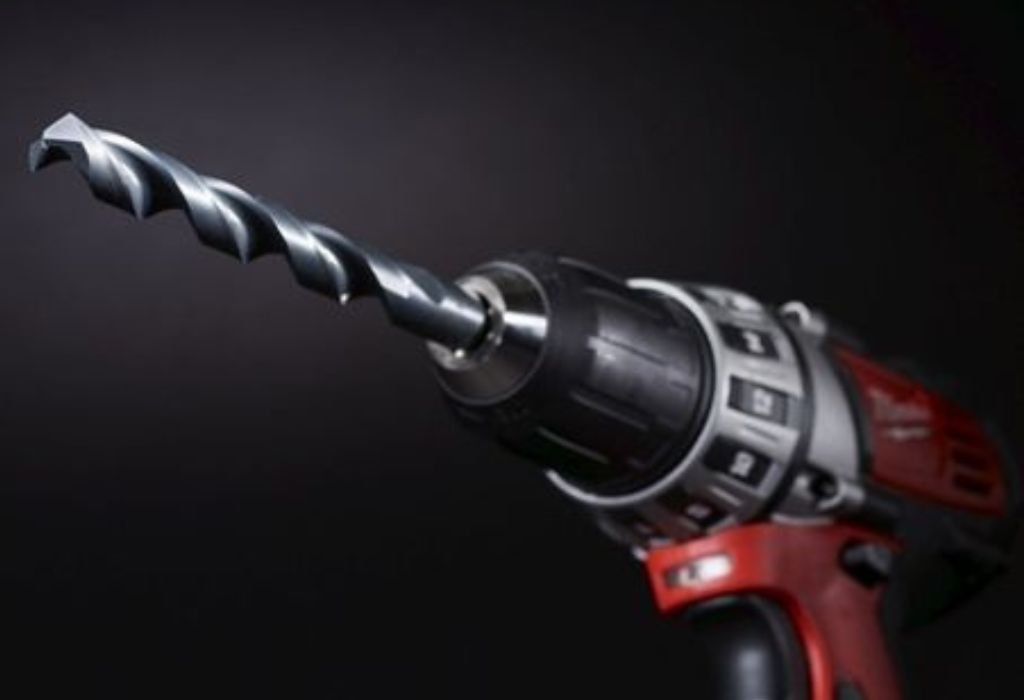
Drilling metal becomes easier and safer when the correct technique is used. These guidelines help prevent overheating, slipping and bit damage.
Use slow speed to maintain control.
Apply steady, firm pressure.
Use lubrication to minimize friction.
Start with a smaller pilot hole.
Clamp the metal securely to avoid movement.
Let the bit cool between passes.
Remove metal shavings often to keep the surface clean.
With these steps, black oxide bits drill smoother and last longer.
Conclusion
Black oxide drill bits are a reliable choice for drilling softer and medium metals such as aluminum, copper, brass and mild steel. Their coating offers better heat resistance, smoother chip removal and longer lifespan compared to standard high speed steel bits. While they are not the strongest option for hard metals like stainless steel or hardened steel, they remain an excellent and affordable tool for everyday metal drilling needs. With proper lubrication, slow drilling speed and clean technique, black oxide bits perform well and last a long time. They sit right in the middle in terms of durability, cost and versatility, making them a practical option for most users.

I’m John F. Nicholas, the founder, lead writer, and drill enthusiast behind 101drill.com. With years of hands-on experience in power tools and DIY projects, I created this platform to share practical knowledge, expert tips, and real-world insights to help others master the art of drilling.