
Anyone who has walked through a hardware store has seen drill bits with a deep black finish and wondered whether they are truly meant for metal. Many beginners assume the color alone makes them stronger or capable of drilling through steel with ease. Others hear that the black coating improves durability but still feel unsure about how well these bits perform when the metal gets thick or hard. These questions come up often because black oxide bits look different from standard silver bits and people want to know if they can trust them for serious metal projects.
The truth is that black oxide bits offer real advantages but also have clear limitations that many users overlook. These bits are made from high speed steel that goes through a heat treatment process creating the black finish. This treatment helps resist corrosion and reduces friction which is important when cutting into metal. However understanding exactly what type of metal they can handle is the key to using them correctly.
People who try drilling hardened steel with black oxide bits often get frustrated because the bit squeals slips or overheats quickly. That happens not because the bit is low quality but because it is being used for a job it was not designed for. Once someone learns the proper applications black oxide bits become extremely reliable and efficient. Many professionals still rely on them for sheet metal aluminum and mild steel because they perform smoothly and last longer than standard silver bits.
When you understand how black oxide bits compare to cobalt and carbide the decision becomes much clearer. This guide explains everything you need to know so you can choose the right bit every time and get clean precise holes without damaging your tools or wasting time.
What Are Black Oxide Drill Bits And How Are They Made
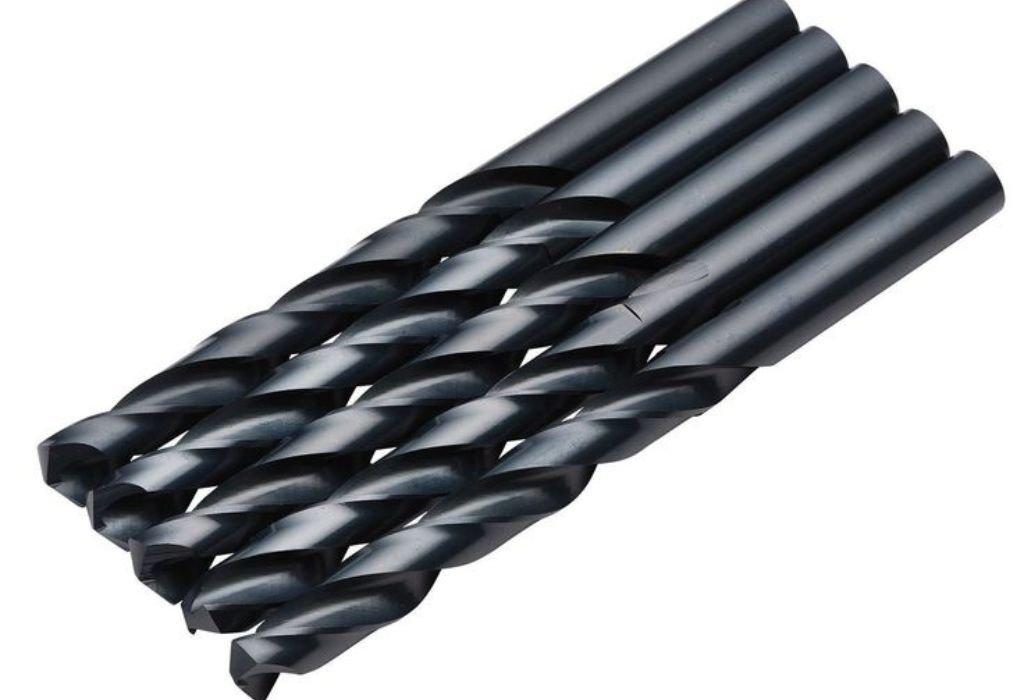
Black oxide drill bits are standard high speed steel bits that go through a special heat treatment. This treatment darkens the surface and makes the bit more resistant to corrosion. The finish also reduces friction during drilling.
Many people mistakenly believe the black color means a completely different material. In reality the color comes from the surface treatment not the metal type. The core is still high speed steel.
During the heat treatment oxygen reacts with the steel to form a thin protective layer. This layer improves durability and smoothness. It also prevents moisture damage.
Black oxide bits feel slightly slick because the surface holds lubrication better. This helps reduce heat when drilling metal. Lower heat improves cutting life.
Manufacturers use this finish because it enhances performance without raising cost significantly. This makes black oxide bits affordable yet effective. They remain a popular choice for metal drilling tasks.
Are Black Drill Bits Good For Drilling Metal
Black oxide drill bits are suitable for drilling mild steel aluminum copper and other softer metals. They offer reduced friction which makes drilling smoother. This is helpful for repeated metal work.
Many users find that these bits last longer than regular high speed steel bits. Their surface coating helps maintain sharpness. This gives better hole quality.
However they are not ideal for hardened steel or high strength alloys. These materials require stronger bits like cobalt or carbide. Using black oxide bits on hardened metal causes overheating.
When used correctly black oxide bits perform very well for everyday metal tasks. They cut cleanly without requiring heavy pressure. This makes them user friendly for beginners.
Choosing the right bit for the right material ensures success. Black oxide bits are reliable but limited. Matching them to the appropriate metal prevents frustration.
Benefits Of Using Black Oxide Drill Bits
Black oxide drill bits resist corrosion much better than uncoated steel bits. Corrosion resistance increases lifespan especially in humid environments. This makes them dependable for metal projects.
Their surface allows lubrication to spread more evenly. Even lubrication means less friction during drilling. Lower friction leads to cooler drilling.
The bits glide smoothly through mild steel and aluminum. This reduces the chance of the bit grabbing suddenly. Smooth cutting increases precision.
Another benefit is cost effectiveness. Black oxide bits are affordable and offer great value. They last longer than standard bits without requiring premium pricing.
For general shop work these bits are ideal. They handle common metals easily. Many DIY users prefer them for their balance of price and performance.
Limitations Of Black Oxide Drill Bits
Black oxide bits are not designed for extremely hard metal. Hardened steel quickly dulls the cutting edges. This causes slipping and squealing.
These bits also struggle with stainless steel. Stainless generates more heat which damages high speed steel. Heat causes premature wear.
Black oxide bits cannot maintain sharpness under extreme pressure. Their hardness level is lower than cobalt or carbide. This limits their cutting ability.
Heavy duty drilling jobs require specialized bits. Using the wrong bit risks breakage. Bit breakage also damages the workpiece.
Understanding these limitations helps prevent tool failure. Choosing cobalt or carbide for tough metals is safer. This ensures cleaner and more accurate holes.
How To Choose The Right Metal For Black Oxide Bits
Black oxide bits work best on mild steel which is softer and easier to cut. Mild steel does not generate excessive heat. This makes the drilling process smoother.
They are also suitable for aluminum which cuts quickly and easily. The coating keeps chips from sticking. Sticking chips slow down drilling.
Sheet metal cutting is another excellent use. Thin metal layers respond well to these bits. Sharp edges form cleanly with good control.
Avoid using them on cast iron unless drilling small holes. Cast iron can wear them down faster. Heavy drilling on cast iron is better with cobalt.
Matching the bit to the metal ensures long life. Proper selection reduces heat and improves performance. This makes every drilling job more efficient.
How To Use Black Oxide Bits For Best Performance
Start with a slow drilling speed to avoid heat buildup. Heat reduces cutting power instantly. Slow speed gives more control.
Apply cutting oil while drilling to lower friction. Oil spreads nicely on the black oxide surface. This helps maintain a cool temperature.
Use light and consistent pressure. Excess pressure causes rubbing instead of cutting. Rubbing destroys the cutting edge.
Keep the drill straight and steady. Wobbling produces uneven holes. A straight angle ensures smooth penetration.
Clear chips frequently by lifting the bit slightly. Chips stuck in the flutes cause friction. Clean flutes provide cleaner holes.
When To Choose Cobalt Or Carbide Instead Of Black Oxide
Cobalt bits are best for hardened steel and stainless steel. Their hardness level is higher than black oxide bits. They resist heat much better.
Carbide bits are even stronger and handle the hardest alloys. They maintain their cutting edge for long periods. They require stable drilling conditions.
Black oxide bits cannot handle extreme temperatures. High heat dulls them rapidly. This leads to slow cutting.
For automotive parts hardened tools and thick stainless steel cobalt is the minimum requirement. Using the right bit protects the workpiece. This ensures professional results.
Comparing materials helps decide correctly. Cobalt and carbide outperform black oxide when metals get harder. Choosing wisely saves both time and effort.
FAQs inside this section
Are black oxide bits stronger than silver bits?
They are more durable than plain high speed steel bits. The coating improves performance but does not change the core metal.
Can black oxide bits drill stainless steel?
They can drill thin stainless but not thick or hardened stainless. Cobalt bits work better.
Do black oxide bits dull easily?
They dull slower than plain bits but faster than cobalt bits. Good lubrication improves life.
Why do black oxide bits smoke?
Smoke means heat buildup. Reduce speed and add oil.
Are black drill bits only for metal?
No they also work for wood and plastic. But they shine in mild metal work.
Are Black Oxide Bits Better Than Titanium Bits
Titanium bits offer lower friction and longer sharpness. This makes them better for high speed drilling. They handle repetitive use well.
However titanium coatings can wear off with time. When the coating fades the bit behaves like standard HSS. Performance drops noticeably.
Black oxide treatments penetrate deeper into the steel surface. This means they last longer under friction. The coating remains effective for many uses.
Titanium bits excel in wood and thin metal. Black oxide works better in mild steel. Choosing the best option depends on your project.
Both coatings are useful. Understanding material differences helps avoid picking the wrong bit.
FAQs inside this section
Which lasts longer titanium or black oxide?
Titanium usually lasts longer for light drilling. Black oxide performs better for repeated mild metal drilling.
Are gold bits always titanium?
Most are but not all. Always check labeling.
Do titanium bits work on metal?
Yes but cobalt is better for harder metals. Titanium is ideal for soft metals.
Can titanium bits chip?
Yes if the coating wears or pressure is too high. Proper speed helps avoid damage.
Is titanium good for stainless steel?
It works on thin stainless but cobalt is needed for thick sections.
How To Extend The Life Of Black Oxide Drill Bits
Clean the bits after each use to remove metal chips. Chips scratch cutting edges. Scratches reduce sharpness.
Store the bits in a dry area. Moisture affects coating quality. Dry storage helps prevent rust.
Avoid using black oxide bits on extremely hard metal. Hard metal destroys the cutting lips fast. Using them correctly extends lifespan.
Add oil before every drilling session. Lubrication lowers friction. Low friction protects the coating.
Sharpen the bits when performance weakens. A sharp bit drills faster and cooler. Sharpening restores original cutting power.
FAQs inside this section
How often should I sharpen black oxide bits?
Sharpen whenever cutting slows. Regular maintenance increases lifespan.
Can I use water for cooling?
Water cools but does not lubricate. Cutting oil is better.
Do they rust?
They resist rust but can still corrode. Light oil prevents this.
Why is my drill bit turning blue?
Blue color means overheating. Reduce speed and add lubrication.
Can they be used in a drill press?
Yes they work very well in drill presses. Slow speed makes drilling more precise.
Common Problems And How To Fix Them
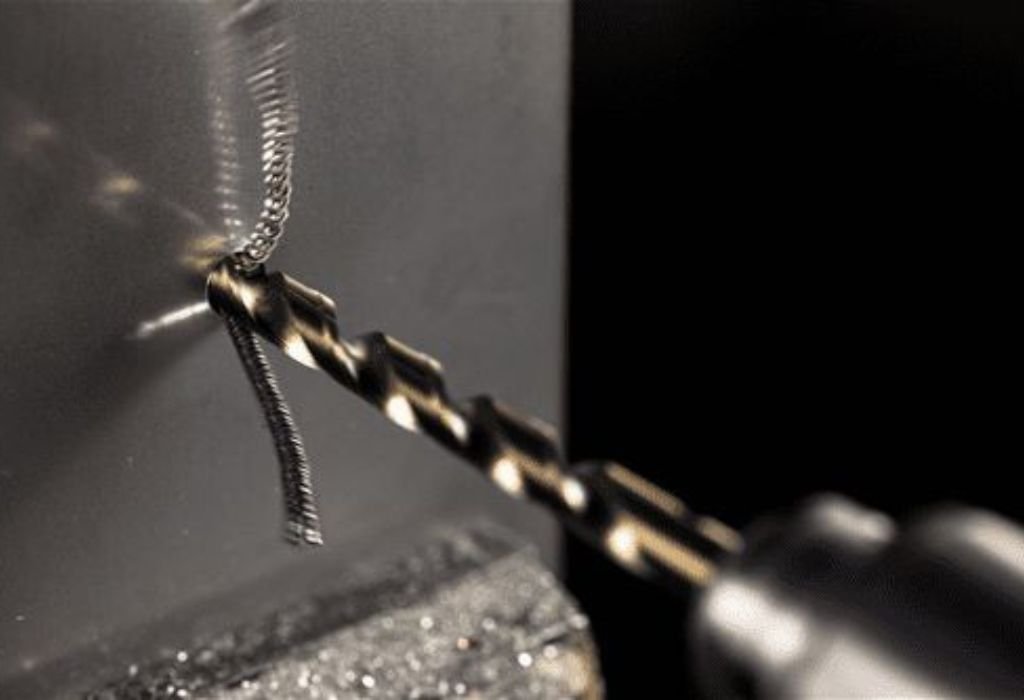
If the bit slips at the start use a center punch. The dent keeps the bit steady. Stability improves accuracy.
If the bit overheats slow the drill speed. High speed creates unnecessary friction. Friction increases heat.
If flutes clog with chips lift the bit. Clearing chips improves cutting action. Clean flutes prevent jamming.
If the bit dulls quickly check the metal type. Hardened steel wears black oxide bits fast. Switching to cobalt solves it.
If the hole is uneven reduce wobbling. Maintain a firm grip. A stable angle produces perfect cuts.
FAQs inside this section
Why is my bit squealing?
The bit is dull or drilling too fast. Sharpen and slow down.
Do I need a pilot hole for metal?
Yes it improves accuracy. It also reduces strain.
Should metal be drilled at high speed?
No high speed overheats the bit. Slow is safer.
Why does the bit grind but not cut?
The cutting lips are worn. Sharpen or replace.
How do I know if metal is hardened?
If the bit skates instantly and sparks quickly the metal is hardened.
Conclusion
Black oxide drill bits are excellent tools for drilling mild steel sheet metal aluminum and other softer metals. Their corrosion resistance lower friction and affordable cost make them a popular choice for everyday use. When combined with proper lubrication slow speed and gentle pressure they produce smooth accurate holes without damaging the workpiece.
They do have limitations which become clear when drilling hardened or stainless steel where cobalt or carbide bits perform better. Understanding these differences prevents tool damage overheating and wasted effort. Choosing the right drill bit always leads to better results and safer drilling.
With good maintenance correct application and smart bit selection black oxide bits remain one of the most dependable and cost effective options for general metal drilling in the workshop or at home. They deliver reliable performance and clean results when matched to the right metal.

I’m John F. Nicholas, the founder, lead writer, and drill enthusiast behind 101drill.com. With years of hands-on experience in power tools and DIY projects, I created this platform to share practical knowledge, expert tips, and real-world insights to help others master the art of drilling.