
Drilling a large 3/4 inch hole in metal looks simple at first but the process is far more demanding than drilling a small pilot hole. Many people try to drill the full size hole in one go and immediately face issues such as overheating dull bits and loud squealing because the bit cannot handle the pressure. A large diameter bit removes a significant amount of material which generates heat fast and challenges even strong drills.
The first time someone tries this they often wonder why the bit barely moves or why smoke appears almost immediately. This usually leads to frustration and confusion because smaller holes feel easy by comparison. The difference is that a 3/4 hole requires more torque more control and a different drilling technique. Without proper preparation drilling becomes almost impossible.
Professionals always approach large holes using a method called step drilling. Instead of forcing a huge bit they gradually increase the hole size which reduces friction and gives the metal room to be cut. This method protects the drill bits and creates a much cleaner final hole. It also reduces strain on the drill motor.
Once people learn this technique they feel much more confident working with metal. They realize drilling a 3/4 hole is not about strength but about controlling speed pressure and heat. With the right tools and steps you can create a perfect hole in steel aluminum or any other metal without damaging your tools or the surface. This guide walks you through every detail so you can complete the task with professional results.
Understanding The Challenges Of Large Diameter Metal Holes
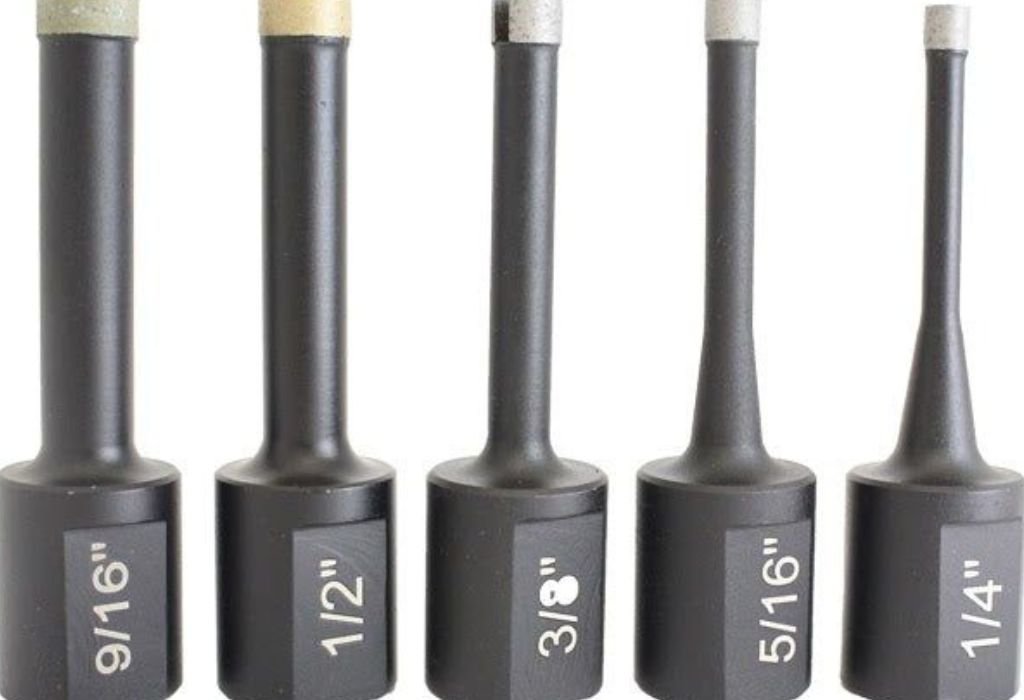
A 3/4 inch hole removes more metal than most people expect. The larger the diameter the higher the friction and heat that builds up during drilling. Heat becomes the biggest obstacle.
Large bits also require more torque than normal household drills can produce. If torque is too low the bit may stall or chatter. Chattering damages the surface and dulls the bit.
Another challenge is keeping the drill stable. Large holes pull the bit off center easily if the pilot hole is weak. Stability ensures accuracy.
Metal thickness also affects difficulty. Thick steel needs slower cutting and stronger bits. Thin metal requires speed control to prevent tearing.
Understanding these factors helps you choose the right method. With proper preparation drilling becomes safe and predictable. Preparation always prevents mistakes.
Choosing The Right Drill Bit For A 3/4 Inch Hole
A high quality step bit is one of the best options for drilling large holes in metal. Step bits cut gradually and reduce stress on both the drill and the material. They also create smooth edges.
If the metal is thick use a cobalt or carbide hole saw. These bits handle heat and maintain sharpness longer. Hole saws are ideal for larger holes in hardened steel.
Another option is using a 3/4 cobalt twist bit but only after proper step drilling. Going directly to a large twist bit is risky. The bit may grab the metal aggressively.
Carbide bits offer excellent durability. They handle tough metals and high friction without dulling quickly. They are more expensive but last longer.
Choosing the right bit ensures clean cutting. It also reduces overheating and vibration. Good bit selection is the foundation of successful drilling.
How To Prepare The Metal Surface Before Drilling
Clean the metal with a dry cloth to remove dust or grease. Any debris increases slipping. A clean surface helps the bit grip correctly.
Mark the exact drilling spot using a marker or tape. Tape also prevents scratches during drilling. A clear mark ensures accuracy.
Use a center punch to make a starting dent. This keeps the drill bit centered when rotation begins. The punch mark prevents wandering.
If the metal piece is movable clamp it securely. Movement causes uneven holes and broken bits. Stability is essential for large diameter drilling.
Check your measurements twice. Rechecking prevents mistakes that are hard to correct later. Proper preparation leads to cleaner results.
Step Drilling Technique For A 3/4 Inch Hole
Start with a small pilot hole around 1/8 inch. A small hole reduces friction and guides the larger bits. This prevents slipping.
Move to a 1/4 inch bit and widen the hole gradually. Increasing the size step by step keeps heat low. Low heat protects the drill.
Next use a 3/8 or 1/2 inch bit. Each step should remove a reasonable amount of material without forcing. Controlled cutting is safer.
Continue widening until the final 3/4 bit can enter smoothly. When the hole is ready the final cut feels much easier. Proper step drilling ensures a round clean hole.
This method is used by machinists worldwide. It prevents tool damage and preserves accuracy. It is the best method for large holes in metal.
How To Drill The Final 3/4 Inch Hole
Place the 3/4 inch bit into the enlarged hole and begin at the lowest speed. Large bits require slow cutting. Slow speed controls heat.
Apply steady pressure without forcing the bit. Forcing increases heat and risks grabbing. Controlled pressure is more effective.
Lubricate the bit frequently as it cuts. Cutting oil reduces friction dramatically. Better lubrication means smoother drilling.
Withdraw the bit periodically to clear chips. Chips trapped in the flutes increase friction and temperature. Clean flutes cut faster.
Stop immediately if smoke or squealing begins. This means overheating. Cooling prevents damage to both the bit and the metal.
Why Lubrication Is Essential For Large Hole Drilling
Cutting oil keeps the drill bit cool. Cooling is the key to drilling large holes successfully. Large bits generate extreme heat.
Lubrication reduces friction which allows the bit to move smoothly. Smooth drilling creates cleaner edges. It also protects the bit from dulling.
Apply oil before starting and reapply anytime heat increases. Proper lubrication extends the life of expensive bits. Oil is a valuable tool.
Using lubrication also prevents sparks. Sparks are signs of severe friction. Friction damages the bit quickly.
Do not drill hardened or thick metal without oil. Lubrication ensures successful cutting even with stubborn materials. Oil protects both the bit and the drill.
Common Mistakes When Drilling A 3/4 Inch Hole In Metal
Using high drill speed is the most common mistake. High speed produces instant heat. Heat destroys the bit.
Another mistake is skipping the pilot hole. A large bit cannot center itself properly. Missing this step causes wandering.
Applying too much pressure increases friction. Pressure does not improve cutting. It only causes overheating.
Using dull bits is another major problem. Dull bits rub instead of cutting. Rubbing creates heat and poor hole quality.
Ignoring lubrication is a costly mistake. Dry drilling burns bits quickly. Oil keeps everything under control.
Finishing And Smoothing The 3/4 Inch Hole
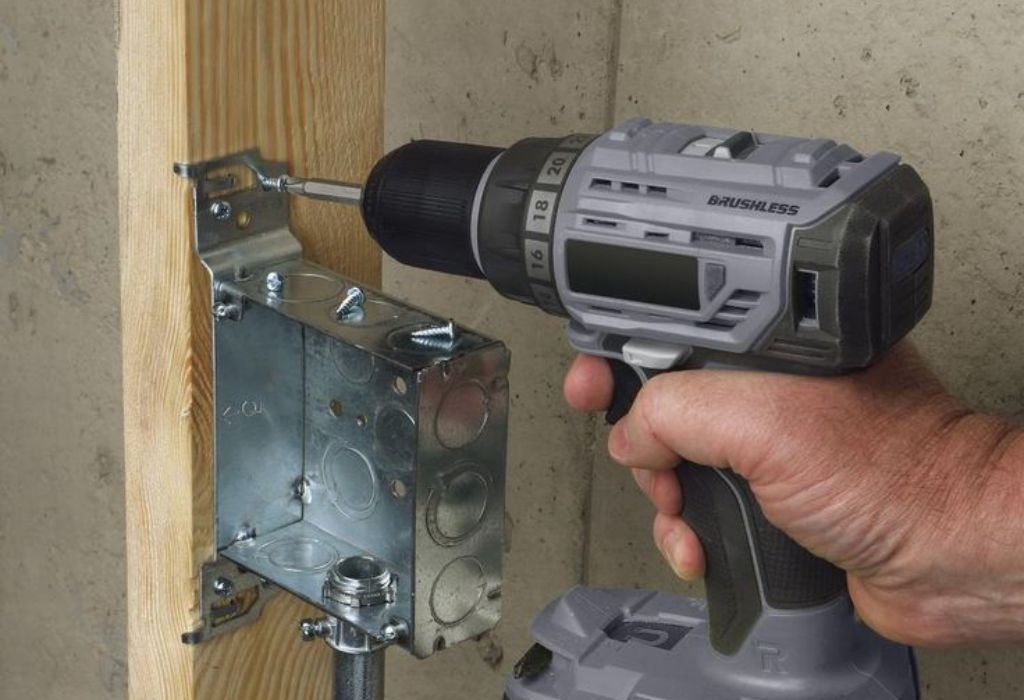
After drilling inspect the edges carefully. Large holes often leave burrs. Burrs can cut fingers or scratch surfaces.
Use a deburring tool to smooth the inner rim. This creates a clean finish. Deburring improves hole quality.
If a deburring tool is not available use a round file. A few gentle strokes remove burrs quickly. Filing is safe and effective.
Brush away all metal shavings. Shavings are sharp and dangerous. Use a brush instead of bare hands.
Add a drop of oil to the finished hole. Oil protects the metal from rust. This ensures long term durability.
Safety And Tool Care After Drilling
Clean the drill bit after use. Cutting oil and metal chips reduce performance. Clean bits stay sharper.
Store your large bits in protective cases. Large bits chip if they hit other tools. Protection extends their lifespan.
Check the drill for heat damage. Long drilling sessions warm the motor. Allow it to cool fully.
Inspect the hole saw or step bit for discoloration. Blue marks indicate overheating. Overheated bits need resharpening.
Perform maintenance regularly to keep every tool in top condition. Good habits ensure better results. Clean and sharp tools always perform best.
Random FAQ Block (Placed After Section 7)
Can I drill a 3/4 hole in metal using a hand drill?
Yes you can as long as the drill has enough torque. Slow speed is the most important factor.
Do I need a pilot hole for large holes?
Yes pilot holes are essential. They prevent slipping and reduce pressure.
What bit works best for a 3/4 hole?
Step bits hole saws or cobalt twist bits work well depending on metal thickness.
Why does my drill bit overheat quickly?
Overheating happens when speed is too high or oil is not used. Reduce speed and apply lubrication.
Can I drill hardened steel to 3/4 inch?
Yes but you must use carbide bits and very slow cutting. Hardened steel requires more cooling.
Conclusion
Drilling a 3/4 inch hole in metal is a technical task but becomes simple once you follow the right sequence. Step drilling pilot holes slow speed and lubrication transform a difficult job into a smooth and controlled process. These steps protect the drill bit from heat damage and improve accuracy which is especially important for large diameter holes.
With the correct bit selection and careful preparation you can drill through steel aluminum and other metals without damaging the surface or your tools. The final hole becomes cleaner safer and perfectly aligned for any bolt mount or fitting. Proper finishing and deburring improve appearance and ensure long term durability.
Whether you are building a project installing hardware or modifying metal parts this method gives you professional level results. With patience and the right technique drilling large holes becomes easy and predictable every time.

I’m John F. Nicholas, the founder, lead writer, and drill enthusiast behind 101drill.com. With years of hands-on experience in power tools and DIY projects, I created this platform to share practical knowledge, expert tips, and real-world insights to help others master the art of drilling.