
You open your toolbox and find only steel drill bits, but your next project involves wood. You wonder, can you use steel drill bits on wood, or will they ruin your work? It seems simple, yet the answer depends on understanding both materials.
Steel drill bits are common in nearly every DIYer’s collection. They’re strong, versatile, and used for metal, plastic, and wood under the right conditions. However, not all steel bits perform equally on wood surfaces.
Wood drilling requires sharp edges, clean flutes, and controlled speed. Using the wrong type of bit can lead to splintering, rough holes, or even smoking wood. The trick lies in knowing how and when to use steel bits correctly.
This guide will walk you through everything — from identifying suitable steel bits to drilling techniques and care tips. By the end, you’ll know how to get clean holes and preserve both your bits and your wood.
Understanding Steel Drill Bits
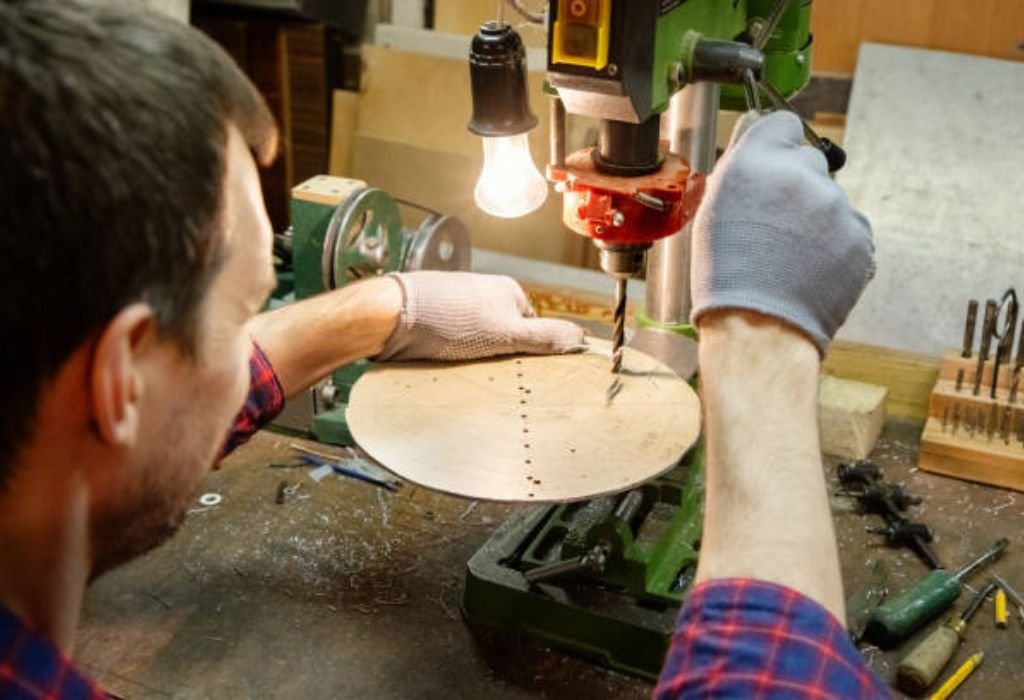
Steel drill bits are typically made from carbon steel or high-speed steel (HSS). Each type behaves differently when used on wood. Understanding these differences helps you choose the right one for the job.
Low-carbon steel bits are inexpensive and best for soft materials. However, they dull quickly when used on hardwood or thick boards. They’re not designed for prolonged use in dense material.
High-speed steel (HSS) bits are more durable and heat-resistant. They can handle both wood and metal if used properly. These are ideal for multi-purpose drilling and common in most household toolkits.
Steel bits come in various coatings — titanium, cobalt, or black oxide — each enhancing performance. For wood, coatings aren’t crucial, but they can reduce friction and extend tool life.
The key to using steel bits successfully on wood lies in sharpness and speed control. Dull or overheated bits can burn the surface or create uneven edges.
Once you understand the type and coating of your steel bit, you can use it confidently for light to medium woodwork.
Can You Use Steel Drill Bits on Wood?
Yes, you can use steel drill bits on wood — but with conditions. Steel bits, especially high-speed ones, work well for most wood types if used correctly. However, they may not produce the cleanest results compared to wood-specific bits.
Wood is softer than metal, so steel bits cut through it easily. The challenge is maintaining sharpness and preventing overheating. Steel dulls faster on fibrous surfaces like oak or maple.
For softwoods like pine or cedar, regular HSS bits work perfectly fine. For hardwoods, you’ll need to drill at lower speed and keep the bit cool.
The biggest concern is splintering and heat. Steel bits are designed to scrape, not slice, which can roughen the edges of wood fibers. A slower speed with steady pressure avoids this issue.
If you need perfect, smooth holes — for dowels or furniture joinery — wood bits are better. But for general DIY drilling, steel bits are perfectly acceptable.
Using steel bits isn’t about whether you can — it’s about how you do it.
Difference Between Steel and Wood Drill Bits
At first glance, all drill bits look similar, but their designs serve specific purposes. Recognizing the difference between steel and wood bits helps you avoid costly mistakes.
Wood drill bits have a pointed tip known as a brad point. This tip centers the bit and prevents wandering across the surface. The outer spurs slice the wood fibers before the center removes material, creating clean, smooth holes.
Steel or metal bits have a flat or slightly tapered tip. They’re made to grind through harder materials rather than slice them. While they can penetrate wood easily, they often tear fibers around the entry and exit.
Wood bits have wider flutes to clear sawdust efficiently. Steel bits, designed for metal shavings, can clog quickly in wood if not cleaned frequently.
In short, wood bits are specialized for precision, while steel bits prioritize versatility. Using steel on wood is fine for basic drilling, but not for fine cabinetry or joinery where precision matters.
Knowing these distinctions ensures you select the right tool for every material.
Best Types of Steel Drill Bits for Wood
Not all steel bits perform equally on wood. Choosing the right variety can improve hole quality and reduce wear on your tools.
High-Speed Steel (HSS) bits are the best general choice. They stay sharp longer and tolerate heat better than carbon steel. For wood, use polished or titanium-coated HSS bits for smooth performance.
Black oxide bits resist corrosion and reduce friction. They work well for repeated drilling in soft or medium-density woods. Their dark coating also prevents binding from resin buildup.
Cobalt steel bits are overkill for most wood jobs, but excellent for mixed materials. If you’re drilling through both metal and wood layers, cobalt is ideal for durability.
Avoid low-carbon steel bits for hardwoods. They lose sharpness quickly and can burn the surface. They’re only suited for light softwood tasks.
Choose bits with wide flutes and sharp tips. Regular cleaning between holes maintains cutting efficiency and prevents clogging.
Selecting the right steel bit is the first step toward clean, damage-free holes.
Drilling Techniques for Using Steel Bits on Wood
Technique matters just as much as tool choice. Proper drilling ensures precision, prevents tear-out, and extends the life of your bits.
Start by marking the drilling spot with a pencil or awl. This small indentation keeps the bit centered as you begin drilling.
Set your drill speed to low or medium. High speed generates friction that can burn the wood and dull your bit. Slow, steady drilling gives smoother edges.
Apply gentle, even pressure. Let the bit do the cutting — forcing it only causes splintering or overheating. If resistance increases, back the bit out slightly to clear debris.
Keep the bit clean. Wood dust can stick inside the flutes, especially in resinous woods like pine. Clearing it after every few holes prevents binding and heat buildup.
Use a backing board when drilling through the wood. This prevents splintering on the exit side, giving a professional finish.
Practicing controlled technique ensures that steel bits perform surprisingly well on wood surfaces.
Avoiding Common Mistakes
Using steel drill bits on wood seems simple, but small mistakes can quickly damage your material or tools. Avoid these pitfalls for better results.
Mistake 1: Drilling too fast. High speed causes heat buildup that burns the wood and dulls the bit. Slow drilling gives better control and cleaner holes.
Mistake 2: Using dull bits. Steel loses its edge faster on fibrous wood. Sharpen or replace bits regularly to maintain clean cuts.
Mistake 3: Skipping pilot holes. For large screws or deep holes, a pilot hole prevents splitting. Steel bits work best when guided precisely.
Mistake 4: Not cleaning the bit. Sawdust clogs flutes and increases friction. Cleaning prevents binding and overheating.
Mistake 5: Forcing the drill. Let the bit’s sharpness do the work. Forcing it only creates uneven holes or damages the surface.
Avoiding these mistakes turns an ordinary steel bit into a reliable woodworking tool.
Maintaining Steel Drill Bits After Woodwork
Proper care extends your bit’s lifespan and ensures consistent performance. Wood dust and resin can quickly wear down steel if not cleaned properly.
After drilling, wipe your bits with a soft cloth to remove debris. For sticky resin, use mineral spirits or a mild solvent. This keeps the flutes clean and prevents corrosion.
Dry the bits thoroughly. Moisture and sawdust can cause rust if left overnight. Store them in a dry, sealed container or case.
If a bit feels dull, sharpen it with a drill bit sharpener or fine file. Regular maintenance saves money and improves precision.
Check coating condition, especially on black oxide or titanium bits. If it starts wearing off, apply light oil before storage to prevent oxidation.
Routine maintenance keeps your steel bits ready for the next project, no matter the material.
When to Use Wood Bits Instead
While steel bits can handle most wood tasks, certain situations call for wood-specific bits. Knowing when to switch makes your work faster and cleaner.
Use brad-point bits when you need smooth, precise holes for joinery or furniture. Their sharp tips and spurs create professional results without splinters.
For large holes, use a spade bit or Forstner bit. They’re built to remove wood quickly while keeping edges clean.
For angle drilling or dowel alignment, wood bits provide better accuracy. Steel bits tend to wander without a sharp centering tip.
If your project involves visible surfaces, wood bits leave cleaner edges that require minimal sanding. Steel bits are better for hidden holes or rough construction.
Choosing the right bit saves time on finishing and delivers flawless craftsmanship.
Safety Tips for Drilling Wood with Steel Bits
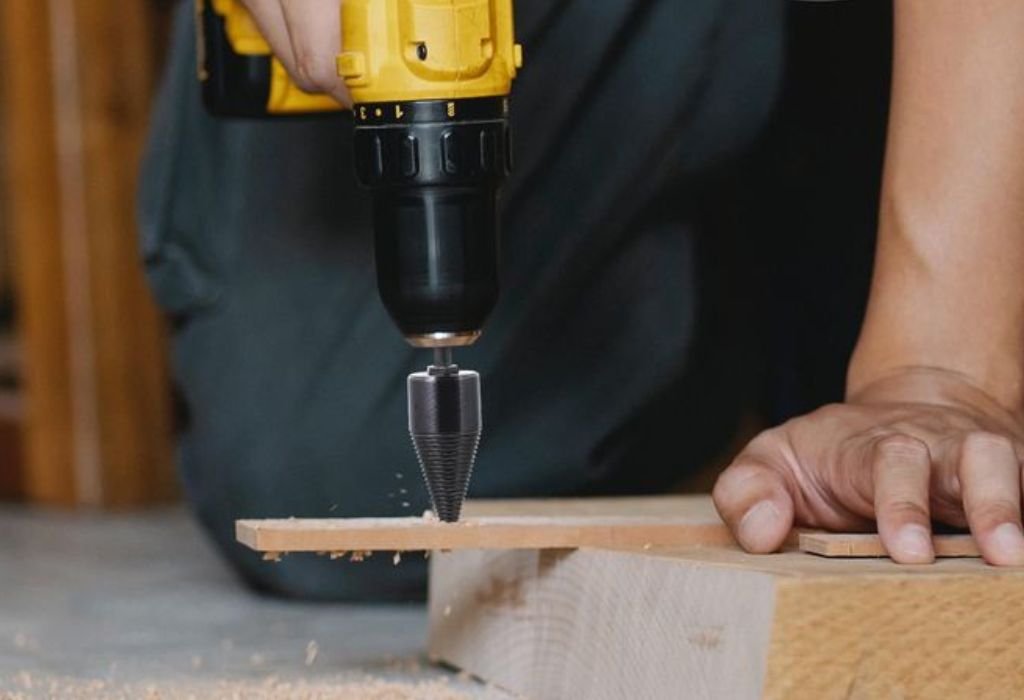
Safety is often overlooked in simple drilling tasks. Yet, using steel bits on wood generates dust, heat, and vibration that require caution.
Always wear eye protection to shield against flying chips or dust. Wood fibers can cause irritation or minor injury.
Use a mask or respirator when drilling multiple holes. Fine wood dust is harmful when inhaled over time.
Clamp your workpiece securely before drilling. Wood can shift or spin if not supported, especially with high-speed steel bits.
Avoid touching the bit immediately after drilling. Even at low speeds, friction can make steel bits extremely hot.
Unplug the drill when changing bits. This prevents accidental activation during handling.
Working carefully ensures clean holes and a safe workspace every time.
Drilling Wood with Steel Bits: Common Questions and Fixes
Can you use steel bits on wood safely?
Yes. Steel bits work well on most wood types if used at low speed with gentle pressure.
Do steel bits dull quickly on wood?
They can if used on hardwoods or at high speed. Keep them sharp and clean to extend their life.
Can steel bits burn the wood?
Yes, if drilled too fast or with too much friction. Always drill slowly and clear sawdust regularly.
What is the best steel bit type for wood?
High-speed steel (HSS) bits are the best option for drilling wood cleanly and safely.
Can I use the same bit for wood and metal?
Yes, HSS bits can handle both materials, but clean the bit between uses to prevent residue buildup.
Why do my holes look rough or splintered?
You’re likely drilling too fast or using a dull bit. Slow down and use sharp, wood-rated steel bits.
Should I use oil when drilling wood?
No. Oil attracts dust and can discolor the surface. Use dry drilling for wood materials.
Can I use a cordless drill for wood with steel bits?
Absolutely. Just maintain low speed and steady control for accuracy.
Is titanium coating necessary for wood drilling?
Not necessary, but it reduces friction and helps bits last longer.
Do I need to pre-drill when using screws in wood?
Yes. A small pilot hole prevents splitting and ensures screws go in straight.
Conclusion
You can absolutely use steel drill bits on wood, as long as you follow proper technique. The key lies in using sharp bits, low speed, and steady pressure.
Steel bits offer versatility, affordability, and easy availability. While they may not produce the same precision as wood bits, they handle most tasks efficiently.
For heavy or visible projects, switch to wood-specific bits for smoother finishes. But for general drilling, your steel bits will serve you well with a little patience and care.
Clean your bits after every use, sharpen them regularly, and drill smart. With the right approach, even a simple steel bit becomes a powerful tool for woodworking success.

I’m John F. Nicholas, the founder, lead writer, and drill enthusiast behind 101drill.com. With years of hands-on experience in power tools and DIY projects, I created this platform to share practical knowledge, expert tips, and real-world insights to help others master the art of drilling.