
You’re about to start a woodworking project — maybe building a shelf, installing wall anchors, or drilling holes for a frame. You look around, and the only bits you have are SDS drill bits.
They look strong and heavy-duty, and your rotary hammer seems powerful enough. The question hits: can you actually use SDS drill bits for wood?
It’s a common dilemma for DIYers and even professionals who switch between masonry and carpentry. SDS bits are built for hammer drills and concrete surfaces, not delicate wood fibers.
But sometimes, the temptation to “make it work” leads to cracked boards, smoking drill bits, or even damaged tools.
Before you risk your project or equipment, it’s important to understand what SDS bits are designed for and how they behave in wood. Some people claim it’s possible, while others strongly advise against it — and both are technically correct, depending on the context.
In this detailed guide, we’ll explore the science behind SDS drill bits, when you can use them on wood, and when you absolutely shouldn’t. You’ll learn safer alternatives, practical tips, and how to avoid damage while drilling.
By the end, you’ll know exactly how to handle wood drilling like a pro, with the right tools, technique, and confidence.
Understanding SDS Drill Bits and Their Purpose
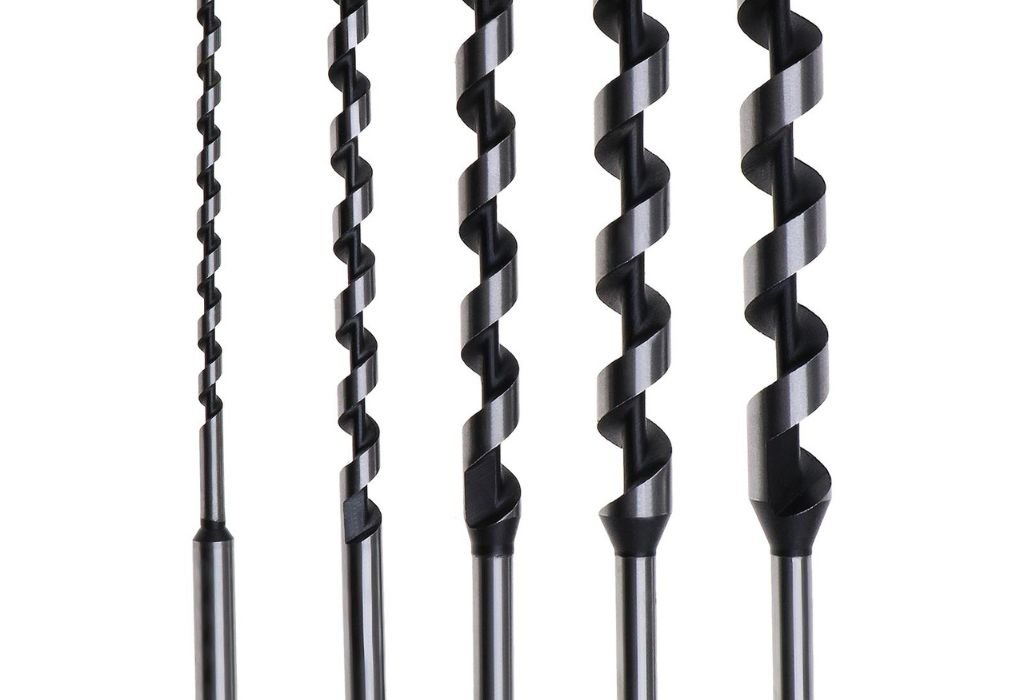
SDS stands for Slotted Drive System, a design created to make heavy-duty drilling more efficient. These bits were originally engineered for concrete, brick, and masonry — surfaces that require impact force rather than smooth cutting.
An SDS bit features slotted grooves along its shank. These slots allow the bit to slide back and forth inside the drill chuck, transferring hammering energy directly to the tip. This motion breaks hard materials faster than a regular rotary spin.
There are several types of SDS bits, including SDS-Plus, SDS-Max, and SDS-Top. Each type corresponds to different shank diameters and power levels. SDS-Plus fits smaller rotary hammers, while SDS-Max is for professional-grade drilling.
The flutes on SDS bits are deep and spiral-shaped to remove concrete dust efficiently. This helps prevent clogging when drilling into hard surfaces. However, this same design behaves very differently in wood.
While SDS bits excel in hard materials, they’re not meant for delicate fibers. The aggressive fluting can tear rather than slice, leaving splintered holes and rough edges.
Understanding this design is the key to knowing why SDS bits aren’t the ideal choice for woodworking.
How SDS Drill Bits Differ from Regular Drill Bits
At first glance, SDS and standard drill bits might look similar, but they operate in entirely different ways. The difference lies in how they cut and how they fit into the drill.
Regular drill bits, like twist bits or brad point bits, cut wood using sharp edges that slice cleanly through fibers. They rely solely on rotational speed, not impact force. This makes them ideal for smooth, precise holes.
SDS bits, on the other hand, depend on a hammering mechanism that drives the bit forward. This motion works great on concrete, which needs impact to break apart. But wood reacts differently — it compresses and tears under hammering.
Another distinction is in the shank design. SDS bits have special grooves that fit into an SDS chuck, allowing them to move freely. Standard drill bits have round or hex shanks that remain fixed.
SDS drills are also heavier and deliver much higher torque. That extra power can split wood or blow out the backside of a hole.
While both tools spin and cut, one is built for delicacy, the other for brute strength. Understanding this mechanical difference helps prevent costly mistakes in your projects.
Can You Actually Use SDS Drill Bits on Wood?
The short answer: yes, but only under specific circumstances. SDS bits can technically cut into wood, but they won’t produce clean or precise results. The design simply isn’t optimized for that material.
If you’re drilling rough holes in construction lumber — like framing or scaffolding — an SDS bit can work in a pinch. The holes won’t be perfect, but they’ll be functional.
However, for furniture, cabinetry, or fine carpentry, SDS bits are a poor choice. The hammering action causes chipping, splintering, and uneven edges. You’ll end up doing more sanding and patching than drilling.
If your rotary hammer has a rotary-only mode, you can disable the hammering function. In that setting, an SDS bit acts more like a traditional twist bit. While still not ideal, it minimizes wood damage.
You should also ensure the bit is sharp and that the drill speed is low. High-speed drilling with SDS bits in wood generates heat quickly, which can burn or smoke the surface.
So yes, SDS bits can cut through wood — but they should only be used for rough, non-decorative holes when no better option is available.
Why SDS Bits Are Designed Mainly for Masonry and Concrete
SDS bits were never intended for wood because they rely on impact energy to break materials. Wood fibers behave completely differently from masonry. Instead of cracking, they compress and tear.
Concrete is a brittle material that requires repetitive impact to shatter. The SDS system channels percussive force into the bit tip, breaking down dense particles efficiently. This design, however, creates far too much stress for softer materials like pine or oak.
The flutes on SDS bits are engineered to remove concrete dust, not wood shavings. When used on wood, these flutes can clog quickly, trapping heat inside the cut. This often results in burning or dark scorch marks.
SDS drills also spin slower but strike harder. That means less cutting precision but more brute force. The hammering action can loosen joints or crack thin boards if misused.
Manufacturers specify SDS bits for masonry, reinforced concrete, and stone for a reason. Using them on wood risks tool damage and poor workmanship.
It’s always best to match the bit to the material for smoother and safer results.
Can SDS bits drill into wood?
Yes, but the results are rough and not recommended for precision or clean cuts.
What happens if I use SDS bits on wood regularly?
It causes splintering, burning, and dulls the bit faster since wood isn’t the intended material.
Can I disable the hammer mode on my SDS drill?
Yes, switch to rotary-only mode to reduce vibration and get cleaner holes.
Do SDS bits overheat in wood?
Yes, because the flutes trap sawdust instead of ejecting it efficiently.
Is there an SDS bit made for wood?
Some manufacturers offer SDS shank wood auger bits, but they’re specialized and not common.
Risks of Using SDS Drill Bits on Wood
Using SDS drill bits on wood may seem harmless at first, but it carries several risks. The first is splintering, especially on exit holes. The impact force tears fibers outward, ruining the surface finish.
Another issue is heat buildup. Since SDS flutes aren’t optimized for removing wood chips, friction increases rapidly. Excessive heat can burn both the bit and the wood, leaving dark marks and smoke.
The hammering motion itself can also cause structural damage. Softwoods compress under pressure, while hardwoods may split along the grain. This weakens the joint or surface permanently.
SDS bits wear down faster when used on wood. The constant friction against fibrous material dulls their edges quicker than when used in concrete. Once dull, they lose effectiveness even for masonry.
Finally, safety is a concern. Overheating can cause bits to seize or slip inside the chuck, especially if debris builds up. This sudden jam can jolt the drill, increasing the risk of wrist strain or kickback.
Understanding these risks helps you decide when it’s worth improvising and when it’s better to use a proper wood bit.
When It’s Acceptable to Use SDS Bits on Wood
While not ideal, there are certain cases where SDS bits can be used on wood safely. These situations usually involve rough or temporary work where precision isn’t critical.
If you’re drilling through stud walls or subfloors to pass pipes or cables, an SDS bit can do the job quickly. The resulting hole doesn’t need to be visually perfect.
SDS auger bits — designed specifically with wood-cutting edges — are another exception. These bits have specialized tips that cut wood cleanly while using the SDS shank for stability.
When working outdoors, like drilling into wooden fences or posts, SDS bits can be convenient if you already have a rotary hammer on hand. Just make sure to disable the hammer mode to reduce vibration.
You can also use SDS bits on treated or wet wood, where standard bits might slip. The aggressive cutting action helps penetrate moisture-heavy material.
These cases are rare but practical. If you follow correct technique — low speed, rotary-only mode, and sharp bits — SDS bits can get you through simple wooden surfaces without major damage.
Best Alternatives to SDS Drill Bits for Wood Projects
If your goal is smooth, accurate holes, several types of drill bits outperform SDS bits on wood. Each is designed for specific hole sizes and finishes.
Brad point bits are perfect for small, clean holes. Their sharp center tip keeps them steady while cutting clean edges through both soft and hardwood.
For larger holes, use spade bits or auger bits. Spade bits are great for fast drilling, while auger bits remove wood chips efficiently without overheating.
Forstner bits produce flat-bottom holes, ideal for joinery or hidden hardware. They cut precisely and leave smooth walls without tearing fibers.
If you’re drilling very large holes (over 2 inches), a hole saw works best. It creates perfect circular cuts with minimal splintering.
For those who own SDS drills, consider SDS wood auger bits. These specialized bits combine SDS shanks with wood-cutting tips, giving you the power of an SDS drill with the clean results of a standard bit.
Choosing the right bit saves time, prevents tool wear, and delivers professional-quality results on every woodworking project.
What’s the best drill bit for wood?
Brad point bits or auger bits work best for clean and accurate results.
Can I buy SDS bits made for wood?
Yes, SDS wood auger bits are available but cost more than regular wood bits.
Do spade bits fit in SDS drills?
Not directly; you’ll need an SDS-to-chuck adapter to use them.
What’s better for hardwood — Forstner or spade bits?
Forstner bits give cleaner edges and greater control in dense wood.
Can I use a regular drill instead of an SDS drill?
Yes, standard drills are ideal for wood because they don’t use impact force.
How to Drill Wood Safely Without Damaging Material
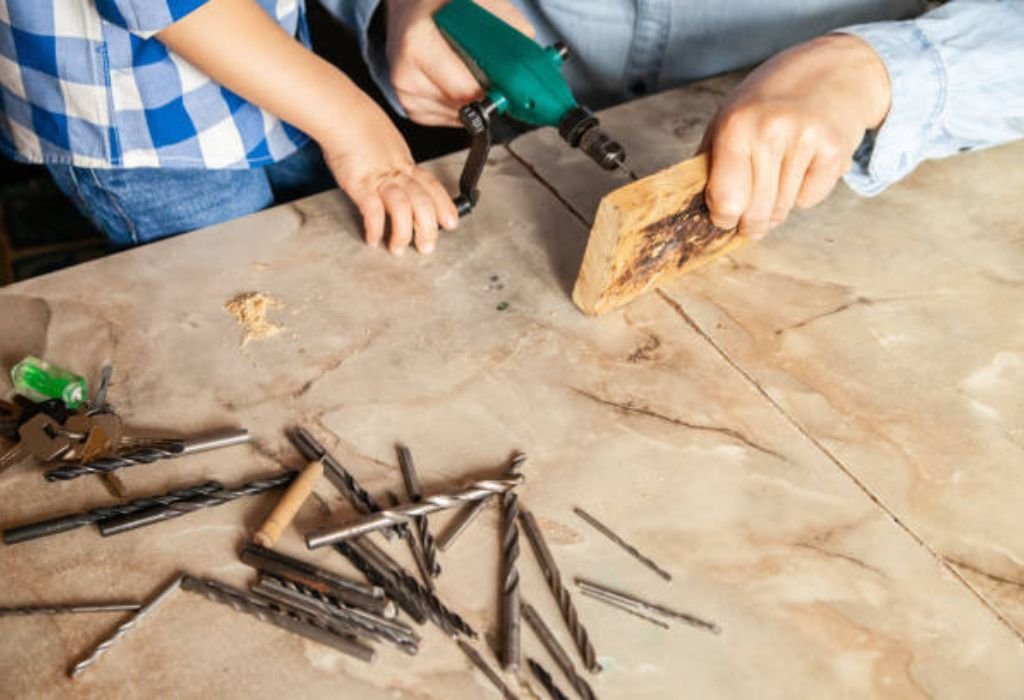
Drilling wood safely requires patience, control, and the right setup. Begin by marking your drill points with a pencil or center punch. This prevents the bit from slipping at the start.
Clamp the wood firmly before drilling. Movement during drilling is a major cause of splintered edges and off-center holes.
Set your drill to medium speed. High RPMs generate unnecessary friction, while low speed gives better cutting control.
If drilling deep holes, back the bit out periodically to clear sawdust. This prevents clogging and overheating.
For smoother exits, place a scrap board beneath your workpiece. It supports the fibers and prevents tear-out when the bit breaks through.
Finally, inspect your bits regularly. Sharp edges cut cleanly; dull bits crush and burn wood. Proper maintenance ensures safety and consistent quality.
Following these steps keeps your wood intact and your drilling process efficient.
Maintenance Tips for Drill Bits and Tools
Good maintenance extends the life of your tools and guarantees reliable performance. Always clean bits after use. Wood dust and resin can harden on the surface, dulling the edges over time.
Store bits in a dry, organized case. Moisture leads to rust, which weakens the steel. Use silica gel packs in your toolbox to absorb humidity.
Sharpen your drill bits when you notice slower cutting or smoking wood. A simple file or sharpening stone can restore the edge.
Lubricate moving parts of your drill occasionally. Light machine oil keeps gears and bearings running smoothly.
Avoid mixing bits between materials. Once used on concrete, don’t reuse them for wood — microscopic abrasions can affect sharpness and accuracy.
Proper care ensures your bits stay sharper, cut faster, and last much longer. It’s a small habit that saves big money in the long run.
Conclusion
So, can you use SDS drill bits for wood? Technically yes — but only when precision isn’t a priority. SDS bits are designed for power and impact, not finesse or smooth finishes.
If you’re drilling rough holes in framing lumber or outdoor posts, they’ll do fine. But for furniture, cabinetry, or delicate work, stick to wood-specific bits. The difference in cleanliness and accuracy is night and day.
By understanding how SDS bits work and when to use them, you protect both your tools and your materials. The right bit not only makes the job easier but also delivers professional, lasting results in every project.

I’m John F. Nicholas, the founder, lead writer, and drill enthusiast behind 101drill.com. With years of hands-on experience in power tools and DIY projects, I created this platform to share practical knowledge, expert tips, and real-world insights to help others master the art of drilling.