
You reach for your step drill bit, commonly known for metalwork, and wonder if it can handle wood just as effectively. The bit looks tough and precise, with tapered steps that seem ideal for different hole sizes.
But once you start drilling, the wood starts to smoke or splinter — leaving you questioning whether it was the right choice.
Step drill bits are designed primarily for sheet metal, plastic, and thin materials, but they can still work well on wood if used properly. The key lies in understanding how the bit’s stepped design interacts with wood fibers and how to control speed, pressure, and temperature.
This complete guide explains how to use a step drill bit safely on wood, the types of wood it performs best on, and techniques to avoid chipping, burning, or uneven holes. Whether you’re building furniture, crafting, or working on a DIY repair, this will help you use step bits efficiently without damaging your material.
What Is a Step Drill Bit and How It Works
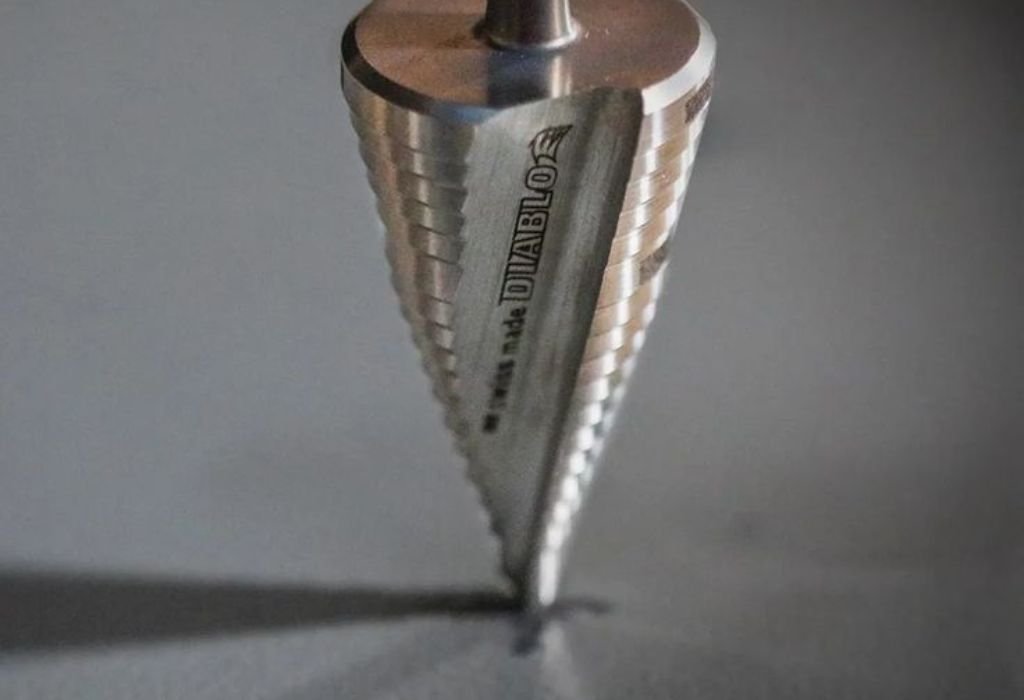
A step drill bit has a cone-shaped design with multiple diameter “steps” along its body. Each step gradually increases in size, allowing you to drill holes of different diameters without changing bits. This makes it an incredibly versatile tool for projects requiring multiple hole sizes.
These bits are typically made of high-speed steel (HSS) or titanium-coated steel, giving them superior strength and heat resistance. The stepped structure helps remove material layer by layer, reducing stress on the workpiece.
In metalworking, this design prevents tearing thin sheets. In wood, it can create progressively wider holes, but without careful technique, it may grab too aggressively or burn the surface.
The tip of a step drill bit is self-centering, meaning it doesn’t wander easily. That’s helpful for precision drilling in wood surfaces where exact alignment is important.
However, since step bits lack deep flutes for chip removal, they can struggle with thick hardwoods. They work best for thinner wooden panels, softwoods, or plywood, where material removal is minimal.
Understanding this design difference is crucial before using step bits on wood — it determines how cleanly and safely your holes will turn out.
Can You Use a Step Drill Bit on Wood?
Yes, you can use a step drill bit on wood, but it’s important to manage expectations and technique. Step bits work best on thin wood sheets, laminates, or softwoods rather than dense hardwood. The design allows gradual cutting but not deep chip evacuation.
Because step bits have short cutting edges, they may clog quickly when drilling deep holes in thick boards. This can generate heat and cause burn marks or even smoke. Keeping speed low and withdrawing frequently prevents overheating.
When drilling thin plywood or cabinet backboards, step bits perform beautifully. The gradual cutting motion prevents splintering, especially when starting small and expanding gradually.
For woodworking, it’s best to use a titanium or cobalt-coated step drill bit since they resist wear and produce smoother cuts. Always drill at medium torque with moderate speed to balance chip removal and control.
If your project involves repeated holes of various diameters, step bits save enormous time. You can switch between hole sizes instantly without swapping bits — an advantage during production or assembly work.
So yes, step bits can handle wood — but only if you respect their limits and adjust your technique accordingly.
Advantages of Using Step Drill Bits on Wood
Step drill bits bring surprising benefits to woodworking when used correctly. The gradual cutting action ensures less vibration, leading to cleaner and rounder holes.
They’re especially effective on thin wood panels, veneers, or laminates, where traditional bits tend to splinter edges. The smooth transition between steps minimizes tearing and supports the wood fibers instead of ripping them.
For tasks that require multiple hole diameters, such as installing grommets or fitting wiring, one step bit can replace several standard bits. This saves setup time and keeps your workspace efficient.
The self-centering tip ensures accuracy even on slippery surfaces. Unlike spade bits or auger bits, step bits rarely drift or “walk” from the marked point.
Additionally, their titanium or cobalt coating offers longer lifespan and cooler cutting. Less friction means cleaner holes and less risk of burn marks on light-colored wood.
Finally, step bits produce less kickback compared to spade bits, making them safer for handheld drills when precision matters most.
Is it safe to use a step drill bit on hardwood?
Yes, but only for shallow holes. Hardwoods generate more friction, so keep speed low and use light pressure.
Can step drill bits cut through plywood cleanly?
Absolutely. Their gradual cutting design reduces splintering and creates smooth edges.
Do step bits work on thick wood blocks?
They can, but performance drops beyond 1/2 inch thickness since chip removal becomes difficult.
Will using step bits damage my drill?
No, as long as you use proper torque settings and avoid overheating during extended drilling.
Should I pre-drill before using a step bit?
A small pilot hole helps guide the step bit and reduces surface chipping for better accuracy.
Proper Technique for Using Step Drill Bits on Wood
Before drilling, mark your hole’s center clearly and clamp the wood securely to prevent movement. Step bits require stability for clean, concentric cuts.
Begin drilling at low speed. Step bits remove small layers of wood per step, and too much speed can burn or glaze the surface. Keep steady pressure, letting the bit do the work.
For deep or multiple holes, pause every few seconds to let the bit cool and clear sawdust. The shallow flutes can clog easily if you rush the process.
Always start with smaller steps and gradually expand to your desired diameter. The progressive design prevents sudden grabs that can tear wood fibers.
Avoid using impact drills or hammer settings — these can fracture delicate steps or cause uneven holes. Use a regular cordless or corded drill with a steady grip.
To prevent tear-out, place scrap wood underneath your workpiece. This supports the bottom fibers as the bit exits, ensuring a clean breakthrough.
When finished, run the bit at low speed to clear dust before withdrawing. This leaves the interior smooth and free from burrs.
Common Mistakes to Avoid
Using step bits on wood isn’t difficult, but small errors can ruin the surface or dull the bit. One of the biggest mistakes is using excessive speed. Fast rotation burns the bit’s coating and scorches the wood around the hole.
Avoid applying heavy downward force. Step bits are designed for gradual material removal, not aggressive drilling. Too much pressure causes chatter and uneven steps.
Skipping lubrication or cooling is another common issue. Although not always necessary, light wax or soap on the bit can reduce heat during long sessions.
Never use step bits on wet or resinous wood. Moisture clogs flutes and accelerates rust formation on the bit’s edges. Always ensure the workpiece is dry.
Improper clamping also leads to wobbling and off-centered holes. Secure both the wood and the drill before starting to maintain alignment.
Lastly, don’t try to resharpen step bits by hand unless you have experience. Incorrect grinding angles ruin the step geometry, making the bit unusable.
By avoiding these mistakes, your step drill bit will perform smoothly on wood for years.
Why does my step drill bit smoke when used on wood?
It’s overheating due to high speed or poor chip removal — reduce RPMs and clear sawdust often.
Can I drill multiple holes quickly with a step bit?
Yes, but allow brief pauses between holes to prevent heat buildup and maintain sharpness.
Why are my holes uneven?
The wood might be moving during drilling — always clamp it securely for perfect alignment.
Can step bits replace Forstner bits in woodworking?
Not completely. Forstner bits make flat-bottom holes, while step bits are for tapered, through holes.
Should I use oil while drilling wood?
Not required, but beeswax or bar soap can help cool the bit and reduce friction.
Best Materials and Projects for Step Drill Bits
Step bits are perfect for specific woodworking situations where speed and flexibility matter more than depth. They excel in thin plywood, MDF, particleboard, or laminated wood.
If you’re crafting cabinets or installing wiring through furniture panels, step bits save setup time and ensure smooth, precise openings. They also work well for DIY projects like cutting holes for cables, fixtures, and vents.
In model building or crafting, where fine control is essential, the gradual diameter change allows careful adjustment. You can stop at any step size without swapping bits.
Their versatility also makes them popular in hybrid projects involving both metal and wood components. One bit can drill pilot holes in steel brackets and wood boards alike.
However, they’re not ideal for joinery or structural carpentry where deep holes are required. For those, standard wood bits or augers remain more efficient.
In general, step bits are best suited for finishing work, fixture installations, or precision drilling in thin, stable materials.
Maintaining and Cleaning Step Drill Bits
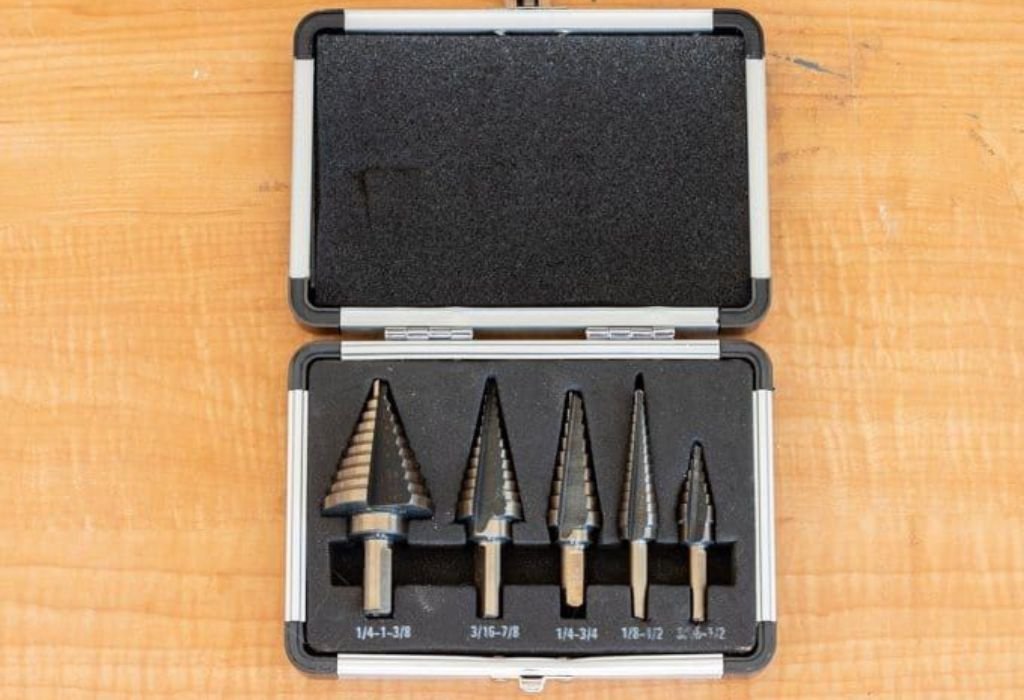
Proper maintenance keeps step bits effective for years. After each use, wipe away sawdust and resin using a soft cloth. Resin buildup increases friction and dulls the cutting edges.
Inspect the steps regularly for wear or discoloration. A dark blue tint indicates overheating — reduce drill speed next time.
If sawdust hardens on the bit, soak it in warm soapy water or use a mild degreaser. Avoid abrasive brushes that can scratch the coating.
Lightly oil the bit before storing it to prevent rust. Titanium and cobalt coatings resist corrosion, but added protection extends lifespan.
Always store bits upright in a protective case. Contact with other tools can chip their sharp edges or deform the smaller steps.
If you notice reduced performance, resharpen using a fine grinder or take it to a sharpening service specializing in stepped profiles.
With proper care, one good step bit can serve hundreds of woodworking projects without losing efficiency.
Safety Precautions When Using Step Bits
Safety always comes first when drilling wood. Step bits can grab unexpectedly if mishandled, especially at higher speeds.
Wear safety glasses to protect your eyes from wood dust and chips. Gloves aren’t necessary and may catch in rotating parts.
Clamp your workpiece tightly and keep your hands clear of the drilling zone. Sudden kickback can happen when steps engage too fast.
Use low to medium speeds — never maximum RPM — to maintain control. Over-speeding is the main cause of accidents and burns.
Ensure your drill’s chuck holds the bit firmly. Loose bits can wobble and cause jagged holes or breakage.
After drilling, let the bit cool before touching it. The coating retains heat longer than standard steel bits.
Working patiently, with awareness and proper protection, ensures safe, accurate, and stress-free drilling.
Conclusion
So, can you use a step drill bit on wood? Yes — with the right approach, you absolutely can. While step bits were originally designed for metal, their smooth, layered cutting style makes them surprisingly effective on thin wood, plywood, and softwoods.
To get the best results, drill slowly, clear chips frequently, and use backing boards to prevent splintering. Avoid forcing the bit or drilling deep into hardwoods. When maintained properly, step drill bits can become a versatile addition to any woodworker’s toolkit.
They won’t replace specialized wood bits entirely, but for clean, efficient holes of varying sizes, step drill bits deliver excellent precision and convenience. Use them wisely, and you’ll enjoy smooth, burn-free results in every project.

I’m John F. Nicholas, the founder, lead writer, and drill enthusiast behind 101drill.com. With years of hands-on experience in power tools and DIY projects, I created this platform to share practical knowledge, expert tips, and real-world insights to help others master the art of drilling.