
You’ve got a hammer drill ready and a piece of wood in front of you. Maybe it’s the only drill available, or you’re just wondering whether it can do double duty. Then the question hits — can a hammer drill be used on wood without ruining it?
At first glance, a hammer drill looks just like a regular one, but it’s built for concrete, brick, and masonry. It delivers both rotational and percussive action, allowing it to punch through hard materials.
Wood, however, behaves differently. It’s soft, fibrous, and can easily splinter or burn if drilled improperly.
So yes, you can use a hammer drill on wood, but only if you know how to disable the hammering function and use the right bit and speed.
This guide explains everything — when to use it, how to adjust the settings, and how to drill clean, smooth holes without damaging the wood.
How a Hammer Drill Works
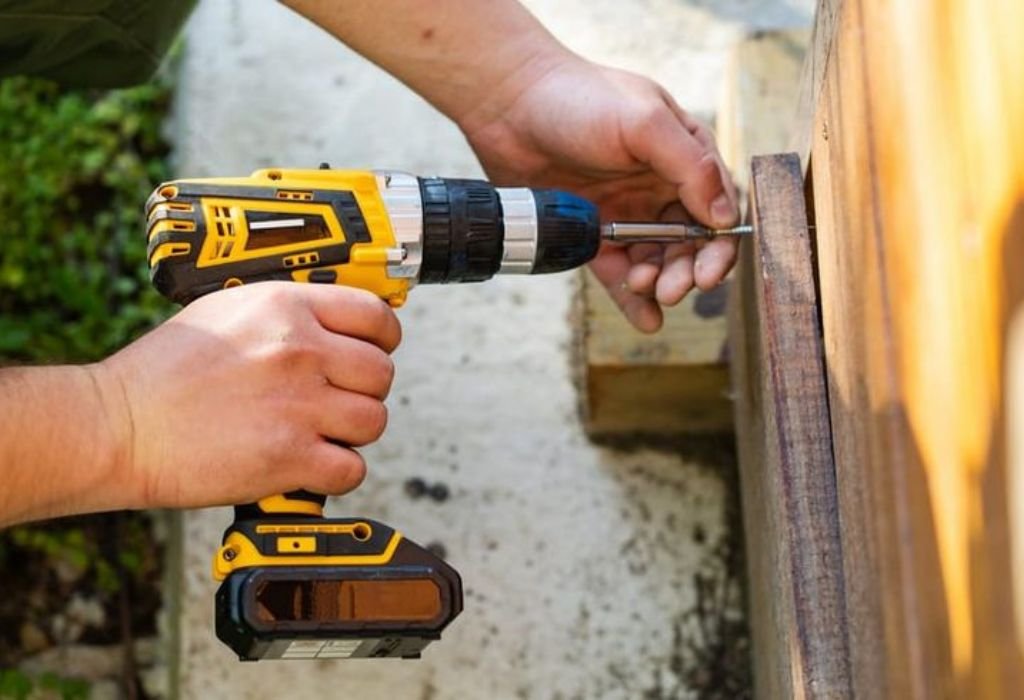
A hammer drill combines two types of motion — rotation and percussion. While spinning like a regular drill, it simultaneously moves the bit back and forth in a rapid hammering motion.
This pulsing effect helps the bit break through dense materials such as concrete or stone. It’s measured in BPM (blows per minute) and can reach thousands of impacts per second.
When used on masonry, this makes drilling easier and faster. But when applied to wood, that same percussive force can crush fibers, splinter surfaces, and make the hole uneven.
That’s why most hammer drills come with a mode selector switch — you can switch between hammer + drill mode and drill-only mode.
For wood, always use the drill-only mode to avoid internal damage. The hammer setting should only be activated for hard materials that resist standard drilling.
Understanding this difference ensures you use your tool effectively for both tasks without unnecessary wear or wood damage.
When You Can Use a Hammer Drill on Wood
You can safely use a hammer drill on wood if it offers a standard rotation-only mode and you’ve switched the hammer action off.
Modern hammer drills function like two tools in one. In drill mode, they behave exactly like a traditional power drill — spinning the bit smoothly for accurate cuts.
This makes them great for woodworking tasks such as drilling pilot holes, driving screws, or making dowel holes.
You can also use them for softwoods, plywood, particleboard, and even hardwoods, as long as you manage speed and pressure correctly.
However, if your drill doesn’t have a selectable mode switch and the hammer function is always active, do not use it on wood. It will damage both the surface and your drill bits.
In short: yes, a hammer drill can be used on wood — but only in drill-only mode.
Best Drill Bits for Using a Hammer Drill on Wood
Choosing the right bit is critical for clean holes and tool longevity.
For general woodworking, brad-point bits are the top choice. Their sharp center tip keeps the bit steady and prevents wandering.
Spade bits work well for larger, rough holes, such as when running wiring through studs. They cut fast but can leave splintered edges, so use moderate speed.
For smooth, precise, flat-bottom holes, go with Forstner bits. They excel in cabinetry and furniture work.
Avoid masonry bits when drilling into wood — they’re designed for concrete and will tear fibers instead of cutting them cleanly.
If you’re switching frequently between materials, label your bits separately to avoid mixing them up. Using the wrong one dulls edges and ruins accuracy.
A sharp, high-quality wood bit ensures that your hammer drill performs like a standard wood drill.
Correct Speed and Pressure for Drilling Wood
Speed and pressure control determine how cleanly your drill cuts.
Wood requires moderate speed and light, steady pressure. Too much speed can cause friction and burn marks, while too much pressure can crack or split the surface.
Start slow to position the bit accurately. Once it bites into the wood, increase speed gradually, keeping the drill perpendicular to the surface.
For softwoods, speeds between 1,500–2,000 RPM work best. For dense hardwoods, keep it closer to 1,000–1,200 RPM to prevent overheating.
Let the drill do the work — forcing it only wears down the bit and motor.
If you notice smoke or burning odor, pause immediately and allow the bit to cool. Maintaining consistent speed and pressure ensures precise, professional results every time.
Avoiding Damage When Using a Hammer Drill on Wood
Using a hammer drill on wood can go wrong quickly without the right precautions.
First, double-check that the hammer function is turned off. Accidentally drilling with it on can splinter the surface instantly.
Next, secure your workpiece firmly with clamps to prevent movement. Even small vibrations can enlarge or misalign the hole.
Always use a backing board under thin wood to prevent tear-out as the bit exits the other side.
Avoid pressing too hard. Hammer drills are heavier than standard ones, so let the weight of the tool assist naturally instead of forcing it.
Finally, keep your bits sharp and clean. Dull bits overheat, tear fibers, and create uneven holes.
With careful handling, you can achieve clean, smooth holes using a hammer drill without damaging your woodwork.
Safety Precautions You Should Follow
Using a hammer drill on wood can be completely safe when handled with proper care and awareness. Always start by wearing safety goggles to shield your eyes from flying wood chips and sawdust.
Gloves with a firm grip can protect your hands, but avoid loose ones that might get caught in the drill’s rotating parts. Keep long hair tied back and avoid loose clothing near the spinning chuck.
Before drilling, ensure the hammer function is turned off and the correct bit is securely tightened in the chuck.
A loose bit can vibrate or slip, leading to inaccurate holes or potential injury. Clamp the wood piece firmly to prevent movement, and never hold it by hand while drilling.
Maintain a comfortable stance and hold the drill with both hands for full control. If drilling for a long time, pause occasionally to let the bit cool and clear dust from the hole.
Unplug the drill or remove the battery whenever changing bits or adjusting settings. Finally, work in a well-lit, ventilated area and keep your workspace free of clutter.
Following these simple yet crucial precautions keeps your work safe, your results clean, and your tools lasting longer.
Advantages of Using a Hammer Drill on Wood
Despite its name, a hammer drill offers several advantages for woodworking when used correctly.
It’s generally more powerful than a standard drill, making it ideal for hardwoods or thick lumber.
The torque output is usually higher, which allows for faster drilling with less effort.
Many hammer drills also include variable speed control, giving flexibility for both wood and concrete tasks in a single tool.
This makes them an excellent choice for homeowners or professionals who want one multi-purpose drill for mixed projects.
With the hammer mode disabled, it behaves exactly like a normal drill but retains its extra strength when needed.
That versatility is what makes hammer drills a reliable choice even in woodworking shops.
Common Mistakes to Avoid
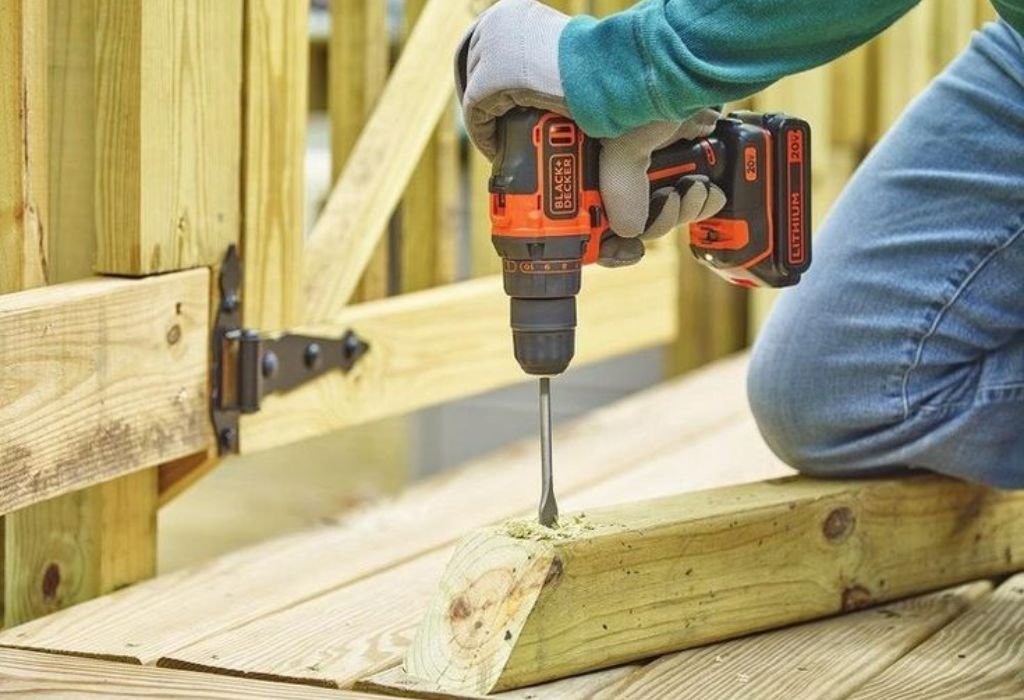
Many beginners make small mistakes that lead to poor results or tool wear.
One of the most common is forgetting to switch off hammer mode. The percussive motion tears wood fibers and can ruin bits instantly.
Another mistake is using masonry bits on wood. They don’t cut cleanly and generate unnecessary heat.
Avoid using maximum speed continuously — this overheats the bit and burns the wood surface.
Failing to clear chips during drilling can clog the hole, increasing friction and causing rough finishes.
Also, never drill freehand without clamping your material. Movement causes crooked holes and possible kickback.
Correcting these simple habits makes drilling safer, cleaner, and more efficient every time.
Frequently Asked Questions About-can a hammer drill be used on wood
Can a hammer drill be used on wood?
Yes, but only in drill-only mode with the hammer function turned off.
Will the hammer action damage wood?
Yes, the percussive force splinters fibers and ruins the surface.
Can I drill through hardwood using a hammer drill?
Yes, use slow speed and a sharp brad-point or twist bit.
What drill bit is best for wood?
Brad-point, Forstner, or spade bits are best for wood projects.
Can I drive screws into wood using a hammer drill?
Yes, if it has a screw-driving mode and variable speed control.
Do I need a pilot hole before drilling large holes?
For clean results, yes. It helps guide the larger bit accurately.
Is a hammer drill too powerful for softwood?
Not if you manage speed carefully and avoid hammer mode.
Can I use a hammer drill to sand wood?
Not recommended. Use a drill with sanding attachments instead.
What speed setting should I use?
Low to medium speed is ideal for most wood drilling tasks.
Why does my wood burn while drilling?
You’re using too much speed or pressure — reduce both immediately.
Should I lubricate the bit when drilling wood?
Generally no, but a small amount of wax helps on hardwoods.
Can I use a hammer drill on plywood?
Yes, at slow speed with the hammer function disabled.
What is the benefit of variable speed in hammer drills?
It lets you control torque and precision across materials.
Can I make pilot holes for screws using a hammer drill?
Yes, as long as you’re in standard drill mode.
Does a hammer drill replace a regular drill?
Yes, in most cases — when hammer mode is off, it performs the same.
Conclusion
A hammer drill can absolutely be used on wood, provided you use it in drill-only mode and follow proper technique.
The key lies in turning off the hammer function, choosing the correct bit, and maintaining moderate speed and pressure. When handled properly, it behaves just like a standard drill — powerful, precise, and efficient.
Always clamp your work, keep bits sharp, and inspect your results often. These habits prevent tear-out, burning, and uneven holes.
Whether you’re drilling hardwood furniture, plywood sheets, or simple framing, a hammer drill can be your go-to multi-purpose tool.
By combining power with control, it delivers clean holes and strong performance for both wood and masonry projects alike.
So yes — with the right setup, a hammer drill is perfectly capable of drilling wood safely and smoothly.

I’m John F. Nicholas, the founder, lead writer, and drill enthusiast behind 101drill.com. With years of hands-on experience in power tools and DIY projects, I created this platform to share practical knowledge, expert tips, and real-world insights to help others master the art of drilling.