
You hold a compact 12V drill in your hand, doubting its power as you face a piece of hardwood. The drill feels light, convenient, and easy to handle, yet you wonder whether it can bore through wood effectively.
Surprisingly, this small tool can perform better than expected when used with the right bit, speed, and pressure.
For DIYers, carpenters, and home renovators, the 12V drill has become a favorite. It balances comfort, battery life, and enough torque for most light-to-medium wood projects.
Whether you’re hanging shelves, building furniture, or framing, a 12V drill can drive screws and create smooth holes efficiently.
Many people assume that higher voltage means better results, but that’s not always true. Precision, torque control, and steady drilling technique often matter more than raw power.
This guide will explain exactly what a 12V drill can do in wood, which bits to use, the right drilling methods, and how to get professional results every time.
By the end, you’ll realize that when used correctly, a 12V drill can handle almost any wood surface with confidence and precision.
Understanding 12V Drill Power and Torque
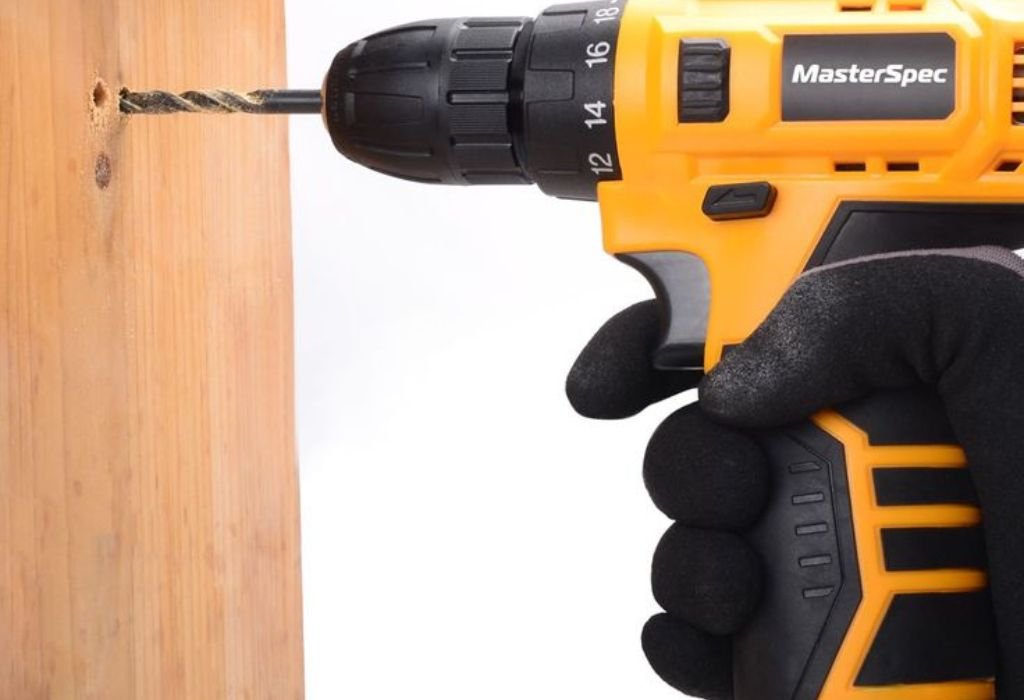
Voltage defines the potential power of a drill’s motor. A 12V drill typically delivers around 20–35 Nm of torque, which is more than enough for wood projects.
Torque controls how forcefully the bit spins, while speed determines how cleanly it cuts. Together, they decide how efficiently the drill penetrates different materials.
Modern 12V drills feature variable-speed triggers that allow you to adjust power smoothly. They’re perfect for delicate work like cabinetry, paneling, or drilling pilot holes.
Most come with a two-speed gearbox — low speed for torque-heavy drilling, and high speed for fast screwdriving.
Light weight and balance make 12V drills easy to handle for long sessions. Their compact design fits tight corners and overhead spaces, making them ideal for woodworking inside cabinets, furniture frames, and trim work. The key is to let the drill’s torque do the work instead of forcing it through the surface.
Understanding torque and speed balance ensures your 12V drill performs beyond expectations in any wood project.
Can a 12V Drill Really Go Through Wood?
Yes, a 12V drill can easily go through wood of nearly any density. The success depends on using sharp, high-quality bits and proper speed control. A small drill’s power becomes impressive when paired with the right technique.
Softwoods like pine, cedar, or spruce require minimal effort. Even hardwoods such as oak or maple can be drilled smoothly if you use brad-point bits or spade bits designed for wood fibers. Always start with a pilot hole when working on dense material to reduce strain on both motor and bit.
Keep your drill battery fully charged. Low battery voltage reduces torque output, which may stall the bit or scorch the surface. A steady, moderate speed gives the cleanest results.
Can a 12V drill go through hardwood?
Yes, just use sharp bits and drill slowly.
Can it drill large holes?
Yes, step drilling helps prevent overheating and strain.
Will it work on plywood or MDF?
Yes, it performs perfectly on layered woods.
Does it struggle on oak?
Not if you use brad-point bits and steady pressure.
Can it drill multiple boards at once?
Yes, if clamped securely to avoid shifting.
Best Drill Bits to Use with a 12V Drill for Wood
Selecting the right bit determines whether your 12V drill performs smoothly or struggles. Brad-point bits are perfect for clean, accurate holes because their sharp tip keeps the bit centered. Spade bits handle large holes, while auger bits cut deep into thick timber with minimal effort.
For softer woods, lightweight brad-point bits remove material quickly. For hardwoods, use high-speed steel bits with polished flutes to reduce friction. Avoid using bits designed for metal or masonry; they grind rather than slice, which causes burns and splinters.
Keep your bits sharp and free of resin buildup. Dull bits increase heat and strain the drill’s motor. After drilling, clean bits with a dry cloth and store them in labeled boxes for easy access.
A good set of sharp bits is the best companion for a compact 12V drill, ensuring precise holes and longer tool life.
Techniques for Drilling Wood with a 12V Drill
Technique transforms a small drill into a professional tool. Begin by marking the center of your hole with a nail or punch to prevent bit wandering. Always clamp your workpiece firmly so it doesn’t move under pressure.
Start drilling at low speed until the bit bites the surface. Once stable, increase speed gradually to cut through fibers smoothly. Avoid pressing too hard — let torque and bit sharpness do the work.
Clear sawdust frequently by lifting the bit slightly every few seconds. This prevents clogging, overheating, and rough edges. For deep holes, drill halfway through, flip the wood, and finish from the opposite side to avoid tear-out.
Keep your drill perpendicular to the surface unless an angle is required. For precise angled holes, use a guide or jig. Steady control always produces cleaner results.
Drilling Through Different Wood Types
Wood varies widely in texture and density. Understanding how each reacts to a 12V drill helps you plan better.
Softwoods like pine or fir are easy to drill. You can use high speed and moderate pressure without stressing the tool. Hardwoods such as walnut or cherry are denser, requiring slower speeds and sharper bits.
Plywood, MDF, and particle board demand care. Their layered construction can chip easily, so apply light pressure and use backing boards. Masking tape over the entry point also prevents splintering.
Can a 12V drill work on pressure-treated wood?
Yes, but clean bits afterward to remove chemicals.
Will it drill through bamboo?
Yes, use slow speed and sharp bits.
Does moisture affect drilling?
Yes, wet wood clogs bits and overheats the motor.
Can I drill painted wood?
Yes, but scrape off paint before drilling for accuracy.
Is composite decking easy to drill?
Yes, just avoid high speed to prevent melting the surface.
Each wood type demands its own rhythm, but a 12V drill can handle them all with the right setup.
Common Mistakes When Using a 12V Drill on Wood
One of the biggest mistakes is pressing too hard. Excess pressure can stall the motor, damage bits, and tear the wood. Instead, maintain gentle, even force and let the drill work naturally.
Running the drill at maximum speed from the start is another error. Begin slowly to allow the bit to establish grip before increasing speed. High speed too early leads to splintering and overheating.
Using dull or wrong bits also reduces efficiency. Replace worn bits regularly to keep drilling smooth.
Why is smoke coming from the hole?
You’re drilling too fast or with a dull bit.
Why does the drill stop spinning?
Battery torque is low — recharge or lower clutch setting.
Can I use impact mode?
No, it damages wood fibers.
Should I drill pilot holes first?
Yes, especially for hardwoods or large screws.
Why is the bit wobbling?
Check that the chuck is tightened properly.
Avoiding these mistakes makes drilling smoother, faster, and safer.
How to Maximize Battery Efficiency on a 12V Drill
Battery health directly affects performance. Start with a fully charged battery and avoid depleting it completely. Lithium-ion batteries prefer partial cycles — frequent recharges keep them healthy.
Use the proper gear setting for your task. Lower speed consumes less energy and produces more torque for drilling. High speed should be reserved for driving screws or light drilling in softwood.
Store batteries at room temperature. Avoid leaving them in extreme cold or heat, as both reduce efficiency and lifespan. Clean battery contacts regularly with a dry cloth to ensure steady power flow.
Should I store batteries fully charged?
No, around 60 percent charge is ideal for storage.
Can I charge overnight?
Yes, but disconnect once charged to prevent heat buildup.
Why does battery life drop quickly?
Cold weather or overuse shortens runtime.
Can I use third-party chargers?
Avoid them; use manufacturer-approved ones.
Should I swap batteries during long projects?
Yes, alternating prevents overheating and ensures steady torque.
Efficient battery care ensures your 12V drill remains reliable across hundreds of wood projects.
Safety Tips for Drilling Through Wood
Safety builds confidence. Always wear eye protection to block flying chips and sawdust. Gloves add grip, but ensure they fit snugly to avoid catching in moving parts.
Secure your workpiece with clamps before starting. Freehand drilling often leads to slipping and uneven holes. Keep both hands on the drill for balance and control.
Never wear loose clothing, watches, or jewelry. Maintain moderate speed to prevent overheating and kickback. When the bit binds, stop immediately, reverse slightly, and clear debris.
Disconnect the battery when changing bits or adjusting accessories. A second of precaution prevents injury. Keep your workspace clean — dust near cords or battery packs can cause overheating or fire hazards.
Safe habits make drilling smooth, efficient, and worry-free every time.
Troubleshooting 12V Drill Performance
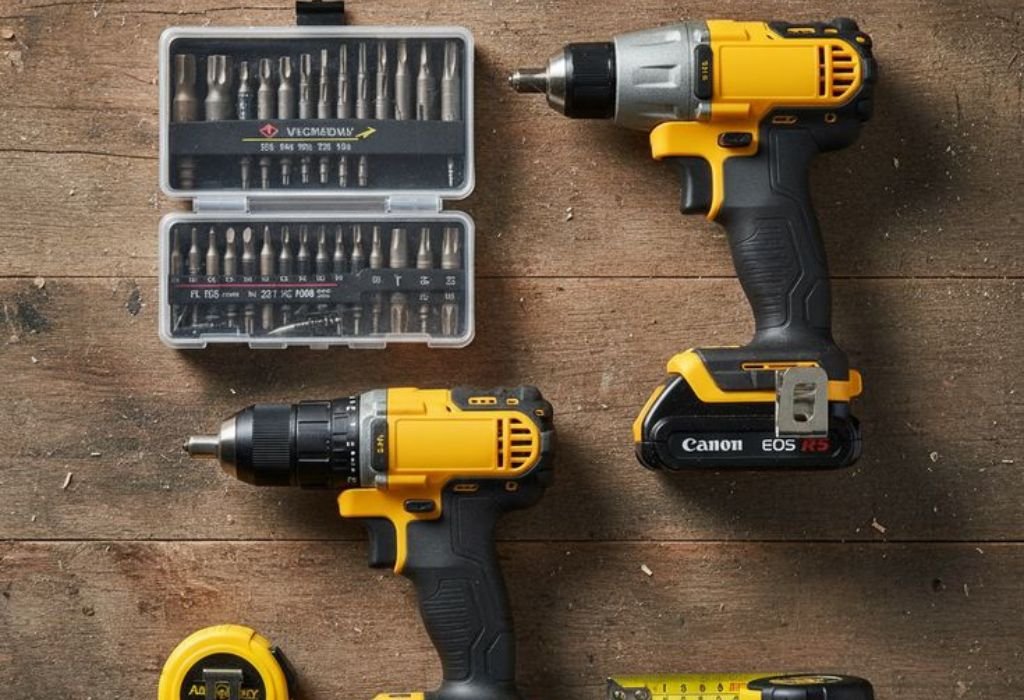
Even good drills have off days. If your 12V drill struggles, start by checking the battery charge. Low voltage causes reduced torque and erratic speed. Next, inspect the bit for dullness or buildup. Cleaning or replacing it usually restores power.
If your drill stalls frequently, lower the clutch setting to allow more torque transfer. Keep the chuck tight to prevent bit wobble. Overheating usually indicates excessive pressure or insufficient pauses between holes.
Why is the drill noisy?
The bearings or gearbox may need lubrication.
Why does it vibrate?
The bit isn’t centered correctly in the chuck.
Why is drilling slower than before?
Battery capacity has dropped — replace or recharge fully.
Why does it smell burnt?
You’re pressing too hard or using a dull bit.
Can cleaning fix performance issues?
Yes, regularly removing dust keeps cooling vents clear.
Small maintenance habits extend the lifespan of both your drill and bits dramatically.
Conclusion
A 12V drill may appear compact, but its capability in wood is undeniable. With the correct bits, proper speed, and steady pressure, it can bore clean holes through softwoods, hardwoods, and composite boards alike.
For most woodworking projects, it delivers all the torque and precision you need.
The secret lies in technique, not voltage. By controlling speed, using sharp bits, and maintaining your battery, you can turn a small drill into a powerhouse of precision. Patience and preparation always produce better results than brute force.
Every successful project proves that craftsmanship comes from knowledge, not tool size. Once you master how to use your 12V drill effectively, you’ll handle every wood job confidently — from small crafts to furniture assembly.
Lightweight, efficient, and easy to control, this humble tool shows that true performance comes from skill in your hands, not just numbers on a label.

I’m John F. Nicholas, the founder, lead writer, and drill enthusiast behind 101drill.com. With years of hands-on experience in power tools and DIY projects, I created this platform to share practical knowledge, expert tips, and real-world insights to help others master the art of drilling.