
You step outside on a warm afternoon and hear a steady buzzing near your porch. At first, you assume it’s a harmless visitor passing by, but then you notice small, perfect holes under your deck railing or eaves.
A closer look reveals the culprits — carpenter bees. They’re busy drilling tunnels into your wood, turning your calm summer day into a frustrating repair job.
Carpenter bees may look gentle, but they can cause serious damage when left unchecked. Unlike termites, they don’t eat wood for food; they drill it to build nests for their larvae. Over time, multiple bees return to the same spot, expanding tunnels and weakening wooden structures.
The good news is you can stop them safely without harming the environment. With the right preventive measures, repellents, and maintenance habits, you can keep your wooden structures strong and bee-free all season.
This guide explains how to identify carpenter bee activity, stop them from drilling holes, repair existing damage, and prevent future nesting — all while respecting nature’s balance.
Understanding Why Bees Drill Holes in Wood
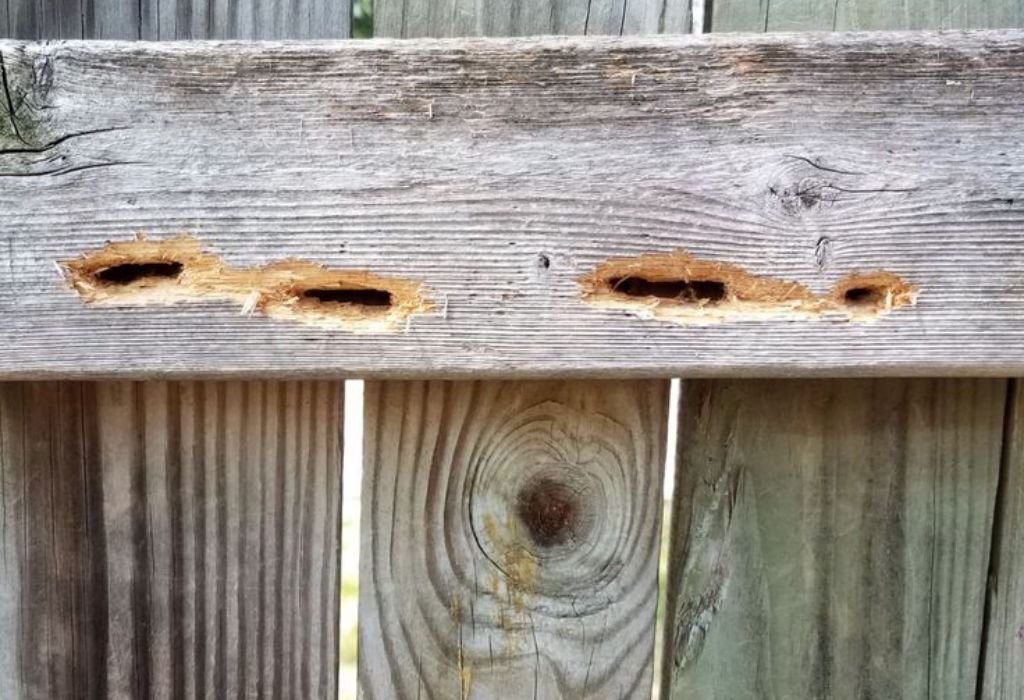
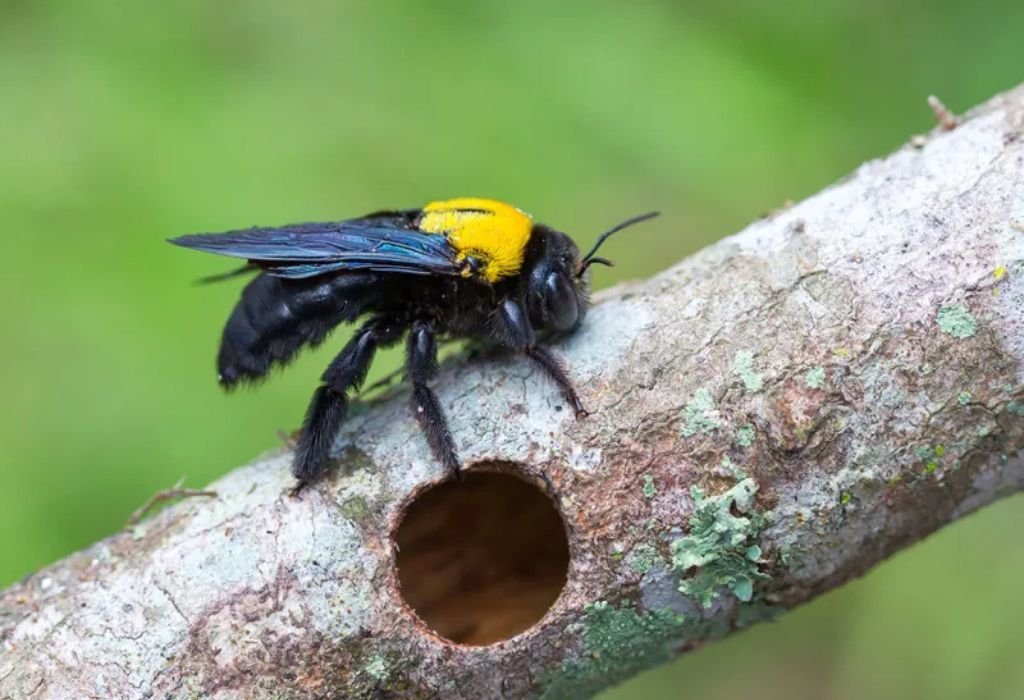
Carpenter bees drill holes in wood to create nesting tunnels where they can lay eggs and protect their offspring. The female bee uses her powerful mandibles to bore a circular hole about half an inch wide, then turns sharply to carve a tunnel several inches deep.
They prefer untreated, unpainted, or weathered wood, which is softer and easier to bore through. Common targets include eaves, decks, fences, beams, and outdoor furniture. Over time, new generations reuse old tunnels, enlarging them and causing greater structural damage.
Carpenter bees aren’t eating the wood; they’re excavating it. This is why you’ll often find small piles of sawdust, called frass, under entry holes. Males hover nearby to guard the area while females do the drilling.
By understanding their nesting behavior, you can take targeted action — blocking the conditions they need to drill, nest, and return each season.
Signs of Carpenter Bee Activity Around Wood
Identifying carpenter bee activity early helps you act before major damage occurs. The most visible sign is the perfectly round holes they create, typically about the diameter of a finger.
These holes are usually found under eaves, porch rails, decks, or beams where wood is dry and exposed.
Another telltale clue is sawdust piles beneath the holes. This dust results from active drilling. You may also see yellow-brown stains from pollen or bee droppings streaking down the wood.
Male carpenter bees hover aggressively near holes, guarding the nest but rarely stinging. Females do the actual boring and laying of eggs. In quiet moments, you might even hear faint chewing sounds from inside the wood.
If woodpeckers begin tapping in the same area, that’s another indicator — they often feed on bee larvae hidden in tunnels. Detecting these signs early lets you respond before the bees expand their nests or attract more insects.
Can carpenter bees return to old holes?
Yes, they often reuse and expand previous tunnels.
Are they dangerous to people?
No, males don’t sting, and females sting only if handled.
What time of year are they active?
Spring and early summer are peak nesting seasons.
Can bees damage painted wood?
Rarely, but worn or peeling paint attracts them.
Do woodpeckers make the problem worse?
Yes, they dig deeper to eat larvae, enlarging holes further.
How to Stop Bees from Drilling Holes in Wood
To stop carpenter bees effectively, you need a mix of prevention, deterrence, and repair. The first step is sealing or replacing all exposed untreated wood. Bees prefer raw wood surfaces, so applying paint, stain, or varnish creates a protective barrier they dislike.
Next, plug existing holes with wooden dowels and exterior-grade filler once bees have left in late summer. Filling holes denies them nesting space and prevents reentry.
For active infestations, apply bee-safe sprays or citrus oil solutions around drilling areas. Carpenter bees hate the smell of citrus, peppermint, and almond oil. Spray these regularly during nesting season.
Install decoy bee traps near problem spots. These lure bees into wooden boxes with small openings that mimic natural nests but prevent escape.
Finally, cover vulnerable surfaces such as eaves and beams with vinyl, aluminum flashing, or mesh screens to physically block access.
Persistence is key — consistent prevention each spring ensures carpenter bees won’t return.
Natural Repellents That Keep Bees Away from Wood
If you prefer eco-friendly solutions, several natural repellents effectively deter carpenter bees without harming them. Citrus oil is one of the most reliable options. Boil lemon or orange peels in water, cool the mixture, and spray it directly on wooden surfaces. The strong scent repels bees instantly.
Almond oil and tea tree oil are also powerful deterrents. These oils coat the wood and disrupt the bees’ scent recognition, making it harder for them to locate nesting spots. Reapply weekly during peak activity months.
For a DIY mixture, combine vinegar, peppermint oil, and water in a spray bottle. This blend works well for decks and outdoor furniture. Bees dislike strong smells and will avoid areas treated consistently.
If you want a long-term solution, plant bee-repelling flowers like eucalyptus, citronella, or geraniums near your wooden structures. These natural barriers reduce attraction while keeping your garden lively and balanced.
Natural repellents work best when combined with sealing and maintenance to prevent reinfestation.
Repairing and Protecting Wood After Bee Damage
Once the bees leave, repairing their holes is crucial. Open tunnels left untreated invite moisture, rot, and future nesting. Start by cleaning the holes thoroughly with a wire or small brush to remove debris.
Next, fill each tunnel with wood filler, caulk, or a glued wooden dowel cut to fit snugly. Smooth the surface with sandpaper after drying. This not only restores appearance but also strengthens the area against further damage.
For heavily infested wood, replacement may be necessary. Structural beams or rails weakened by repeated drilling should be swapped out to prevent long-term issues.
After repairs, apply primer and two coats of paint or sealant to all exposed surfaces. This discourages bees from returning, as they prefer untreated wood.
Maintenance is your best protection — check for cracks, peeling paint, or new holes each spring, especially in sunny, sheltered spots where bees thrive.
Can bees reuse repaired holes?
No, filled and sealed holes stop reuse.
When is the best time to repair holes?
Late summer or early fall after nesting ends.
Should I use metal mesh over wood?
Yes, it adds a strong physical barrier.
Can I paint over old nests?
Yes, but clean and seal them first.
Does pressure-treated wood prevent bees?
Mostly yes — it’s harder and less appealing for nesting.
Preventive Maintenance to Keep Bees Away
Preventing carpenter bee infestations starts with routine wood care. Bees target dry, unprotected wood, so keep all outdoor structures painted, sealed, or stained. Even a single coat acts as a strong deterrent.
Inspect your property every spring for early signs of drilling — especially under eaves, decks, and beams. Plugging small holes immediately stops bees from expanding them into larger nests.
Install vinyl or aluminum coverings on vulnerable edges and corners. These materials are bee-proof and low-maintenance.
For decks and fences, consider switching to composite materials that mimic wood’s look but resist drilling entirely.
Trim vegetation around structures to reduce shaded areas where bees prefer nesting. Keeping wood dry and exposed to sunlight discourages their return.
Regular upkeep doesn’t just protect against bees; it enhances your property’s appearance and longevity. Prevention is easier and cheaper than repeated repairs.
Safety Tips When Handling Bee Infestations
Always prioritize safety when dealing with carpenter bees. Although they rarely sting, direct confrontation increases risk, especially if females feel threatened near their nests.
Avoid swatting or spraying during the day when bees are active. Instead, work early in the morning or after sunset when they’re less aggressive.
Wear long sleeves, gloves, and eye protection while applying treatments or sealing holes. If bees become defensive, move away slowly without sudden movements.
Never use gasoline, lighter fluid, or toxic chemicals to kill bees — it’s dangerous and harms nearby wildlife. Stick to safe repellents or call a pest control expert for severe infestations.
If you’re allergic to stings, always have medical support nearby before attempting any bee removal. Safety comes first — the goal is to protect your wood, not endanger yourself.
Conclusion
Stopping bees from drilling holes in wood isn’t about harming them — it’s about protecting your home while coexisting responsibly. Carpenter bees are beneficial pollinators, but when they choose your deck or railing for nesting, it becomes a problem you can manage safely.
The best approach is prevention: seal or paint your wood, repair holes promptly, and apply natural repellents through spring and summer. A few simple habits can prevent years of recurring damage.
Understanding why bees drill helps you stop them without disrupting their role in nature. When your wood is protected, and the bees are redirected to safer spaces, everyone benefits — your home stays strong, your outdoor spaces stay beautiful, and nature continues to thrive in balance.
A little attention, consistency, and care go a long way toward keeping your wood bee-free for good.

I’m John F. Nicholas, the founder, lead writer, and drill enthusiast behind 101drill.com. With years of hands-on experience in power tools and DIY projects, I created this platform to share practical knowledge, expert tips, and real-world insights to help others master the art of drilling.