
You’ve got a length of 3/8-inch rebar, a sturdy piece of wood, and a plan to reinforce a structure or build something rugged. Then comes the question that stops every DIYer mid-task — what size drill bit should I use for 3/8 rebar in wood?
It sounds simple, but choosing the right drill bit size determines how securely the rebar fits, how well the wood holds it, and whether the structure stays strong over time. Drill too small, and the rebar won’t slide in. Drill too large, and you’ll weaken the joint.
Rebar is strong steel, not like smooth dowels or screws. It has ridges that grip tightly, and that changes how it interacts with wood. Knowing the right bit size and technique helps you create clean, tight, durable holes every time.
This complete guide explains what drill bit size works best for 3/8 rebar in wood, how to drill safely, what tools you’ll need, and pro tips to make sure your project looks solid and lasts for years.
Understanding Rebar and Its Use in Woodworking
Rebar, short for reinforcing bar, is typically used in concrete for structural strength. However, it can also be used creatively in woodworking, fencing, art projects, and heavy-duty joints.
When used in wood, rebar acts as a strong dowel or support rod. It’s ideal for connecting large beams, reinforcing garden structures, or making industrial-style furniture.
Rebar comes with raised ridges that increase grip, but these same ridges make it harder to insert into drilled holes. That’s why sizing matters more than you might think.
A tight hole can crack the wood or trap the rebar halfway, while a loose hole weakens holding power. Balancing the diameter between rebar and hole is the key.
The diameter of 3/8 rebar equals 0.375 inches, but the ridges add slightly to its outer dimension. To accommodate that texture, you’ll need a drill bit just a touch larger than 3/8.
Understanding how rebar behaves helps you choose a bit that gives a solid, snug fit without damaging the wood fibers.
What Size Drill Bit for 3/8 Rebar in Wood
For most projects, the ideal drill bit size for inserting 3/8 rebar into wood is 13/32 inch. This provides enough clearance for the ridges while keeping the fit tight.
A 3/8-inch bit would create an exact hole for smooth materials like dowels, but since rebar has ribs, forcing it into a 3/8 hole risks splitting the wood.
Using a 13/32-inch bit (0.406 inches) gives just the right amount of tolerance for rebar texture and glue space if you plan to bond it.
If you want an even looser fit — for instance, if the rebar needs to be removable or slide through multiple pieces — a 7/16-inch bit may be better.
On the other hand, if you need maximum strength and plan to hammer the rebar in, stick with 13/32 inch for the perfect press fit.
Always test your setup on scrap wood first. Different wood densities and moisture levels can slightly change the fit.
The goal is a snug, secure hole that holds rebar firmly without causing cracks or stress in the surrounding wood.
Choosing the Right Drill Bit Type
Drilling for rebar requires more strength than regular dowel holes. Choosing the right bit type ensures efficiency and prevents tool damage.
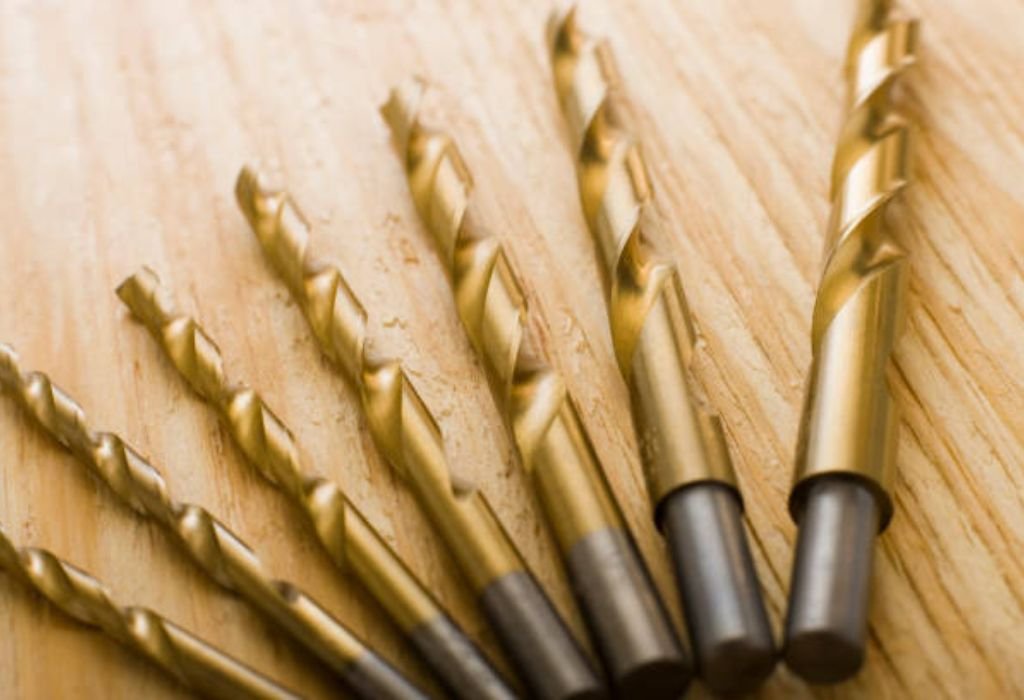
A high-speed steel (HSS) twist bit works well for most softwoods. It’s durable, cuts fast, and creates clean, straight holes.
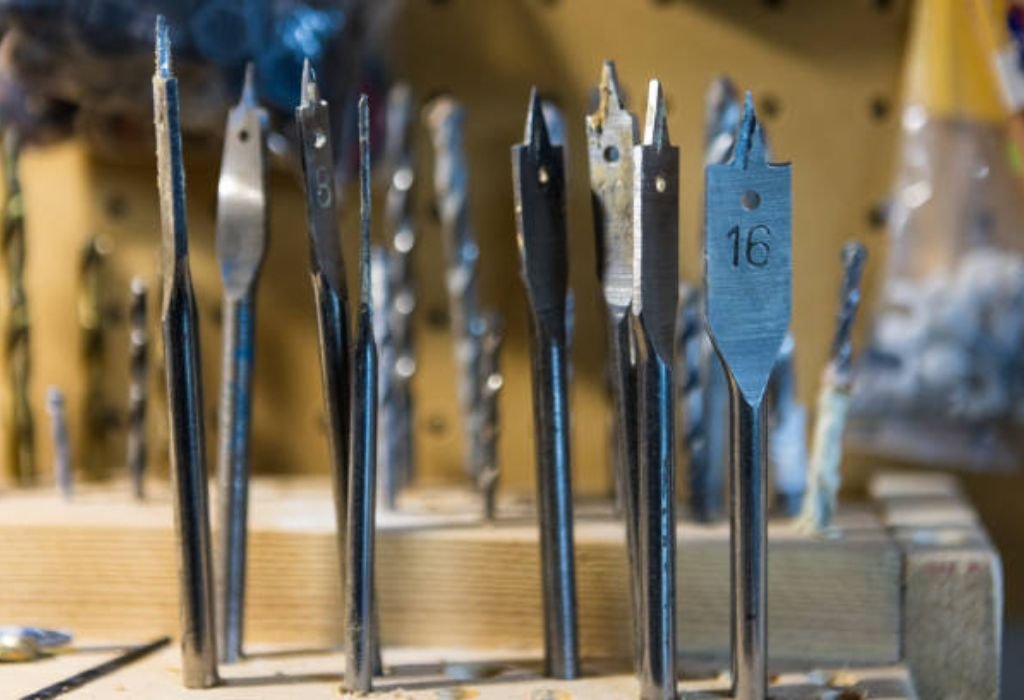
For hardwoods or dense lumber, a brad-point bit offers better control and prevents wandering. The center point keeps drilling precise even on tough grains.
If you’re drilling deep holes or into treated lumber, a spade bit can be used for speed, but it’s not ideal for tight tolerance fits. It tends to leave rough edges.
For the cleanest finish and best control, use a Forstner bit. It drills flat-bottomed holes with smooth walls, ideal for precision woodworking or furniture projects.
Avoid masonry bits unless you’re drilling through both wood and concrete simultaneously. Their tip shape isn’t suited for clean wood cuts.
Choosing the correct drill bit material and type helps prevent splintering, overheating, and poor alignment when drilling for metal inserts like rebar.
Preparing the Wood Before Drilling
Proper preparation is crucial before drilling holes for rebar. Start by marking your drilling points precisely using a center punch or awl. This keeps your bit from wandering at the start.
Clamp the wood securely to a workbench or surface. Movement while drilling can lead to crooked holes or uneven entry points.
If you’re drilling through thick beams, measure and mark the hole depth. Wrap a piece of masking tape around the drill bit to act as a visual depth guide.
Check for knots or cracks near the drilling area — these weak spots can split easily under rebar pressure. Move slightly if necessary.
For very dense hardwoods, consider lubricating the bit lightly with wax or soap to reduce heat and friction.
Always drill at a slow, steady pace. High speed causes heat buildup, dulls the bit, and can scorch the wood around the hole.
Taking a few minutes to prepare the surface ensures the drilling goes smoothly and accurately.
Step-by-Step: Drilling for 3/8 Rebar
- Measure and mark. Use a pencil or center punch to mark the exact drilling point. Double-check alignment if joining two pieces of wood.
- Clamp firmly. Secure the wood to prevent shifting while drilling. Stability ensures straight, clean holes.
- Drill pilot hole (optional). For dense woods, a small 1/8-inch pilot hole helps guide the larger bit straight.
- Attach the correct bit. Insert the 13/32-inch bit firmly into your drill chuck and tighten securely.
- Drill at low to medium speed. Let the bit cut naturally. Pull out periodically to clear wood shavings and reduce heat.
- Test the fit. Insert the rebar gently. It should slide with moderate resistance, not force.
- Apply adhesive (optional). If permanent, coat rebar lightly with construction adhesive or epoxy before inserting.
- Finish and clean. After placement, wipe away debris and glue residue, then allow adhesive to cure if used.
Following these steps guarantees precise holes, tight fits, and damage-free wood surfaces.
How to Insert Rebar into Wood Properly
After drilling, inserting the rebar correctly ensures the best strength and alignment.
First, clean both the hole and the rebar. Remove sawdust or metal filings to prevent friction buildup.
If you’re inserting for permanent reinforcement, use a thin layer of epoxy or construction adhesive around the rebar’s surface. Avoid over-applying; excess adhesive can squeeze out and create a mess.
Slide or tap the rebar gently into the hole using a rubber mallet. Avoid hammering too hard — metal hammers can deform the rebar or dent the wood.
Check alignment as you go. The rebar should sit straight, not angled, for full strength distribution.
If the rebar needs to go through multiple boards, align the holes carefully before final insertion.
Once seated, wipe off excess glue and allow it to cure as directed. Proper insertion locks everything in place with long-term stability.
Safety Tips When Drilling Metal and Wood
Working with rebar and wood combines two materials with very different properties, so safety matters.
Always wear safety goggles to protect your eyes from wood chips and metal dust. Even a small fragment can cause injury.
Use hearing protection when drilling large holes or working with high-powered tools. Drilling through dense wood creates more noise than expected.
Wear gloves when handling rebar to avoid cuts from sharp edges or rust flakes.
Keep your workspace clear. Loose pieces of metal, shavings, or tools can cause tripping hazards when working with heavy materials.
Ensure your drill bit is sharp and the chuck tight. A loose or dull bit increases vibration, which can damage both your project and the drill.
Finally, always drill in a well-ventilated area. If using adhesives or epoxies, fumes can be harmful without airflow.
Taking these precautions helps you stay safe while maintaining precision and control.
Avoiding Common Mistakes When Drilling for Rebar
Several small mistakes can turn a good project into a frustrating one.
The most common error is using the wrong bit size. A 3/8 bit is too tight; it risks splitting the wood or trapping the rebar halfway.
Another mistake is drilling at high speed. This overheats the bit, burns the wood, and dulls the cutting edges quickly.
Failing to clear chips while drilling is also a problem. Sawdust buildup inside the hole increases friction and causes uneven bore sizes.
Avoid hammering rebar into undersized holes. The wood might crack, and the joint will lose strength.
Don’t skip testing. Always drill a test hole in scrap wood to confirm the fit before committing to the main piece.
Lastly, never reuse old bits that have dulled from metal work — they won’t cut cleanly through wood.
Avoiding these errors ensures perfect holes and strong, long-lasting joints every time.
Best Practices for Strong Rebar Joints in Wood
For long-term strength, pay attention to joint design and bonding methods.
Always ensure the rebar penetrates deep enough to provide solid support. A minimum of 1.5 to 2 inches into each piece of wood gives good structural grip.
If using adhesive, choose one designed for both wood and metal, such as two-part epoxy. It creates a chemical bond far stronger than standard wood glue.
Align the rebar perfectly before the glue sets. Once hardened, repositioning becomes nearly impossible.
Consider sealing exposed rebar ends with clear lacquer or paint to prevent rust. Moisture inside wood can accelerate corrosion over time.
For outdoor projects, use treated lumber or apply a sealant around the hole edges to protect from moisture intrusion.
These best practices help your rebar joints stay firm, rust-free, and reliable for years to come.
Frequently Asked Questions on 3/8 Rebar Installation in Wood
What size drill bit should I use for 3/8 rebar in wood?
A 13/32-inch drill bit provides the best fit for most applications.
Can I use a 3/8 drill bit instead?
It’s too tight. The ridges on the rebar make insertion difficult and can split the wood.
Will 7/16 work for rebar in wood?
Yes, if you need a looser fit or removable rebar, 7/16 inch is a good option.
What type of drill bit should I use?
Use a high-speed steel or brad-point bit for clean wood drilling.
Do I need a pilot hole before drilling the main hole?
For hardwoods, yes — it helps guide the larger bit and prevents wandering.
Can I glue rebar into wood permanently?
Yes, use epoxy or construction adhesive for a strong, permanent bond.
Will rebar rust inside wood?
It can if moisture is present. Seal the hole or coat the rebar to prevent corrosion.
Should I hammer rebar into wood?
Only lightly with a rubber mallet. Excessive force may crack the wood.
How deep should the hole be?
At least 1.5 to 2 inches per joint, depending on your project strength needs.
What speed should I drill at?
Use slow to medium speed to prevent overheating and burning the wood.
Can I use spade bits for rebar holes?
Yes, for rough work, but Forstner or twist bits make cleaner holes.
Can rebar be used as dowels in woodworking?
Yes, they work great for heavy or decorative joints.
Do I need to lubricate the drill bit?
For dense wood, a small amount of wax or soap helps reduce friction.
Can I drill through both wood and concrete for rebar placement?
Yes, but switch to a masonry bit when hitting concrete.
How do I align multiple holes for rebar joints?
Use a dowel jig or drill press for perfect alignment and depth control.
Conclusion
Choosing the right drill bit size for 3/8 rebar in wood is essential for both strength and accuracy. The ideal choice, 13/32 inch, gives a snug fit without splitting the wood, while 7/16 inch works when you need more flexibility.
Using sharp bits, drilling at controlled speeds, and preparing your surface properly ensures every hole is clean and precise. Combining these with strong epoxy bonding or tight friction fits gives you reliable, long-lasting joints.
Take your time with measurements, test on scrap wood, and avoid forcing metal into undersized holes. These small steps protect your tools and materials from costly mistakes.
Rebar in wood projects combines durability with creativity — from rustic furniture to outdoor reinforcements. When done correctly, it looks professional, performs solidly, and stands the test of time.
Now you know exactly what size drill bit to use for 3/8 rebar in wood — and how to drill it right, every single time.

I’m John F. Nicholas, the founder, lead writer, and drill enthusiast behind 101drill.com. With years of hands-on experience in power tools and DIY projects, I created this platform to share practical knowledge, expert tips, and real-world insights to help others master the art of drilling.