
You line up your drill, mark the spot, and start boring into a thick wooden beam. The bit spins smoothly at first, but suddenly resistance increases.
Sparks flicker, the bit squeals, and you realize you’ve hit rebar. It’s a common moment for builders, DIYers, and carpenters who work on reinforced wood or composite structures.
When wood is reinforced with rebar — whether for strength, formwork, or securing bolts — drilling requires the right bit size and material.
The challenge is that rebar is metal, not wood, so a normal wood bit can’t handle it. Without proper planning, you risk breaking bits, damaging your drill, or creating oversized, uneven holes.
Choosing the correct drill bit for 1/2-inch rebar in wood ensures your project goes smoothly, with clean holes and minimal wear. But there’s more to it than matching half-inch with half-inch. You must consider tolerance, bit type, and drilling sequence.
This guide covers how to pick the perfect drill bit size, which materials perform best, how to drill efficiently through both wood and rebar, and what mistakes to avoid. With the right approach, even reinforced wood can be drilled safely and precisely.
Understanding the Relationship Between Drill Bit and Rebar Size
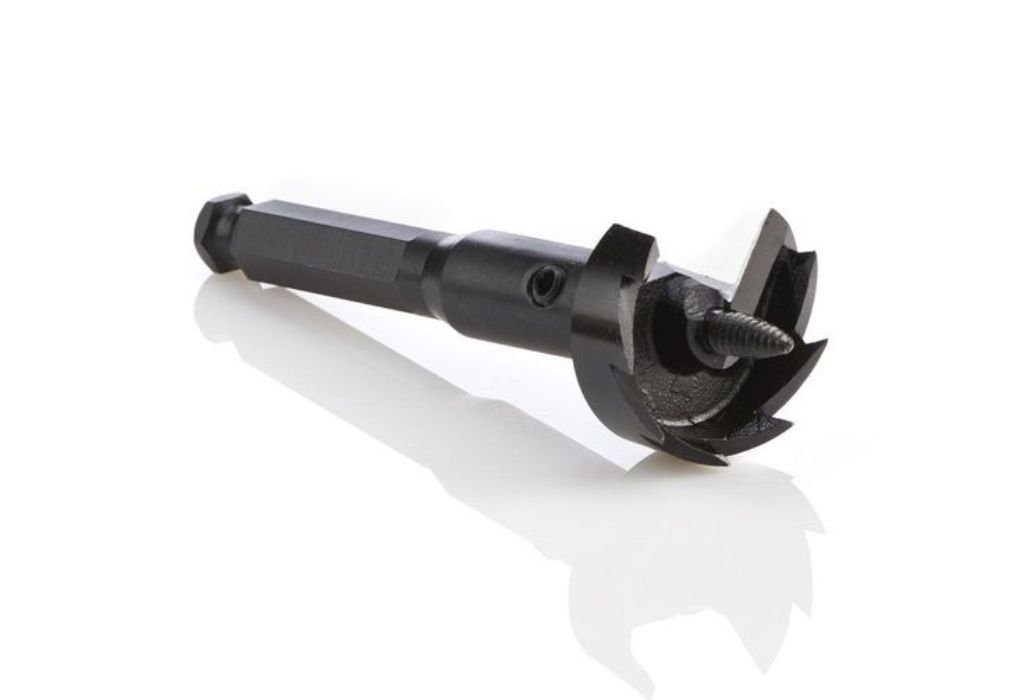
When drilling into wood containing rebar, your drill bit must match both materials — soft wood and hard steel. For 1/2-inch rebar, the actual diameter is slightly smaller, around 0.495 inches, which influences your bit choice.
If you’re drilling to insert the rebar, you’ll need a hole slightly larger than 1/2 inch — usually 9/16-inch or 5/8-inch. This extra clearance allows smooth fitting without excessive force.
However, if you’re drilling through existing rebar, you’ll need a carbide-tipped masonry or metal bit capable of cutting through steel. For wood and metal combined, a multi-material bit or cobalt drill bit works best.
Always use a variable-speed drill and start at a slow speed to prevent overheating. Use lubrication when drilling metal to protect the bit and extend tool life.
Should the hole be bigger than the rebar size?
Yes, slightly — 1/16-inch larger is ideal.
Can I use a wood bit for rebar?
No, wood bits dull immediately against metal.
Does 1/2-inch rebar actually measure 1/2 inch?
Not exactly — it’s about 0.495 inches in diameter.
Can I drill rebar with a regular drill?
Yes, with a powerful corded drill and the right bit.
Is rebar harder than drill bits?
Yes, unless you use carbide or cobalt tips designed for steel.
Choosing the Correct Drill Bit for 1/2 Rebar in Wood
The right drill bit determines how easily and cleanly your hole turns out. For wood reinforced with 1/2-inch rebar, carbide-tipped or cobalt drill bits are the most reliable choices.
Carbide-tipped bits handle both wood and metal, resisting heat and wear. Cobalt bits are ideal for prolonged drilling through steel, maintaining sharpness even under high friction. Avoid using spade bits or auger bits, as they’re designed for wood only.
If you’re drilling a deep hole, use a pilot bit first — a smaller drill bit (around 3/16 or 1/4 inch) to guide the main bit. This reduces wandering and ensures precise entry.
Lubrication is essential when drilling rebar. A few drops of cutting oil or even machine oil will cool the bit and prevent premature dulling.
Keep your drill speed moderate — too fast causes overheating, too slow causes chatter. Use steady pressure without forcing the bit.
When properly equipped, you can drill cleanly through rebar-embedded wood without breaking bits or burning the surface.
Step-by-Step Process to Drill Through Wood and Rebar
Drilling through rebar inside wood requires patience and preparation. Follow these steps to ensure accuracy and avoid damage:
Step 1: Mark the drilling point clearly using a pencil or center punch. If possible, use a stud finder or rebar detector to locate metal placement before drilling.
Step 2: Start with a smaller pilot hole to guide your bit and reduce resistance.
Step 3: Switch to a cobalt or carbide-tipped drill bit slightly larger than 1/2 inch (like 9/16″).
Step 4: Apply moderate pressure and keep the drill steady at a 90-degree angle to the surface.
Step 5: When you hit the rebar, reduce speed and add lubricant to minimize heat buildup. Let the bit cut gradually instead of forcing it.
Step 6: Withdraw occasionally to clear debris and cool the bit.
Step 7: Once through the rebar, finish the wood layer at normal speed for a clean exit hole.
Proper technique protects both the wood and your tool while maintaining accuracy.
Best Drill Bits for Wood with Rebar
Selecting a quality bit makes all the difference. Here are the most effective types:
1. Cobalt Drill Bits:
Designed for drilling hardened metals, including rebar. They maintain sharpness under high heat and pressure.
2. Carbide-Tipped Masonry Bits:
Perfect for mixed materials like concrete or wood with embedded steel. The carbide tip resists wear and handles tough layers easily.
3. Multi-Material Drill Bits:
These hybrid bits handle metal, wood, and plastic without frequent bit changes — ideal for quick jobs.
4. Step Bits:
Useful for enlarging existing holes cleanly when rebar depth is shallow.
5. Diamond-Coated Bits:
Rarely needed for wood, but ideal when rebar is dense or extra-hard.
Choose a reputable brand to ensure consistent quality and lifespan. Inferior bits tend to dull quickly and may even snap mid-drill.
Can I use SDS bits for wood and rebar?
Yes, but only with an SDS-compatible hammer drill.
Do carbide bits overheat easily?
Not if lubricated properly during drilling.
How often should bits be replaced?
When they dull, chip, or burn the wood edges.
Can dull bits damage the rebar?
Yes, dull bits create friction, overheating both steel and bit.
Are titanium bits good for this?
They work for mild steel but wear out faster on rebar.
Safety Tips When Drilling Through Rebar in Wood
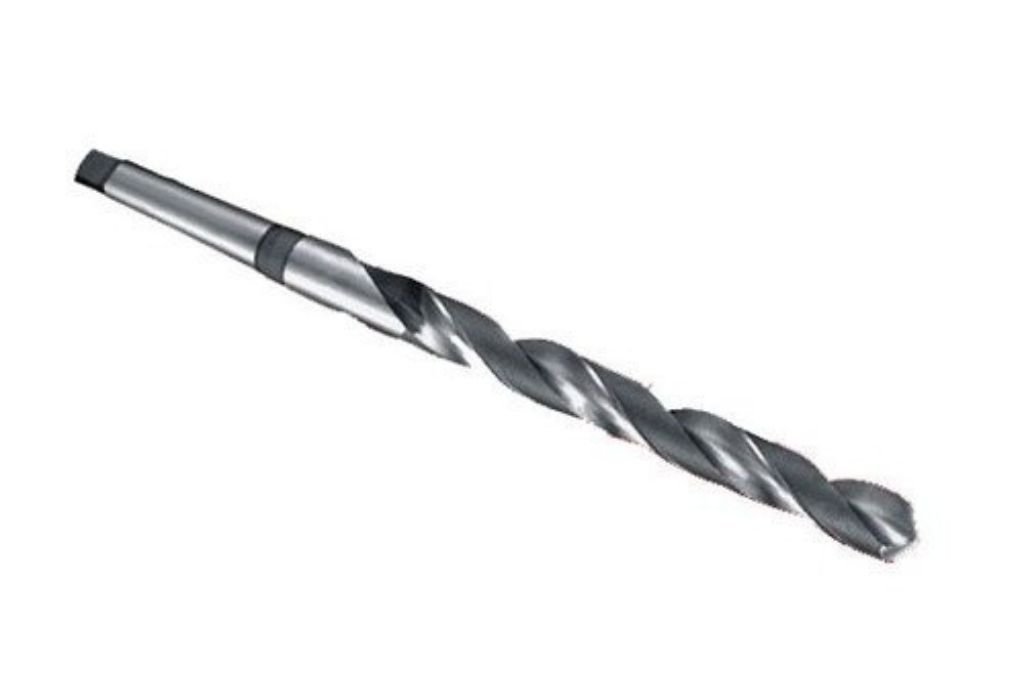
Drilling through rebar hidden inside wood combines two materials with very different properties, soft fibers and solid steel. This mix makes safety precautions absolutely essential.
One slip or wrong bit can cause sparks, broken tools, or even personal injury. Taking proper safety measures protects both you and your equipment during the entire drilling process.
Before you begin, always wear protective eyewear to guard against flying metal chips and sawdust. Metal fragments can shoot out quickly when the bit strikes rebar, so eye protection is non-negotiable.
Use hearing protection as well, since prolonged drilling through metal creates high-pitched noise that can strain your ears.
Secure your workpiece tightly using clamps or a bench vise. If the wood moves while drilling, the bit can catch suddenly, causing the drill to twist or kick back. Always keep both hands on the tool — one on the handle and the other on the auxiliary grip — to maintain full control.
Operate at medium speed rather than maximum power. Drilling too fast overheats the bit, burns the wood, and dulls the edges prematurely.
When you feel increased resistance, stop immediately and apply cutting oil or lubricant to reduce friction and temperature. Allowing the bit to cool between passes prevents heat damage to both metal and drill motor.
Keep your workspace clean and clear of sawdust, oil, or loose wires. Rebar drilling produces fine sparks that can ignite flammable debris. It’s also smart to keep a small fire extinguisher nearby in case of emergency.
Preventing Damage and Ensuring Accurate Drilling
Clean, precise holes depend on steady technique. Always use sharp bits and check alignment before drilling. When drilling through both wood and rebar, ensure your drill remains perfectly perpendicular. Even a slight angle can cause uneven holes or bent bits.
Use tape depth markers on your bit to control drilling depth — especially when drilling multiple holes. Removing the bit periodically prevents clogging and heat buildup.
If rebar sits deep inside the wood, start slow and increase speed gradually once metal is penetrated. Avoid hammering the bit or using impact drills unless absolutely necessary.
After drilling, smooth the hole edges with sandpaper or a reamer to remove splinters and burrs. This ensures clean finishes, especially for bolts or inserts.
Precision and patience lead to professional results every time.
Conclusion
Drilling through wood reinforced with 1/2-inch rebar might seem like a tough challenge, but with the right bit and technique, it becomes a simple, precise task.
The key lies in using the correct drill bit size, slightly larger than the rebar, and choosing materials strong enough to handle both wood fibers and hardened steel. This combination ensures smooth drilling, minimal resistance, and cleaner results every time.
The process is not only about power but also about control. Proper alignment, steady speed, and cooling make a major difference in tool performance and safety.
Carbide-tipped or cobalt drill bits give you the endurance to penetrate rebar without dulling, while pilot holes and lubrication keep the drilling process consistent and efficient.
By paying attention to small details such as bit sharpness, depth control, and pressure, you reduce wear on both the drill and the wood.
Regular inspection of bits and safe drilling practices also extend tool life and improve project outcomes. Each step matters, from marking the point to clearing debris between passes.
In the end, drilling through rebar in wood is not about brute force but about precision engineering. With patience and preparation, you can achieve professional-grade holes that align perfectly, fit securely, and stand the test of time.
The right bit, steady hands, and careful technique ensure your project remains strong, accurate, and built to last.

I’m John F. Nicholas, the founder, lead writer, and drill enthusiast behind 101drill.com. With years of hands-on experience in power tools and DIY projects, I created this platform to share practical knowledge, expert tips, and real-world insights to help others master the art of drilling.