
You pick up a wood screw, glance at your drill set, and wonder which bit will fit perfectly. The answer may seem simple, but getting it wrong can ruin both your screw and your project. Using the wrong bit size leads to stripped threads, split wood, or loose joints.
Choosing the correct drill bit size is more than guesswork. It’s about understanding how wood grips screws and how much clearance the threads need to hold firmly. When the pilot hole is too big, the screw won’t bite; when it’s too small, the wood may crack.
A #10 wood screw is one of the most common sizes used in woodworking. It’s thick enough for structural joints yet versatile enough for household repairs. To make it work perfectly, your pilot hole and clearance hole must match its diameter precisely.
Drilling properly ensures both strength and alignment. The screw slides in smoothly without excessive force, while the threads grip tightly into the wood fibers. This balance is what creates a lasting, stable connection.
The goal of this guide is simple: to help you understand what size drill bit you need for a #10 wood screw and how to use it correctly for different materials. Once you get this right, every screw will drive in smoothly and hold securely.
Understanding the Anatomy of a Wood Screw
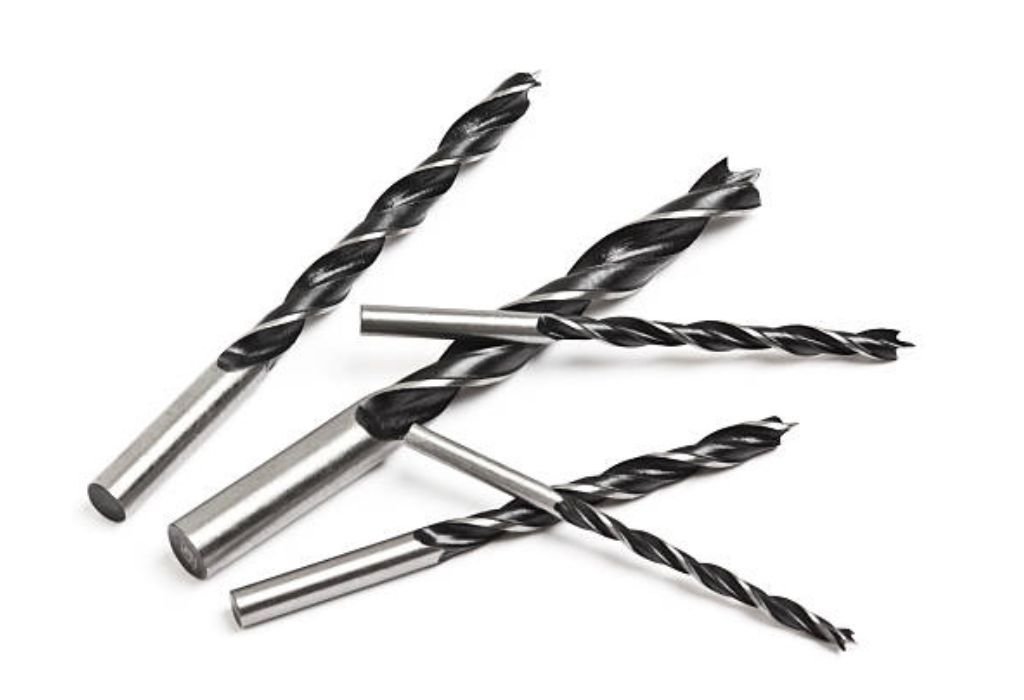
Before choosing a drill bit, it helps to understand how a wood screw works. A screw isn’t just a piece of metal—it’s an engineered fastener designed to create mechanical grip inside the wood. Its design determines which bit size fits best.
A #10 wood screw typically measures about 3/16 of an inch in diameter. The threaded portion cuts into the wood, while the smooth shank near the head allows it to pull pieces tightly together. Each part plays a specific role in how the screw holds.
Threads are what grip the wood fibers. Too little friction and the screw will strip; too much friction and the screw may snap. The correct pilot hole diameter relieves just enough resistance to balance these forces.
Wood type also affects the choice. Softwoods compress easily, so they need smaller pilot holes. Hardwoods resist penetration and require slightly larger holes to prevent splitting.
Knowing how screws interact with wood helps you make accurate drilling decisions. Once you understand this relationship, selecting the right bit size becomes straightforward.
What does the #10 refer to in a wood screw?
It indicates the screw’s gauge or thickness. A #10 is roughly 3/16 of an inch in diameter.
Are all #10 screws the same length?
No, they vary widely depending on application. Always match the length to material thickness.
Does screw thread type affect pilot hole size?
Yes, coarse threads need smaller holes, while fine threads fit tighter and need larger holes.
Why does my screw split hardwood?
Because the pilot hole is too small. Increase the bit size slightly to relieve pressure.
Can I use #10 screws in plywood?
Yes, but pre-drilling is essential to avoid delamination between layers.
How to Match Bit Size to Screw Diameter
Matching the drill bit size to the screw diameter is where precision matters most. The pilot hole must be large enough for the screw’s core but small enough for the threads to bite. Getting this balance wrong affects both strength and finish.
For a #10 wood screw, the general rule is to use a 3/32-inch drill bit for softwood and a 1/8-inch bit for hardwood. The smaller size maintains grip in softer fibers, while the larger prevents splitting in dense material. These sizes work for most general-purpose screws.
To double-check, compare the bit visually to the screw. Hold the screw behind the bit—if you can see the threads on both sides but not the core, the bit is the right size. This visual trick works reliably when precise measuring tools aren’t available.
Some craftsmen prefer testing on scrap wood before drilling into the actual project. This allows adjustment if the screw feels too tight or too loose. It’s a quick, effective way to ensure perfect fit.
Accuracy matters most when working on furniture, cabinetry, or visible joints. The right bit size ensures the screw holds firmly without damaging your project’s surface.
Can I skip the pilot hole for softwood?
You can for small screws, but for #10 screws it’s safer to pre-drill. It prevents splitting and makes driving easier.
What if I only have a metric drill set?
Use a 3 mm bit for softwood or 3.2 mm for hardwood. These approximate 3/32 and 1/8 inch sizes closely.
Does bit size differ by screw type?
Yes, tapered screws may need slightly smaller holes than straight-threaded ones. Adjust accordingly.
Is it okay to use brad-point bits for pilot holes?
Absolutely. Their sharp tips ensure accuracy and clean entry.
What happens if my bit is dull?
It compresses wood instead of cutting, causing cracks. Keep bits sharp for precise holes.
Accounting for Different Wood Types
Not all woods behave the same when drilled. The bit size that works perfectly in pine might fail in oak. Understanding how wood density affects drilling makes all the difference in choosing correctly.
Softwoods like pine, cedar, and fir are forgiving. Their fibers compress around screws, allowing smaller pilot holes. A 3/32-inch bit usually creates the ideal grip for #10 screws in these materials.
Hardwoods like oak, maple, or walnut resist compression. For them, a slightly larger bit—around 1/8 inch—is necessary. It reduces stress on both the screw and the wood fibers during insertion.
If you’re unsure of the wood type, test first. Drill a pilot hole in scrap and drive the screw halfway. If the wood starts to split or the screw feels overly tight, switch to the next size up.
Environmental factors also play a role. Moist or treated wood expands slightly, so larger pilot holes may prevent binding. Always consider humidity before final assembly.
Can I use the same bit for all woods?
It’s possible, but not ideal. Tailoring bit size to density ensures better results.
Do engineered woods need pre-drilling?
Yes, especially plywood and MDF. Their layered construction benefits from clean, guided holes.
Will hardwood dull my bits faster?
Yes, dense grain wears edges quickly. Keep spares or sharpen often.
Does temperature affect wood drilling?
Cold wood becomes brittle and may split more easily. Drill slowly at moderate temperatures.
Can I reuse pilot holes?
Yes, if the screw fits snugly. Loose holes may require wood filler before reusing.
Drilling the Perfect Pilot Hole
Drilling the right pilot hole is all about control and alignment. Mark your hole center accurately using a pencil or awl. This prevents the bit from wandering when you start drilling.
Clamp the wood securely before drilling. Movement can cause uneven holes or stripped threads. Stability guarantees clean, precise results every time.
Start the drill at low speed. Wide or deep holes generate more heat, so slow and steady progress prevents burning. Allow the bit to do the work—forcing it only increases the risk of cracks.
Once the bit reaches desired depth, pull it out slowly while it’s still spinning. This clears chips and leaves smooth walls. A clean pilot hole allows the screw to drive easily without unnecessary friction.
Finishing touches like lightly countersinking the entry prevent raised wood fibers. It’s a simple step that gives a professional finish and ensures flush screw heads.
When to Add Clearance and Countersink Holes
Sometimes, a pilot hole alone isn’t enough. Clearance and countersink holes help screws sit properly and pull materials together tightly. For #10 screws, this small extra step greatly improves alignment and appearance.
A clearance hole is drilled through the top piece of wood. It’s slightly larger than the screw’s outer diameter so the threads don’t grip it. This allows the screw to pull the top board firmly against the bottom piece.
A countersink creates a cone-shaped depression for the screw head to rest in. This makes the surface smooth and prevents splitting from head pressure. It also enhances the finished look of the joint.
Both steps ensure even tightening and prevent material separation over time. Though often skipped in rough carpentry, they’re crucial for fine woodworking and cabinetry.
Taking the time to add these details separates clean craftsmanship from rushed work. It’s what makes furniture last decades instead of years.
Should clearance holes match screw size exactly?
Slightly larger is better. For #10 screws, use a 13/64-inch clearance hole.
Can I countersink without a special bit?
Yes, by using a larger drill bit carefully, but a countersink bit gives smoother results.
Do countersinks weaken wood?
Not if shallow. Properly sized holes maintain full strength while improving finish.
Are clearance holes necessary for softwood joints?
Optional, but recommended for tight fits. It improves pull and alignment.
Can I use washers instead of countersinking?
Yes, but only where aesthetics don’t matter. Washers protect surfaces but remain visible.
Common Mistakes When Selecting Drill Bit Sizes
Even experienced woodworkers sometimes pick the wrong drill bit. One of the most frequent mistakes is assuming “close enough” will work. Precision is what makes screws hold tight without damage.
Using bits that are too small causes the wood to split as the screw forces its way in. You might get a strong hold initially, but stress fractures weaken it over time. On the other hand, oversized bits leave screws loose and prone to slipping.
Another common error is ignoring wood density. Hardwoods require slightly larger bits than softwoods, even for the same screw size. Overlooking this difference leads to inconsistent results.
Failing to test on scrap wood before drilling into your project is another avoidable mistake. A quick test shows exactly how your screw behaves and helps fine-tune your approach.
Finally, dull bits are silent troublemakers. They crush wood fibers instead of cutting cleanly, creating weak or uneven holes. Keeping bits sharp prevents most drilling problems.
Testing and Adjusting Before Final Assembly
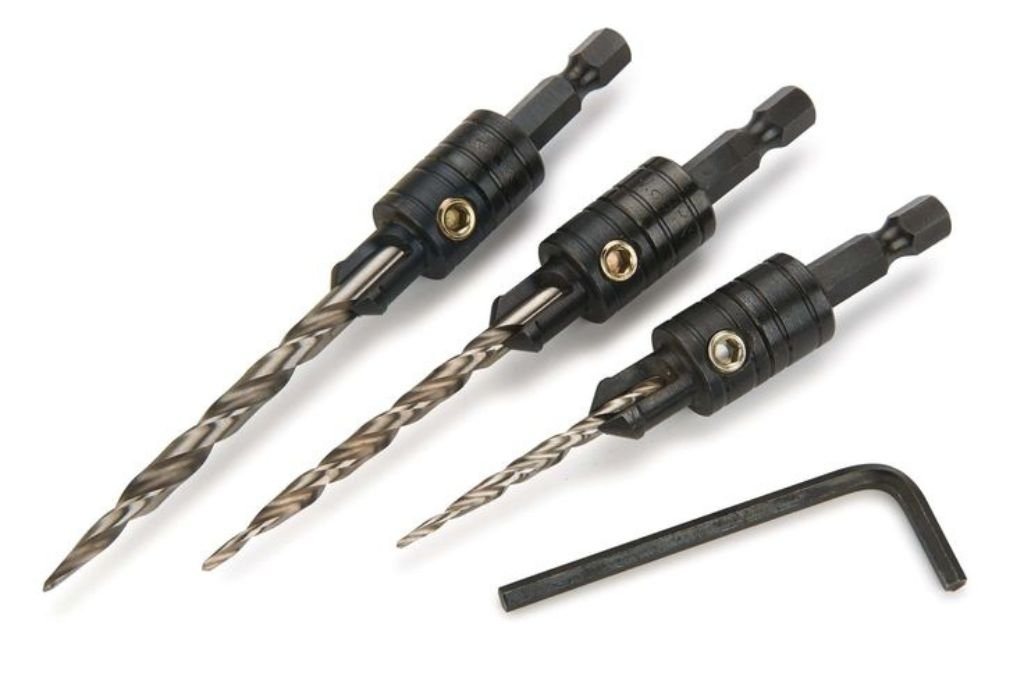
Testing is the easiest way to avoid frustration later. Always drill a trial hole in scrap material of the same type before committing to your actual piece. It’s the best way to confirm the perfect pilot hole size.
Insert a #10 screw halfway and check resistance. If it goes in smoothly but feels snug, your size is correct. If it’s too tight, increase bit diameter slightly; if too loose, reduce it.
Repeat the test until the screw fits precisely. It’s a quick process that saves hours of rework later. Each wood type reacts differently, so adjustments are part of good craftsmanship.
Mark the correct bit size once you find it. Many professionals keep a labeled reference board showing which bit works for each screw type. This visual reminder speeds up future projects.
Consistent testing creates consistent results. It’s the hallmark of careful, confident woodworking.
Can I reuse test holes for practice?
Yes, as long as the wood isn’t split. They help build skill with different bit sizes.
Should I use power drivers for testing?
No, use manual screwdrivers first. It gives better feedback on tightness.
How deep should a pilot hole be?
At least the full screw length minus the head. This ensures uniform grip.
Is it okay to oversize slightly in hardwood?
Yes, one drill step larger prevents cracking without reducing strength.
Can I mark preferred bit sizes permanently?
Yes, label bits or keep a guide card for easy reference.
Maintaining Accuracy and Tool Condition
Drilling accuracy depends as much on tool condition as technique. Clean bits make cleaner holes, while dull or dirty ones cause friction and burn marks. Regular maintenance ensures predictable results every time.
After each project, wipe bits clean of sawdust and resin. Build-up dulls cutting edges and increases heat. Keeping them spotless maintains performance for longer periods.
Sharpen edges occasionally using a fine file or specialized sharpener. Even the best bits lose efficiency after repeated use. Restoring sharpness makes drilling smoother and faster.
Lubricate moving parts on your drill lightly with machine oil. A smooth chuck grip prevents wobbling, which can enlarge or misalign holes. Properly cared-for tools always yield better craftsmanship.
Store bits in labeled holders organized by size. Moisture control matters too—dry environments prevent rust and corrosion. Good habits with tools lead to consistent professional results.
Conclusion
Finding the right drill bit size for a #10 wood screw may seem simple, but it defines the strength and beauty of your project. The perfect fit ensures every joint is tight, stable, and built to last. It’s the fine details that make craftsmanship shine.
From understanding screw anatomy to adjusting for wood type, every choice affects the outcome. Patience in testing, precision in drilling, and care in execution combine to create lasting quality.
The difference between a good build and a great one often lies in something as small as a pilot hole. Once you master this, every screw you drive will feel smooth and secure.
In woodworking, precision is not optional—it’s the foundation of excellence. Each hole drilled with care becomes proof of your skill, discipline, and respect for the craft.

I’m John F. Nicholas, the founder, lead writer, and drill enthusiast behind 101drill.com. With years of hands-on experience in power tools and DIY projects, I created this platform to share practical knowledge, expert tips, and real-world insights to help others master the art of drilling.