
You have a beautiful brick wall that needs a wooden shelf, frame, or panel. You grab your drill, but the noise, dust, or risk of cracks makes you hesitate. Maybe it’s a rented apartment, or perhaps the wall is old and brittle.
You ask yourself, “Can I attach wood to brick without drilling holes?” The answer is yes — and it’s easier than you think.
There are several creative and practical methods to attach wood securely to brick without ever picking up a drill. With modern construction adhesives, heavy-duty tapes, and clever mounting systems, you can create strong, durable bonds that hold firm without damaging your wall.
These methods have evolved with technology, allowing homeowners, renters, and DIY enthusiasts to install decorations or shelves safely and cleanly. Whether you’re mounting lightweight trim or heavier boards, there’s a solution that matches your project.
According to modern adhesive testing, certain bonding agents can hold over 100 pounds per square inch when used correctly. That’s more than enough strength for most wooden fixtures.
In this guide, you’ll learn several tested methods to attach wood to brick walls without drilling — from adhesives to clips and brackets — along with preparation, safety, and long-term care tips for professional, lasting results.
Understanding Why Drilling Isn’t Always Ideal
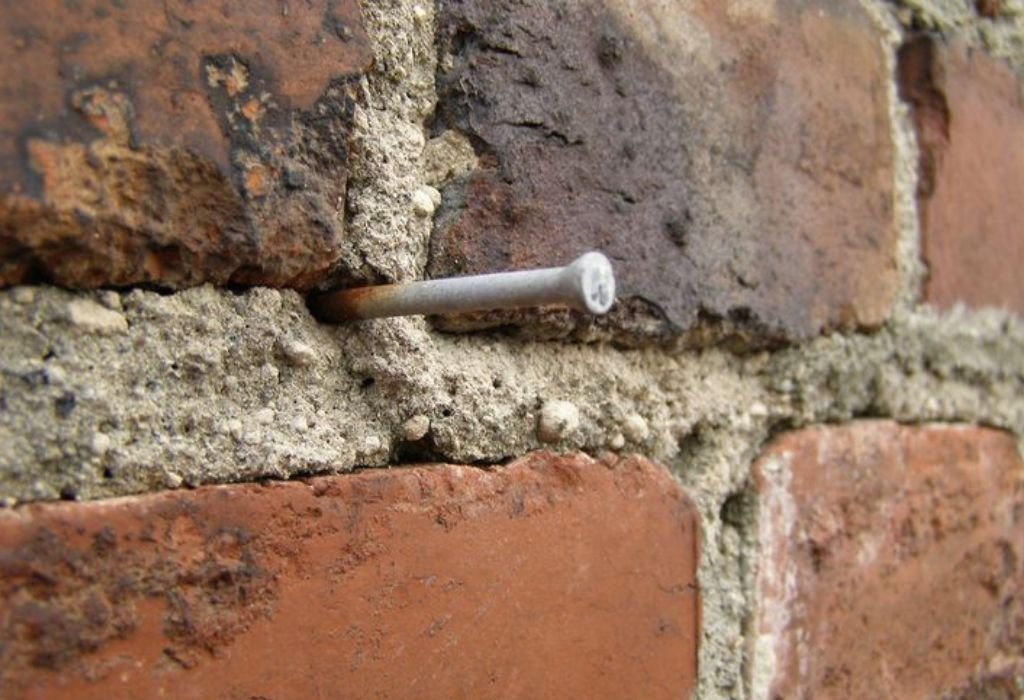
Drilling into brick may seem like the most straightforward approach, but it’s not always the best choice. Brick is a strong yet brittle material that can chip, crack, or crumble when exposed to high vibration. This damage is often permanent and difficult to repair.
In older buildings, the mortar joints can be weak or uneven, making drilling even riskier. A single wrong hole could compromise structural integrity or loosen bricks over time.
For renters or tenants, drilling is often not allowed due to potential wall damage or lease restrictions. Even in private homes, it’s understandable to avoid holes that are difficult to conceal later.
Drilling also produces noise, dust, and mess — inconvenient for small indoor projects or decorative spaces. Adhesive or non-drill methods, on the other hand, are clean, quiet, and easily reversible.
Choosing the right no-drill method lets you protect your wall while still achieving a strong, neat, and professional-looking attachment.
Preparing the Brick Surface for Strong Adhesion
No matter what adhesive or method you use, surface preparation determines how strong the final bond will be. Even the most powerful glue can fail on a dirty or rough surface.
Start by cleaning the brick area thoroughly. Use a stiff brush or broom to remove dust, cobwebs, and loose mortar. For stubborn dirt or grease, wipe with a damp cloth and mild detergent, then let it dry completely.
If the wall has paint, check its stability by scraping lightly. Peeling or flaking paint should be sanded off because adhesives bond better to raw or sealed brick than unstable coatings.
Next, measure and mark where the wooden piece will be placed. Use a pencil or chalk to outline the edges so you can position it accurately later.
Finally, ensure the brick surface is completely dry before applying adhesive. Moisture interferes with curing, leading to weak or uneven bonding. Proper preparation is key to a long-lasting, flawless installation.
Using Strong Construction Adhesive
The most common and reliable way to attach wood to brick without drilling is construction adhesive. These adhesives are specially formulated to bond porous materials like wood, brick, and concrete permanently.
Choose a high-quality product such as Liquid Nails, Gorilla Heavy Duty Construction Adhesive, or Loctite PL Premium. These adhesives provide incredible strength and can hold wooden boards, trims, and frames securely for years.
Apply a zigzag bead of adhesive along the back of the wooden piece. Avoid overapplying — a consistent line every few inches ensures even distribution and avoids squeezing out excess.
Press the wood firmly against the brick, ensuring full contact. Hold it for a few minutes or use temporary support like masking tape or clamps until the adhesive begins to set.
Let the adhesive cure according to the manufacturer’s instructions, usually 24–48 hours. Once cured, the bond becomes exceptionally strong and resistant to humidity or temperature changes.
This method works best for permanent fixtures or heavy items that need long-term support.
Mounting Wood with Double-Sided Adhesive Tape
For lighter objects, industrial-strength double-sided mounting tape offers an easy, clean, and removable alternative. This method is ideal for smaller wood pieces like signs, frames, or decorative panels.
Use tapes specifically designed for masonry or outdoor use, such as 3M VHB tape or Gorilla Mounting Tape. These are engineered to hold several pounds per strip and can withstand both indoor and outdoor conditions.
Start by cleaning both surfaces — the brick and the wood — to remove any dust or oil. Cut strips of tape and apply them evenly across the back of the wooden board. Press down firmly to activate the adhesive.
Position the wood against the wall and hold it for 30–60 seconds, applying pressure across the entire surface. This step ensures maximum adhesion.
Although tape provides immediate hold, allow several hours for full strength to develop. Avoid hanging heavy objects using this method — it’s better suited for decorative woodwork or signage.
When removal is needed, gently heat the tape with a hair dryer to soften it, then pull the wood away slowly to avoid wall damage.
Attaching Wood Using Brick Clips or Hangers
Brick clips are an ingenious no-drill method for mounting wood or decorations onto exposed brick walls. They work by gripping the top and bottom edges of individual bricks, allowing you to hang objects safely without adhesive or tools.
Before purchasing, measure the height of your bricks since clips come in specific sizes (usually between 2¼ and 2¾ inches). A proper fit ensures strong grip and stability.
To install, position the upper hook of the clip over the top edge of the brick and press the lower spring-loaded edge into place. Once it clicks, the clip locks securely.
Now you can hang wooden boards, panels, or lightweight shelves using screws, hooks, or wire through the clip holes. They support several pounds each, depending on model and manufacturer.
The biggest advantage of brick clips is removability — they leave no marks and can be repositioned anytime. Perfect for renters, holiday décor, or temporary installations.
Brick clips are ideal for smooth, uniform bricks, though they may not fit well on rough or deeply recessed surfaces.
Using Velcro Strips for Light Wood Fixtures
Another quick and convenient option is using industrial Velcro strips. These are designed for repeated attachment and removal without leaving residue or marks on surfaces.
Choose heavy-duty outdoor Velcro with adhesive backing suitable for brick and wood. These versions are weather-resistant and provide impressive holding strength for lightweight panels or signage.
Clean both surfaces thoroughly, then cut equal lengths of Velcro. Attach the hook side to the brick and the loop side to the wooden piece. Press each strip firmly for at least 30 seconds to secure the bond.
Once both sides are applied, align the wood with the marked area and press it against the wall. The Velcro locks instantly, holding the piece flush against the surface.
This method works best for items under 10–15 pounds. It’s perfect for temporary displays, craft projects, or wooden signs that need occasional repositioning.
Velcro solutions combine flexibility and strength — a great fit for renters or seasonal decorators who want no wall damage at all.
Applying Silicone Adhesive for Flexible Bonding
For outdoor projects or uneven brick surfaces, silicone adhesive provides flexibility and weather resistance. Unlike rigid glues, silicone remains slightly elastic after curing, allowing the bond to adapt to temperature and movement.
Use construction-grade silicone sealant labeled for masonry and wood. These formulas resist UV rays, moisture, and temperature extremes, making them perfect for garden or patio projects.
Apply silicone in beads or dots along the wood’s back, leaving small gaps between each spot for air circulation. Press the piece firmly against the brick, wiggling slightly to spread the adhesive.
Hold or clamp it for several minutes, then let it cure for 24–48 hours. Once dry, the bond becomes waterproof and strong yet flexible enough to handle expansion and contraction.
Silicone adhesives are excellent for outdoor signage, wooden planters, and decorative trims exposed to weather. The elasticity prevents cracking, ensuring the bond lasts for years.
Using Magnetic or Hook-and-Loop Mounting Systems
In modern design, magnetic mounting kits and hook-and-loop wall systems are gaining popularity for non-drill solutions. They combine advanced materials to create removable yet strong wall attachments.
Magnetic mounts consist of adhesive-backed metal plates and powerful neodymium magnets. Stick one side to the brick and the other to the wood. The magnets snap together instantly, forming a secure connection.
This approach is ideal for wood panels or decorative boards that you might want to remove periodically. The hold strength varies based on magnet size — larger magnets can handle up to 20 pounds each.
Hook-and-loop systems work similarly, using interlocking surfaces that click together for secure but detachable holds. These are especially good for lightweight or medium-weight wooden boards.
Both systems offer clean aesthetics since no visible hardware remains once mounted. They also allow easy repositioning without damage, blending strength with convenience.
Attaching Wood Temporarily with Tension Rods or Brackets
When permanent bonding isn’t an option, tension-based mounting is another smart alternative. This technique uses adjustable rods, frames, or compression brackets to hold wooden structures in place without touching the brick surface directly.
For example, you can mount vertical tension rods between the floor and ceiling, then attach wood panels or shelves to them. The tension creates a secure fit without adhesive or screws.
This approach works well for building freestanding shelves, display walls, or backdrops against brick without drilling any holes. It’s completely reversible and safe for both surfaces.
Alternatively, corner brackets or press-fit frames can hold wood panels snugly against brick, using friction instead of glue or fasteners.
These solutions are perfect for creative interior design or temporary installations like exhibitions and pop-up displays. They provide visual appeal while keeping walls intact.
Combining Adhesive and Mechanical Support
For heavier wooden items, sometimes one method alone isn’t enough. Combining adhesive bonding with mechanical support ensures both strength and safety.
For example, use construction adhesive for the main bond and add removable braces, clips, or small tension mounts for extra stability while the adhesive cures. This hybrid technique allows secure placement without permanent drilling.
You can also pair brick clips with adhesive for large panels or trim. The clips bear initial weight while the glue sets, preventing sagging or slipping.
This combination approach works best for projects like wall-mounted benches, wooden panels, or outdoor installations. The result is durable, professional, and damage-free attachment.
Always plan the layout carefully before combining materials. Balanced weight distribution is the secret to long-term stability.
Cleaning and Maintaining the Bond Over Time
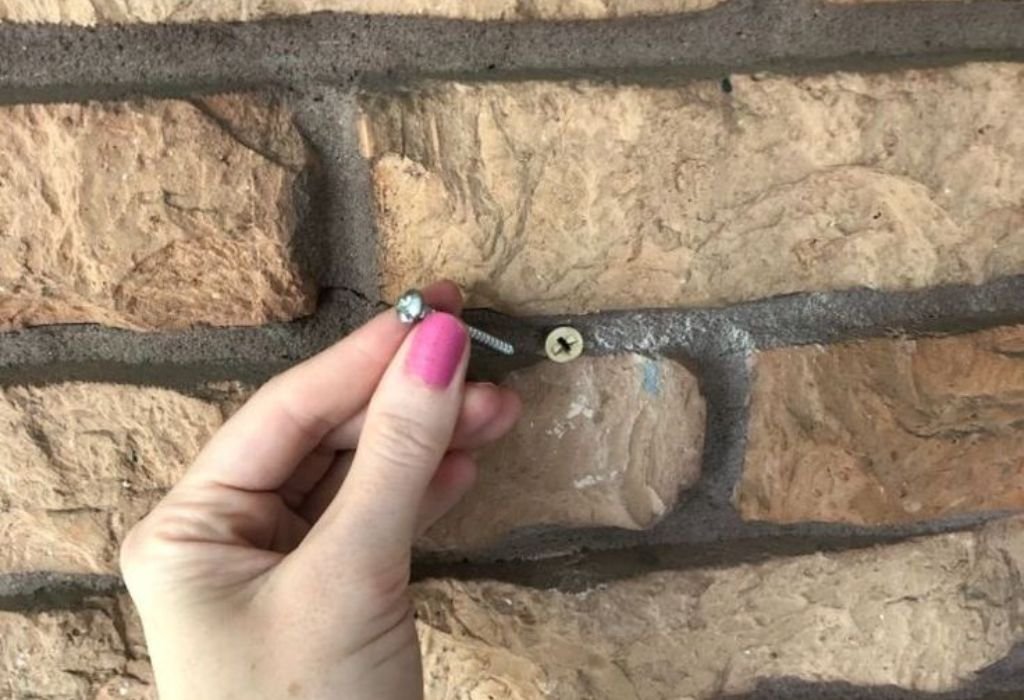
Even the strongest adhesive bond needs care over time. Dust, moisture, and thermal changes can gradually affect adhesion strength, especially in outdoor or humid environments.
Inspect your mounted wood occasionally to ensure no edges are loosening. If you notice minor gaps, reapply a small amount of adhesive along the seam and press firmly again.
For outdoor installations, clean dirt buildup with a damp cloth rather than harsh chemicals. Chemicals can weaken the bond or stain the wood.
If you ever decide to remove the wood, use gentle heat from a hair dryer or heat gun to soften adhesive before pulling. This minimizes brick damage and leaves cleaner results.
Maintaining cleanliness and stability ensures your wood remains securely and beautifully attached for years without drilling or reinstallation.
FAQ: Expert Answers About Attaching Wood to Brick Without Drilling
Can wood stick to brick without screws?
Yes. With the right adhesive or mounting system, wood can bond strongly to brick without screws or holes.
Which adhesive works best for wood and brick?
Construction adhesives like Loctite PL Premium or Gorilla Heavy Duty are ideal for long-term bonding.
Will adhesive hold heavy wood panels?
Yes, if applied properly and allowed to cure fully. For extra strength, use temporary supports while curing.
Can I use tape instead of glue?
Heavy-duty mounting tape works for lightweight projects like wooden signs but not for large shelves.
Is it safe to use adhesives on outdoor brick walls?
Yes, but use weatherproof silicone or masonry adhesive designed for outdoor use.
How can I remove wood later without damaging the wall?
Heat the adhesive gently to soften it, then pry slowly using a plastic scraper. Clean residue with solvent.
Do brick clips damage the brick surface?
No. They grip the brick edges mechanically and can be removed anytime without leaving marks.
Conclusion
Attaching wood to brick without drilling isn’t just possible — it’s often smarter, cleaner, and safer. With modern adhesives, tapes, clips, and magnetic systems, you can mount anything from light panels to solid boards securely.
Each method has its strength. Adhesives provide permanent bonds, while clips and tapes offer flexibility and easy removal. By preparing the surface, applying the right material, and allowing proper curing time, you achieve a durable, professional result.
You don’t need power tools or permanent holes to create functional, stylish designs. The key is patience, precision, and the right product.
So next time you face a brick wall, remember — strength doesn’t always require drilling. Sometimes, smart solutions stick just as strong.

I’m John F. Nicholas, the founder, lead writer, and drill enthusiast behind 101drill.com. With years of hands-on experience in power tools and DIY projects, I created this platform to share practical knowledge, expert tips, and real-world insights to help others master the art of drilling.