
Every workshop thrives on precision, efficiency, and versatility — qualities that define a professional craftsman’s success. Among the many tools that support these principles, the oscillating drill press stands out for combining the strength of a drill press with the smooth finish of a spindle sander.
Unlike a standard drill press that only drills vertically, this advanced machine adds a controlled oscillating motion to the spindle. This means the bit or sanding drum not only spins but also moves up and down in small increments, dramatically improving performance and surface finish.
Understanding what is an oscillating drill press opens new possibilities for woodworkers and metalworkers alike. It ensures smoother sanding, reduces heat buildup, and prevents surface burning — all while maintaining drilling accuracy.
From hobbyists to professional carpenters, this machine represents the perfect blend of precision drilling and flawless sanding. Let’s explore how it works, its components, and why every workshop benefits from adding one to the bench.
Understanding What an Oscillating Drill Press Is
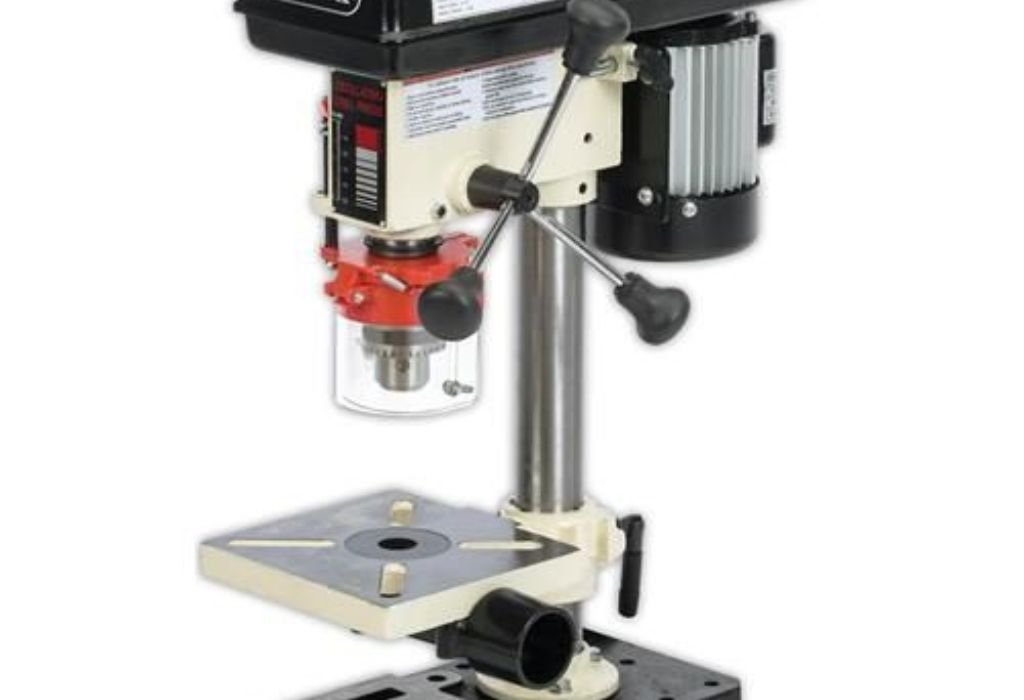
An oscillating drill press is a hybrid machine that performs both drilling and sanding operations with enhanced precision. The key feature that sets it apart from a standard drill press is its oscillation mechanism — a built-in system that moves the spindle up and down while it rotates.
During sanding, this dual motion distributes wear evenly across the sanding sleeve, prevents heat concentration, and eliminates burn marks on wood. The result is a smoother, cleaner surface and extended sandpaper life.
The oscillating function is usually powered by a cam or gear system connected to the spindle. When engaged, the spindle lifts and lowers rhythmically, typically around ¾ of an inch per cycle. This subtle movement provides a uniform sanding pattern while reducing frictional heat.
In drilling mode, the machine functions just like a standard drill press, maintaining vertical alignment and depth accuracy. Switching between drilling and oscillating modes can be done with a simple lever or switch, depending on the model.
Because of its versatility, the oscillating drill press is especially popular among woodworkers who frequently alternate between drilling, shaping, and finishing operations. It saves space, time, and effort by replacing two separate machines with one precision-driven system.
Key Components and Mechanical Design
The design of an oscillating drill press integrates a series of precisely machined components that work in harmony to achieve smooth oscillation and consistent power. Each element contributes to both functionality and performance accuracy.
The base anchors the machine securely, ensuring vibration-free operation even under heavy load. Made of cast iron, it provides stability and absorbs impact forces during drilling and sanding. The column rises vertically from the base, serving as a guide for the head assembly and adjustable worktable.
The headstock houses the motor, spindle assembly, and oscillation mechanism. Inside, a camshaft or eccentric gear drives the up-and-down oscillation of the spindle while maintaining its rotation speed. This allows seamless switching between standard drilling and oscillating motion.
The worktable can be raised, lowered, or tilted to accommodate various angles and material thicknesses. Its precision-ground surface supports accurate setups for drilling or sanding at different depths.
The spindle connects to the chuck or sanding drum holder, depending on the task. Feed handles control the vertical motion during drilling, while the oscillation cycle is handled automatically.
Additional features like a dust port, depth stop, and speed control dial make the machine suitable for professional-grade work. Together, these components ensure the oscillating drill press remains one of the most reliable multi-function tools in workshop environments.
How an Oscillating Drill Press Works
The operating principle of an oscillating drill press lies in synchronized vertical oscillation combined with spindle rotation. This dynamic motion ensures uniform material removal, smoother finishes, and reduced surface wear.
When in drilling mode, the spindle functions traditionally — rotating the bit vertically along a fixed axis. In oscillating mode, a cam mechanism within the headstock converts rotary motion into vertical reciprocation. This produces small, rapid up-and-down movements during rotation.
This oscillation offers significant advantages during sanding. By moving the abrasive drum along its length, the tool spreads friction and heat evenly, preventing localized burning or clogging of the sandpaper. It also minimizes scratches and extends the lifespan of sanding sleeves.
The speed of oscillation and rotation is adjustable depending on the model. Typical oscillation rates range from 50 to 70 cycles per minute, while spindle speeds vary between 500 and 3000 RPM. This flexibility allows adaptation to different materials — from hardwoods and metals to composites and plastics.
Operators can easily switch between modes by engaging a mechanical lever or pressing an electronic toggle.
Once activated, the system automatically synchronizes both motions for balanced and efficient operation. The result is a cleaner, more professional finish with minimal operator fatigue.
Applications and Uses in Workshop Operations
The oscillating drill press plays an essential role in workshops where precision, finish quality, and versatility are required. Its applications extend beyond drilling — making it a staple for shaping, sanding, and polishing workpieces.
In woodworking, the machine excels at smoothing curved edges, inside holes, and complex contours. By replacing manual spindle sanders, it speeds up finishing work and ensures consistent results. Cabinetmakers, furniture builders, and luthiers often rely on it for fine detailing.
For metalworking, it provides clean drilling action with minimal runout, ensuring hole accuracy and concentricity. The oscillation mechanism also reduces burr formation, improving the post-machining surface finish.
In plastic fabrication, oscillating motion prevents melting by controlling heat buildup, which is common in high-speed sanding. This makes it suitable for acrylics, PVC, and composite materials.
Educational workshops and small manufacturing facilities favor the oscillating drill press for its space-saving design and multi-function capabilities. By combining two tools in one, it optimizes workflow efficiency while reducing maintenance overhead.
From professional production floors to DIY studios, this machine remains an all-in-one solution for accurate drilling and fine surface finishing. Its adaptability across materials and industries makes it indispensable in modern fabrication environments.
Advantages of Using an Oscillating Drill Press
The oscillating drill press offers several engineering advantages over conventional designs, making it a superior choice for multi-purpose workshops.
One of its main benefits is enhanced sanding performance. The oscillating motion prevents friction concentration, resulting in uniform wear on sanding sleeves. This not only improves finish quality but also reduces the likelihood of surface burning or clogging.
Another advantage is extended tool life. Since heat and pressure are distributed evenly, both sandpaper and spindle bearings last longer. Operators also experience smoother feed control, reducing strain during extended use.
The machine’s versatility allows it to transition seamlessly between drilling and sanding tasks. This saves valuable workshop space and eliminates the need for separate machines. For small workshops, it’s a cost-effective investment that delivers professional results.
Precision is another standout feature. The spindle alignment, adjustable depth stop, and stable base ensure consistent hole positioning and depth accuracy. When oscillation is disabled, it performs just like a traditional drill press with the same level of reliability.
Overall, the oscillating drill press merges durability, precision, and flexibility — delivering a level of performance unmatched by standalone drilling or sanding equipment.
Selecting the Right Oscillating Drill Press
Choosing the right oscillating drill press depends on workshop requirements, material types, and workload intensity. Several specifications influence performance and durability.
Motor power determines drilling capacity and sanding efficiency. A ½- to ¾-horsepower motor is ideal for general use, while heavy-duty operations may require up to 1 HP or more. Higher torque ensures smooth drilling through dense materials like hardwood or steel.
Spindle travel defines the depth capability of the machine. Models with 3 to 4 inches of quill movement provide ample flexibility for thick workpieces.
Oscillation stroke and speed range also matter. A longer stroke and adjustable oscillation rate improve sanding efficiency and finish consistency. Variable-speed systems allow users to match RPM with specific materials, minimizing wear and overheating.
Build quality is another deciding factor. A cast-iron base and column ensure vibration resistance, while precision-machined quill bearings guarantee long-term accuracy.
Additional features like dust collection ports, laser alignment, and LED lighting improve usability. A durable depth gauge and easy-access controls further enhance productivity.
When evaluating options, users should balance power, precision, and workspace needs. The right oscillating drill press delivers professional results for years with minimal maintenance.
Maintenance and Safety Guidelines
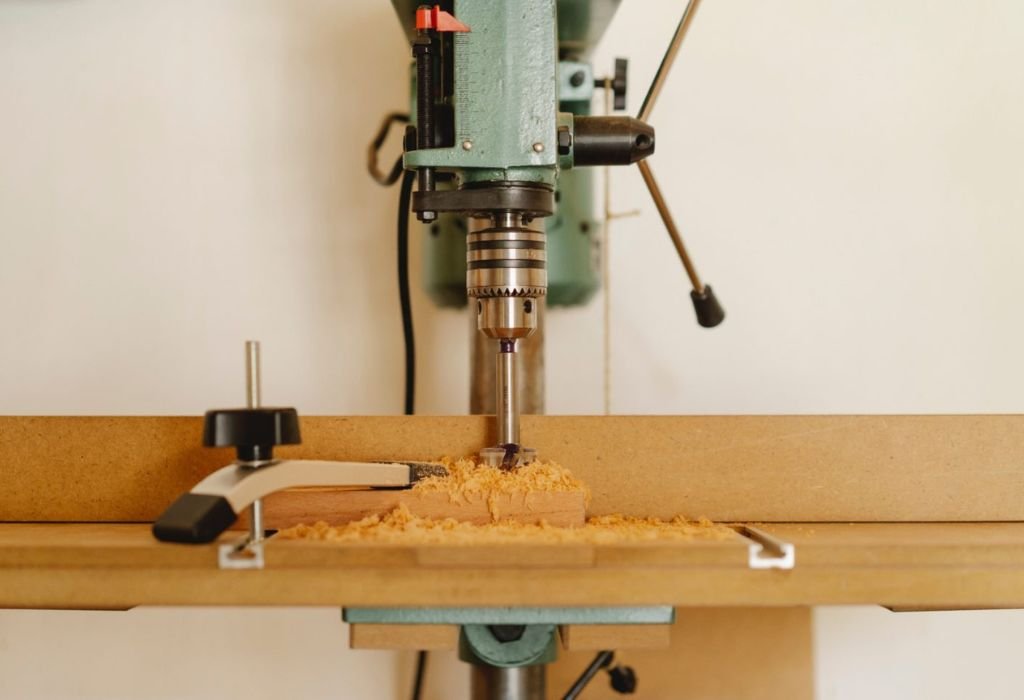
Proper maintenance keeps an oscillating drill press running smoothly and safely for decades. Regular care not only maintains precision but also prevents mechanical wear and overheating.
Start by cleaning the table, base, and spindle after each session. Sawdust, metal shavings, and abrasive particles can interfere with oscillation and affect accuracy. Use compressed air or a soft brush to remove debris, followed by a light application of machine oil on exposed surfaces.
Check belt tension and pulley alignment monthly. A loose or worn belt reduces spindle power and can disrupt oscillation timing. Inspect bearings and quill movement — any roughness may indicate the need for lubrication or replacement.
Lubricate the spindle and oscillation mechanism using the manufacturer’s recommended oil. Avoid over-lubrication, as it attracts dust and abrasive residue.
Safety measures are equally critical. Always ensure the machine is unplugged before changing bits or sanding sleeves. Keep the workpiece clamped firmly, and never wear loose clothing or jewelry near the spindle. Eye protection is mandatory, as sanding and drilling generate fine debris.
By following these maintenance and safety practices, users can achieve consistent accuracy, smoother finishes, and longer machine lifespan — all while maintaining a safe and efficient workshop environment.
FAQ’s- About Oscillating Drill Press
What is an oscillating drill press?
An oscillating drill press is a dual-function machine that combines drilling and spindle sanding in one tool. It features an oscillating spindle motion that moves up and down while rotating, preventing burns and creating smoother finishes.
How does the oscillating feature work?
The spindle moves vertically in short strokes during rotation, driven by a built-in cam or gear system. This motion evenly distributes wear on the sanding sleeve and reduces frictional heat for a cleaner surface.
Can an oscillating drill press be used for metalworking?
Yes, it can drill through metals with precision. However, the oscillating mode is mainly used for sanding wood. When drilling metal, the oscillation is usually turned off for consistent depth control.
What are the advantages of using an oscillating drill press?
It prevents overheating, extends sandpaper life, and ensures uniform surface quality. The oscillating motion also reduces the risk of burning wood or deforming plastic during sanding.
How is it different from a regular drill press?
A regular drill press only rotates vertically, while an oscillating model adds a rhythmic up-and-down motion. This makes it capable of both drilling holes and finishing surfaces effectively.
Is the oscillating drill press suitable for beginners?
Yes, it’s ideal for beginners and professionals alike. Its straightforward controls and built-in sanding function make it perfect for small workshops and home projects.
What materials can it handle?
It works best on wood, plastic, and light metals. The oscillating action particularly benefits wood sanding, offering flawless results without heat marks or grooves.
How do I maintain an oscillating drill press?
Clean the machine after every use, lubricate the spindle regularly, and check belts and bearings for wear. Dust buildup should be removed to keep oscillation smooth and consistent.
Does it save space in a workshop?
Yes, since it performs both drilling and sanding functions, it replaces two separate tools. This compact versatility makes it perfect for workshops with limited space.
Why should professionals invest in one?
Because it improves productivity, precision, and finish quality in a single setup. Its hybrid functionality reduces tool changes, saves time, and delivers a professional-grade surface finish every time.
Conclusion
The oscillating drill press redefines what a modern workshop machine can achieve. By merging the precision of a traditional drill press with the finesse of an oscillating sander, it delivers performance that meets both drilling and finishing demands in one compact system.
Understanding what is an oscillating drill press and its benefits reveals its importance across woodworking, metal fabrication, and plastics industries. It simplifies workflow, saves space, and enhances surface quality while extending tool life.
Its dual-motion mechanism prevents overheating, ensures uniform abrasion, and reduces operator fatigue — qualities that directly translate to professional-grade results.
For craftsmen seeking accuracy, efficiency, and versatility, the oscillating drill press represents an indispensable addition to the modern workshop.
With proper maintenance, correct operation, and a solid understanding of its mechanics, this machine will consistently deliver high-quality outcomes across every project — embodying the perfect balance of power, control, and craftsmanship.

I’m John F. Nicholas, the founder, lead writer, and drill enthusiast behind 101drill.com. With years of hands-on experience in power tools and DIY projects, I created this platform to share practical knowledge, expert tips, and real-world insights to help others master the art of drilling.