
For many DIYers and workshop professionals, precision depends not just on skill but on speed. A drill press that spins too fast burns wood and dulls bits, while one that spins too slow can stall or tear through metal unevenly.
That’s where the variable speed drill press changes the game. It offers full control over RPM, letting you match speed to material for perfect results every time.
According to Wood Magazine, adjustable speed can improve drilling efficiency by up to 30%, while Machinery Lubrication reports that nearly 40% of machine wear is linked to poor speed or bearing stress.
Understanding how does a variable speed drill press work helps you drill smarter, extend tool life, and achieve flawless accuracy whether you’re working on metal, wood, or composite materials.
What Is a Variable Speed Drill Press?
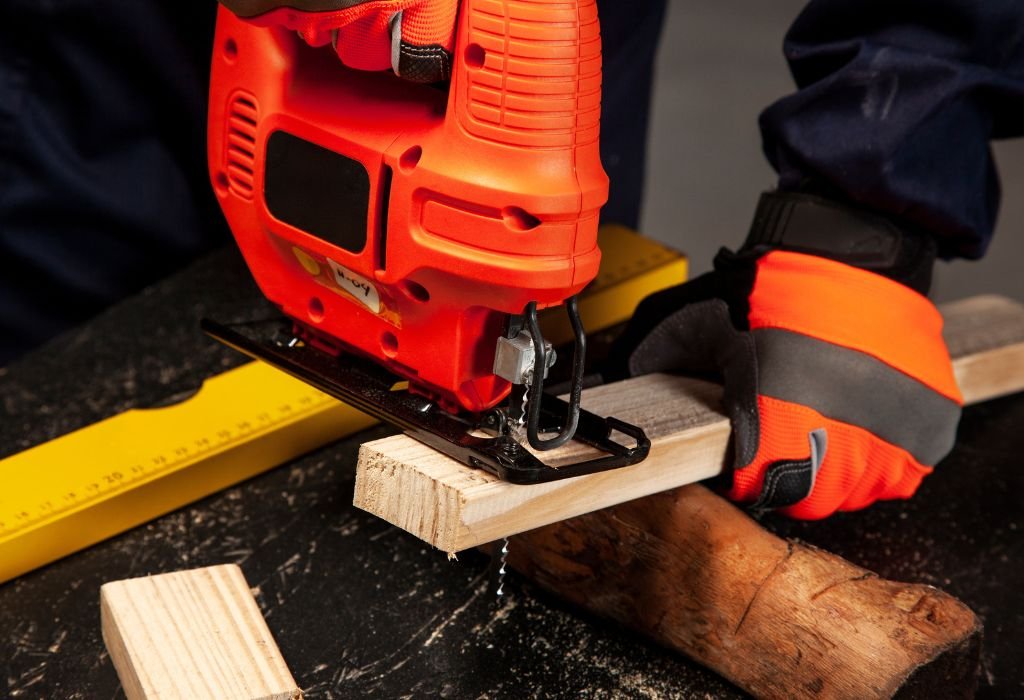
A variable speed drill press is a power tool that allows users to adjust spindle speed while the machine runs. Instead of stopping to move belts between pulleys, you simply turn a dial or adjust a lever to change RPM instantly.
This ability gives greater control over cutting pressure and heat — two factors that determine the quality and lifespan of drill bits. For hobbyists, professionals, or industrial machinists, it’s an essential evolution in drilling precision.
What is a variable speed drill press?
It’s a drill press that lets you control RPM without manual pulley changes, offering precision across multiple materials.
How is it different from a standard drill press?
A fixed-speed model runs at one or two preset speeds, while variable-speed versions can range from 300 to 3,000 RPM.
Why does variable speed matter?
Because different materials demand different speeds — hardwoods need slower cuts, while aluminum and soft metals drill cleaner at higher speeds.
Are all variable speed systems electronic?
No. Some use mechanical pulley systems; others use electronic speed controllers or variable frequency drives (VFD).
Who benefits most from using it?
Woodworkers, metal fabricators, and machinists who require consistent hole quality and bit longevity.
How Does a Variable Speed Drill Press Work?
The working principle of a variable speed drill press lies in how it manages power between the motor and spindle. In fixed-speed machines, the belt connects to one pulley setup.
In variable models, either a mechanical pulley system or an electronic motor controller dynamically adjusts spindle speed.
When the motor turns, the rotational power transfers to the spindle through a belt or drive system. Changing pulley ratios or adjusting motor frequency alters how fast the spindle and thus the drill bit rotates.
Slower speeds offer more torque for dense materials, while faster speeds help cut cleanly through soft wood or plastic.
How is spindle speed controlled?
In mechanical models, a movable pulley adjusts the belt position. In electronic models, a VFD regulates motor speed digitally (Testbook).
Can you change speeds while drilling?
Yes. Electronic systems let you adjust speeds instantly during operation for better precision.
Does variable speed affect torque?
Yes, lowering speed increases torque, making it easier to drill through dense or thick materials.
Why is speed variation safer?
It reduces the chance of overheating, bit breakage, and material chipping during operation.
What’s the typical speed range?
Most variable speed drill presses operate between 300 and 3,000 RPM depending on size and design.
Key Components That Control Variable Speed
Every variable speed drill press depends on a set of precision-engineered components that control speed and stability. Together, they form the system that balances torque, rotation, and accuracy.
The motor provides power. The variable pulley system or electronic controller adjusts speed. The spindle and quill assembly transfers motion vertically. Bearings minimize friction, while the digital speed dial or lever gives the user manual control over RPM settings.
When these components operate in harmony, the spindle maintains steady speed and smooth motion, even under load — preventing wobble or deflection that leads to poor hole quality.
What role does the motor play?
It delivers constant rotational energy that the speed control system modifies as needed.
What is the variable pulley system?
It changes the effective pulley diameters to adjust spindle speed mechanically.
How does a digital RPM controller work?
It regulates power to the motor electronically, adjusting frequency to achieve the desired speed.
Why are bearings important here?
Bearings support the spindle, ensuring smooth, vibration-free rotation at any speed (Sharpening Handbook).
What does the spindle do?
It transmits motor torque directly to the chuck, holding the drill bit steady for precise vertical drilling.
Mechanical vs Electronic Variable Speed Systems
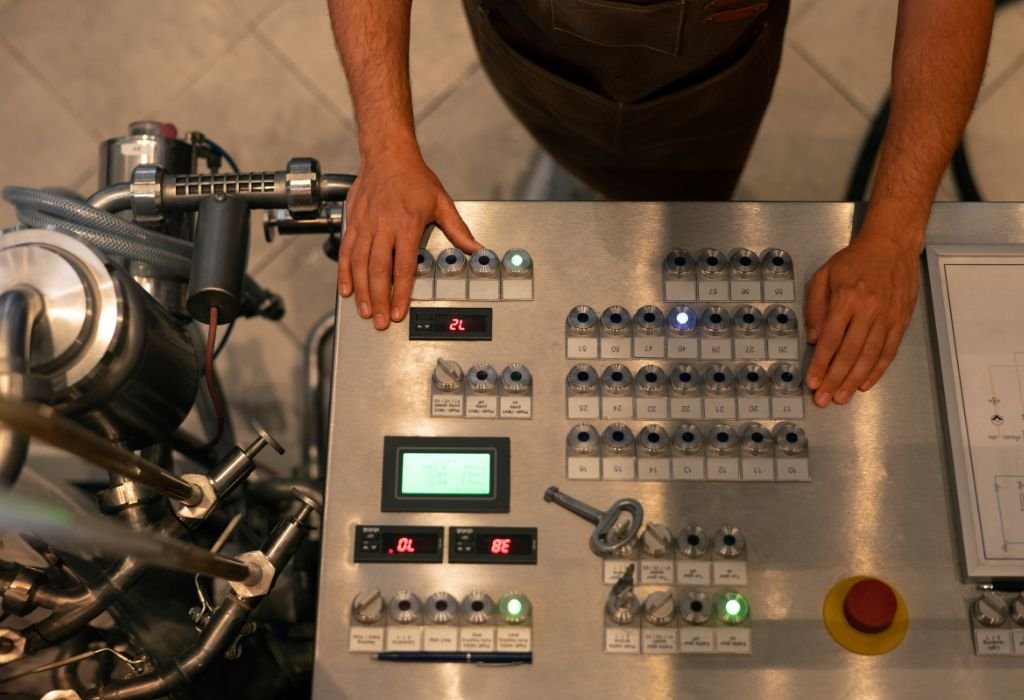
Variable speed control generally comes in two types: mechanical pulley-based systems and electronic drive systems. Each has unique advantages, maintenance requirements, and ideal use cases.
Mechanical systems rely on adjustable pulleys and belts. By moving the belt along variable-width pulleys, you change the ratio between motor and spindle rotation. It’s reliable and inexpensive but requires manual effort and occasional adjustment.
Electronic systems, on the other hand, use variable frequency drives (VFD) or DC controllers to digitally adjust motor speed.
They allow instant changes, smooth torque at any RPM, and often feature digital readouts. However, they tend to cost more and rely on stable electrical components.
Which is more precise?
Electronic systems provide finer, smoother control over RPM changes.
Do mechanical models need maintenance?
Yes — belts wear out and pulleys may require lubrication or tension checks.
Are electronic systems energy-efficient?
Yes, digital VFDs can save up to 25% power (Engineering Toolbox).
Which lasts longer?
Properly maintained mechanical systems can outlast electronics in dusty environments.
Can both work for metal and wood?
Absolutely — the key is adjusting speed correctly for the material.
Benefits of Using a Variable Speed Drill Press
The advantages of owning a variable speed drill press go beyond convenience. It directly influences productivity, bit life, and final hole quality.
By controlling spindle speed precisely, you can drill cleaner, faster, and safer. It prevents overheating, reduces tool wear, and eliminates the need for constant belt changes.
Adjustable speed also improves cut smoothness and chip removal in both woodworking and metal fabrication.
Why is speed control critical?
Because matching RPM to material prevents heat buildup and ensures cleaner holes (Woodcraft).
Does it extend bit life?
Yes, proper speed reduces friction and keeps cutting edges sharper for longer.
Does it save time?
Yes — changing speeds instantly means more time drilling and less time adjusting belts.
Can it improve drilling accuracy?
Absolutely. Stable speed minimizes vibration, leading to perfectly straight holes.
Is it quieter to use?
Variable speed models run smoother and quieter due to balanced power delivery.
Common Issues and Troubleshooting Tips
Like any power tool, a variable speed drill press can develop issues over time. Recognizing them early keeps your equipment reliable.
Common problems include inconsistent speed, slipping belts, vibration, or electronic control failures. Mechanical noises or overheating are also warning signs of bearing or alignment problems.
Why does the speed fluctuate randomly?
Loose belts or a faulty control board may cause unstable RPM.
What if the spindle vibrates?
Check for unbalanced bits, worn bearings, or misaligned pulleys.
Why does the motor overheat?
Running at very low speeds for long periods increases electrical load — use breaks or fans if necessary.
How can I fix belt slippage?
Tighten the tensioning system and inspect the belt for wear.
Why is the display showing wrong RPM?
Sensor misalignment or controller calibration errors can cause incorrect readings.
Studies from Plant Engineering show that lubrication and alignment issues account for 50–60% of spindle-related failures — proving maintenance is vital.
Maintenance Tips for Variable Speed Drill Presses
Keeping your drill press in top shape ensures smoother operation and a longer lifespan. Regular checks prevent issues like vibration, inaccurate speed, or excessive wear.
Clean pulleys, lubricate bearings, and keep electrical parts free of dust. Always follow manufacturer guidelines for oiling and belt tensioning. For digital models, ensure the control board remains dry and properly ventilated.
How often should you lubricate bearings?
Every 200–300 hours of use, or monthly for frequent operation.
Can you use regular grease?
Use only light machine oil or spindle grease specified by the manufacturer.
Why check belts regularly?
Loose or cracked belts reduce torque and create uneven rotation.
How often to calibrate RPM displays?
Every 6–12 months for digital systems to maintain accuracy.
When should bearings be replaced?
If you feel grinding, noise, or excess heat even after lubrication.
Metalworking Insider notes that proactive maintenance can reduce downtime by 25%, reinforcing the value of scheduled care.
Safety Practices When Using a Variable Speed Drill Press
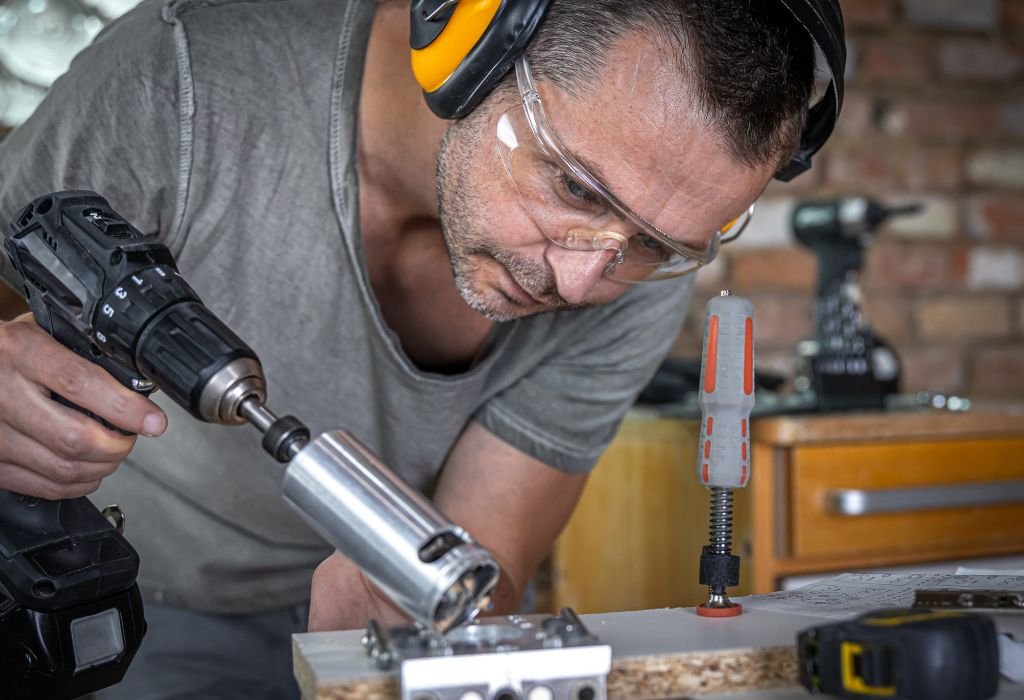
Safety and precision go hand in hand. Misuse of variable speed drill presses can lead to accidents, injuries, or equipment damage.
Always wear eye protection, avoid loose clothing, and secure long hair. Clamp your workpiece before drilling to prevent spinning. Adjust speeds only when it’s safe to do so, especially on mechanical systems.
Why is side pressure dangerous?
It can bend the spindle and cause sudden bit breakage.
Should you change speed mid-cut?
Only with electronic controls — never on mechanical pulley models.
Why use clamps?
They prevent the workpiece from spinning and damaging the operator or machine.
What happens at excessive speed?
Over-speeding burns wood, dulls bits, and stresses bearings.
When should you stop operation?
Immediately if abnormal vibration, smell, or sound is noticed.
Practical Tips to Get the Most from Your Variable Speed Drill Press
To maximize your drill press’s performance, you need more than just good technique — you need habits that enhance precision and lifespan.
Use the right drill bit type for each material. Carbide bits work best for metals, while high-speed steel is ideal for wood and composites. Always match your RPM setting to the bit size — smaller bits can spin faster, while larger ones require slower speeds to prevent overheating.
Keep your work table aligned with the spindle using a test indicator every few months. Even minor misalignment can cause off-center holes or bit deflection.
Maintain consistent feed pressure — too much pressure can strain the motor, while too little can dull the bit prematurely.
What is the best speed for metal drilling?
Usually between 400–800 RPM, depending on thickness and alloy.
How to keep holes perfectly vertical?
Check that the table is square to the spindle before every major project.
Does bit sharpening matter for performance?
Yes, sharp bits reduce friction and drilling time significantly.
Should you use coolant or oil?
Yes, especially for metal. It keeps temperatures stable and prevents spindle wear.
Can upgrading the chuck improve accuracy?
Absolutely — a precision chuck minimizes run-out and delivers cleaner cuts.
Following these small but powerful tips ensures your variable speed drill press performs consistently and stays reliable for years.
Future Innovations in Variable Speed Technology
The future of drill presses lies in smarter, more efficient control systems. Manufacturers are integrating automation and digital intelligence into variable speed designs.
Brushless DC motors now deliver higher torque with less heat. AI-assisted sensors monitor load and automatically adjust speed for optimal performance. Some industrial models already include vibration sensors and real-time diagnostics for predictive maintenance.
What is AI speed control?
It automatically adjusts RPM based on resistance or material density.
Will cordless drill presses have variable speed soon?
Yes, new brushless models already feature efficient variable RPM systems.
What’s the benefit of smart sensors?
They detect imbalance and auto-correct speed before vibration occurs.
Are these systems more efficient?
Yes, VFDs and AI systems reduce wasted power by up to 20%.
Will maintenance become easier?
Predictive systems alert users before bearing or motor failure occurs.
Conclusion
Understanding how does a variable speed drill press work gives you more than mechanical insight — it gives you mastery over precision. With full control of speed, you can tailor your approach to every material, improving both performance and safety.
From the motor to the spindle, each part plays a role in creating consistent, vibration-free drilling. Whether mechanical or electronic, the secret lies in balance — between speed, torque, and control.
Regular maintenance and proper speed selection ensure that your drill press performs at its peak for years. Remember, speed isn’t just about going faster — it’s about finding the rhythm that produces perfection.

I’m John F. Nicholas, the founder, lead writer, and drill enthusiast behind 101drill.com. With years of hands-on experience in power tools and DIY projects, I created this platform to share practical knowledge, expert tips, and real-world insights to help others master the art of drilling.